

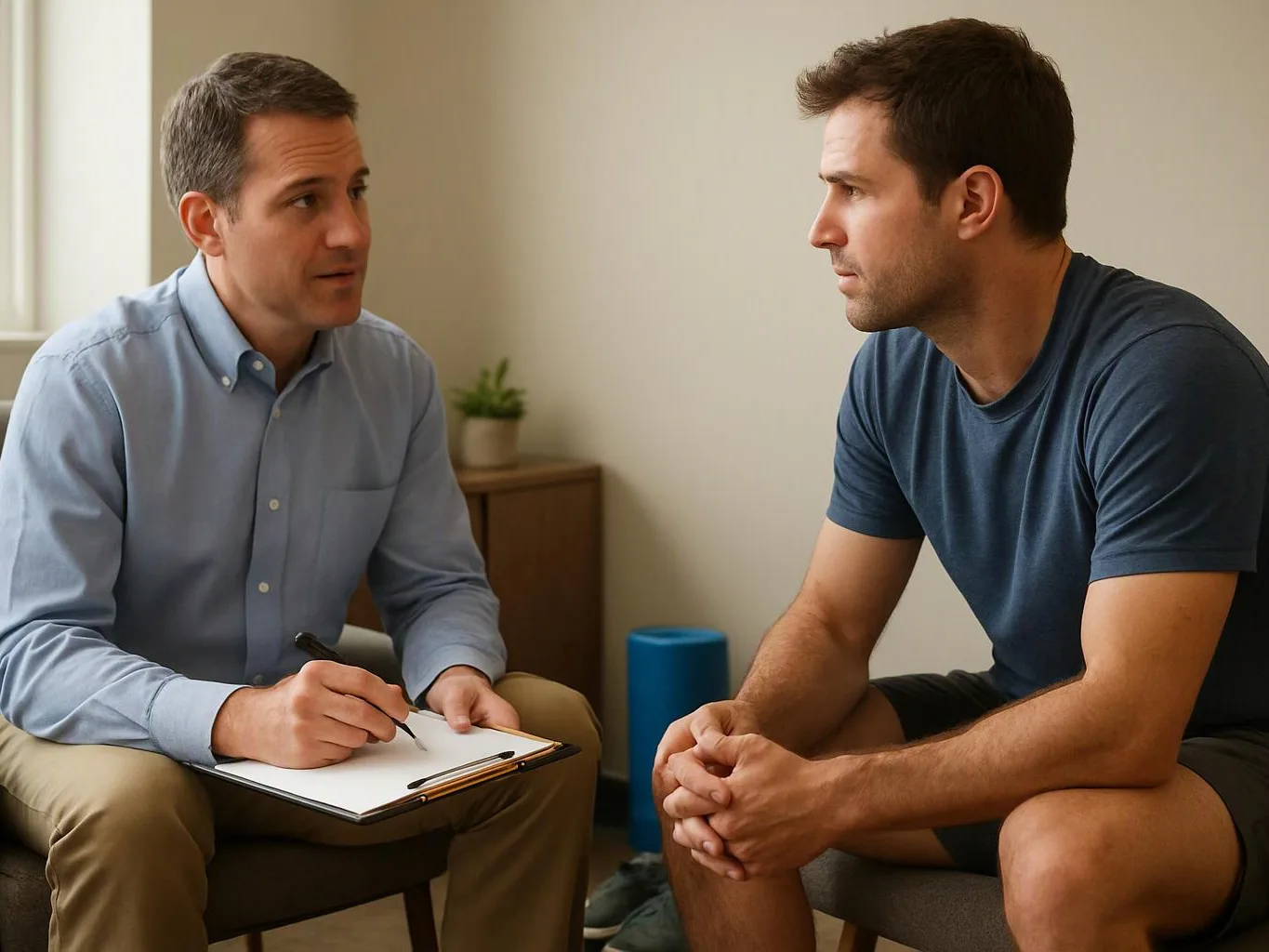
Discuss symptoms and daily habits
We review your health history, pain patterns, work demands, sports activity, and posture concerns.
Postural correction care helps address posture habits that affect daily comfort and movement. We begin with a careful assessment and a free consultation.
Daily sitting and standing may feel less strained when movement habits improve.
Therapeutic exercises can help you build awareness of positions that increase discomfort.
A tailored plan connects posture goals with related concerns such as neck pain, sciatica, or headaches.
Progress checks help us adjust care when your movement or symptoms change.
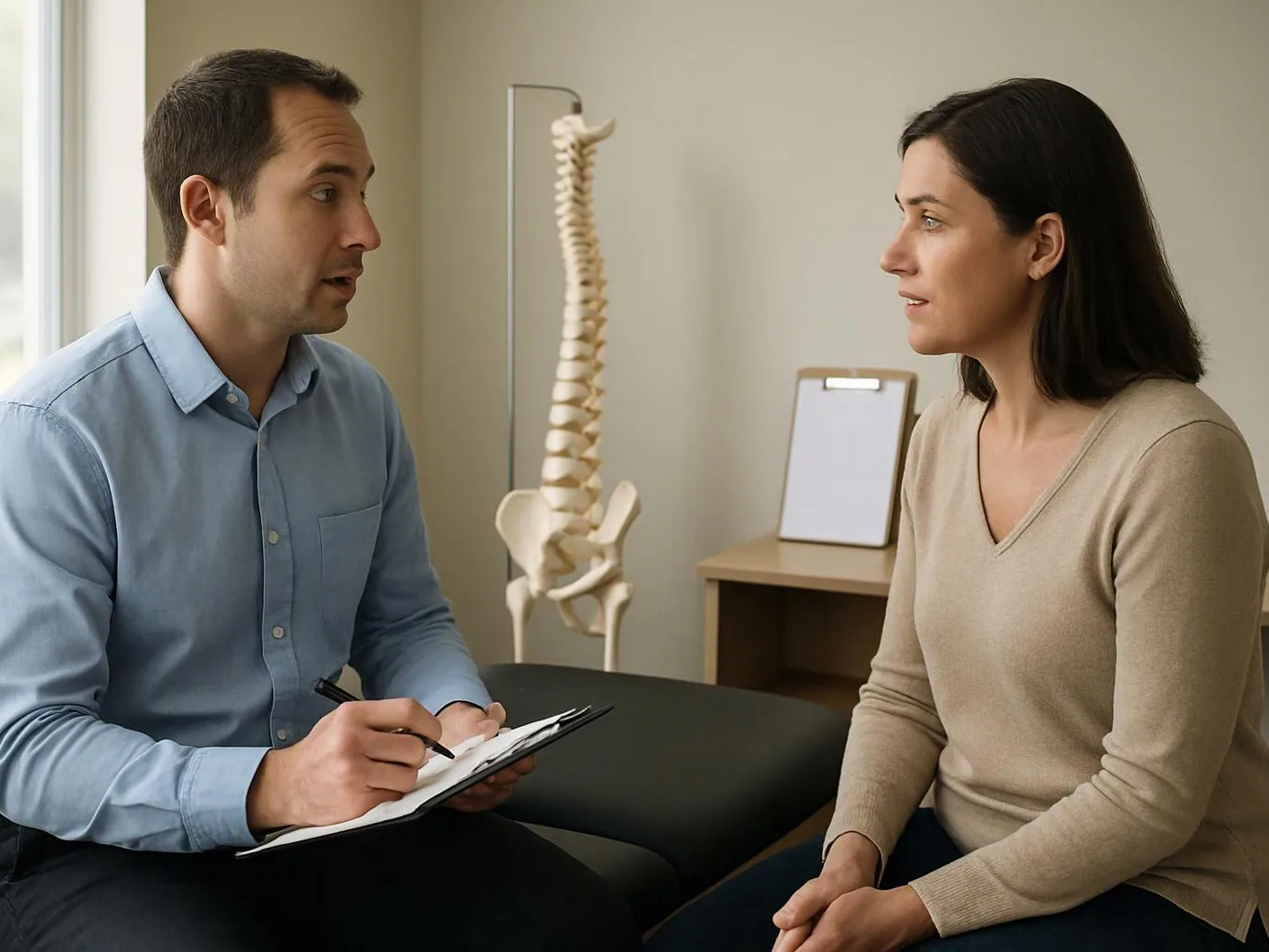
Postural correction starts with a health history, examination, and discussion of your goals. We look at how your spine, shoulders, hips, and neck work during common movements. Care may include chiropractic adjustments, therapeutic exercises, soft tissue therapy, physical therapy, massage therapy, or spinal decompression. The right mix depends on your condition, symptoms, and response to care. This service fits people who want to improve movement habits alongside symptom care. It isn't a substitute for urgent medical evaluation when severe symptoms, major trauma, or sudden loss of function is present. Our team explains when another form of medical care is needed.
Postural correction is a care process that evaluates alignment, movement habits, and related strain to support more comfortable motion.
A few details can help us understand how posture affects your symptoms and daily routine.
We review your health history, pain patterns, work demands, sports activity, and posture concerns.
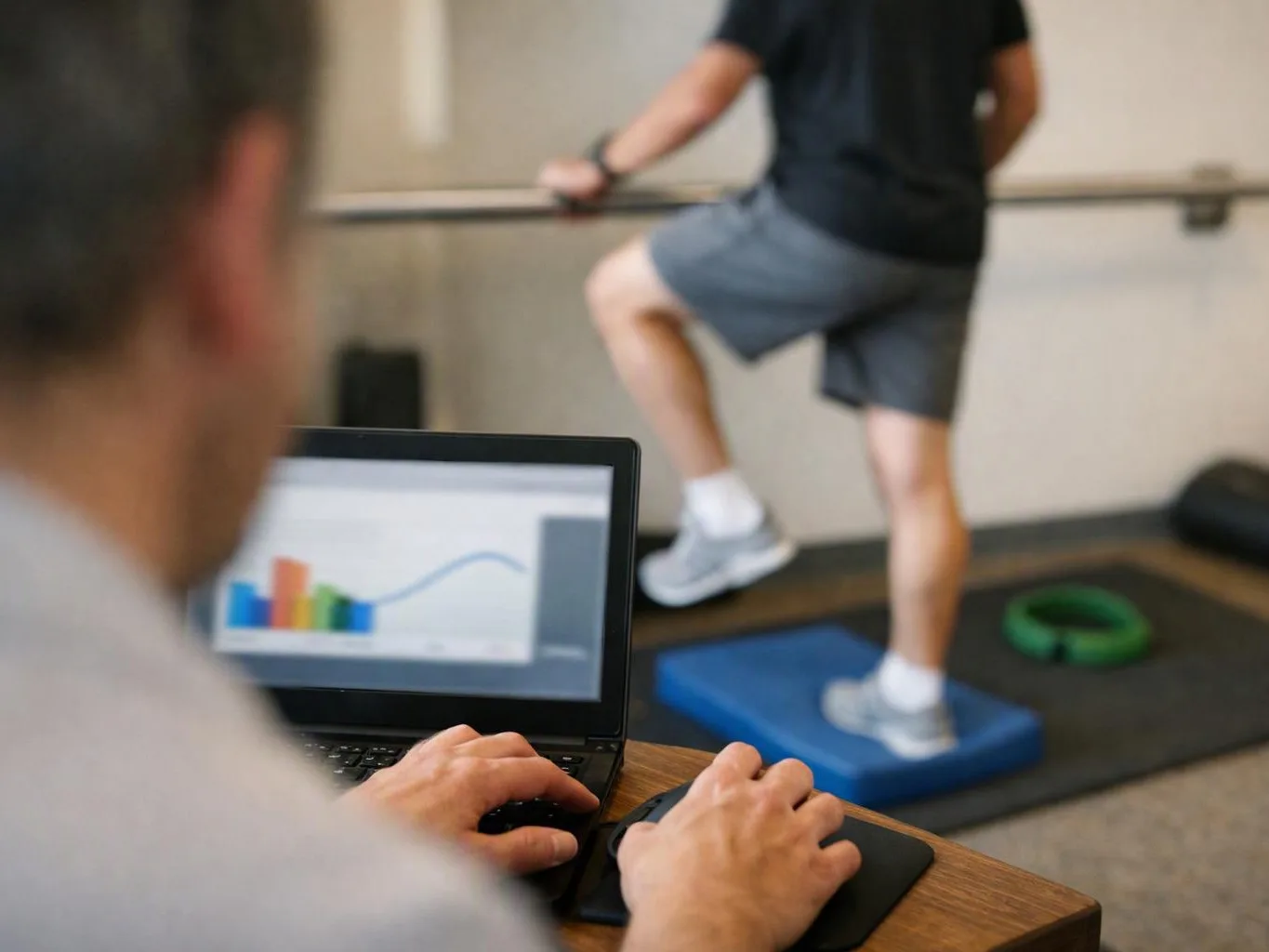
Our team examines how your spine, shoulders, hips, and neck move during relevant tasks.
We explain what the examination shows and discuss treatment options in plain language.
Your plan may include tailored chiropractic adjustments, therapeutic exercises, spinal decompression, physical therapy, or massage therapy.
We review your response to care and adjust the plan when your condition or goals change.
We assess posture, movement, and related symptoms before recommending adjustments or other care.
We shape each care plan around the patient’s condition, movement goals, and response to treatment.
We review changes in symptoms and movement, then adjust care when clinical findings support a change.
A posture-focused care plan includes an assessment, treatment recommendations, and progress monitoring. Your plan may include:
We explain each option before care begins and adjust the plan when clinically appropriate.
Are posture-related strain or movement limits affecting your day? Advanced Injury Care Clinic invites you to request a free consultation and discuss a care plan that fits your needs.
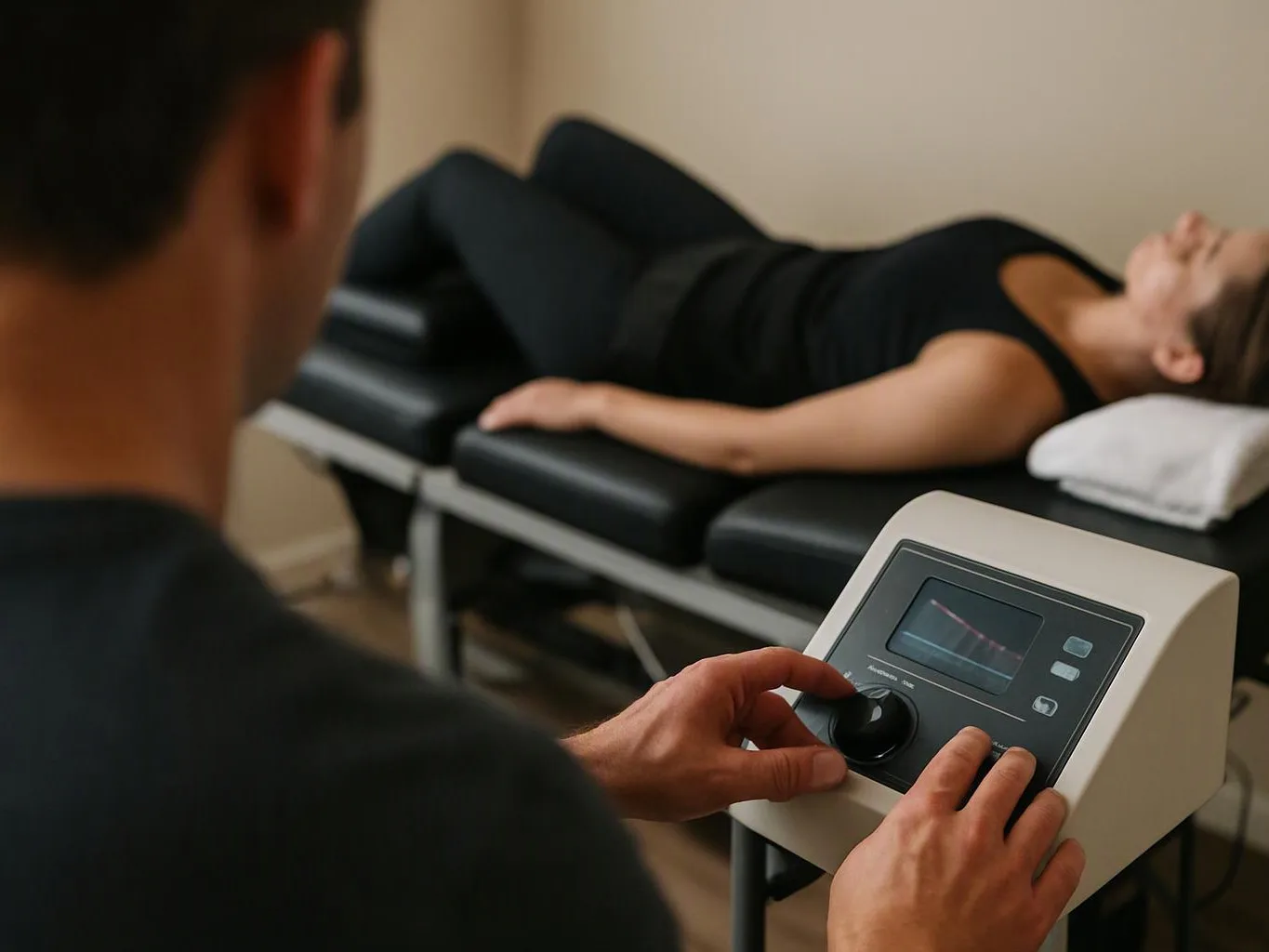
Long periods at a desk can leave the neck, shoulders, and upper back tight by the end of the day. The key question is whether posture, movement habits, or another condition is driving the strain. We assess those patterns and discuss exercises or hands-on care that fit your daily routine during a consultation.
After an auto accident, workplace injury, or sports injury, people may protect one side without noticing. That habit can affect the spine, hips, and shoulders as movement returns. Our team reviews the injury history and current motion first, then explains whether posture-focused care belongs in the broader recovery plan.
Some patients want better posture while managing sciatica, headaches, joint discomfort, or recurring back pain. A posture goal must fit the condition and should not push through symptoms without review. We compare your goals with the examination findings and outline a care plan with suitable exercises, adjustments, or other non-invasive options.
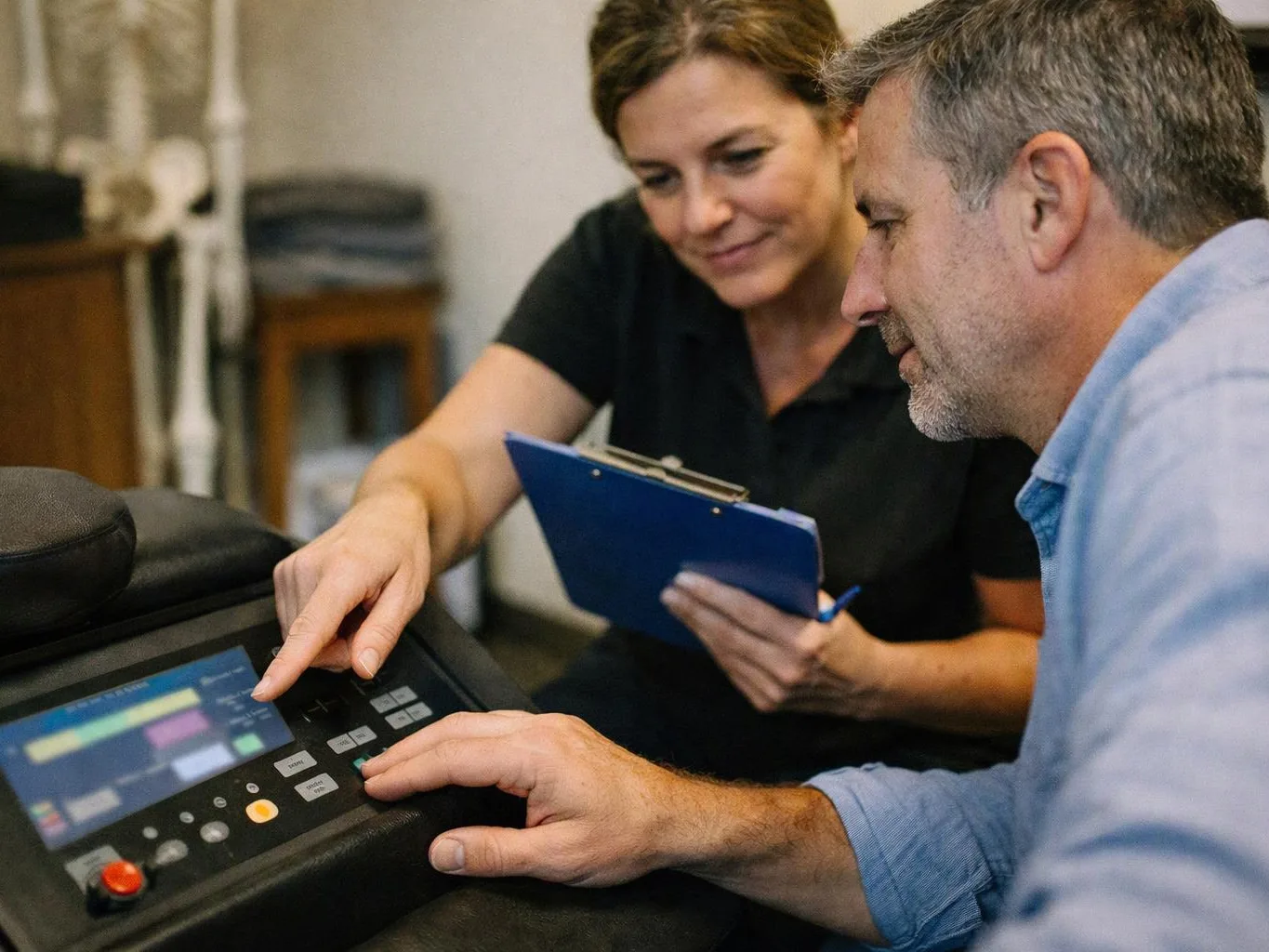
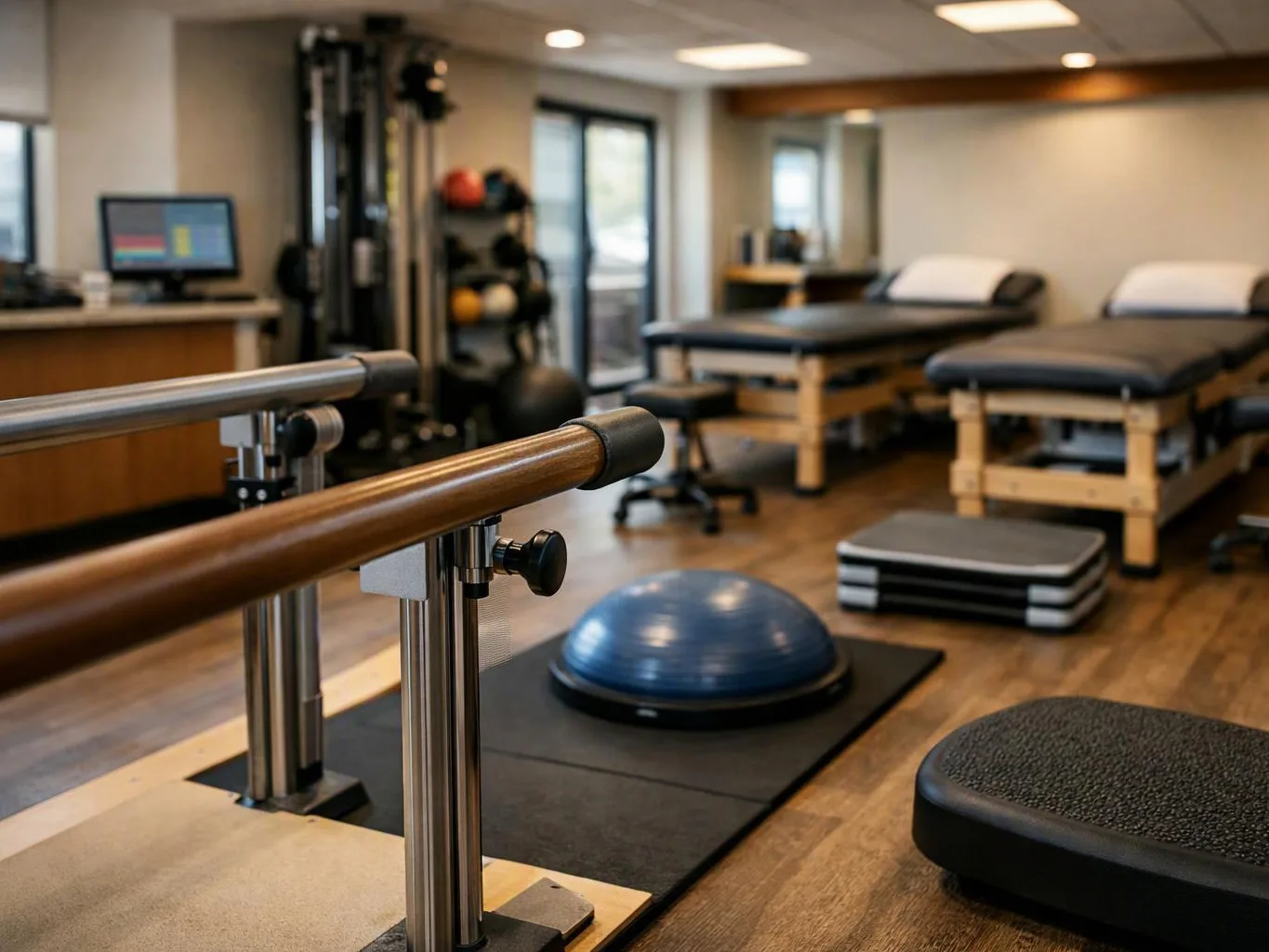

The health and wellness information on this website is for general informational purposes only and is not medical advice. It does not create a provider-patient relationship. Always consult a qualified licensed provider in Brentwood, Tennessee, United States about your specific condition before making care decisions. Individual results vary.
(615) 265-0412