What techniques are used for postural correction?
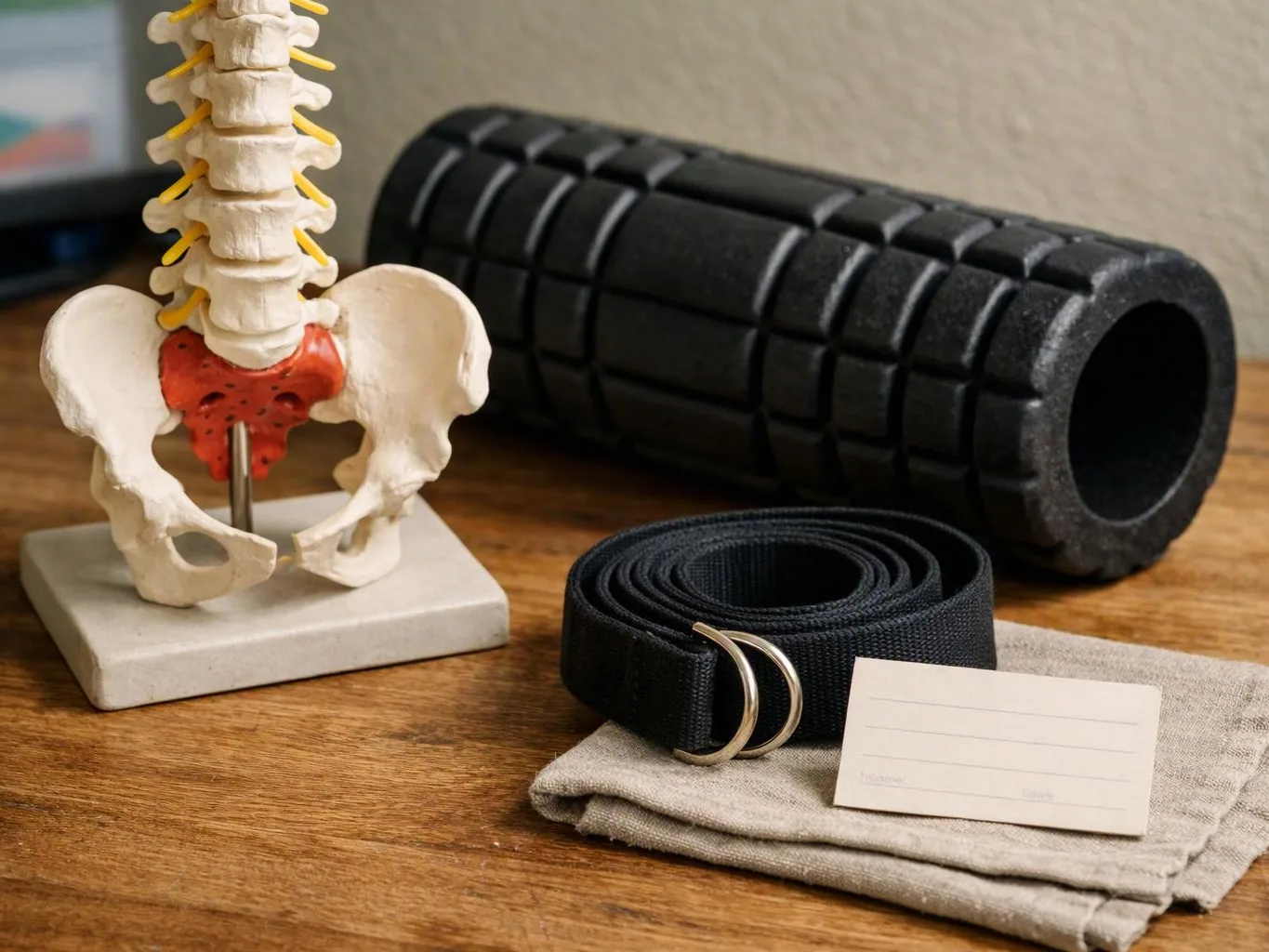
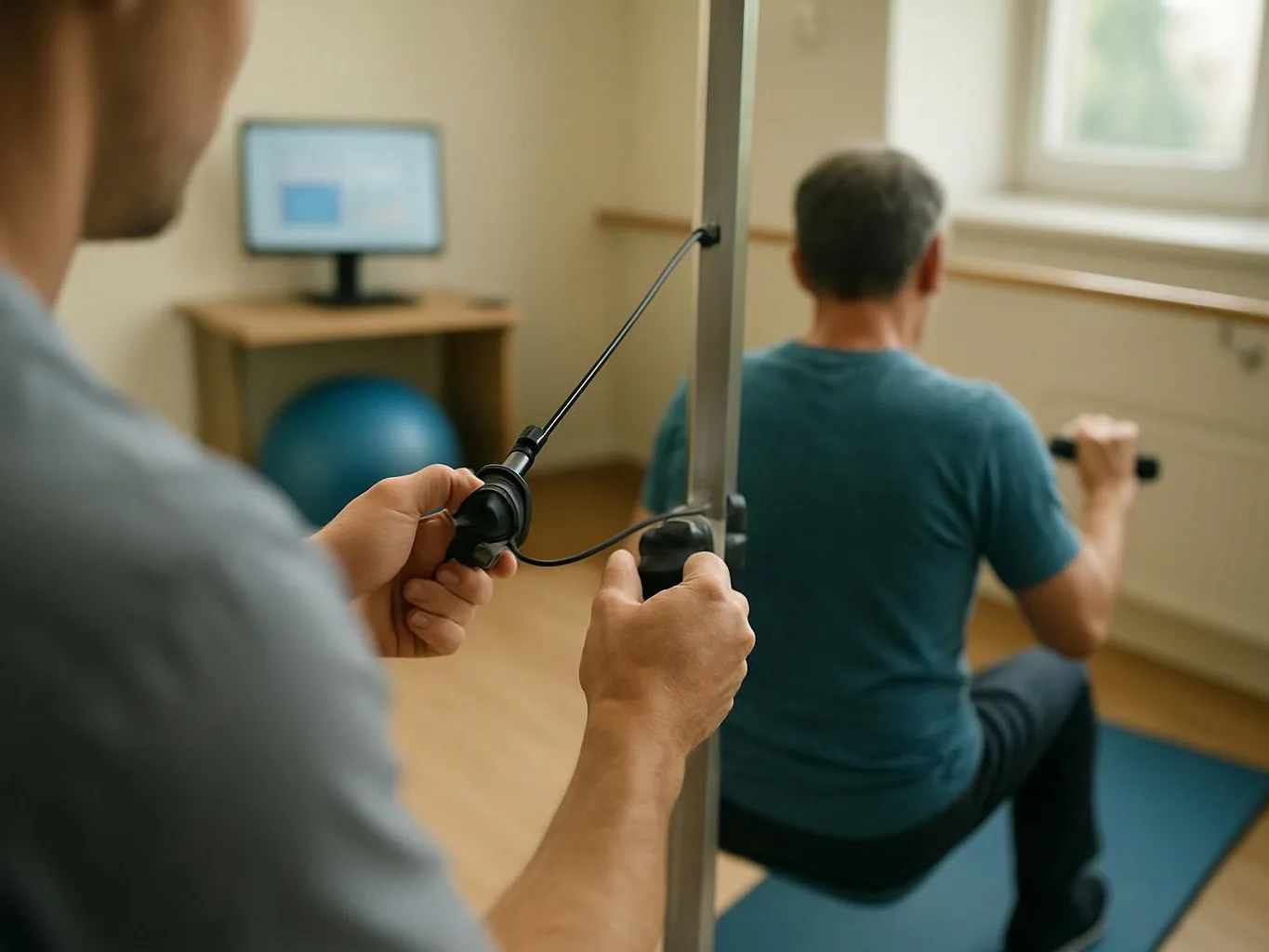
Stretching routines are one option, and Advanced Injury Care Clinic also uses manual adjustments, strength exercises, breathing drills, and posture education. The exam guides the choice of methods. Spinal decompression, massage therapy, or physical therapy may also fit when the patient's symptoms and findings support them. Individual response differs.
How does a postural care visit move from the first call to the last step?
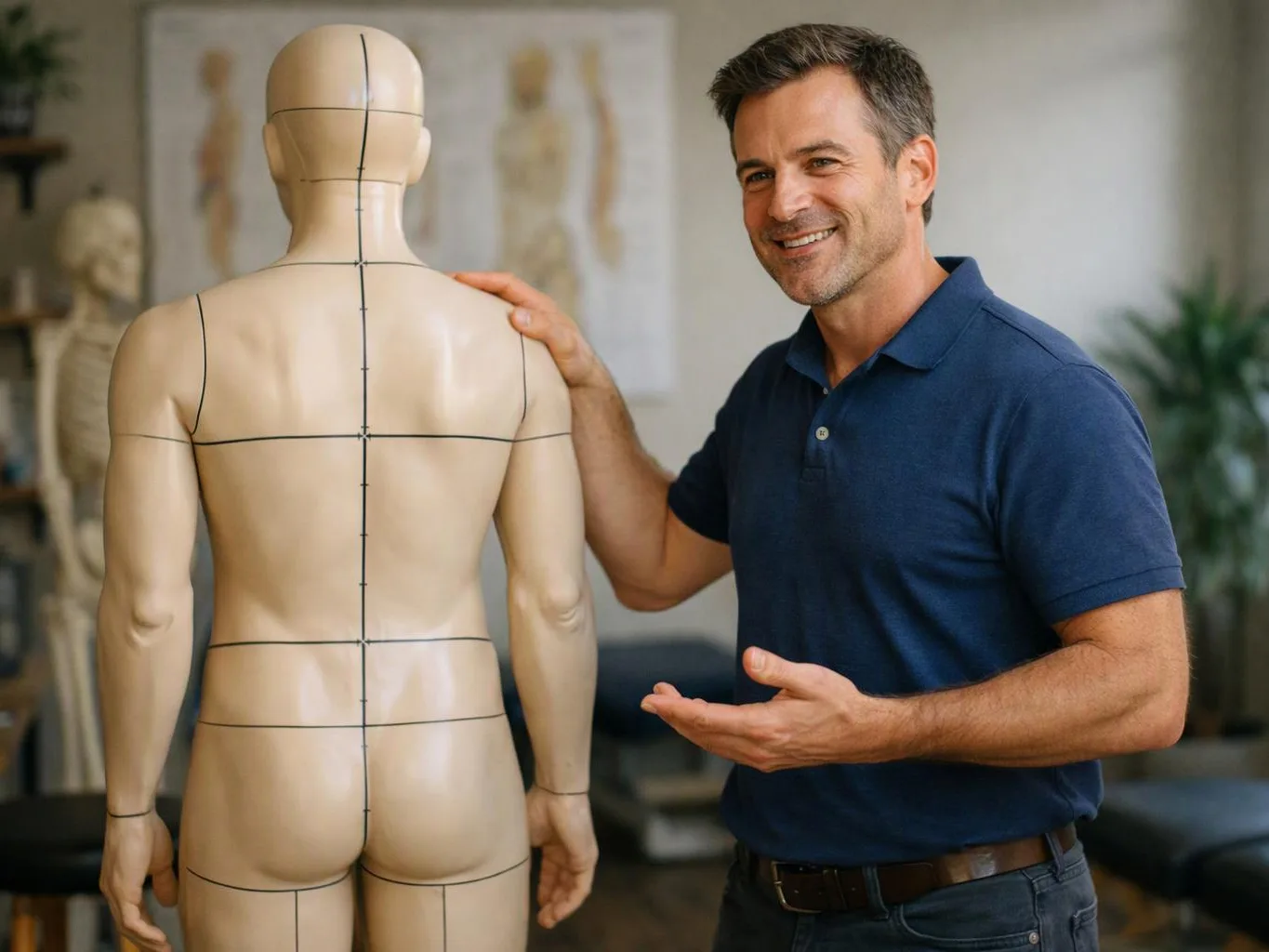
The visit begins with intake and a health history, then moves to an exam and report of findings. We discuss suitable care before creating a personalized treatment plan. Follow-up checks review movement, symptoms, and daily function. The plan can change when new findings or changing goals call for a different approach.
Which part of the body decides the scope of postural care?
Spinal motion, joint control, muscle strength, breathing mechanics, and painful movement help determine the scope. The exam also considers your work habits, exercise, and injury history. These findings guide the mix of adjustments, exercises, soft tissue therapy, and education. No single body area decides the plan by itself.
Which material changes how long postural care takes?
No material determines treatment time because postural care isn't a building or repair service. Symptoms, exam findings, treatment choices, home practice, and follow-up needs shape the care plan. A consultation gives you a clearer discussion of the steps that may fit your condition and goals.
What should I bring to my first chiropractic appointment?
Your symptom history, injury details, medication list, and relevant medical records can help the first visit. Bring questions about work, exercise, sleep, and movements that increase discomfort. We review the information during intake and explain whether more records or testing may help the assessment.
Should I choose adjustments or physical therapy for posture concerns?
The exam decides whether adjustments, physical therapy, or both fit your needs. Adjustments focus on joint motion, while physical therapy may build strength, control, and movement tolerance. Our team explains the difference after reviewing symptoms and goals. One method isn't automatically right for every patient.
When should posture concerns receive medical attention?
Sudden weakness, loss of balance, severe new pain, numbness, or trouble controlling movement needs prompt medical attention. Ongoing stiffness or discomfort can be discussed during a consultation when no urgent warning signs appear. We assess the concern and explain whether chiropractic care fits the situation.