
Skip to content

Physical Therapy in Lakewood, Tennessee

A safe gait training plan starts with a movement check in Lakewood. We offer a free consultation to discuss balance, strength, and daily activity goals.

Upfront, Transparent PricingServing 18 CommunitiesMon-Fri: 9 am–7 pm, Sat: 9 am–2 pm, Sun: ClosedFast Scheduling

Quick Summary: Movement Care in Lakewood, Tennessee

Physical Therapy in Lakewood is provided by Advanced Injury Care Clinic for walking changes, balance limits, weakness, and reduced mobility. Care includes individualized treatment plans, therapeutic exercises, and other non-invasive services across Lakewood, Williamson County, and the greater Nashville area.

  • What we do: Advanced Injury Care Clinic provides Physical Therapy in Lakewood, Tennessee, with movement checks, therapeutic exercises, balance work, and individualized treatment planning.
  • What is included: Gait training, strength training, balance work, stretching routines, chiropractic adjustments, massage therapy, and spinal decompression.
  • What you get: Physical Therapy helps you work toward steadier movement, better strength, and more comfortable daily activity.

Why does walking still feel unsteady after an injury?

Walking may stay unsteady when strength, balance, joint motion, or muscle control has not returned. Physical therapy checks these areas and builds exercises around the findings. Ongoing pain, weakness, or trouble with daily movement deserves an assessment. Sudden severe symptoms need medical attention before exercise begins.

Physical Therapy for Movement Goals in Lakewood, Tennessee

This page focuses on movement problems, not a single diagnosis. We assess how you stand, walk, turn, reach, and manage daily tasks after an injury or period of pain.

The main decision is whether your goals fit guided exercise and movement care. Back pain, neck pain, whiplash, sciatica, joint discomfort, and soft-tissue injuries may affect walking or balance, but each treatment plan starts with an individual exam.

A treatment plan may include gait training, strength work, balance drills, and stretching. Our team also explains how chiropractic adjustments, massage therapy, spinal decompression, or other non-invasive care may fit your needs.

  • Describe when walking, standing, turning, or climbing became difficult.
  • Bring details about an auto accident, workplace injury, sports injury, or daily pain.
  • Ask how movement findings will shape your personalized treatment plan.
  • Discuss home exercises and progress re-examination during your consultation.
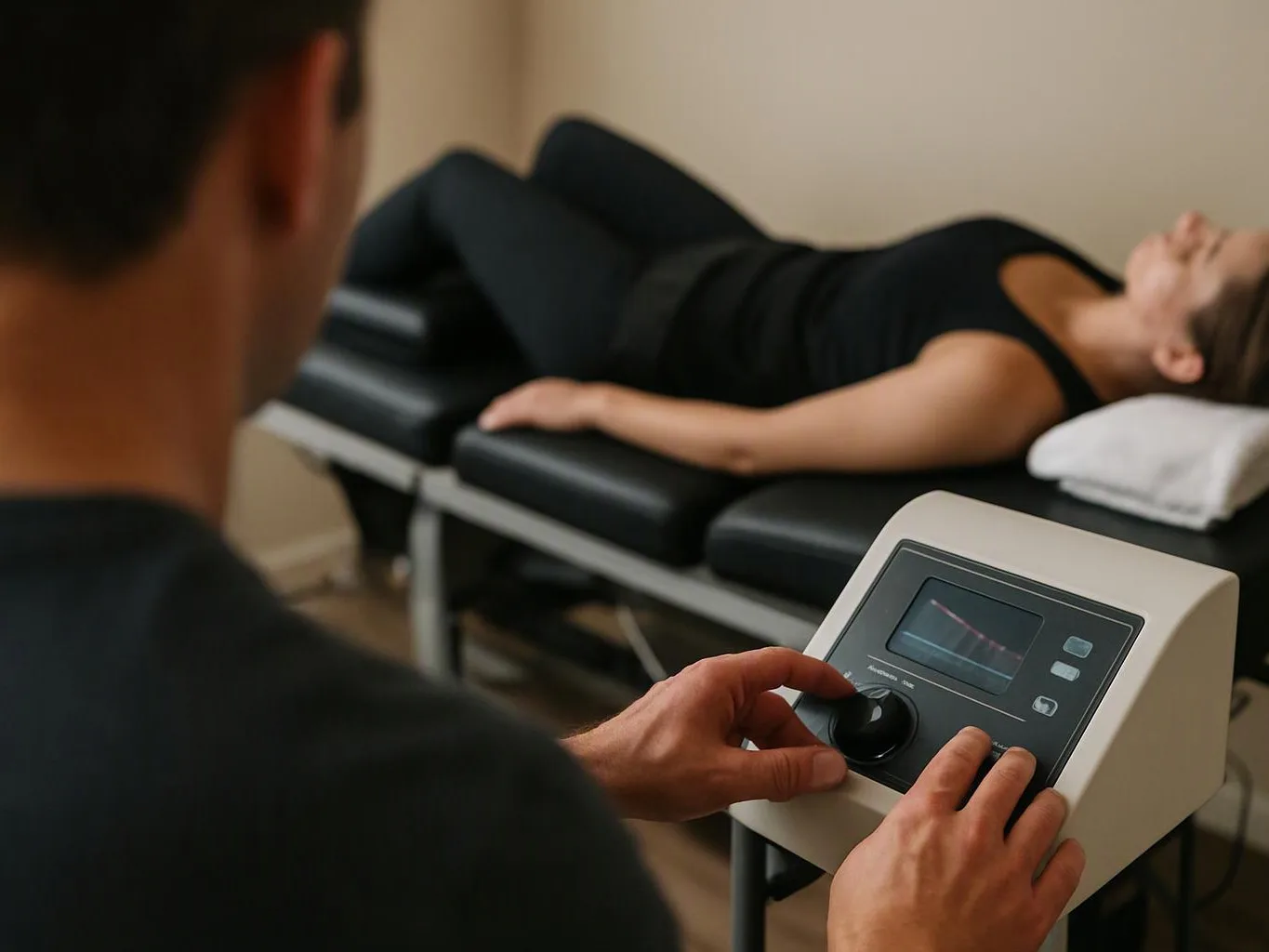
A therapist adjusts a treatment machine while a woman lies on a padded table in a clinic room

Service Overview

Physical therapy is a health service that uses movement, exercise, and hands-on care to improve function after injury or pain.

  • It differs from chiropractic care because it focuses on movement practice, strength, balance, and daily function, while chiropractic care may include spinal adjustments.
  • Our physical therapy team serves Lakewood and surrounding Williamson County communities through individualized care plans.

A client scenario this service addresses

A person recovering from a collision may walk cautiously because pain, weakness, or fear has changed their movement. We check balance, joint motion, and muscle control before choosing exercises, then explain whether physical therapy fits the next stage of care.

How We Approach Movement Care

Movement findings guide the plan

The exam looks at walking, balance, strength, and joint motion before exercises are chosen. We don't use the same routine for every patient.

Chiropractor-LED clinical care

Our care is chiropractor-led, and treatment planning stays centered on your symptoms, function, and recovery goals.

A clear fit decision

Physical therapy fits movement limits that respond to guided exercise and care. Severe or sudden symptoms may require medical evaluation before treatment begins.

Process

How We Build A Movement Treatment Plan

1

Review your injury and goals

The new patient intake covers your health history, symptoms, injury details, and daily movement concerns.

2

Check walking and movement control

We examine gait, balance, joint motion, flexibility, and strength to understand what limits your movement.

3

Choose targeted exercises

The personalized treatment plan may use strength training, balance work, stretching routines, and other therapeutic exercises.

4

Practice safe daily movement

We guide each exercise and connect it to tasks such as standing, turning, walking, or returning to activity.

5

Review progress and next steps

A progress re-examination helps us discuss changes in function and adjust care when your needs change.

What Movement-Focused Physical Therapy Includes

Advanced Injury Care Clinic provides comprehensive Physical Therapy in Lakewood. Here's what you get:

  • We complete a new patient intake and review your health history.
  • We examine joint motion, muscle control, balance, and walking patterns.
  • We build a personalized treatment plan around your movement goals.
  • We teach therapeutic exercises for strength, balance, and flexibility.
  • We review safe stretching routines that support daily activity.
  • We reassess progress and adjust care as your needs change.

What Better Movement Can Support

Guided exercises help you practice movement with clear direction.

Strength work may support steadier walking and easier daily tasks.

Balance drills address control during standing, turning, and transfers.

Stretching routines may improve movement when tight muscles limit function.

A tailored plan gives you a clearer path forward after an injury.

Choosing The Right Movement Focus

Each treatment focus addresses a different movement need, so the assessment guides the choice.

Movement focusWhat it addressesWhat we check
Strength trainingReduced muscle force during daily tasksMuscle control, joint motion, and task tolerance
Balance workUnsteady standing, turning, or walkingPosture, weight shifting, and control during movement
Stretching routinesTightness that limits joint motionFlexibility, comfort, and how tightness affects tasks

The Advanced Injury Care Clinic Standard

  • Thorough Assessments
  • Tailored Care Plans
  • Clear Explanations
  • Appropriate Techniques

Questions About Movement-Focused Care

How can gait training improve movement after an injury?

Gait training can improve walking control by practicing balance, foot placement, strength, and safe weight shifting. Our team checks how you walk before choosing drills. Exercises may address uneven steps, guarded movement, or trouble turning. Individual response differs, so the plan changes as your movement findings change.

What happens at each stage of physical therapy?

Physical therapy starts with an intake and movement exam, then moves into a tailored exercise plan and progress review.

  1. We review your history and goals.
  2. We check strength, balance, joint motion, and walking.
  3. We teach selected exercises and stretching.
  4. We reassess function and discuss next steps.

Which areas does the first movement check cover?

The first movement check covers walking patterns, balance, joint motion, flexibility, and muscle control. Your daily tasks also guide the assessment. We use those findings to choose exercises that fit your current ability. The exam helps separate a movement limit from a problem that needs another type of medical evaluation.

When should movement concerns be checked before scheduling care?

Movement concerns should be checked before scheduling care when weakness, pain, balance loss, or walking changes affect daily tasks. A consultation lets us review the symptoms and decide whether guided exercise fits. Sudden severe symptoms, major injury, or new loss of function needs medical attention before physical therapy begins.

Why might stretching alone not improve walking?

Stretching alone may not improve walking when weakness, balance loss, or poor movement control also limits function. We check these factors before building a plan. Strength training, balance work, and task practice may need to join stretching. Your exercises should match the movement problem found during assessment.

What should I bring to a first physical therapy consultation?

Bring injury details, a list of symptoms, current treatment information, and questions about daily movement. Records or imaging can help when they relate to the concern, but the assessment still focuses on your current function. Tell us which tasks feel painful, weak, unsafe, or harder than before.
Contact

Discuss Physical Therapy In Lakewood

Advanced Injury Care Clinic can discuss your movement goals, walking concerns, and treatment options in a free consultation. Call to ask about care that fits your needs.

A blue exercise ball sits beside resistance bands, a roll of white tape, and folded gray towels on a wooden table

The health and wellness information on this website is for general informational purposes only and is not medical advice. It does not create a provider-patient relationship. Always consult a qualified licensed provider in Brentwood, Tennessee, United States about your specific condition before making care decisions. Individual results vary.

(615) 265-0412