Skip to content

Physical Therapy in Kingston Springs, Tennessee

When joint pain needs movement work instead of adjustment care, physical therapy in Kingston Springs can focus on strength, balance, and function. Free consultations help you discuss your needs before treatment begins.

Upfront, Transparent PricingServing 18 CommunitiesMon-Fri: 9 am–7 pm, Sat: 9 am–2 pm, Sun: ClosedFast Scheduling

Quick Summary: Physical Therapy in Kingston Springs, Tennessee

Physical Therapy in Kingston Springs is provided by Advanced Injury Care Clinic for joint pain, muscle weakness, balance problems, and postoperative recovery. Care is available across Kingston Springs, Cheatham County, and the greater Nashville area, with plans shaped around each patient’s needs.

  • What we do: Advanced Injury Care Clinic provides Physical Therapy for patients in Kingston Springs, Tennessee, with care focused on movement, strength, balance, and recovery.
  • What is included: Assessment, therapeutic exercise, mobility work, balance training, and personalized treatment planning.
  • What you get: Patients receive a treatment plan that supports safer movement and better daily function.

What conditions can physical therapy treat in Kingston Springs, Tennessee?

Physical therapy may treat joint pain, muscle weakness, balance problems, and movement limits after surgery. Assessment helps determine which exercises and care steps fit the patient.

Physical Therapy for Kingston Springs Movement Needs

Physical therapy helps people who need better movement after pain, weakness, surgery, or a balance change. This page focuses on choosing care for those needs, not on a single injury type.

The first decision is whether guided rehabilitation matches your goal. Our team reviews your symptoms, movement, strength, and daily limits before discussing a personalized treatment plan. Care may include therapeutic exercises, soft tissue therapy, stretching, and balance work.

Physical therapy is not the right response for every concern. Severe or unexplained symptoms may need medical assessment outside this service, and we can help clarify the next step during a consultation.

  • Identify the movement or daily task that feels limited.
  • Share relevant surgery, injury, or health history during the intake.
  • Ask how exercises will be adjusted as strength and function change.
  • Discuss when progress should be reviewed.
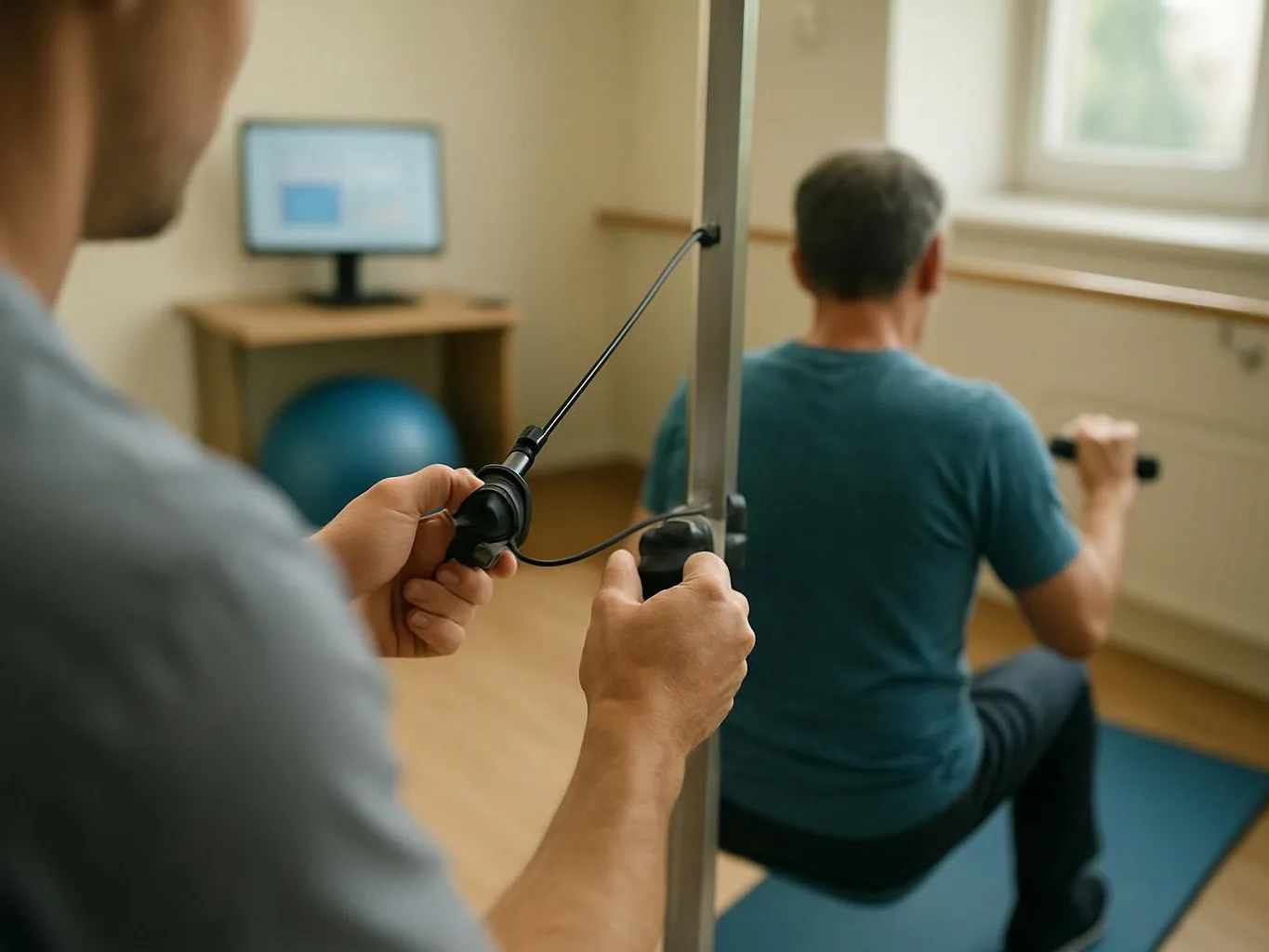
A therapist adjusts a cable machine while a man rows on a mat in a bright exercise room

Service Overview

Physical therapy is a health service that uses guided movement, exercise, and hands-on care to improve function.

  • Physical therapy builds movement skills and strength, while chiropractic care focuses on adjustments and related manual techniques.
  • Advanced Injury Care Clinic provides this care for patients in Kingston Springs and surrounding communities.

What Physical Therapy Includes for Your Recovery

Advanced Injury Care Clinic provides comprehensive Physical Therapy in Kingston Springs. Here's what you get:

  • A new patient intake records your health history, symptoms, and movement concerns.
  • A physical assessment reviews strength, mobility, balance, and functional limits.
  • Therapeutic exercises address weakness, control, and movement patterns.
  • Mobility work supports safer movement around affected joints and body regions.
  • A personalized treatment plan connects exercises to your daily activities.
  • Progress re-examination helps guide later changes to the plan.

A situation this service fits

A person in Kingston Springs may seek care after surgery, a fall, or a long period of reduced activity. Our team checks strength, balance, and movement control before choosing exercises, then explains how to request an assessment.

Why This Treatment May Fit Your Needs

Treatment starts with your function

Every plan begins with the task you want to do more comfortably. We connect the exam to that goal, then select exercises that match your current ability.

Care can address more than pain

Weakness, limited range of motion, poor balance, and reduced control can all shape treatment. A plan looks at how these issues affect daily movement.

A consultation clarifies the right service

Free consultations give you a chance to discuss your concern before treatment begins. Physical therapy may be the wrong fit when symptoms need urgent medical evaluation or a different type of care.

Process

How Physical Therapy Moves From Intake to Follow-Up

1

Complete the New Patient Intake

The intake records your health history, symptoms, surgery details, and main movement concerns.

2

Check Strength and Movement

The assessment reviews mobility, strength, balance, and the daily tasks that feel limited.

3

Build the Treatment Plan

We select therapeutic exercises, mobility work, or balance drills that match the findings and your goals.

4

Practice the Planned Movements

Guided sessions help you learn each exercise and understand how it supports daily function.

5

Review Progress and Adjust Care

A progress re-examination helps us decide whether exercises, movement goals, or follow-up care should change.

What This Care Can Change Day to Day

Guided exercises give you a clear way to work on strength and movement.

Balance training may support steadier walking and safer position changes.

A tailored plan connects treatment to tasks such as standing, reaching, or climbing steps.

Progress checks help show when exercises need to become easier, harder, or different.

Aftercare guidance can support continued practice between visits.

Choosing Care for Movement Concerns

This comparison shows how physical therapy differs from related care based on the main treatment focus.

Care optionMain focusWhen it may fit
Physical therapyStrength, movement, balance, and functionWeakness, postoperative limits, balance problems, or movement concerns
Chiropractic careAdjustments and related manual techniquesConcerns where chiropractic assessment and care are appropriate
Massage therapySoft tissue comfort and muscle tensionSoft tissue concerns that fit massage-based care

The Advanced Injury Care Clinic Standard

  • Thorough Assessments
  • Tailored Care Plans
  • Clear Explanations
  • Appropriate Techniques

Questions About Physical Therapy Care

What conditions can physical therapy treat?

Advanced Injury Care Clinic uses physical therapy for joint pain, muscle weakness, balance problems, and postoperative recovery. The first assessment looks at strength, movement, and daily function. Treatment may include therapeutic exercise, mobility work, soft tissue therapy, or balance training. Individual response differs, so the plan changes when progress or symptoms call for it.

How does a visit move from the first call to the last step?

The visit process moves from intake to assessment, treatment planning, guided exercise, and progress review. Health history and current symptoms shape the first assessment. Later sessions focus on the movements tied to your goals. Follow-up checks help our team adjust exercises when your strength, balance, or function changes.

Which part of care changes how long treatment takes?

The condition, starting strength, surgical instructions, and progress needs can change the treatment schedule. Postoperative recovery may require different movement limits than weakness from reduced activity. Our team reviews progress during care and explains when the plan needs adjustment. We don’t promise a fixed treatment length.

How does muscle weakness affect the treatment plan?

Muscle weakness changes the exercise level, movement support, and progress goals. The assessment shows which muscles need work and which tasks feel difficult. Early exercises may focus on control and safe form before adding more challenge. Our team updates the plan as movement becomes stronger or more stable.

When should balance problems be assessed?

Balance problems should be assessed when they affect walking, transfers, turns, or confidence during daily tasks. A physical assessment checks strength, control, and movement patterns. Balance training may support safer practice when the findings fit this service. New or severe symptoms may require medical evaluation before treatment.

What should I bring to the first appointment?

Bring relevant health history, surgery details, medication information, and a list of movement concerns. These details help our team understand your current limits. Wear clothing that allows comfortable movement during the assessment. You can also note which daily tasks feel hardest, such as walking, standing, or reaching.

How do I know whether physical therapy fits my concern?

Physical therapy fits concerns involving weakness, limited movement, balance changes, or recovery after a procedure. An assessment confirms whether guided exercise and rehabilitation match your needs. Kingston Springs patients can discuss their symptoms during a consultation. Urgent or unexplained symptoms may need another medical service first.

Contact

Discuss Physical Therapy in Kingston Springs

If you’re dealing with weakness, balance problems, or recovery limits in Kingston Springs, Advanced Injury Care Clinic can discuss your needs and outline a clear path forward. Request a Free Consultation to begin the conversation.

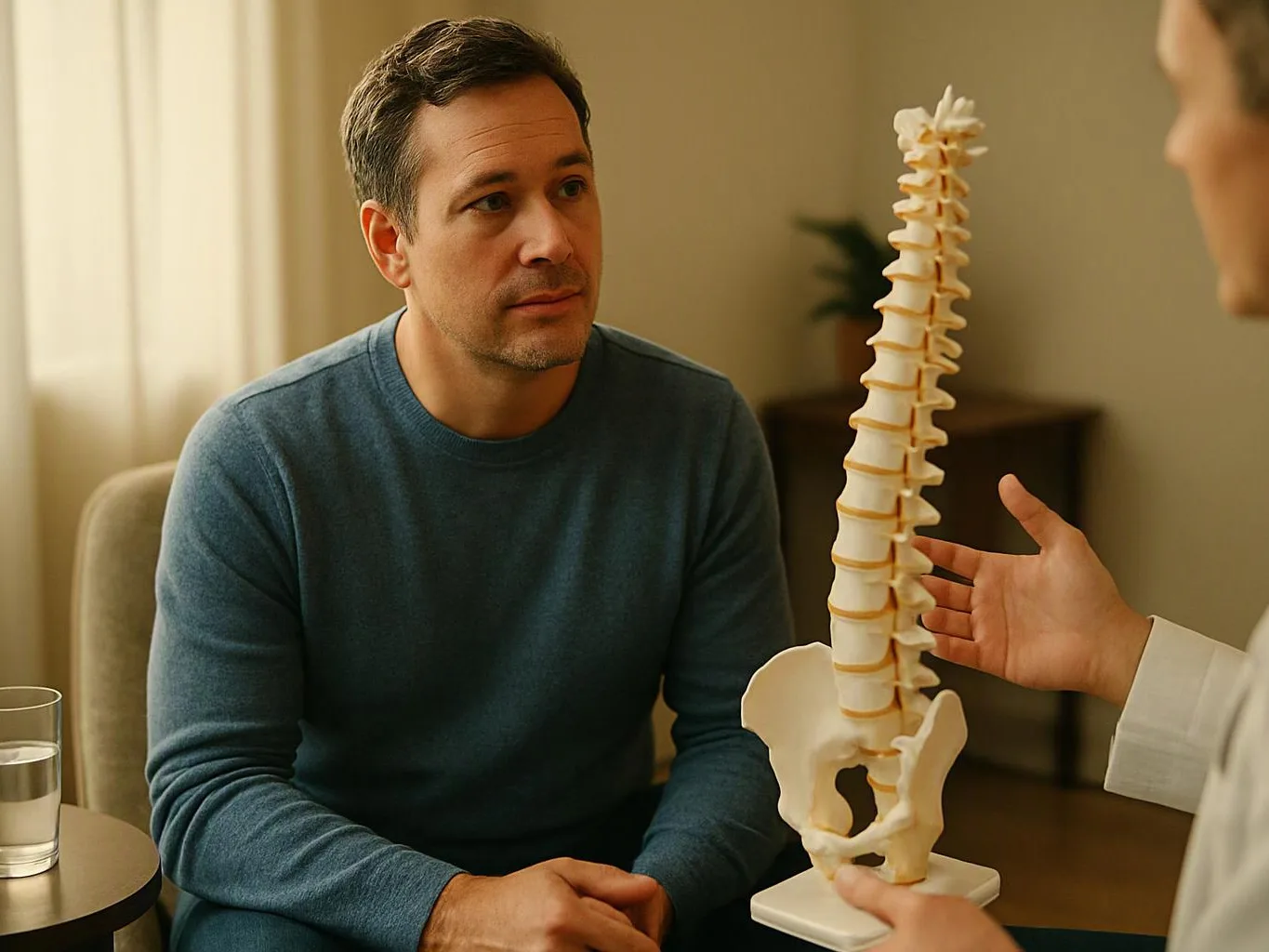
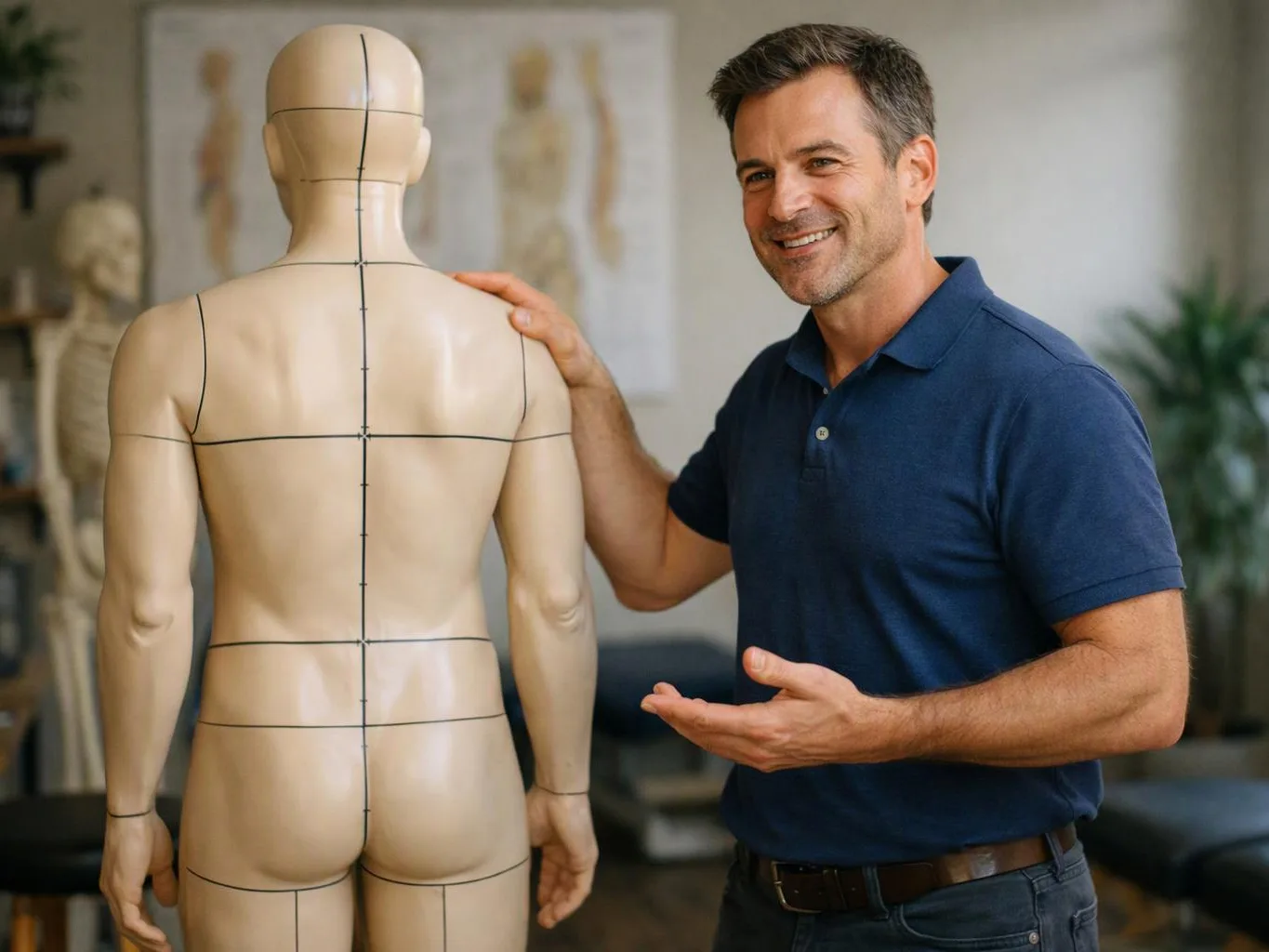
A man sits while a clinician gestures beside a spine model in a bright exam room

ZIP Codes We Serve in Kingston Springs, Tennessee

37082

The health and wellness information on this website is for general informational purposes only and is not medical advice. It does not create a provider-patient relationship. Always consult a qualified licensed provider in Brentwood, Tennessee, United States about your specific condition before making care decisions. Individual results vary.

(615) 265-0412