
Skip to content

Spinal Decompression Therapy in Kingston Springs, Tennessee

When a comfortable harness needs adjustment or replacement, we check fit before treatment in Kingston Springs. Free consultations help you discuss your symptoms and care options.

Upfront, Transparent PricingServing 18 CommunitiesMon-Fri: 9 am–7 pm, Sat: 9 am–2 pm, Sun: ClosedFast Scheduling

Quick Summary: Spinal Decompression Therapy in Kingston Springs, Tennessee

Spinal Decompression Therapy in Kingston Springs is provided by Advanced Injury Care Clinic for back pain, neck pain, sciatica, and related concerns. We serve Kingston Springs, Brentwood, surrounding Williamson County communities, and the greater Nashville area with personalized treatment planning.

  • What we do: Advanced Injury Care Clinic provides spinal decompression therapy for patients in Kingston Springs, Tennessee.
  • What is included: We assess symptoms, review health history, plan care, and provide spinal decompression therapy.
  • What you get: The treatment plan sets a suitable path for supporting movement and managing discomfort.

Why does back pain keep returning after activity in Kingston Springs, Tennessee?

Recurring back pain can reflect irritation, limited movement, or a disc concern. A clinical exam helps determine whether spinal decompression therapy fits or another treatment should come first.

Working With Our Team in Kingston Springs

Spinal decompression therapy focuses on controlled traction for people with back pain, neck pain, sciatica, or disc-related concerns. The goal is to support mobility and reduce discomfort through a plan based on your exam and health history.

This page helps you decide whether traction-based care fits your needs. It doesn't replace an assessment, and it isn't the right choice for every symptom. Our team may discuss chiropractic adjustments, physical therapy, massage therapy, or therapeutic exercises when those options better match your condition.

Patients from Kingston Springs can request an assessment through Advanced Injury Care Clinic. A clear treatment plan matters because symptoms, prior injuries, and response to care all shape the next step.

  • Ask whether your symptoms fit traction-based care.
  • Share prior injuries, health conditions, and current symptoms during the intake.
  • Discuss how spinal decompression therapy fits with adjustments, exercises, or massage therapy.
  • Review follow-up needs during progress re-examinations.
Two men sit talking in a gym, one holding a clipboard and pen while the other listens across a table

Service Overview

Spinal decompression therapy is a non-invasive treatment that uses gentle traction to reduce pressure through the spine.

  • It differs from chiropractic adjustments because it uses controlled traction instead of a quick manual movement.
  • Advanced Injury Care Clinic provides this care for patients in Kingston Springs and nearby service areas.

What Spinal Decompression Therapy May Change

Controlled traction may help some patients move more comfortably.

A focused plan may support people managing back pain, neck pain, or sciatica.

The treatment gives your care plan a non-invasive option for disc-related symptoms.

Regular maintenance may support ongoing function when it fits your clinical needs.

Results vary, so progress is reviewed instead of assumed.

Process

How We Provide Spinal Decompression Therapy

1

Complete the new patient intake

We collect your health history, symptoms, prior injuries, and current concerns before treatment planning begins.

2

Review movement and symptom patterns

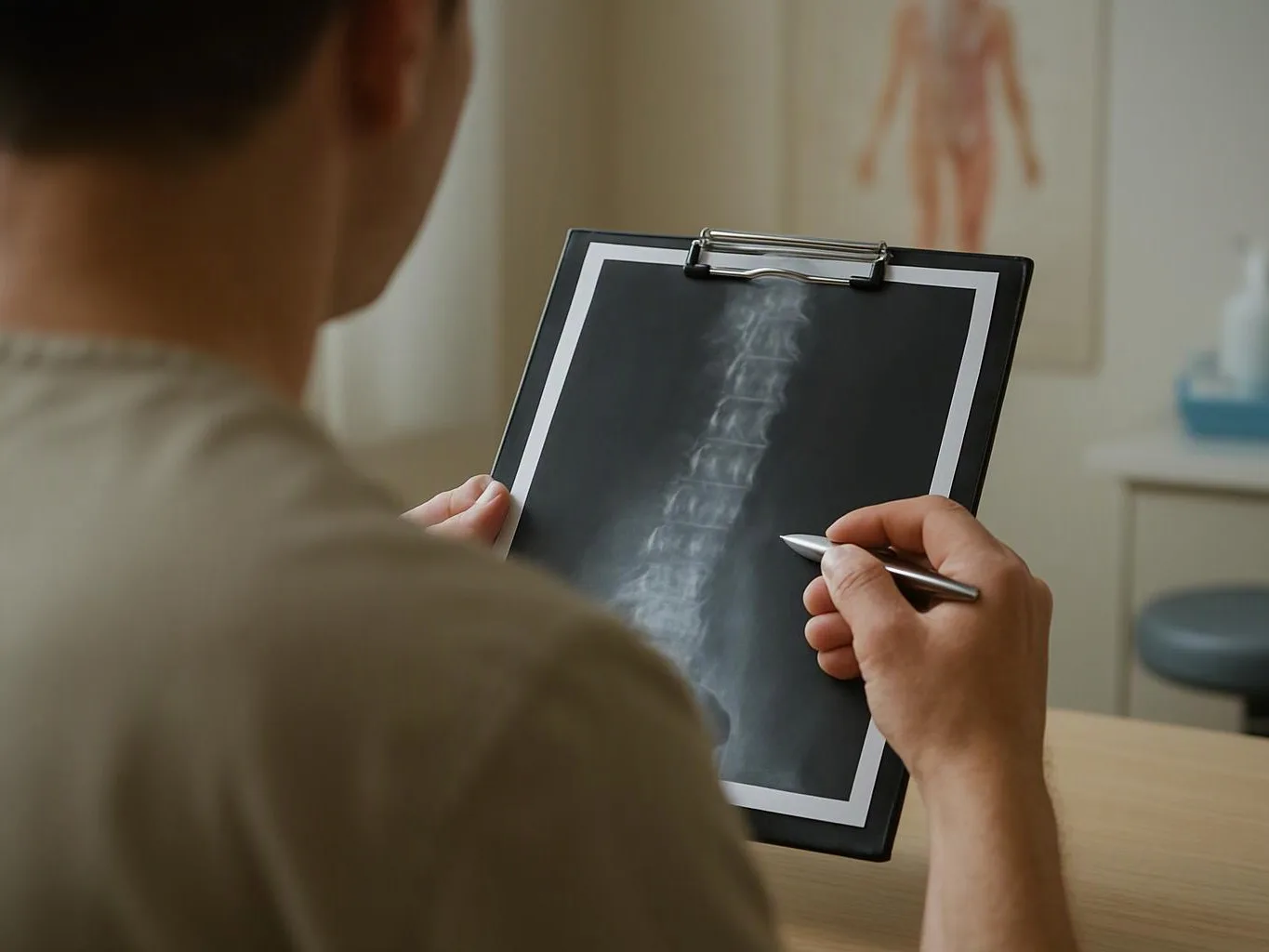
The exam looks at movement limits and symptom behavior. X-rays may be discussed if clinically indicated.

3

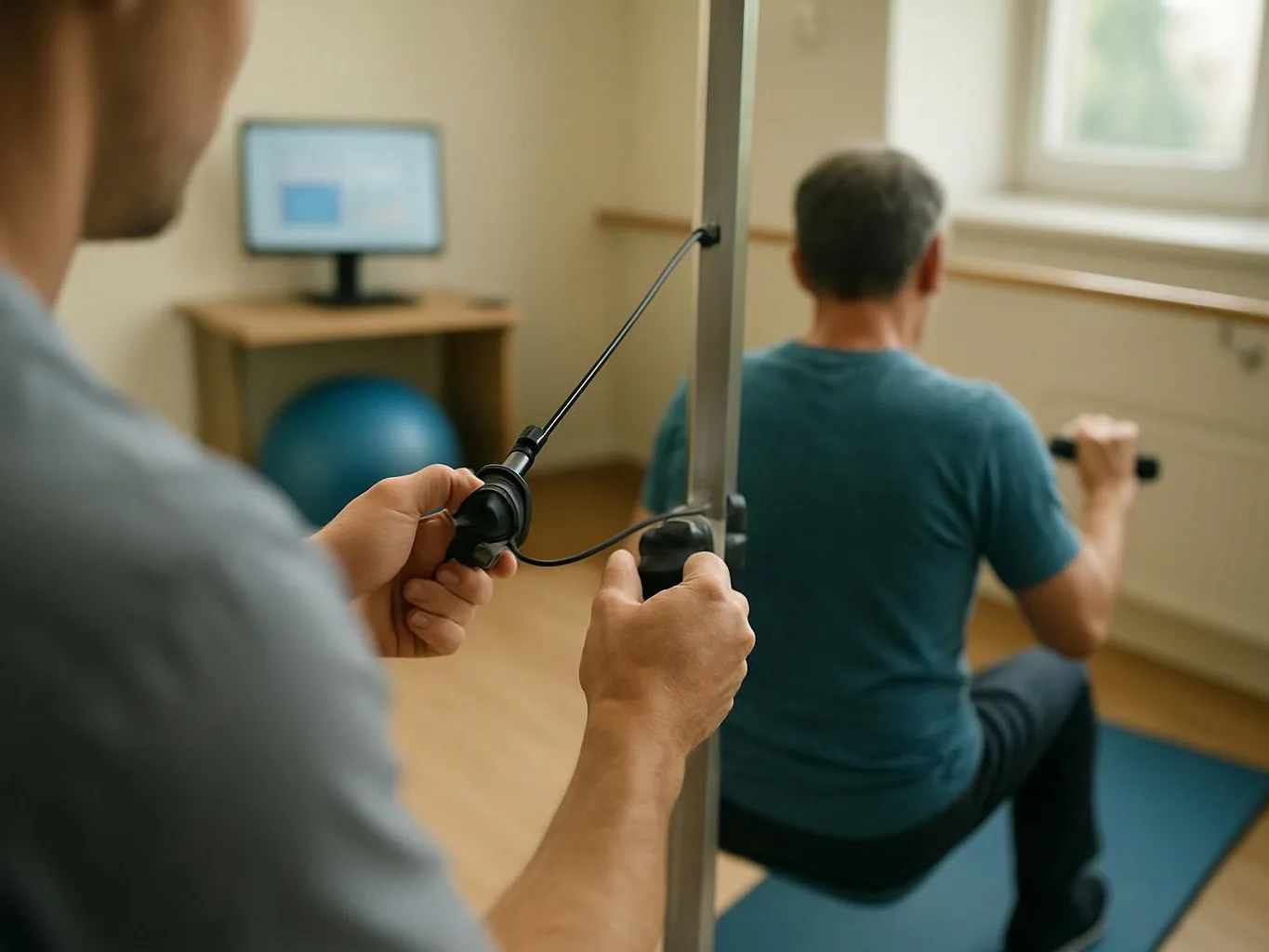
Check the comfortable harness

We check the harness fit before guided traction. A proper fit supports a controlled and comfortable treatment setup.

4

Apply gradual traction

The spinal decompression table provides controlled traction according to the treatment plan. Individual response differs.

5

Review progress and next steps

Follow-up care reviews your response and helps us decide whether to continue, adjust, or change the treatment approach.

What Patients Get From This Treatment

A fit check before traction

The initial exam helps determine whether spinal decompression therapy suits your symptoms. Severe or unexplained symptoms may require another form of care or medical evaluation first.

Care shaped around your history

Your health history, injury details, and movement limits guide the treatment plan. That review helps connect traction with adjustments, exercises, or soft tissue therapy when appropriate.

A measured follow-up plan

Progress re-examinations give us a chance to review comfort and function. We use those findings to discuss the next stage of care.

What Spinal Decompression Therapy Includes

Advanced Injury Care Clinic provides comprehensive Spinal Decompression Therapy in Kingston Springs. Here's what you get:

  • We begin with a new patient intake, health history, and physical exam.
  • We review your symptoms and movement limits before choosing a treatment approach.
  • We explain how controlled traction may fit your personalized treatment plan.
  • We provide spinal decompression therapy through a non-invasive, guided process.
  • We discuss progress during follow-up visits and adjust care when clinically appropriate.

Choosing a Treatment Approach

These options differ by the main method used and the concerns they may address.

Treatment approachMain methodWhen it may fit
Spinal decompression therapyControlled tractionSelected back, neck, sciatica, or disc-related concerns
Chiropractic adjustmentsManual joint movementSome movement restrictions and musculoskeletal concerns
Physical therapyTherapeutic exercise and movement trainingStrength, mobility, and function goals

The Advanced Injury Care Clinic Standard

  • Thorough Assessments
  • Tailored Care Plans
  • Clear Explanations
  • Appropriate Techniques

Questions About Spinal Decompression Therapy

What should I expect during spinal decompression therapy?

A comfortable harness supports your position while the table provides guided traction. We first review your health history and symptoms, then check the fit and explain the treatment plan. The process is non-invasive, and individual response differs. Follow-up visits help us review comfort and movement before planning further care.

Who is a good fit for spinal decompression therapy, and who needs a different service?

Patients with selected back pain, neck pain, sciatica, or disc-related symptoms may fit this approach. The intake and exam determine suitability. Severe, unexplained, or changing symptoms may need medical evaluation or another treatment path. We discuss adjustments, physical therapy, massage therapy, or exercises when they better match your needs.

What happens at each stage of spinal decompression therapy?

The treatment follows an assessment, setup, traction, and follow-up sequence.

  1. We review your health history and symptoms.
  2. We assess movement and treatment fit.
  3. We position you and apply guided traction.
  4. We review your response and discuss next steps.

What does the team look at first during spinal decompression therapy?

The first review covers your symptoms, health history, prior injuries, and movement limits. X-rays may be considered if clinically indicated. These findings help us decide whether traction fits your care plan. They also help identify when adjustments, exercises, or another service should guide treatment.

Which symptoms may lead someone to ask about this treatment?

Back pain, neck pain, sciatica, whiplash, and some disc-related concerns may lead patients to ask about traction-based care. Symptoms alone don't decide suitability. Our exam considers movement, health history, and prior injury details before we recommend a treatment approach.

Why might spinal decompression therapy not be the right choice?

Spinal decompression therapy may not fit symptoms that need urgent medical evaluation or a different treatment approach. The intake and exam help us identify that limit. We may discuss physical therapy, chiropractic adjustments, therapeutic exercises, or referral for medical assessment when those options better fit the findings.

How does the treatment plan change after a follow-up exam?

A follow-up exam compares your symptoms and movement with the earlier assessment. We may continue the plan, adjust the approach, or discuss another service based on those findings. Individual response differs, so treatment decisions follow your clinical progress instead of a fixed promise.
Contact

Discuss Spinal Decompression Therapy in Kingston Springs

Advanced Injury Care Clinic offers free consultations for patients considering spinal decompression therapy in Kingston Springs. After you reach out, we’ll discuss your symptoms, review what to bring, and arrange the next assessment step without promising a specific result or timeframe.

A person studies a spine X-ray on a clipboard in a clinic room

ZIP Codes We Serve in Kingston Springs, Tennessee

37082

Spinal Decompression Therapy in Other Areas

The health and wellness information on this website is for general informational purposes only and is not medical advice. It does not create a provider-patient relationship. Always consult a qualified licensed provider in Brentwood, Tennessee, United States about your specific condition before making care decisions. Individual results vary.

(615) 265-0412