Skip to content

Spinal Decompression Therapy in Thompson's Station, Tennessee

Nerve compression questions deserve a careful review in Thompson's Station. We offer free consultations to discuss whether spinal decompression therapy fits your needs.

Upfront, Transparent PricingServing 18 CommunitiesMon-Fri: 9 am–7 pm, Sat: 9 am–2 pm, Sun: ClosedFast Scheduling

Quick Summary: spinal decompression therapy in Thompson's Station, Tennessee

Spinal Decompression Therapy in Thompson's Station is provided by Advanced Injury Care Clinic for back pain, disc herniation, nerve compression, and related leg symptoms. We serve Thompson's Station and surrounding Williamson County communities with personalized chiropractic care and free consultations.

  • What we do: Advanced Injury Care Clinic provides spinal decompression therapy for Thompson's Station patients with back pain, disc concerns, and related leg symptoms.
  • What is included: We assess symptoms, review health history, discuss spinal decompression, and build individualized chiropractic care plans.
  • What you get: The patient receives a clear treatment decision based on symptoms, examination findings, and personal recovery needs.

Can spinal decompression help with herniated discs and leg symptoms?

Nerve compression from a herniated disc may respond to spinal decompression, but suitability depends on the examination and the patient’s symptoms. Advanced Injury Care Clinic reviews back pain, leg symptoms, health history, and clinical findings before recommending care.
Spinal Decompression Therapy for Nerve Compression in Thompson's Station

This service focuses on people with disc herniation, back pain, or leg symptoms that may relate to nerve compression. The key decision is whether controlled traction fits the findings from a health history and exam.

Spinal decompression therapy isn't right for every condition. Our team explains when chiropractic adjustments, physical therapy, massage therapy, or therapeutic exercises may better match your needs. Results vary, and a clear plan starts with a careful assessment.

  • Review the main symptom, such as back pain, leg symptoms, or sciatica.
  • Discuss whether disc herniation or another condition may relate to the symptoms.
  • Check whether spinal decompression fits the examination findings.
  • Compare decompression with adjustments, physical therapy, or soft tissue therapy.
  • Set a personalized treatment plan and a follow-up review.
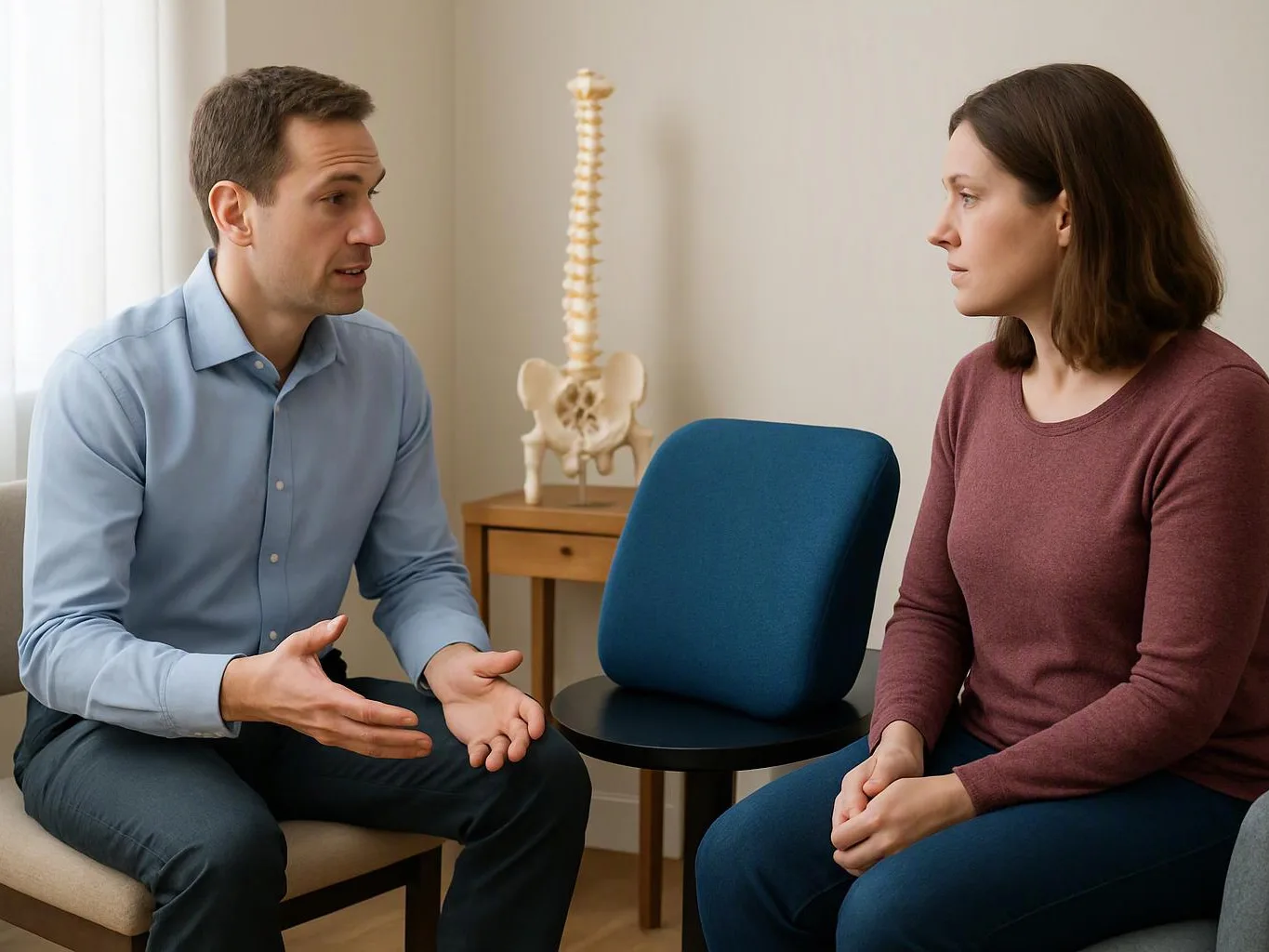
A man gestures while talking to a seated woman in a clinic room with a spine model behind them

Service Overview

Spinal decompression therapy is a non-invasive treatment that applies controlled traction to reduce pressure through the spine.

  • It differs from chiropractic adjustments because it uses a decompression table and traction instead of a hands-on joint adjustment.
  • Advanced Injury Care Clinic provides this care for Thompson's Station patients and surrounding Williamson County communities.

How We Help You Decide if Decompression Fits

Assessment before treatment

A health history and exam guide the treatment choice. The first visit focuses on symptoms, function, and clinical findings before we discuss a decompression table.

Care that matches the condition

Disc herniation, sciatica, and general back pain can present in different ways. Our team may combine spinal decompression with exercises, adjustments, or soft tissue therapy when those options fit.

A clear limit to the service

Spinal decompression is the wrong choice when the examination points to a condition that needs another form of care or medical evaluation.

Personalized treatment planning

Chiropractor-led clinical care connects the assessment to a plan that reflects your symptoms, goals, and response to treatment.

Process

How We Plan and Provide Spinal Decompression Care

1

Complete the new patient intake

We record your health history, main symptoms, prior injuries, and daily movement concerns.

2

Examine the symptom pattern

We assess back pain, leg symptoms, movement, and other findings that may affect treatment choice.

3

Discuss the decompression method

We explain controlled traction and how a spinal decompression table may fit the findings.

4

Build the treatment plan

We outline a personalized plan that may include decompression, adjustments, exercises, or other non-invasive care.

5

Review progress and fit

We check how your symptoms and function respond, then discuss the next treatment decision.

What Spinal Decompression Therapy Includes for Disc-Related Symptoms

Advanced Injury Care Clinic provides comprehensive Spinal Decompression Therapy in Thompson's Station. Here's what you get:

  • We begin with a new patient intake, health history, and physical examination.
  • We review how back pain, leg symptoms, or sciatica affect daily activities.
  • We discuss controlled traction on a spinal decompression table when it fits the assessment.
  • We explain how decompression differs from chiropractic adjustments and other non-invasive care.
  • We create a personalized treatment plan based on the patient’s needs.
  • We review progress and adjust the plan when the clinical picture changes.

What Spinal Decompression May Change for Your Daily Movement

Controlled traction may help reduce pressure-related discomfort for some patients.

A focused plan gives you a clearer path for managing back pain and leg symptoms.

The treatment can fit within broader care that includes exercises, adjustments, or massage therapy.

Care focuses on helping you move more comfortably during daily activities.

A progress re-examination helps determine whether the current approach still fits your needs.

How Decompression Differs From Related Chiropractic Care

The table compares common treatment approaches by method and purpose.

Treatment approachHow it worksWhen it may fit
Spinal decompressionUses controlled traction on a decompression tableMay fit selected disc-related symptoms after assessment
Chiropractic adjustmentUses a targeted hands-on joint techniqueMay fit joint movement concerns within a care plan
Therapeutic exerciseUses guided movement and strengthening activitiesMay support function and movement control

The Advanced Injury Care Clinic Standard

  • Thorough Assessments
  • Tailored Care Plans
  • Clear Explanations
  • Appropriate Techniques

Questions About Spinal Decompression and Disc Symptoms

Can spinal decompression help with a herniated disc?

Nerve compression from a herniated disc may respond to spinal decompression, but an examination must guide the decision. Advanced Injury Care Clinic reviews symptoms, movement, and health history before recommending care. Individual response differs. The plan may include decompression, exercises, adjustments, or another non-invasive option.

How does a visit move from the first call to the last step?

The visit moves from consultation to assessment, treatment planning, and progress review. The process includes:

  1. Discuss symptoms and health history.
  2. Complete an examination.
  3. Review whether controlled traction fits.
  4. Set a personalized plan.
  5. Review progress and next steps.

Our team explains each stage before care begins.

Which part of the treatment changes how long care takes?

The treatment plan changes the time needed because symptoms, examination findings, and added services differ by patient. A plan that includes exercises or massage therapy may involve different visits than decompression alone. We discuss the expected treatment structure after the assessment, without promising a fixed timeframe.

What makes spinal decompression different from an adjustment?

A decompression table uses controlled traction, while an adjustment applies a specific hands-on force to a joint. Both approaches can have different roles in a chiropractic plan. Our team compares the methods after reviewing your symptoms and examination findings. The chosen approach must fit the condition and your comfort.

When should someone ask about decompression for leg symptoms?

Leg symptoms that begin with back pain are a reason to request an assessment before choosing treatment. Sciatica, tingling, or pain that travels down the leg can have different causes. We review the pattern, movement, and health history, then explain whether decompression or another option fits the findings.

Why might exercises be part of a decompression plan?

Therapeutic exercises may support movement and function after the assessment identifies a suitable role for them. Exercises can address strength, control, or daily movement needs that table-based care alone may not cover. Our team selects activities that match the treatment plan and reviews how your body responds.
Contact

Discuss Spinal Decompression Therapy in Thompson's Station

Advanced Injury Care Clinic offers free consultations for people considering spinal decompression therapy in Thompson's Station. Share your symptoms so we can discuss an assessment and a care plan that fits your needs.

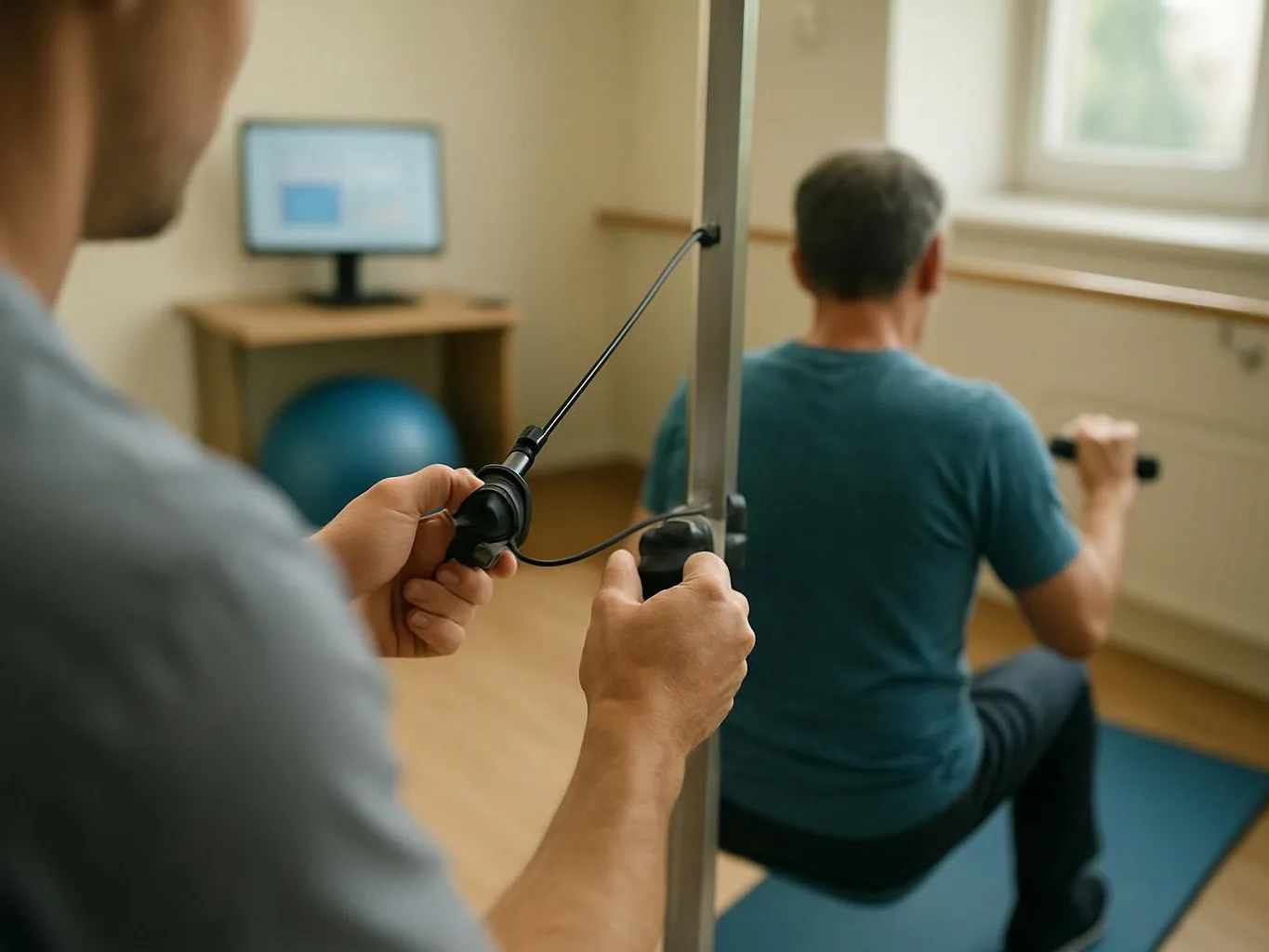
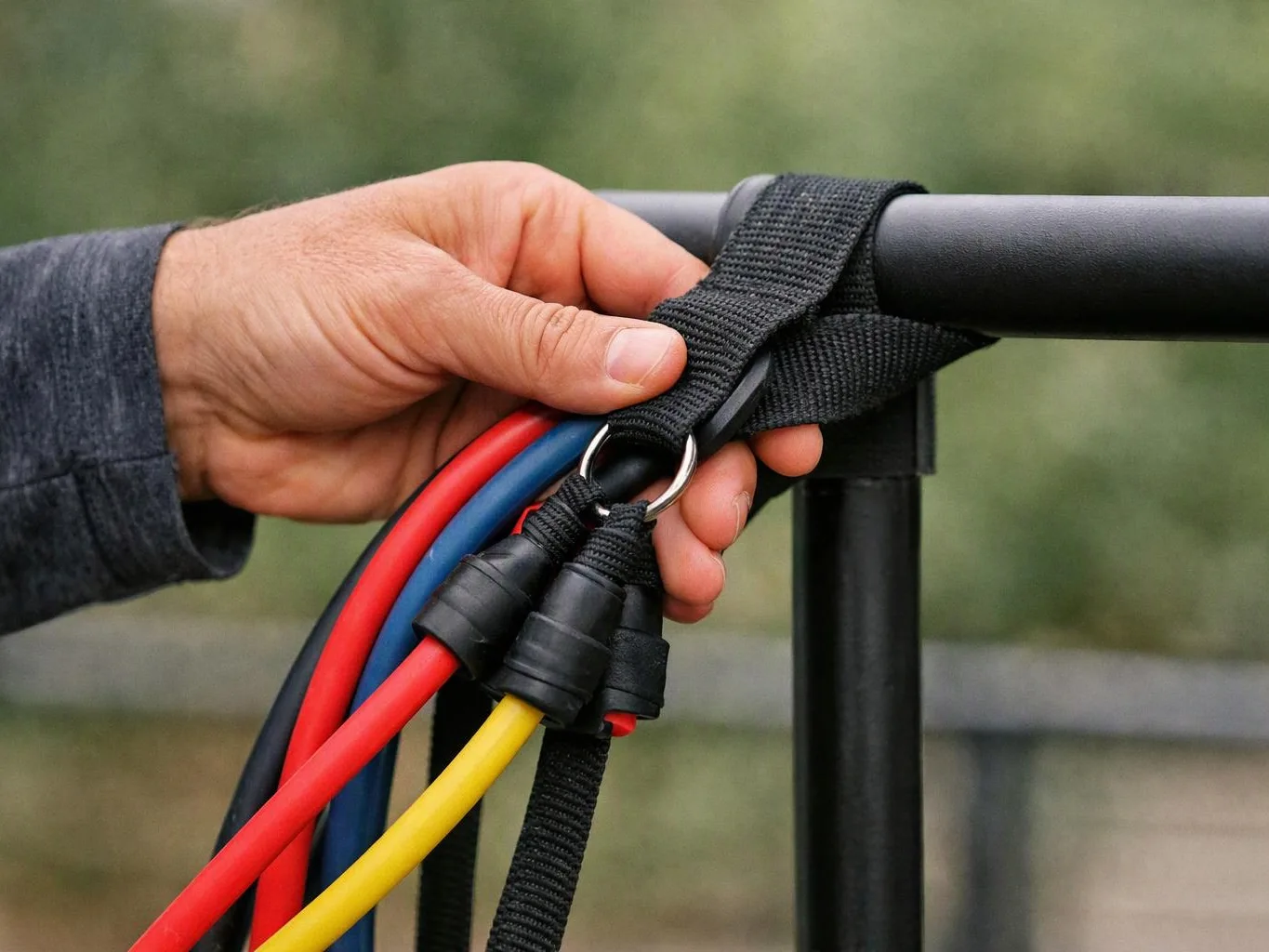
A hand grips a black strap holding red, blue, and yellow resistance bands on a metal rail

Other Services in Thompson's Station

Spinal Decompression Therapy in Other Areas

The health and wellness information on this website is for general informational purposes only and is not medical advice. It does not create a provider-patient relationship. Always consult a qualified licensed provider in Brentwood, Tennessee, United States about your specific condition before making care decisions. Individual results vary.

(615) 265-0412