How is a sports injury evaluated?
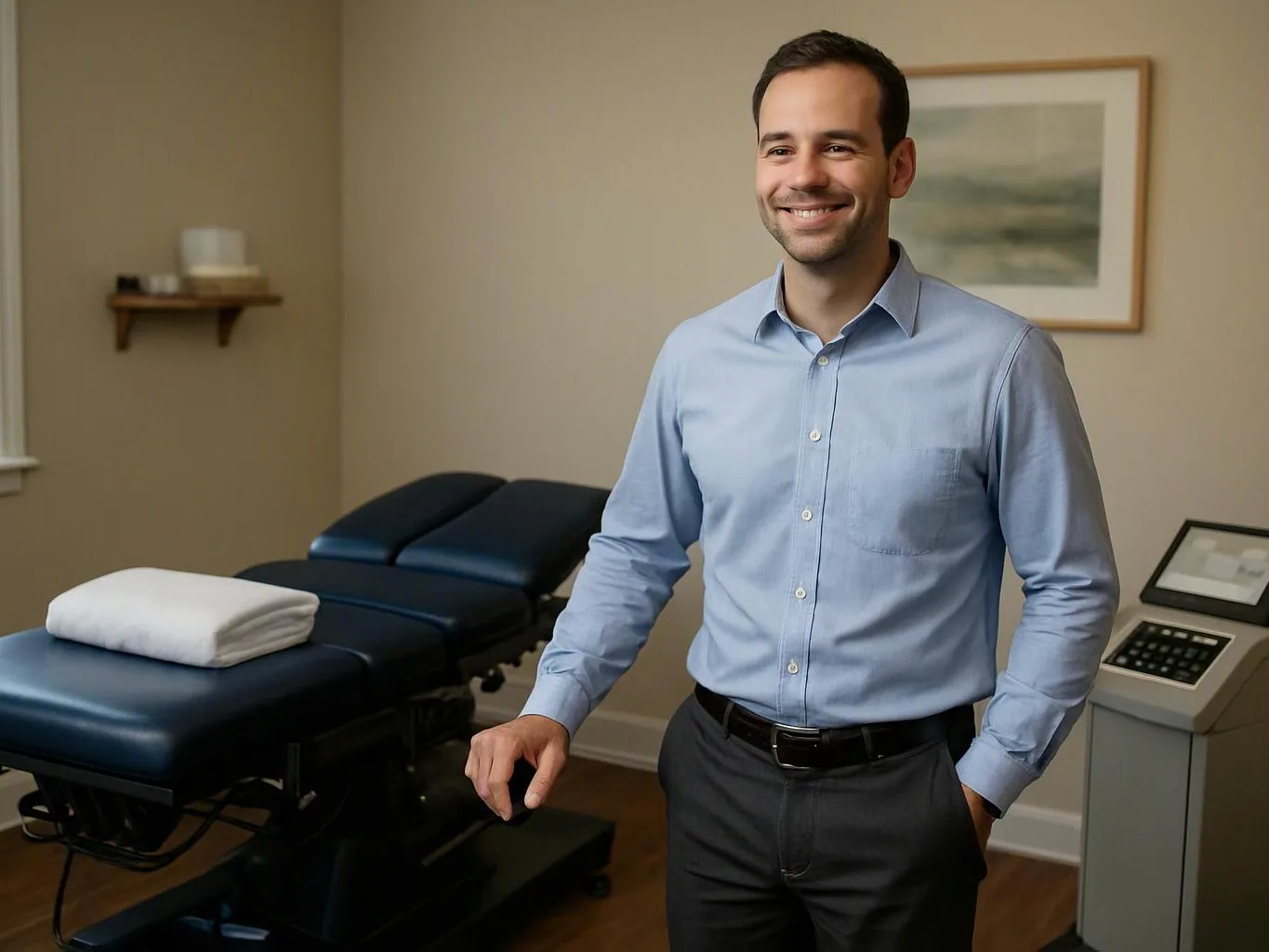
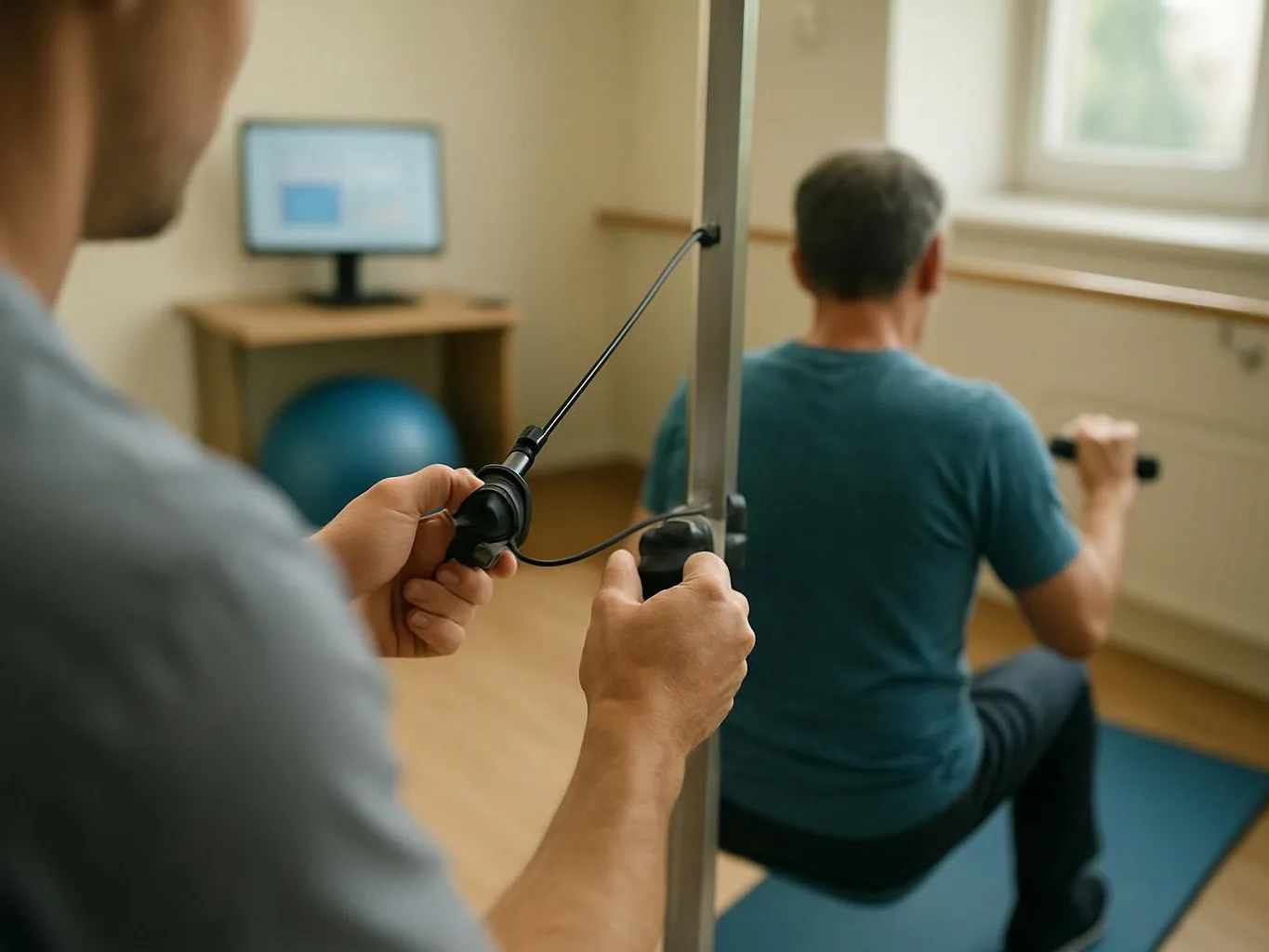
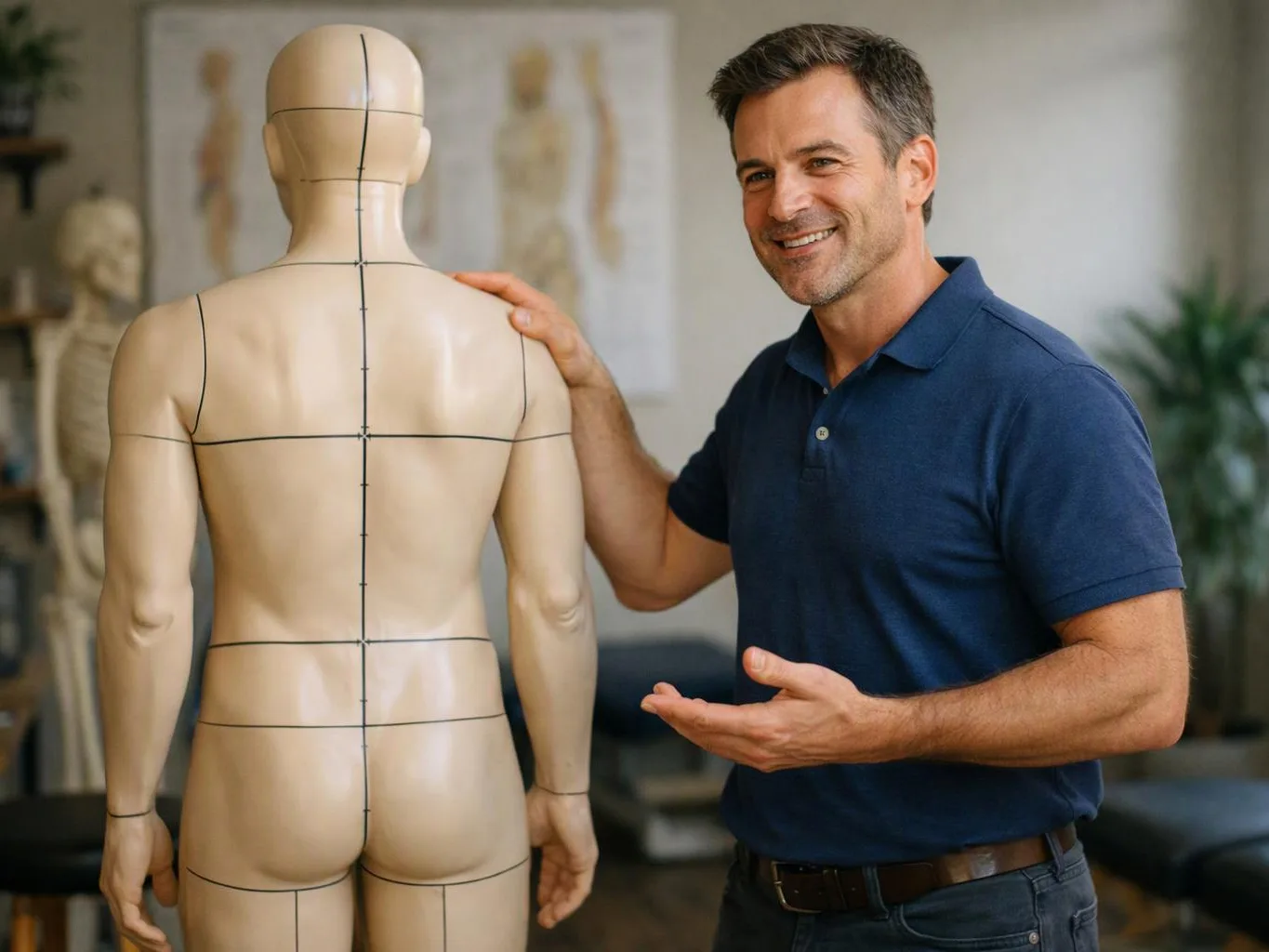
Movement testing evaluates how the injured area handles motion, load, and basic function. The exam also checks pain location, swelling, range of motion, strength, and soft tissue. Advanced Injury Care Clinic uses those findings to discuss a personalized treatment plan. Individual response differs, so the plan can change as your function develops.
What should I bring to my first appointment?
Your injury history, current symptoms, health history, and activity goals help our team assess the problem. Bring any relevant medical records or imaging you already have. A clear description of the motion that caused pain also helps connect the exam with your sport or daily activity.
Which part of the injury decides the treatment scope?
The affected body area, symptom pattern, swelling, movement limits, and functional demands decide the treatment scope. A knee injury may need different exercise and joint checks than shoulder pain or low back pain. Our team uses the exam findings to select suitable care and explain its limits.
What changes the time needed for sports injury care?
The injury's location, movement limits, swelling, functional demands, and response to care affect the treatment course. A mild strain and a complex joint problem do not follow the same path. Progress re-examinations help our team decide whether the plan should continue, change, or include another form of care.
Should I choose chiropractic care or physical therapy?
The better starting point depends on the exam findings and your main movement goal. Chiropractic care may focus on joint motion and hands-on treatment, while physical therapy often centers on guided exercise and function. Our team can explain which option fits the symptoms and limits found during assessment.
Why can pain continue after swelling improves?
Pain can continue because soft-tissue strain, joint irritation, weakness, or altered movement may remain after swelling decreases. The exam checks these factors instead of relying on swelling alone. Treatment options may include therapeutic exercises, soft tissue therapy, massage therapy, or chiropractic care when they fit the findings.
How does care move from the first call to the last step?
The process moves from a consultation and health history to an exam, treatment plan, care visits, and progress review. The first discussion covers the injury and your goals. Follow-up findings guide changes to exercises, adjustments, soft tissue care, or other selected treatments.