Skip to content

Sports Injury Treatment In Forest Hills, Tennessee

Returning too soon can bring symptoms back in Forest Hills. Return testing helps us check movement, strength, and mobility before activity resumes.

Upfront, Transparent PricingServing 18 CommunitiesMon-Fri: 9 am–7 pm, Sat: 9 am–2 pm, Sun: ClosedFast Scheduling

Quick Summary: sports injury care in Forest Hills, Tennessee

Sports injury treatment in Forest Hills is provided by Advanced Injury Care Clinic for athletes managing pain, reduced movement, and soft-tissue injuries. Care includes chiropractic adjustments, therapeutic exercises, and individualized treatment planning across Brentwood, Williamson County, and the greater Nashville area.

  • What we do: Advanced Injury Care Clinic provides Sports Injury Treatment for athletes in Forest Hills, Tennessee, using injury assessment, chiropractic care, therapeutic exercises, and mobility work.
  • What is included: Key capabilities include chiropractic adjustments, spinal decompression, physical therapy, massage therapy, soft tissue therapy, and personalized treatment planning.
  • What you get: You receive a treatment plan that supports safer movement, better function, and a measured return to your normal activities.

Why does sports injury pain return after activity in Forest Hills, Tennessee?

Pain can return when activity increases faster than strength, mobility, or tissue tolerance. A clinical exam helps identify the limiting area and guides safer activity changes, therapeutic exercises, and follow-up care.

Sports Injury Treatment for Return Testing in Forest Hills

This page is for people who want a safer path back to sport after pain, stiffness, or reduced function. The focus is return testing, so we look at what your body can handle before activity increases.

Sports injury treatment may include an exam, chiropractic adjustments, soft tissue therapy, therapeutic exercises, and physical therapy. Your plan may also address back pain, neck pain, shoulder pain, knee pain, hip pain, sciatica, or a soft-tissue injury.

A useful decision is whether your current activity matches your strength and mobility. If pain changes your movement, we adjust the plan and set practical mobility goals before you return to harder training.

  • Bring a clear account of the activity that caused the injury.
  • Note which movements increase pain, stiffness, or weakness.
  • Discuss your sport, work demands, and preferred activity level.
  • Ask how activity modification fits with strength progression and mobility goals.
A hand holds a tan tape roll above a tray beside a coral tape roll and a square swatch

Service Overview

Sports Injury Treatment is a clinical service that assesses sports-related pain and supports safer movement during recovery.

  • Chiropractic care focuses on joint function and movement, while physical therapy and massage therapy address exercise control, soft tissue, and function in different ways.
  • Advanced Injury Care Clinic provides this care for Forest Hills and surrounding communities throughout Williamson County and the greater Nashville area.

What sports injury care includes for athletes

Advanced Injury Care Clinic provides comprehensive Sports Injury Treatment in Forest Hills. Here's what you get:

  • We review your health history, symptoms, activity demands, and recovery goals.
  • We perform a health history and exam to assess movement and affected joints.
  • We use chiropractic adjustments when they fit your condition and care plan.
  • We may add physical therapy, massage therapy, soft tissue therapy, or therapeutic exercises.
  • We guide activity modification while strength and mobility improve.
  • We reassess progress and update the personalized treatment plan as needed.

What to consider before choosing this care

Return testing guides activity decisions

Return testing checks movement, strength, and mobility before you add harder activity. The findings help us set a safer next step for your sport.

Care can combine several methods

A plan may combine chiropractic adjustments, soft tissue therapy, therapeutic exercises, physical therapy, and massage therapy when those methods fit your needs.

The service has a clear limit

Sports injury treatment is not the right first step for every serious injury or urgent medical concern. Severe symptoms, major trauma, or signs of a medical emergency need medical evaluation.

Process

How we guide a safe return to activity

1

Review the injury and activity demands

We start with a new patient intake, health history, and exam. You explain the sport, symptoms, aggravating movements, and recovery goals.

2

Check movement and function

We assess joint motion, strength, balance, and mobility. X-rays may be considered if clinically indicated.

3

Set activity modification goals

The personalized treatment plan identifies activities to limit and movements to practice while symptoms settle.

4

Build strength and mobility

Therapeutic exercises, physical therapy, soft tissue therapy, massage therapy, or chiropractic adjustments may support this stage.

5

Review progress before activity increases

A progress re-examination helps us compare movement and function with your goals before you return to harder activity.

What this care changes during your return

You gain a clearer view of which movements need support before activity increases.

Activity modification helps protect painful areas while you build strength.

Mobility goals give your recovery a practical focus beyond pain alone.

Therapeutic exercises support control, balance, and movement during training.

Regular maintenance may help you address recurring joint stiffness and movement limits.

Individual response differs, so treatment plans change with your progress.

Choosing the next recovery focus

This table compares common recovery priorities and the findings that guide each one.

Recovery focusWhat we checkPossible care direction
Activity modificationPain during sport or daily movementReduce aggravating movement while function improves
Strength progressionWeakness, control, and balanceTherapeutic exercises or physical therapy
Mobility goalsJoint motion and soft-tissue restrictionChiropractic adjustments, massage therapy, or soft tissue therapy

The Advanced Injury Care Clinic Standard

  • Thorough Assessments
  • Tailored Care Plans
  • Clear Explanations
  • Appropriate Techniques

Questions about returning after a sports injury

How can return testing support a safe return to sport?

Return testing checks whether movement, strength, and mobility support your next activity level. Advanced Injury Care Clinic uses those findings to guide activity changes and treatment planning. Your plan may include therapeutic exercises, chiropractic adjustments, or physical therapy. Individual response differs, so activity should increase as function improves.

What should be ready before sports injury treatment starts?

Your injury history, current symptoms, activity demands, and recovery goals should be ready before care starts. A health history and exam help us understand the problem. Bring details about movements that hurt, sports you play, and any care you have already received.

Which condition changes the time needed for return testing?

The condition that limits movement or strength most often changes the testing plan. A knee injury, shoulder injury, back pain, or soft-tissue injury may need different checks. We assess symptoms, joint function, and activity demands before deciding which movements to review.

How is treatment matched to my activity before care starts?

Your sport, work demands, symptoms, and movement limits guide the treatment plan. Activity modification may come first when a movement increases pain. Therapeutic exercises, soft tissue therapy, massage therapy, or chiropractic adjustments may follow as function improves.

Can chiropractic care help a wrist sports injury?

Chiropractic care may help when joint movement or related soft tissue contributes to wrist discomfort. We assess the wrist and nearby movement before choosing care. Severe trauma, major swelling, or suspected fracture needs medical evaluation instead of routine injury care.

What is a warning sign that needs medical evaluation?

Severe pain, major swelling, loss of function, numbness, or suspected fracture needs medical evaluation. Sports injury treatment is not a substitute for urgent medical care. We can discuss appropriate next steps after urgent concerns receive attention.
Contact

Discuss sports injury treatment in Forest Hills

If training still brings pain or stiffness in Forest Hills, Advanced Injury Care Clinic can review your movement and recovery goals. Book a Free Consultation to discuss a clear path forward.

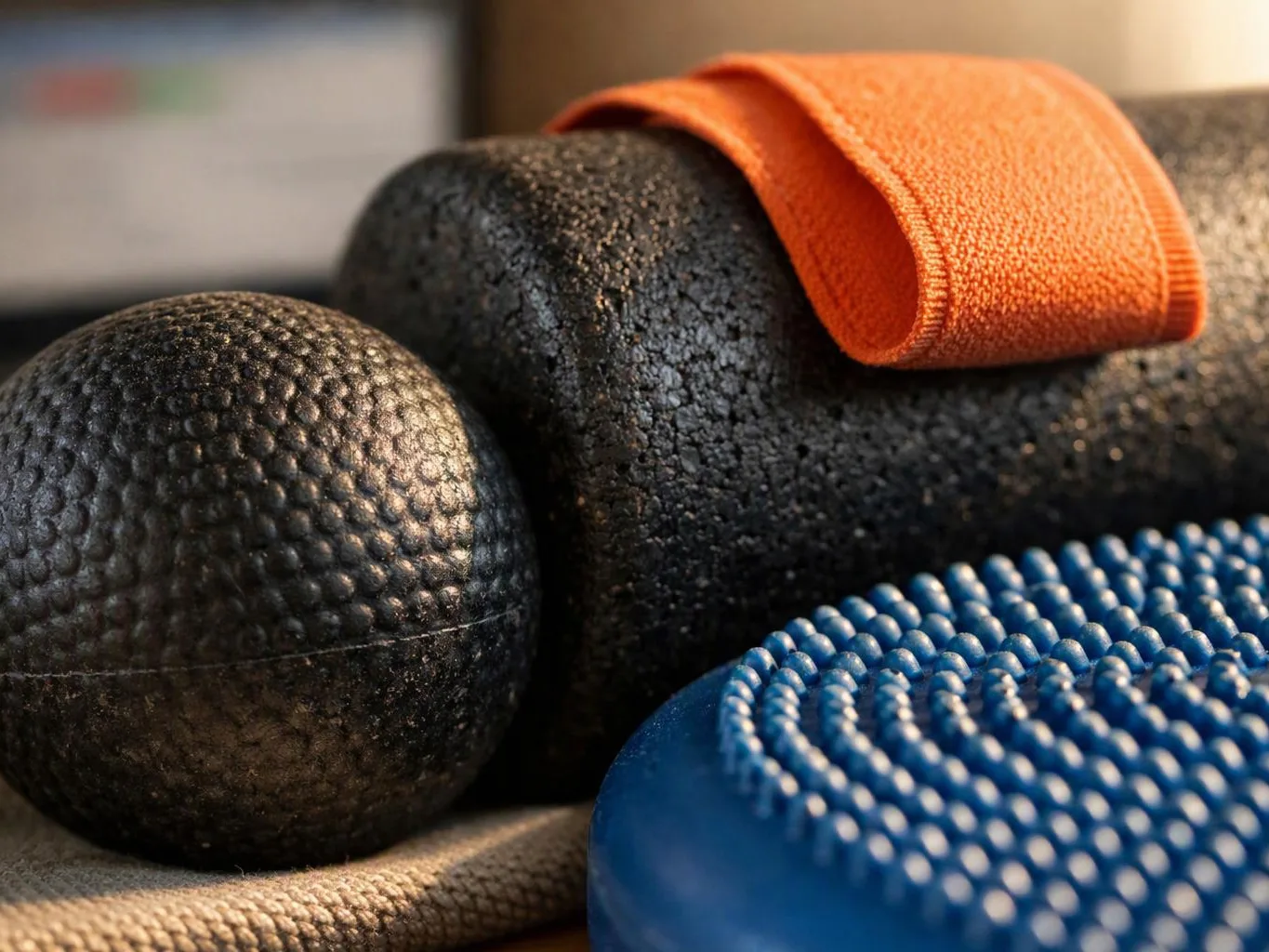
Three textured foam rollers and a blue balance pad sit on a floor with an orange strap draped over one roller

The health and wellness information on this website is for general informational purposes only and is not medical advice. It does not create a provider-patient relationship. Always consult a qualified licensed provider in Brentwood, Tennessee, United States about your specific condition before making care decisions. Individual results vary.

(615) 265-0412