Skip to content

Chiropractic Adjustment in Forest Hills, Tennessee

Poor follow-up care can leave temporary soreness unclear in Forest Hills. We explain what to watch for after an adjustment and how your next visit fits your plan.

Upfront, Transparent PricingServing 18 CommunitiesMon-Fri: 9 am–7 pm, Sat: 9 am–2 pm, Sun: ClosedFast Scheduling

Quick Summary: Chiropractic care in Forest Hills, Tennessee

Chiropractic Adjustment in Forest Hills is provided by Advanced Injury Care Clinic for back pain, neck pain, whiplash, sciatica, and joint discomfort. Care may include an exam, individualized treatment planning, and follow-up guidance across Brentwood, Williamson County, and the greater Nashville area.

  • What we do: Advanced Injury Care Clinic provides Chiropractic Adjustment for patients in Forest Hills, Tennessee, with care plans based on the exam and recovery needs.
  • What is included: Health history review, physical examination, chiropractic adjustment, mobility guidance, therapeutic exercise, and follow-up care.
  • What you get: The patient leaves with a clearer treatment plan and practical guidance for moving more comfortably.

Why does soreness keep happening after a chiropractic adjustment in Forest Hills, Tennessee?

Temporary soreness can follow an adjustment as the body responds to changed joint movement. Advanced Injury Care Clinic reviews the symptom, checks your progress, and explains which activities, hydration needs, or follow-up steps fit your condition. Severe or unusual symptoms need prompt medical attention.


Chiropractic Adjustment and follow-up care in Forest Hills

A chiropractic adjustment page should answer more than whether an adjustment is available. It should explain what happens after the visit, how soreness is reviewed, and when the care plan needs another look.

We begin with a new patient intake, health history, and exam. X-rays may be considered if clinically indicated. The report of findings helps us match an adjustment, therapeutic exercise, soft tissue therapy, or another non-invasive approach to your needs.

Follow-up care is the key decision point here. Your response can guide a progress re-examination, a change in treatment planning, or advice about regular maintenance. Individual response differs, so we don't promise one outcome for every patient.

  • Ask how temporary soreness should be monitored after the adjustment.
  • Share changes in mobility, pain, headaches, or nerve symptoms with our team.
  • Bring relevant health history and injury details to the new patient intake.
  • Discuss whether therapeutic exercise or soft tissue therapy belongs in the plan.
A woman stands by a massage table, pressing folded white towels in a calm treatment room

Service Overview

Chiropractic adjustment is a hands-on treatment that applies a controlled force to a joint to support movement.

  • An adjustment differs from physical therapy, which uses exercises and movement training to build function over time.
  • Advanced Injury Care Clinic provides adjustment care in Forest Hills and surrounding Williamson County communities.
Process

How we plan and review a chiropractic adjustment

1

Complete the new patient intake

We record your health history, injury details, symptoms, and recovery goals before treatment decisions begin.

2

Perform the health history and exam

The exam checks movement and symptoms. X-rays may be considered when clinically indicated.

3

Explain the report of findings

We review what the assessment shows and explain which treatment options may fit your condition.

4

Apply the selected adjustment

We use an appropriate adjustment method, such as diversified technique or the Activator Method, when it suits your needs.

5

Review post-treatment guidance

We discuss temporary soreness, hydration needs, movement, and symptoms that should prompt a question.

6

Check progress and refine care

A progress re-examination helps us decide whether your plan needs adjustment, added therapy, or regular maintenance guidance.

When this service is the right fit

A patient in Forest Hills may seek care after an auto accident, workplace injury, sports injury, or a period of everyday pain. We review the injury history and current symptoms first, then explain what follow-up care should look like after an adjustment.

How we approach adjustment decisions

Care begins with a suitability check

Your health history, symptoms, and exam guide the treatment choice. Chiropractic adjustment is the wrong job for symptoms that need urgent medical evaluation, so we address those concerns before treatment.

Follow-up focuses on your response

We ask about mobility, soreness, and daily activity after care. That information helps us decide whether to continue, adjust, or broaden the treatment plan.

Options stay tied to your needs

Chiropractor-led clinical care may include adjustment, spinal decompression, physical therapy, massage therapy, or therapeutic exercises when the exam supports those options.

What patients gain from a clearer adjustment plan

Follow-up guidance helps you understand which post-treatment changes deserve a question.

A progress re-examination gives our team a chance to compare your current function with your care goals.

Therapeutic exercises can support mobility between visits when they suit your condition.

Soft tissue therapy may address muscle tension alongside joint-focused care.

Regular maintenance may support long-term wellness when it fits your needs.

What chiropractic adjustment care includes after your visit

Advanced Injury Care Clinic provides comprehensive Chiropractic Adjustment in Forest Hills. Here's what you get:

  • We review your health history and current symptoms before selecting an adjustment approach.
  • We perform a physical exam and discuss X-rays if they are clinically indicated.
  • We explain the report of findings and the available treatment options.
  • We provide chiropractic adjustments as part of an individualized care plan.
  • We discuss movement, hydration needs, and temporary soreness after treatment.
  • We review progress and adjust the plan when your recovery needs change.

Adjustment and related care options

These options differ by the part of recovery they address and may be combined when the assessment supports them.

Care optionMain focusWhen it may fit
Chiropractic adjustmentControlled joint movementWhen the exam supports adjustment care
Physical therapyGuided exercise and functionWhen movement training supports recovery
Soft tissue therapyMuscle and connective tissue concernsWhen soft tissue limits movement
Spinal decompressionTable-based spinal careWhen the assessment supports this option

The Advanced Injury Care Clinic Standard

  • Thorough Assessments
  • Tailored Care Plans
  • Clear Explanations
  • Appropriate Techniques

Questions about adjustment recovery and treatment choices

What should I expect after a chiropractic adjustment?

Follow-up care explains temporary soreness, movement changes, and the next treatment step.

Our team asks how you feel after the adjustment and reviews your daily activity. We may discuss hydration needs, therapeutic exercises, or a progress re-examination. Tell us about severe, unusual, or worsening symptoms so we can guide the safest next step.

Who provides chiropractic adjustment care?

Advanced Injury Care Clinic provides chiropractic adjustment care through chiropractor-led clinical care.

We begin with a health history and exam, then explain the report of findings. Treatment may include adjustment, spinal decompression, physical therapy, massage therapy, or therapeutic exercises when those options fit your needs.

How is an adjustment matched to my condition before treatment?

A health history and physical exam guide the adjustment choice.

Our team reviews your symptoms, injury history, movement, and recovery goals before treatment. X-rays may be considered if clinically indicated. The report of findings then explains why a selected method or added service belongs in your plan.

What should I ask before agreeing to an adjustment?

Ask what the adjustment is meant to address and how follow-up will be reviewed.

Useful questions include:

  • Which symptoms will the plan address?
  • What soreness or movement changes should I report?
  • Would therapeutic exercise or another option fit my needs?

These answers help you understand the plan before care begins.

Which condition changes the time needed for follow-up care?

The condition, injury history, symptom pattern, and response to care can change the follow-up plan.

Auto accident injuries, workplace injuries, sports injuries, and everyday pain may need different assessments. Our team checks progress before recommending continued adjustment, added therapy, or a maintenance plan.

Why might soreness continue after an adjustment?

Temporary soreness can continue while your body responds to changed joint movement.

We review the soreness with your symptoms, activity, and health history. Hydration needs and gentle movement may be discussed when appropriate. Worsening or unusual symptoms need prompt medical attention.
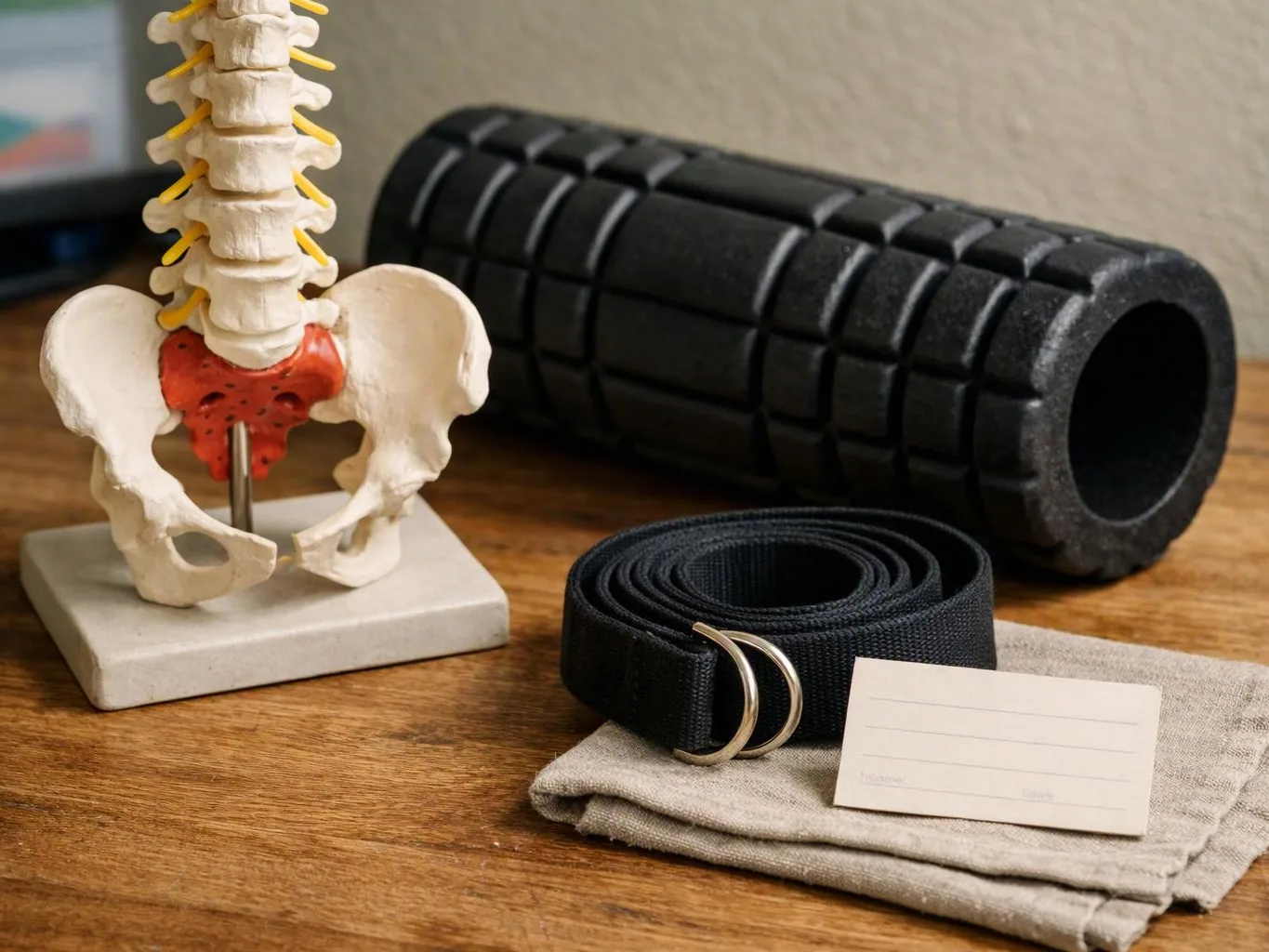
What is the difference between adjustment and physical therapy?

Chiropractic adjustment uses a controlled joint force, while physical therapy builds movement through guided exercises.

Some care plans use both approaches. We decide whether either service fits after the exam and explain how each option supports your recovery goals.

Contact

Discuss chiropractic adjustment care in Forest Hills

Are you unsure what soreness or limited movement means after an adjustment? Contact Advanced Injury Care Clinic to discuss your symptoms, follow-up care, and a free consultation.

A therapist guides a seated man with hand placements on his back and shoulder in a clinic room

The health and wellness information on this website is for general informational purposes only and is not medical advice. It does not create a provider-patient relationship. Always consult a qualified licensed provider in Brentwood, Tennessee, United States about your specific condition before making care decisions. Individual results vary.

(615) 265-0412