
Skip to content

Spinal Decompression Therapy in Forest Hills, Tennessee

A rushed therapy schedule can leave questions unanswered in Forest Hills. We explain the harness, traction, and care plan before treatment begins.

Upfront, Transparent PricingServing 18 CommunitiesMon-Fri: 9 am–7 pm, Sat: 9 am–2 pm, Sun: ClosedFast Scheduling

Quick Summary: spinal decompression therapy in Forest Hills, Tennessee

Spinal Decompression Therapy in Forest Hills is provided by Advanced Injury Care Clinic for patients with back pain, neck pain, sciatica, and related concerns. Care includes an evaluation, treatment planning, and access to chiropractic adjustments, physical therapy, massage therapy, and therapeutic exercises across Brentwood, Williamson County, and the greater Nashville area.

  • What we do: Advanced Injury Care Clinic provides Spinal Decompression Therapy for patients in Forest Hills, Tennessee, after an evaluation of symptoms and health history.
  • What is included: Key capabilities include patient assessment, personalized treatment planning, spinal decompression, chiropractic adjustments, physical therapy, massage therapy, and therapeutic exercises.
  • What you get: Patients receive a clear treatment plan that matches their symptoms, goals, and response to care.

What should I expect during spinal decompression therapy?

Therapy schedule planning starts with an evaluation, followed by a comfortable setup and gradual traction when the treatment fits your needs. The visit may include discussion of symptoms, health history, and related care such as therapeutic exercises or soft tissue therapy. Individual response differs, so we review progress and adjust the plan as needed.
Spinal Decompression Therapy in Forest Hills for Clearer Treatment Planning

Spinal decompression therapy gives patients another non-invasive option for back pain, neck pain, sciatica, and some disc-related concerns. The work begins with a new patient intake, health history, and physical exam so we can judge whether traction fits the condition.

The key decision is suitability, not a preset treatment pattern. We may combine spinal decompression with chiropractic adjustments, physical therapy, massage therapy, or therapeutic exercises when those services match the care plan. This page focuses on what happens during treatment and how the schedule is shaped around evaluation and progress.

Forest Hills patients can request a consultation through our clinic. We explain the expected steps, discuss comfort during traction, and review options before care begins.

  • Bring a clear description of your pain, movement limits, and main recovery goal.
  • Tell us about prior injuries, current treatment, and relevant health history.
  • Ask how gradual traction fits with adjustments, exercises, or soft tissue therapy.
  • Discuss how progress will be reviewed during the care plan.
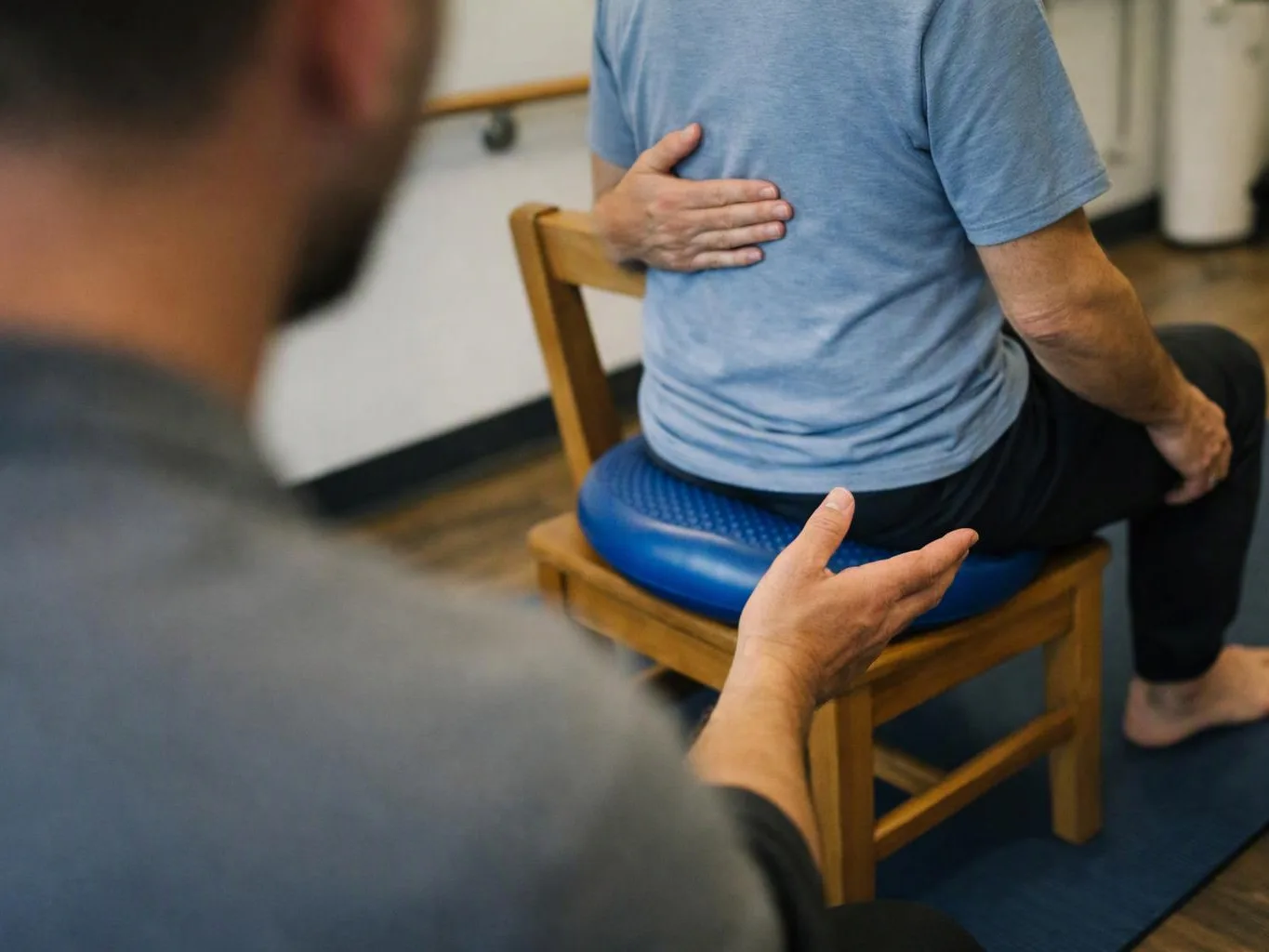
A therapist guides a seated man with hand placements on his back and shoulder in a clinic room

Service Overview

Spinal decompression therapy is a non-invasive treatment that uses controlled traction to reduce pressure through the spine.

  • It differs from a standard chiropractic adjustment because it focuses on gradual traction rather than a quick manual movement.
  • We provide spinal decompression therapy for patients in Forest Hills and surrounding Williamson County communities.

What patients gain from a planned decompression visit

A careful assessment helps match traction with your symptoms and movement goals.

The harness and gradual traction give you a structured, non-invasive treatment experience.

A personalized plan can connect decompression with exercises, adjustments, or soft tissue therapy.

Progress reviews help us respond to changes in comfort and function.

Regular maintenance may support ongoing mobility when it fits your care plan.

Process

How we carry out a spinal decompression visit

1

Review symptoms and health history

We complete a new patient intake and discuss pain, movement limits, prior injuries, and current treatment.

2

Complete the clinical examination

Our team checks movement and symptoms before deciding whether spinal decompression fits your condition.

3

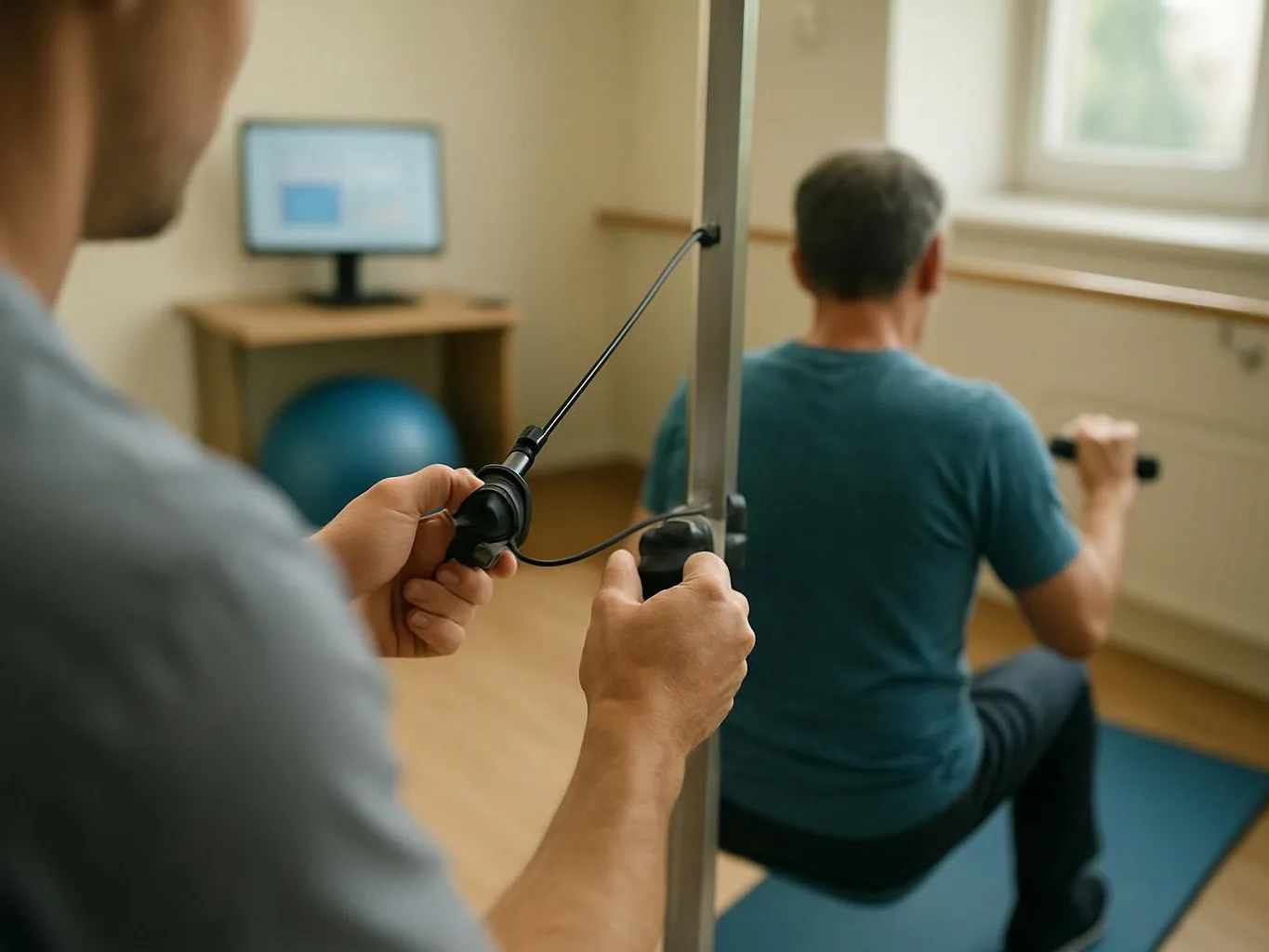
Explain the harness and table

We show how the comfortable harness and spinal decompression table support the treatment setup.

4

Apply gradual traction

When the plan supports it, we use gradual traction and check comfort during the session.

5

Review care and pricing

We explain related treatment choices, discuss free consultations, and outline the next part of your personalized care plan.

6

Assess progress

We review your response and may adjust the plan with exercises, adjustments, massage therapy, or other non-invasive care.

What you get from a focused decompression plan

A clear fit decision

We compare your symptoms, health history, and exam findings before using traction. This service is the wrong choice when your condition needs a different form of medical evaluation or care.

Comfort checked during traction

The harness should feel secure, and we ask about comfort during gradual traction. Your feedback helps guide the next treatment discussion.

Care that connects

Spinal decompression may fit within a wider plan that includes adjustments, physical therapy, massage therapy, or therapeutic exercises.

Chiropractor-LED clinical care

Our chiropractor-led clinical care includes personalized treatment planning and a patient-centered recovery approach.

What spinal decompression therapy includes for your visit

Advanced Injury Care Clinic provides comprehensive Spinal Decompression Therapy in Forest Hills. Here's what you get:

  • We complete a new patient intake and review your health history.
  • We examine your symptoms and movement before selecting a treatment approach.
  • We explain how the spinal decompression table and comfortable harness are used.
  • We apply gradual traction when the assessment supports this form of care.
  • We discuss related options such as chiropractic adjustments, massage therapy, or therapeutic exercises.
  • We review your response and update the personalized treatment plan when needed.

Traction and adjustment choices

This table compares two treatment approaches we may discuss after the clinical examination.

Treatment approachMain methodWhen we discuss it
Spinal decompression therapyGradual traction through a spinal decompression tableWhen controlled traction fits the symptoms and examination
Chiropractic adjustmentControlled manual movement of a spinal areaWhen the examination supports an adjustment-focused plan

The Advanced Injury Care Clinic Standard

  • Thorough Assessments
  • Tailored Care Plans
  • Clear Explanations
  • Appropriate Techniques

Questions about spinal decompression visits

What does the therapy schedule include before traction begins?

The therapy schedule begins with an intake, health history, and clinical exam before traction begins.

  1. We discuss symptoms and movement limits.
  2. We explain the harness and table.
  3. We review comfort and treatment choices.

Free consultations give you time to understand the plan before care starts.

How does the harness stay comfortable during treatment?

The harness supports your position while we apply gradual traction and check your comfort. We explain the setup before treatment begins, then ask how the pressure feels during care. Tell us about discomfort right away. Our team can pause the process and review whether another treatment option fits better.

Which part of my condition decides whether traction fits?

Your symptoms, health history, movement, and examination findings decide whether traction fits. We look at the pain pattern and any limits on daily activity. A herniated disc concern, sciatica, or neck pain may need different care choices. We explain the findings and connect the plan with exercises or adjustments when appropriate.

When might adjustments suit me better than traction?

Chiropractic adjustments may suit you better when the examination points toward a manual adjustment plan. Spinal decompression focuses on gradual traction, while an adjustment uses a controlled manual movement. We compare these options after reviewing your symptoms and goals. Related care may include physical therapy, massage therapy, or therapeutic exercises.

Why does treatment duration differ between patients?

Treatment duration differs because each care plan reflects the patient’s condition, comfort, and response. The therapy schedule, treatment method, and related services can affect the visit. We discuss the plan during your consultation and review progress as care continues. We do not promise a fixed duration for every patient.

What should I bring to my first chiropractic appointment?

Your symptom history, medication details, prior records, and questions can help us assess your needs. Bring information about past injuries and current treatment when available. We complete our own intake and examination, then explain whether spinal decompression or another non-invasive option fits your goals.
Contact

Discuss spinal decompression therapy in Forest Hills

Start with a consultation and an assessment of your symptoms, movement, and care goals. Advanced Injury Care Clinic will explain the treatment options and next steps.

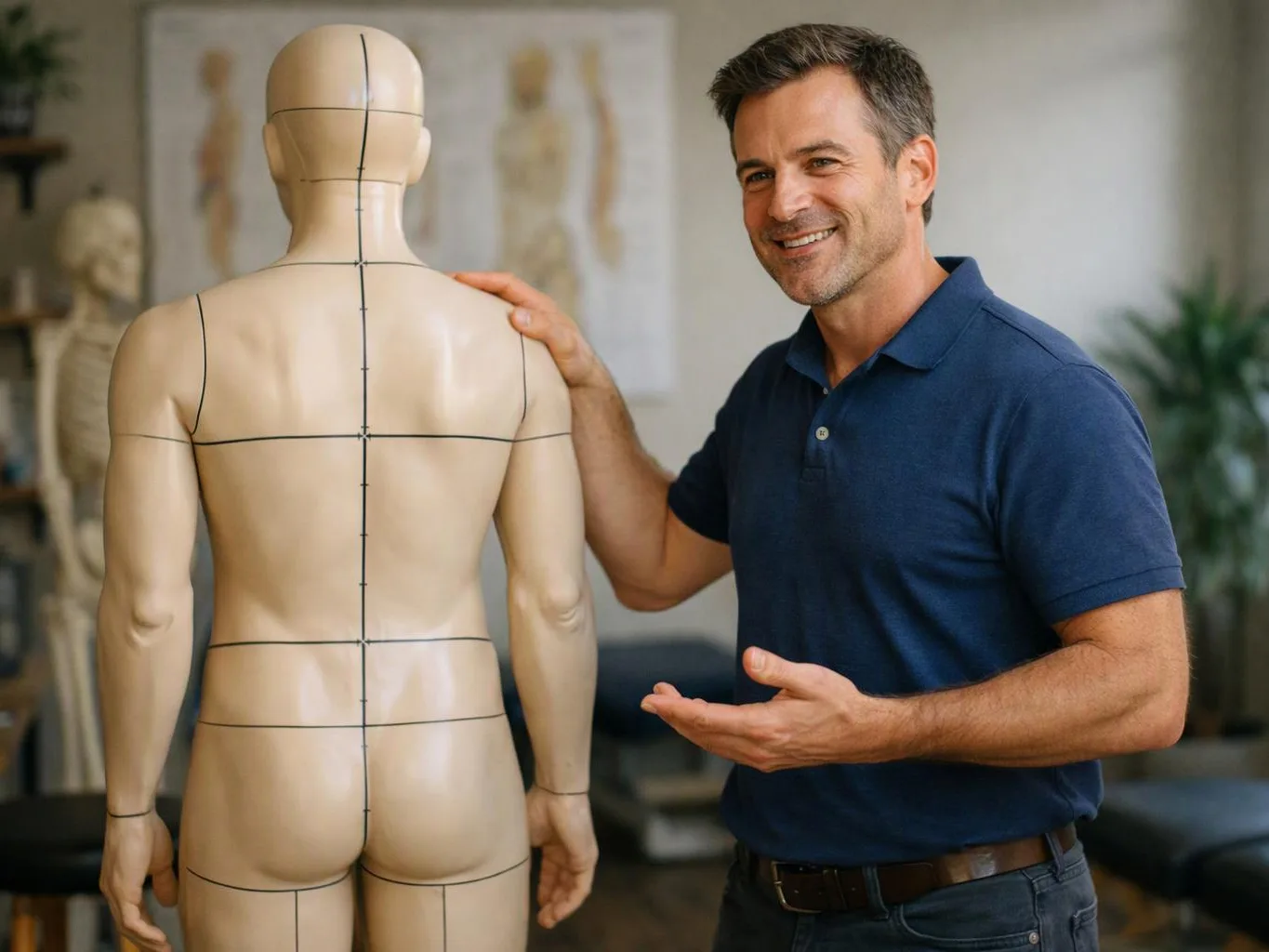
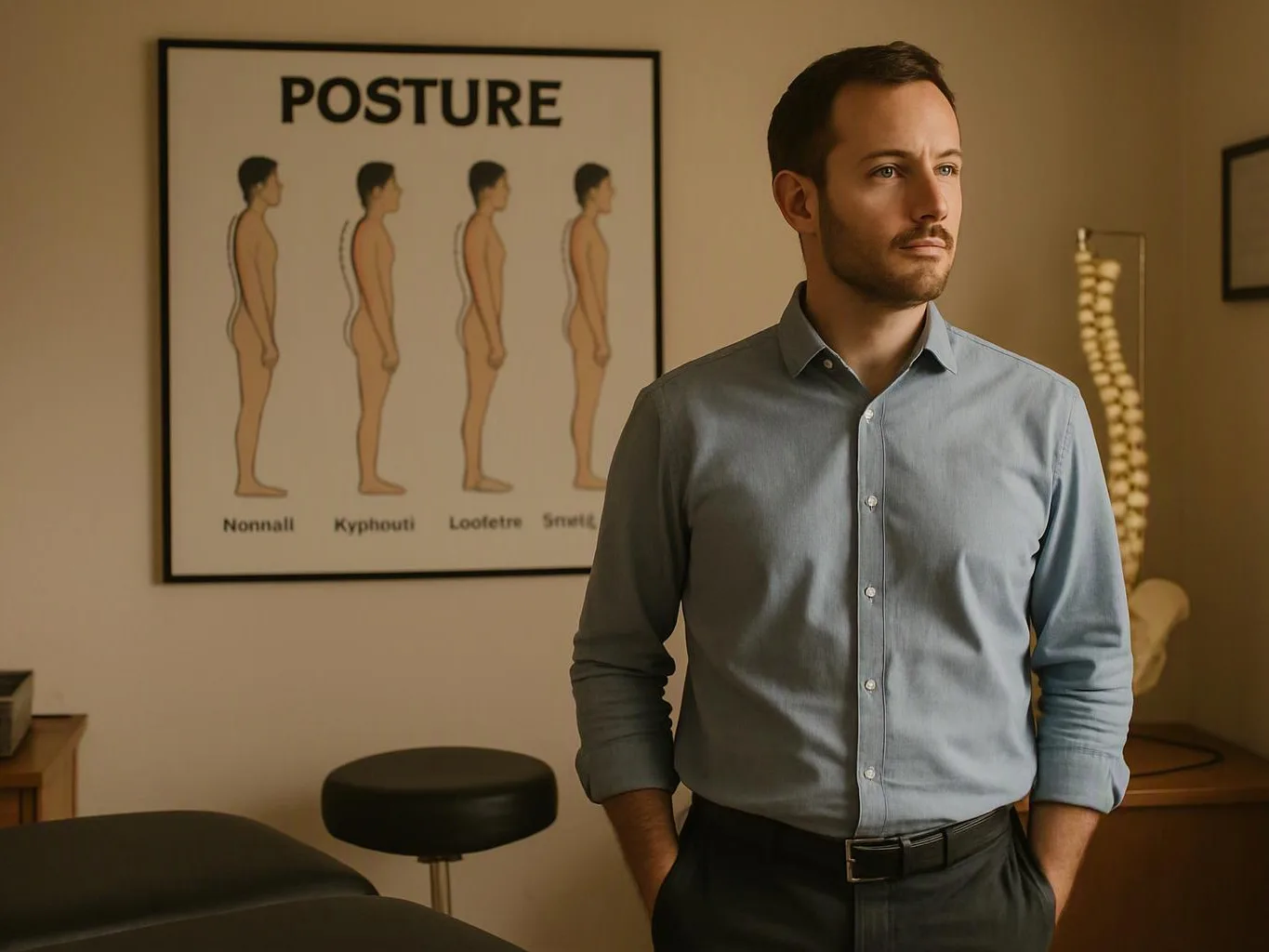
A man stands in a clinic room beside a posture chart and a model spine, looking off to the side

Spinal Decompression Therapy in Other Areas

The health and wellness information on this website is for general informational purposes only and is not medical advice. It does not create a provider-patient relationship. Always consult a qualified licensed provider in Brentwood, Tennessee, United States about your specific condition before making care decisions. Individual results vary.

(615) 265-0412