Skip to content

Spinal Decompression Therapy in Brentwood, Tennessee

We provide spinal decompression therapy for people managing back pain, neck pain, sciatica, herniated discs, or injury-related discomfort. Free consultations help you discuss your symptoms and care goals.

Upfront, Transparent PricingServing 18 CommunitiesMon-Fri: 9 am–7 pm, Sat: 9 am–2 pm, Sun: ClosedFast Scheduling
Spinal decompression therapy helps Brentwood patients manage pressure-related back and neck symptoms through controlled spinal unloading. Back pain, sciatica, and herniated disc concerns can affect work, sleep, and daily movement. We begin with an assessment, explain the findings, and discuss whether this approach fits your condition.

What this treatment may change in daily movement

May reduce pressure-related discomfort in the back or neck.

May support easier movement when sciatica limits daily activity.

Creates measurable goals for comfort, mobility, and function.

Gives patients a non-invasive option to discuss for disc-related symptoms.

What Spinal Decompression Therapy Covers

Spinal decompression therapy is a non-invasive treatment that applies controlled unloading to the spine during a guided session.

  • Spinal decompression therapy differs from a chiropractic adjustment because it focuses on controlled traction and unloading, not joint manipulation.
  • The service covers patients in Brentwood and surrounding Williamson County communities through individualized chiropractic care.
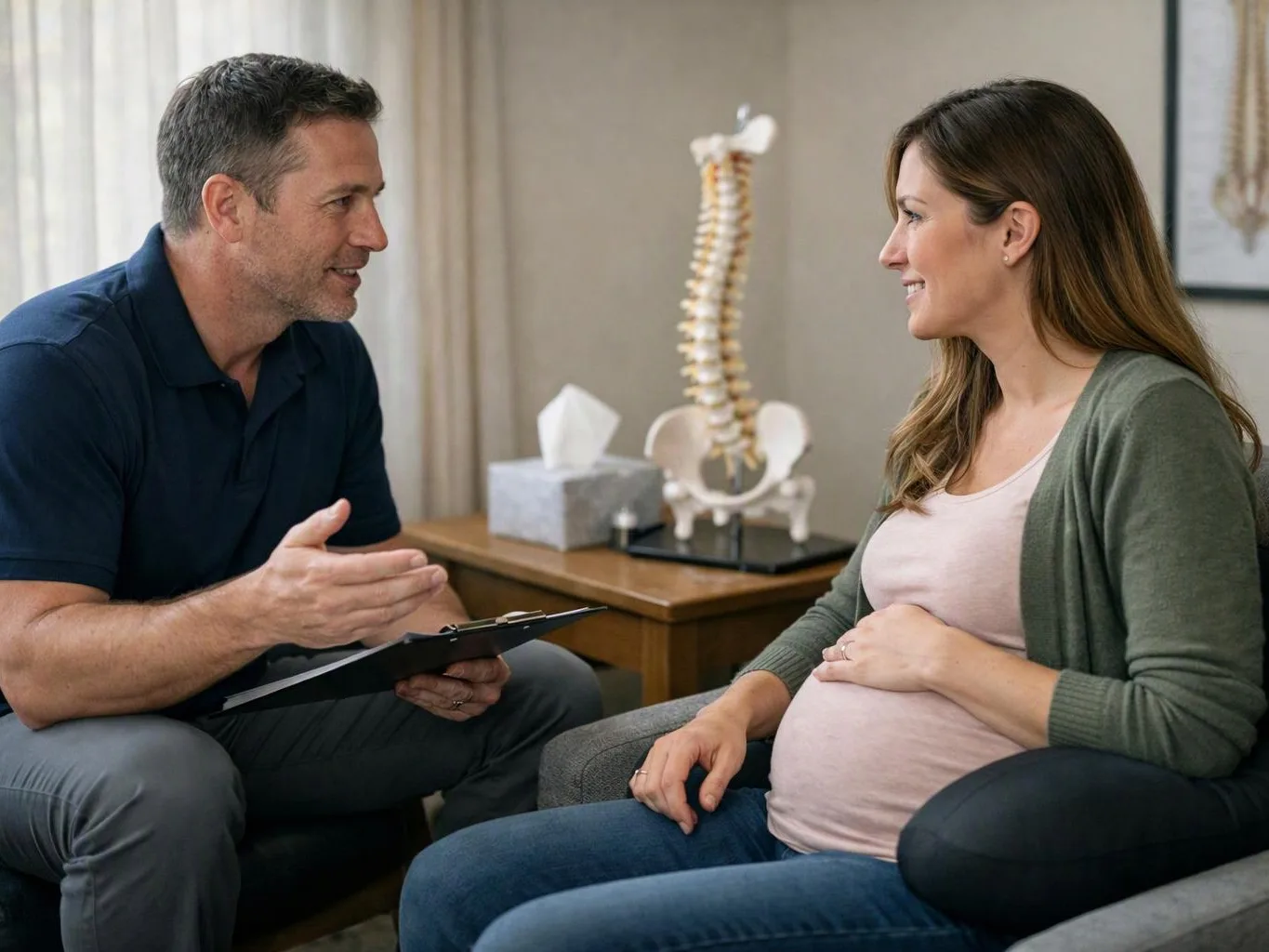
A woman takes notes while speaking with a seated man in a bright room
About

How spinal decompression therapy fits back pain care

Spinal decompression therapy uses controlled force to reduce spinal loading during a guided treatment session. The approach may suit some people with back pain, neck pain, sciatica, or herniated disc symptoms. Our process starts with a new patient intake, health history, and examination. We may review imaging when it is clinically indicated, then explain the findings and available care options. Results vary because symptoms have different causes. A decompression session cannot replace evaluation for every spine complaint, so we check whether the approach matches your condition before care begins. We focus on outcomes that you can describe and track, such as easier movement, reduced leg symptoms, improved sleep, or better tolerance for daily tasks. Individual response differs, and we adjust care when clinically appropriate.

Process

How spinal decompression care moves from exam to follow-up

1

Review symptoms and health history

We ask about pain location, leg or arm symptoms, prior injuries, and daily limits. This gives the examination a clear clinical context.

2

Complete the spinal examination

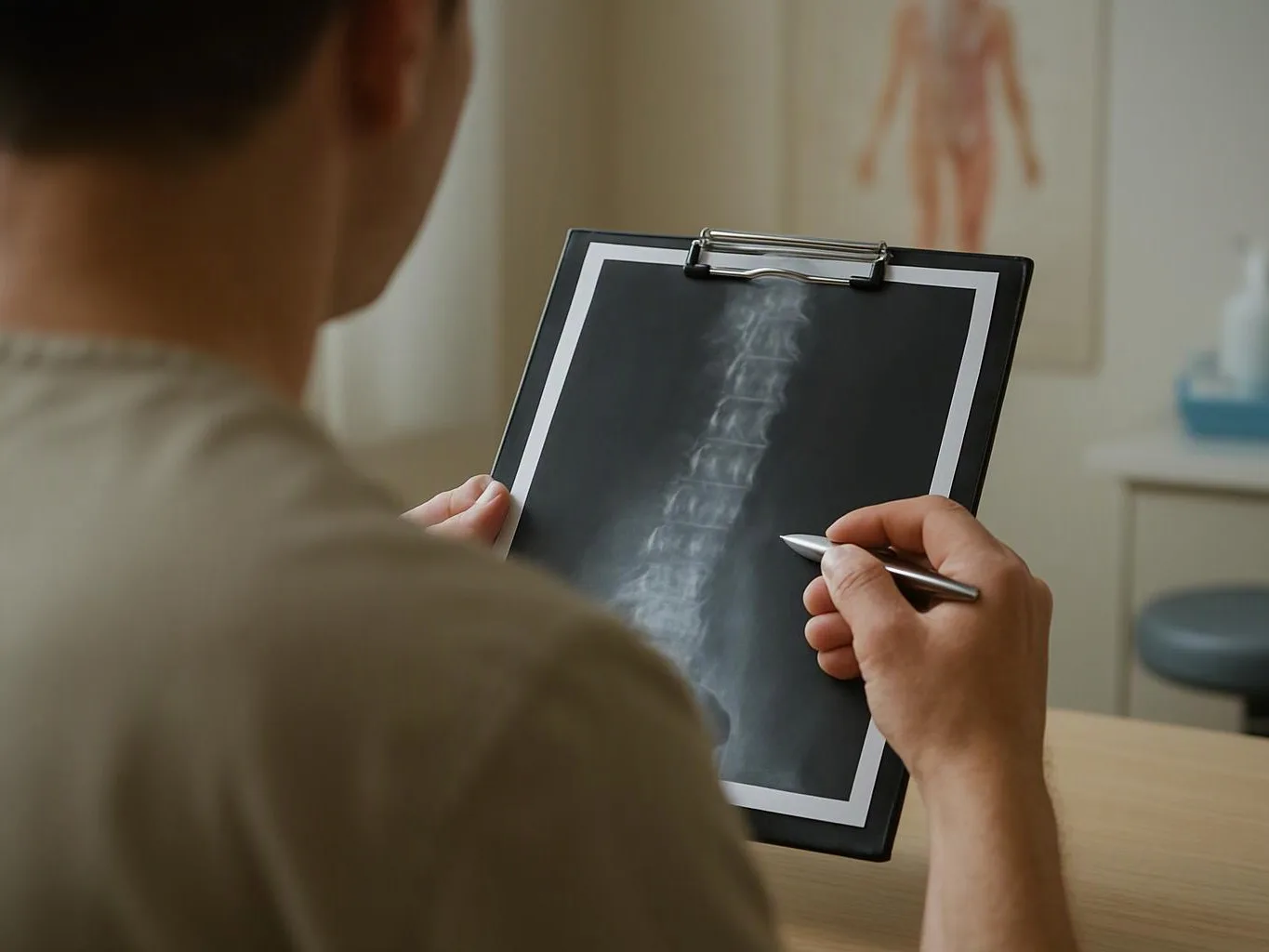
We assess movement, tenderness, and relevant neurological signs. X-rays may be considered when clinically indicated.

3

Discuss treatment fit

We explain whether controlled spinal unloading fits your findings and goals. Free consultations give you space to discuss questions before choosing care.

4

Begin guided decompression care

If the approach is appropriate, we use a controlled decompression setup and watch how your body responds during treatment.

5

Review progress and adjust care

We compare changes in symptoms and function over time. The care plan can change when your clinical response calls for it.

What to prepare before spinal decompression care

A few details can help us assess your symptoms and discuss treatment fit.

  • Bring a list of current medicines and supplements.
  • Note when your back, neck, leg, or arm symptoms began.
  • Write down activities that increase or reduce discomfort.
  • Bring relevant medical records or imaging reports if available.
  • Tell us about prior injuries, surgery, or diagnosed disc problems.

The Advanced Injury Care Clinic Standard

Thorough Assessments

We assess spinal symptoms, movement limits, and health history before recommending decompression care.

Tailored Care Plans

We shape decompression care around each patient’s condition, daily function, and recovery goals.

Progress Monitoring

We monitor symptom and movement changes, then adjust decompression care when clinical findings support a change.

Questions about spinal decompression care

What kind of doctor provides spinal decompression therapy?

Advanced Injury Care Clinic provides spinal decompression therapy through chiropractor-led clinical care. We begin with a health history and examination, then explain whether controlled unloading fits your symptoms. Care may relate to back pain, neck pain, sciatica, or herniated disc concerns. Individual response differs, so we monitor comfort and function as care continues.

What changes the cost of spinal decompression treatment?

Treatment cost depends on the assessment, the condition being addressed, the care plan, and any related services discussed. Our free consultations provide a chance to review your needs before choosing care. Ask about the services included, such as decompression, chiropractic adjustments, physical therapy, massage therapy, or therapeutic exercises.

Is spinal decompression better than a chiropractic adjustment for a herniated disc?

Neither approach is better for every herniated disc, because treatment fit depends on the examination and symptom pattern. Spinal decompression focuses on controlled unloading, while an adjustment uses a different technique. We review your findings and goals, then explain which options may suit your condition.

Do I need X-rays before spinal decompression therapy?

X-rays are considered when they are clinically indicated, not as an automatic step for every patient. Your health history and examination guide that decision. We review relevant records when available, explain what the findings mean, and discuss treatment options that match your clinical needs.

Can spinal decompression help sciatica and leg pain?

Spinal decompression may help some patients with sciatica or leg pain linked to spinal conditions. The cause, symptom pattern, and examination findings affect suitability. We track changes in pain, movement, and daily function, but results vary and no treatment outcome is guaranteed.

What should I bring to my first decompression consultation?

Your symptom history, medicine list, medical records, and imaging reports can help us assess treatment fit. Note what worsens or eases your pain, including sitting, walking, work, and sleep positions. Patients from Brentwood and surrounding Williamson County communities can discuss these details during a free consultation.

Key Points About Spinal Decompression Therapy

  • Controlled unloading differs from a chiropractic adjustment.
  • A health history and examination guide treatment fit.
  • Sciatica and disc symptoms need individual assessment.
  • Progress includes movement and daily function, not pain alone.
  • Results vary, so care plans can change with clinical response.
Contact

Discuss spinal decompression therapy in Brentwood

Advanced Injury Care Clinic offers free consultations for Brentwood patients and nearby Williamson County communities. Tell us what limits your movement, and we’ll discuss the assessment and care options that fit your needs.
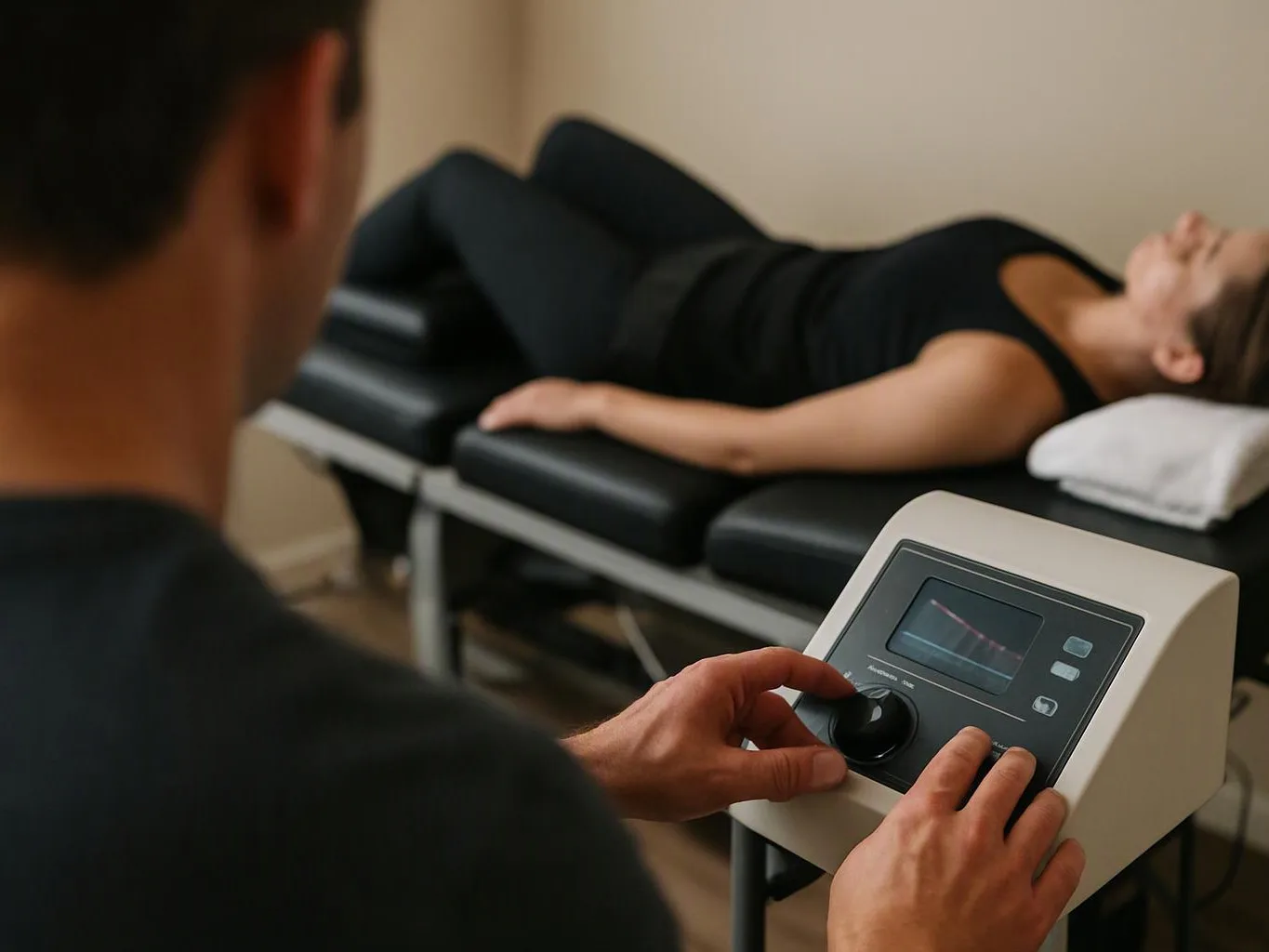
A therapist adjusts a treatment machine while a woman lies on a padded table in a clinic room
Scenarios

When Customers Call Us About Spinal Decompression Therapy

1

Leg Pain With Lower Back Symptoms

Lower back pain that travels into the leg can make walking, sitting, or sleep harder. The pain pattern matters because sciatica and disc-related symptoms need a careful assessment before decompression care begins. Bring your symptom history, note any numbness or weakness, and schedule an evaluation so we can discuss suitable options.

2

Neck Pain After An Injury

Neck pain after a collision or workplace injury may come with stiffness, headaches, or arm discomfort. A health history and examination help us separate the main complaint from signs that need different care. Share the injury details and changes in movement during your consultation, then we can explain whether controlled unloading fits your needs.

3

Chronic Pain And Reduced Activity

Ongoing back discomfort can limit exercise, household tasks, or time with family. Decompression care should connect to a clear function goal, such as walking more comfortably or tolerating a work position. We review your daily limits, set a practical measure for progress, and adjust the plan when your response changes.
Our Other Services

Physical TherapyRecovering from an injury often requires more than rest. Physical therapy uses range-of-motion work, strengthening drills, and gait training to rebuild function and help you return to daily activities with confidence.
Massage TherapyTight muscles can restrict movement and keep sore areas from settling. Massage therapy uses trigger-point work and soft-tissue techniques to ease muscle tension and support circulation around painful shoulders, backs, or hips.
Sports MassageTraining soreness can interfere with your next practice or event. Sports massage targets overworked hamstrings and calves with focused pressure, helping reduce tightness while supporting warm-up and recovery routines.
Chiropractic AdjustmentBack pain, neck stiffness, or restricted movement can make ordinary tasks harder. Chiropractic adjustments assess spinal joint motion and use controlled manual pressure to improve mobility and ease discomfort during recovery.
Sports Injury TreatmentA safe return to running or lifting starts with understanding what hurts and why. We assess movement and build care around swelling control, joint support, and gradual strength work for sprained ankles, strained shoulders, or painful knees.
Auto Accident Injury TreatmentAfter a collision, neck pain, whiplash, or headaches may appear alongside soft-tissue injury. We evaluate your symptoms and coordinate chiropractic care, exercise therapy, and medical documentation around a steady recovery plan.

The health and wellness information on this website is for general informational purposes only and is not medical advice. It does not create a provider-patient relationship. Always consult a qualified licensed provider in Brentwood, Tennessee, United States about your specific condition before making care decisions. Individual results vary.

(615) 265-0412