What should I expect during spinal decompression therapy?
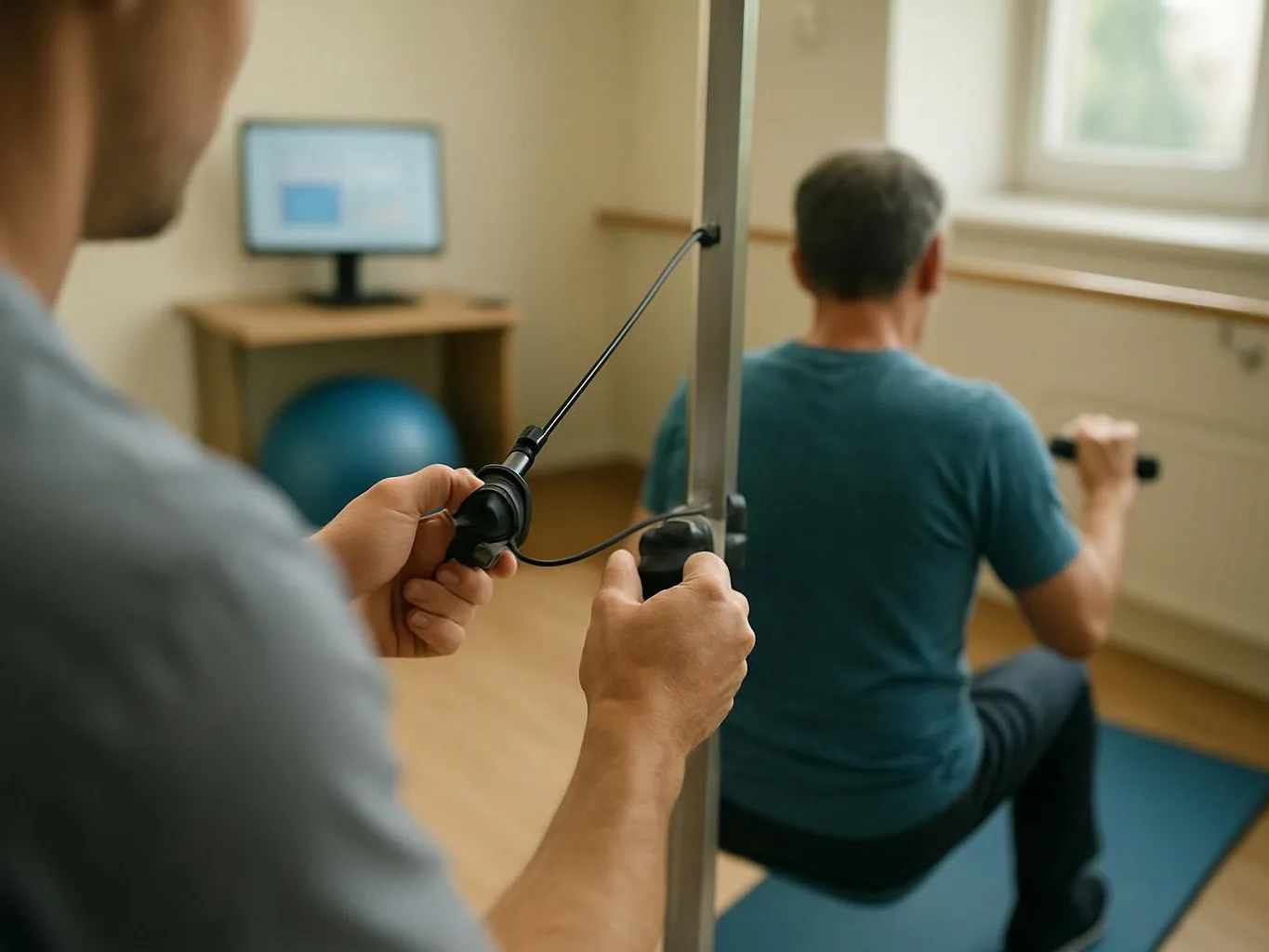
Advanced Injury Care Clinic uses gradual traction during spinal decompression therapy, with the patient positioned in a comfortable harness. The visit starts with an assessment and explanation of the setup. Treatment takes place on a spinal decompression table, and comfort remains part of the discussion. Follow-up care depends on the patient’s response and goals.
How does a spinal decompression visit move from the first call to the last step?
The visit moves from intake and examination to treatment planning, table setup, controlled traction, and progress review. Patients discuss symptoms and goals before care begins. Our team explains related options when adjustments, exercises, or massage therapy may support the plan. The final step is a clear discussion of follow-up care.
Which part of treatment changes how long a visit takes?
The assessment, table setup, treatment plan, and related care needs influence the visit length. Each patient receives a plan based on symptoms and clinical findings. Our team discusses the expected treatment steps before care begins. Patients should ask about the planned session and any follow-up work during the consultation.
How can I tell whether spinal decompression therapy fits my condition?
A clinical assessment determines whether spinal decompression therapy fits your symptoms and health history. The review considers back pain, neck pain, sciatica, movement limits, and prior injuries. Our team may discuss adjustments, physical therapy, or exercises when another approach better matches the findings. A consultation gives you the clearest next step.
What changes the cost of spinal decompression therapy?
The assessment, treatment plan, number of related services, and care needs influence the cost. Advanced Injury Care Clinic offers free consultations for patients who want to discuss options first. Patients can ask which services the plan includes and how each service relates to the stated treatment goal.
Why might traction not be the right choice for back pain?
Traction may not fit when the examination points to another cause or treatment need. The clinical review considers symptoms, movement, health history, and injury details before care begins. Our team can discuss adjustments, therapeutic exercises, physical therapy, or other non-invasive options when they better match the patient’s condition.
What should I bring to the first chiropractic appointment?
Patients should bring relevant health information, injury details, symptom notes, and available medical records. The new patient intake helps our team understand the concern and recovery goal. Patients should also mention prior treatment, current symptoms, and activities that make the pain better or worse.