Is a chiropractic adjustment safe for adults?
Health history review helps determine whether an adjustment is appropriate for an adult. Advanced Injury Care Clinic examines symptoms, discusses treatment risks, and selects patient positioning and gentle techniques when they fit. Individual response differs, so patients should share past injuries, current conditions, and any new or unusual symptoms before care begins.
How does a visit move from the first call to the last step?
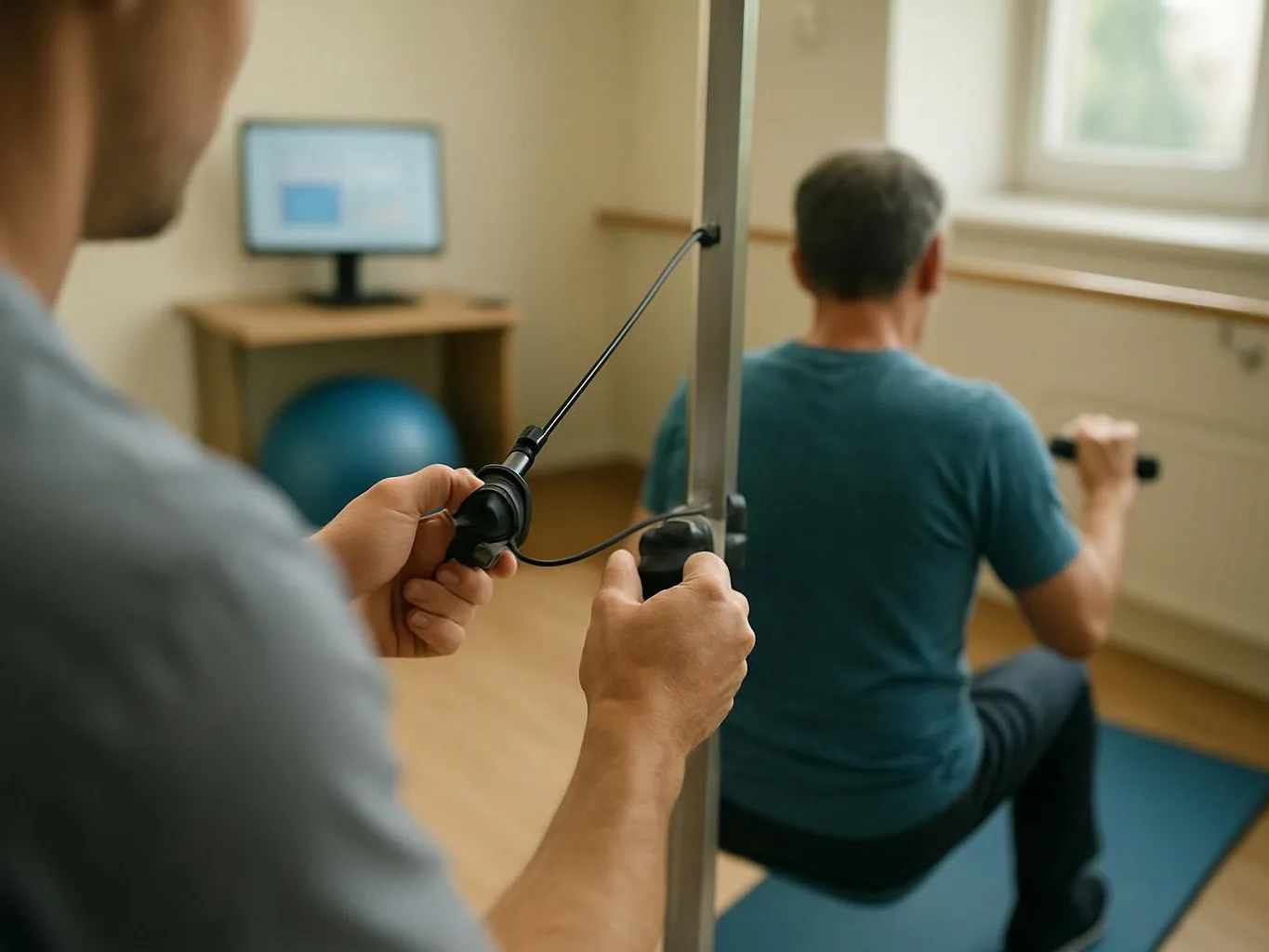
The visit moves from consultation to intake, exam, treatment planning, adjustment, and progress review. Patients first discuss their symptoms and goals. We then assess movement, explain the recommended method, and review follow-up needs after care. The plan may include physical therapy, massage therapy, or therapeutic exercises when appropriate.
What should I bring to my first appointment?
A symptom history and details about past injuries help guide the first appointment. Bring any relevant medical records, imaging reports, medication information, and accident details you have. Patients should also describe what worsens symptoms and what movement feels limited, so the exam can focus on useful findings.
Which part of my condition decides the treatment approach?
The affected area, symptom pattern, movement limits, and health history guide the treatment approach. Neck pain may need different positioning from lower back pain or sciatica. Our team reviews those factors before choosing diversified technique, drop-table adjusting, spinal decompression, or another option.
When should adults ask about gentle techniques?
Gentle techniques are worth discussing when force, positioning, or movement causes concern. We review comfort, symptoms, and exam findings before selecting an approach. The Activator Method, drop-table adjusting, or other controlled methods may fit some patients, but the exam determines what we recommend.
Can chiropractic care address pain after an auto accident?
Chiropractic care can address many symptoms linked with auto accidents, including whiplash, neck pain, back pain, and soft-tissue discomfort. We begin with an injury-focused assessment and treatment plan. Patients should share collision details and any medical care already received so the plan reflects the full situation.
Can an adjustment help a wrist or heel problem?
An adjustment may not be the main treatment for every wrist or heel problem. The exam first checks the affected area and related movement. We then explain whether chiropractic care, soft tissue therapy, therapeutic exercises, or another service best fits the concern.