
Skip to content

Physical Therapy in Nolensville, Tennessee

How many home exercises fit your daily routine matters in Nolensville. We shape the plan around your symptoms, goals, and ability to follow it.

Upfront, Transparent PricingServing 18 CommunitiesMon-Fri: 9 am–7 pm, Sat: 9 am–2 pm, Sun: ClosedFast Scheduling

Quick Summary: Physical Therapy in Nolensville, Tennessee

Physical Therapy in Nolensville is provided by Advanced Injury Care Clinic for pain, reduced movement, and injury recovery. Care covers therapeutic exercises, manual therapy, mobility training, and related chiropractic services across Nolensville, Williamson County, and the greater Nashville area.

  • What we do: Advanced Injury Care Clinic provides Physical Therapy in Nolensville, Tennessee, with assessment-led exercises, manual therapy, and mobility training.
  • What is included: Our care may include therapeutic exercises, soft tissue therapy, spinal decompression, massage therapy, and chiropractic adjustments.
  • What you get: The patient receives a tailored plan that supports easier movement and more comfortable daily activities.

Why does pain keep returning during daily movement?

Pain may return when weakness, limited mobility, or poor movement control remains. Physical therapy checks these factors and builds a plan around the findings.
Physical Therapy for Pain Relief in Nolensville

Physical therapy is for people who want to move with less discomfort after an auto accident, workplace injury, sports injury, or everyday strain. The work may address back pain, neck pain, whiplash, headaches, sciatica, shoulder pain, knee pain, or soft-tissue injuries.

The key decision is whether the plan matches the problem and the person’s daily needs. We assess movement, discuss symptoms, and explain which treatment options fit before care begins.

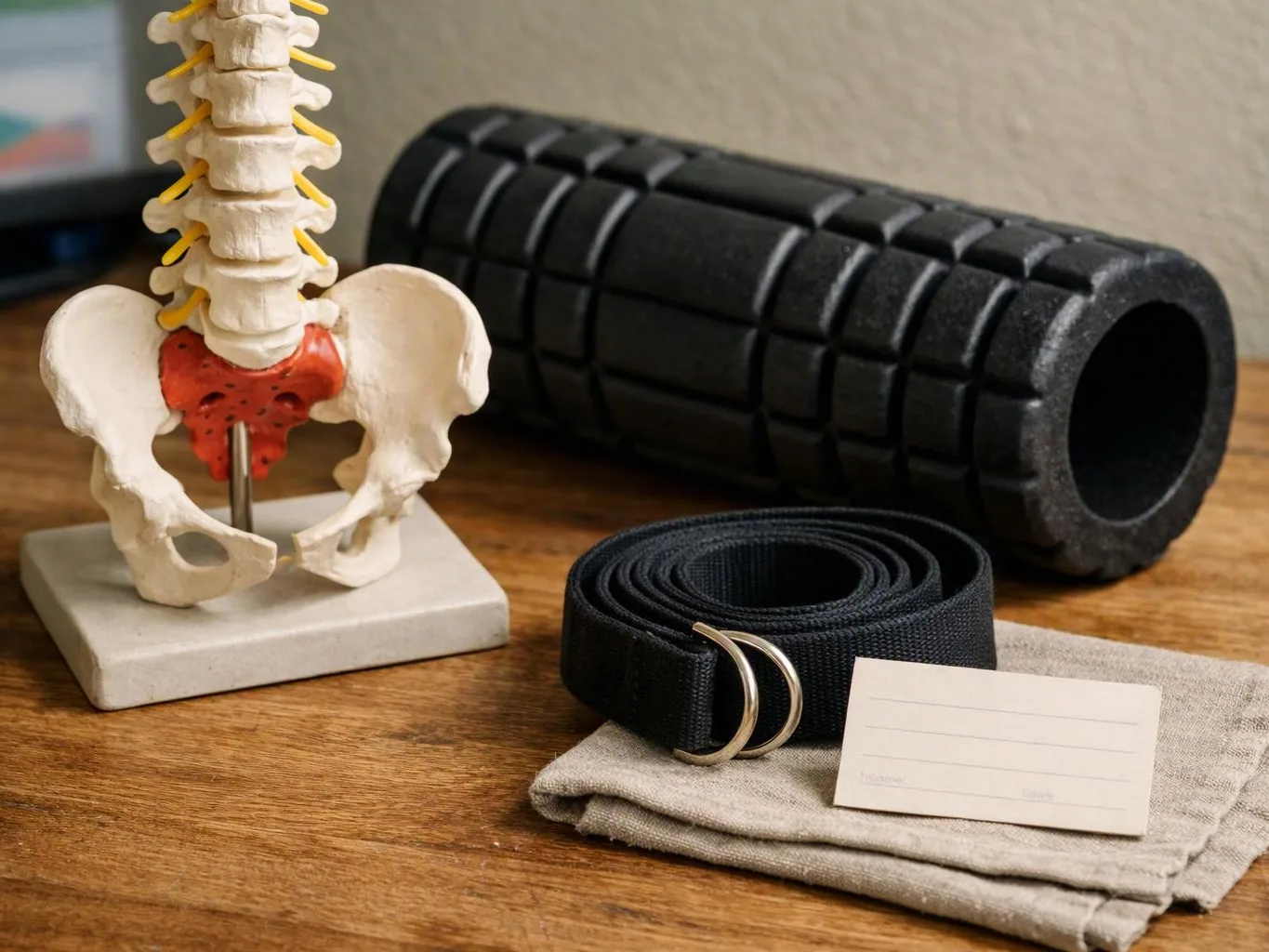
This page focuses on home exercises and how they work with therapeutic exercises, manual therapy, and mobility training. Exercise plans should support the work done during visits, not add strain without guidance.

  • Bring a clear description of where pain starts and which movements change it.
  • Tell us about work, sports, sleep, and daily tasks affected by the injury.
  • Ask how each exercise supports your stated recovery goal.
  • Discuss any symptoms that make a movement feel unsafe or unsuitable.
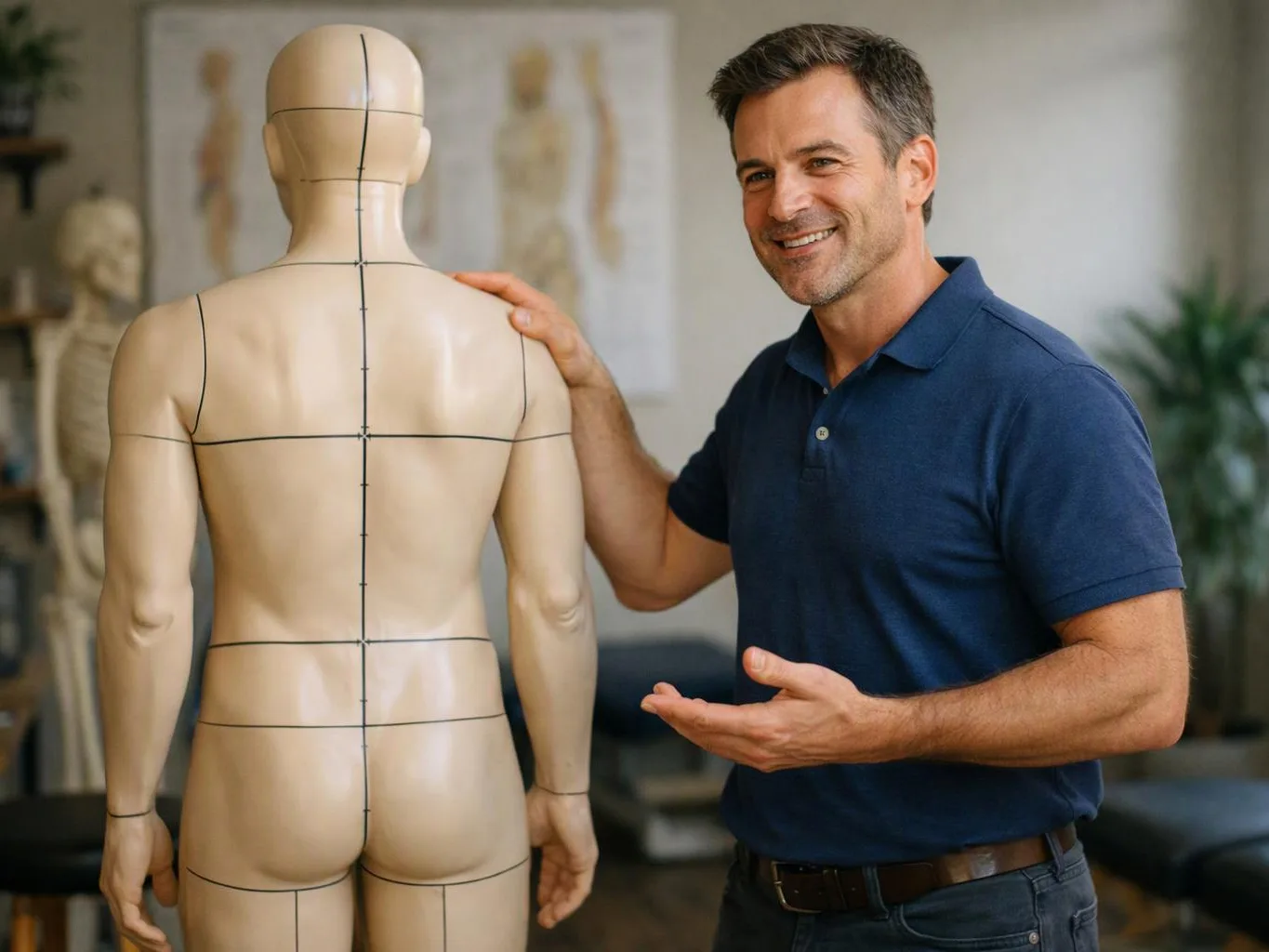
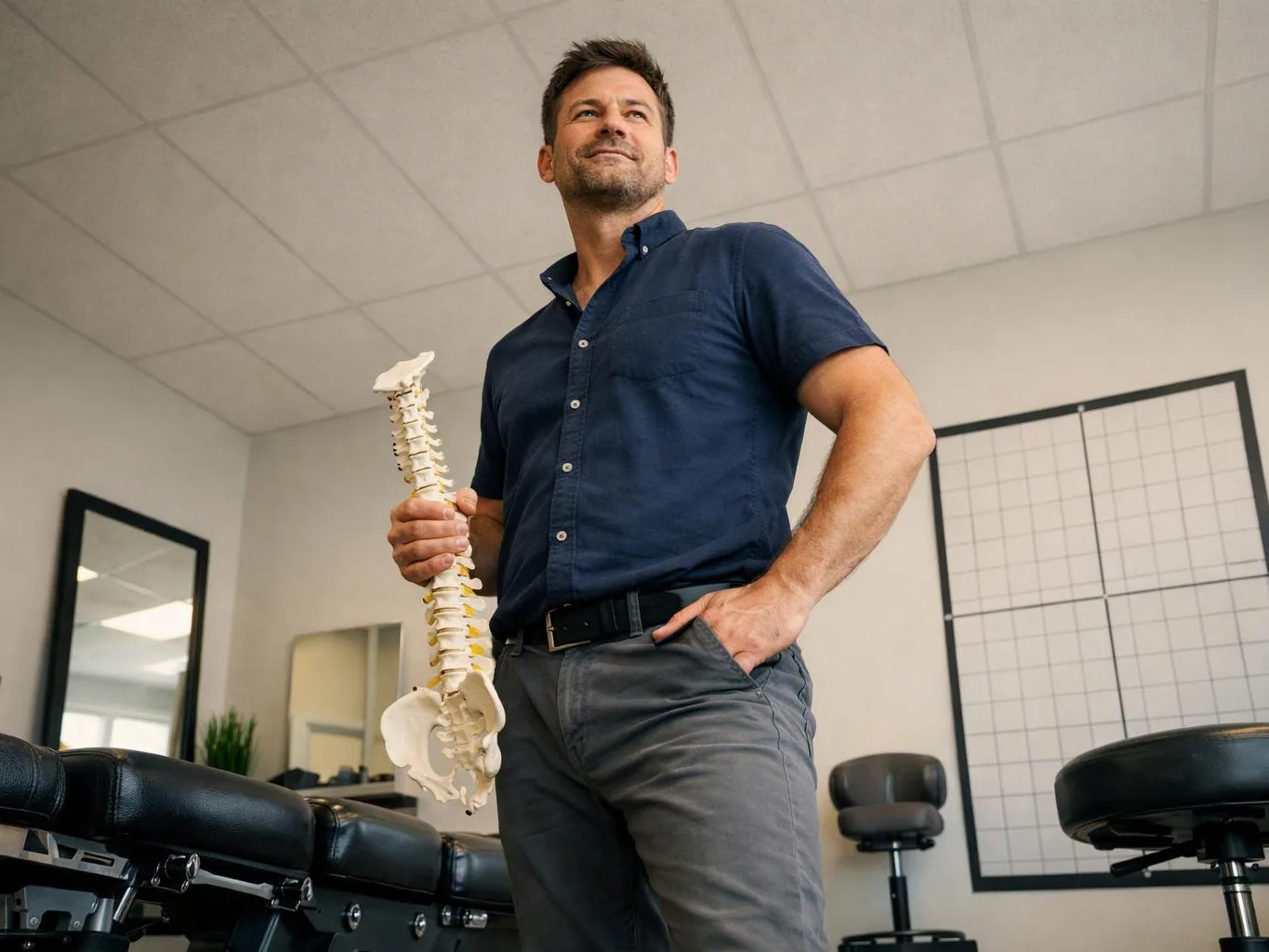
A man stands in a treatment room holding a spine model, with exam tables and stools around him

Service Overview

Physical Therapy is a hands-on care service that uses movement, exercise, and skill-based treatment to support function after pain or injury.

  • It differs from chiropractic adjustments because it focuses more on strength, mobility, movement control, and task-based recovery, though both may be part of one care plan.
  • We provide coverage for Nolensville and surrounding Williamson County communities through individualized care plans.

What Physical Therapy Includes for Pain Relief

Advanced Injury Care Clinic provides comprehensive Physical Therapy in Nolensville. Here's what you get:

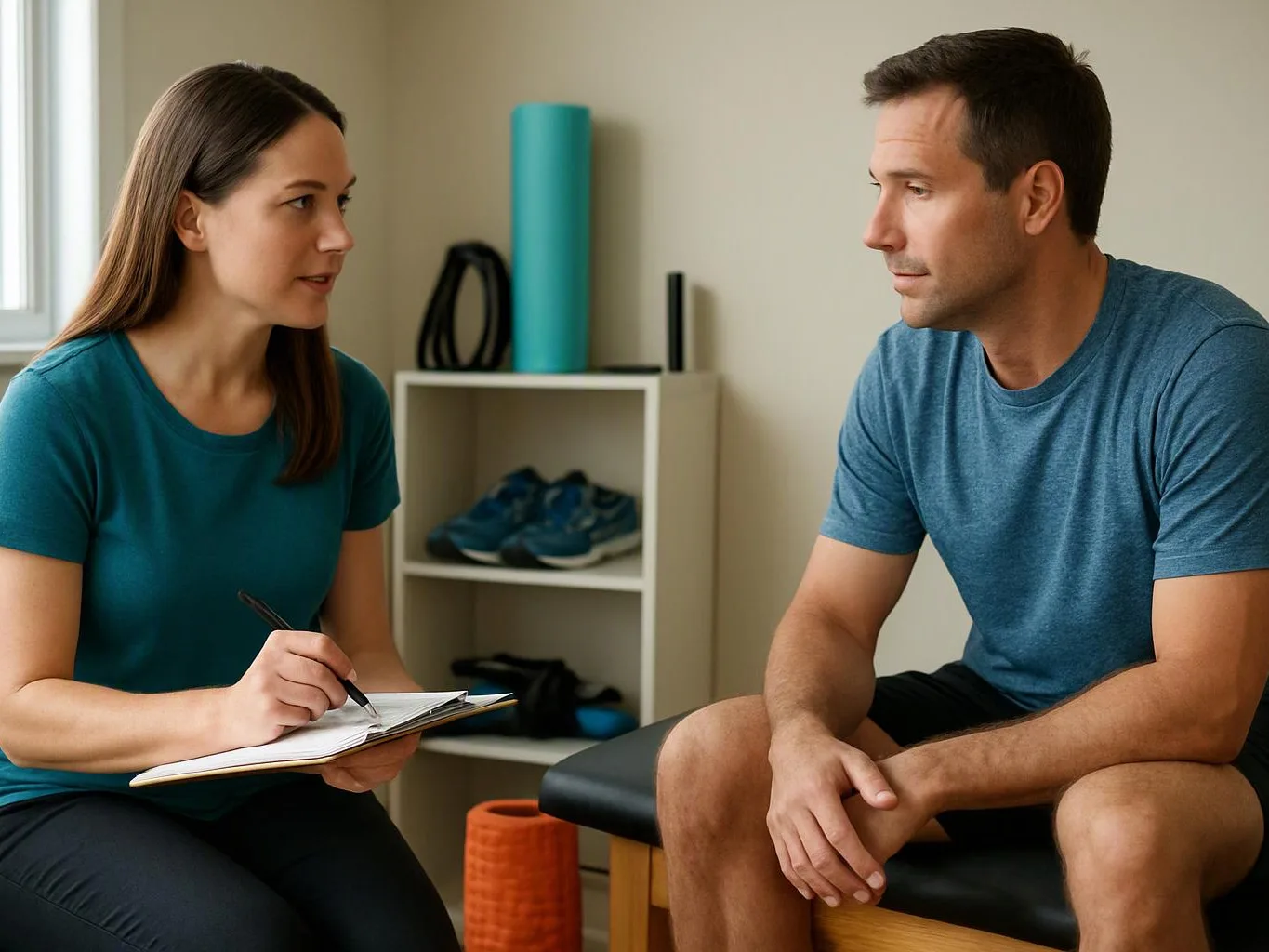
  • We complete a new patient intake, health history, and physical exam.
  • We review movement limits and discuss the symptoms that affect daily activities.
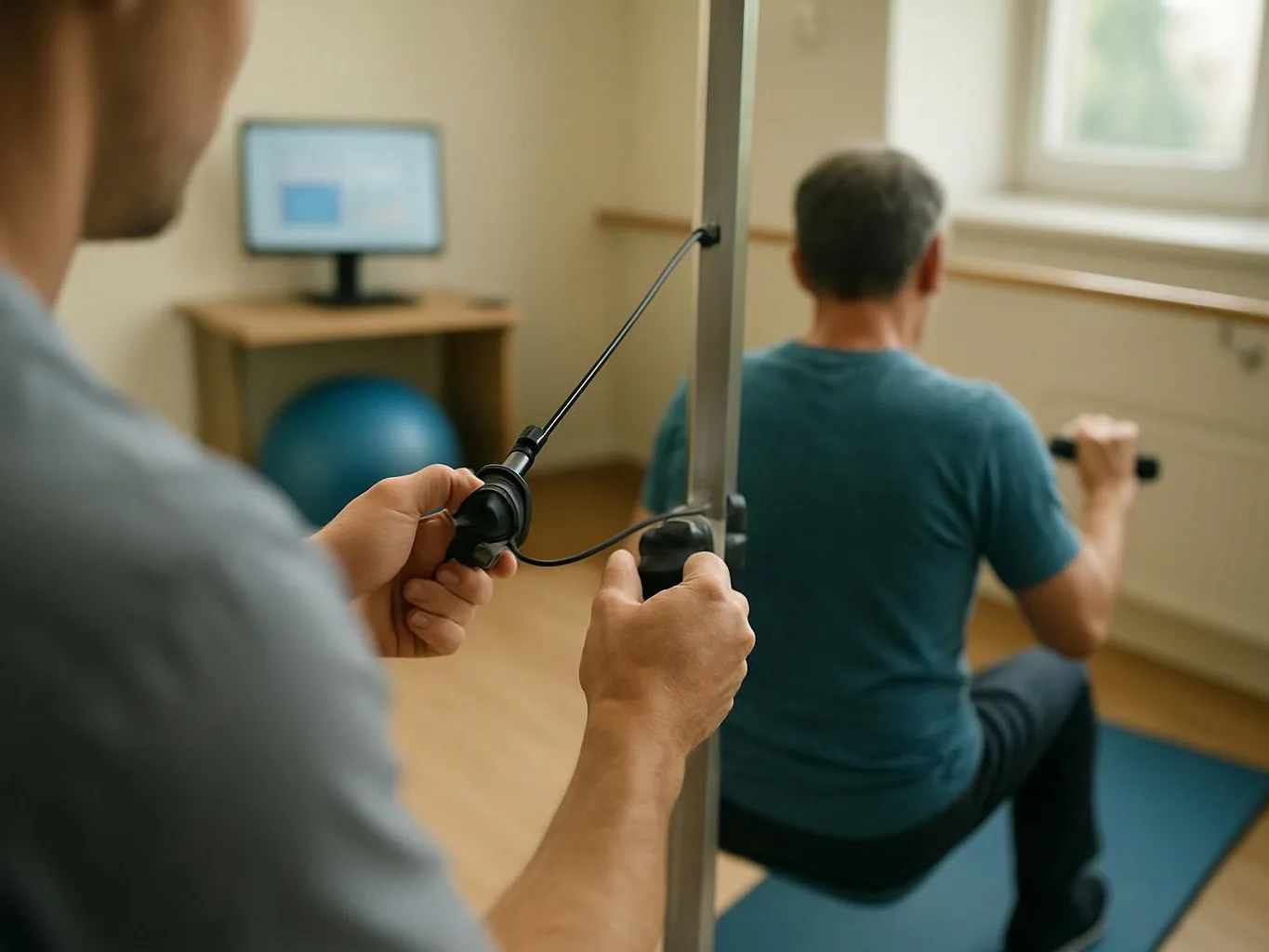
  • We provide therapeutic exercises that match the patient’s current ability and goals.
  • We use manual therapy when hands-on care fits the condition and treatment plan.
  • We add mobility training to support safer, easier movement during daily tasks.
  • We explain home exercises and how they fit with care delivered in the clinic.
Process

How Physical Therapy Moves From Assessment to Home Care

1

Complete the patient intake

We review your health history, symptoms, injury details, and daily goals. This gives the care plan a useful starting point.

2

Check movement and function

We look at range of motion, strength, tenderness, and the movements linked to your pain. X-rays may be considered if clinically indicated.

3

Explain the treatment options

We discuss therapeutic exercises, manual therapy, mobility training, and other suitable non-invasive approaches.

4

Build the care plan

Your plan connects clinic treatment with home exercises and the tasks you want to manage more comfortably.

5

Review progress and adjust

We listen to changes in symptoms and function, then update the plan when your needs change.

How We Approach Pain Relief and Movement

Assessment before exercise selection

Your symptoms and movement patterns guide the first plan. We don't assign exercises without checking whether they fit your condition.

Care that connects clinic and home

The exercises you do between visits should relate to the work completed in the clinic. We explain the purpose of each movement in plain language.

Chiropractor-LED clinical care

Our care combines chiropractic knowledge with physical therapy, massage therapy, therapeutic exercises, and other non-invasive approaches when they suit the patient.

A clear limit for this service

Physical therapy isn't the right first step for every serious or unexplained symptom. We assess the concern and explain the next appropriate option.

What Better Movement Can Support

A focused exercise plan gives you clear actions between visits.

Mobility training may help you handle work, sport, and daily tasks with more control.

Manual therapy may support movement when stiff or sore areas limit exercise.

A tailored plan keeps treatment connected to your symptoms and recovery goals.

Regular maintenance may support function after the main injury concern settles.

Choosing the Right Movement-Focused Care

This comparison shows how common care options differ by their main focus.

Care optionMain focusWhen it may fit
Physical therapyStrength, mobility, and movement controlReduced function after pain, strain, or injury
Chiropractic careSpinal and joint-focused careBack, neck, and related musculoskeletal concerns
Massage therapySoft-tissue comfort and relaxationMuscle tightness when hands-on care is suitable

The Advanced Injury Care Clinic Standard

  • Thorough Assessments
  • Tailored Care Plans
  • Clear Explanations
  • Appropriate Techniques

Questions About Pain Relief and Movement Care

What do home exercises involve for pain relief?

Home exercises reinforce the treatment plan between clinic visits. Advanced Injury Care Clinic selects movements after reviewing your symptoms, strength, and mobility. The plan may support stretching, control, or strength, depending on the condition. Tell us if a movement increases pain, feels unsafe, or does not fit your daily routine so we can reassess it.

Who is a good fit for physical therapy, and who needs a different service?

Physical therapy suits people with pain, weakness, stiffness, or reduced function after injury or strain. Our team checks whether movement-based care fits your symptoms. Serious or unexplained symptoms may need another medical assessment first. We explain the concern and discuss the next suitable step during the evaluation.

What happens at each stage of physical therapy?

The process starts with an intake and movement assessment, then moves into treatment planning and guided care. It includes:

  1. Health history and symptom review.
  2. Movement and function checks.
  3. Therapeutic exercises, manual therapy, or mobility training when suitable.
  4. Home guidance and progress review.

We adjust the plan when your needs change.

What does the clinic look at first during physical therapy?

The first check focuses on your health history, pain pattern, movement limits, and daily goals. We ask what tasks increase symptoms and examine related strength and mobility. Those findings guide the treatment plan. X-rays may be considered when they are clinically indicated.

Which is better for lower back pain, chiropractic care or physical therapy?

Physical therapy is often the better fit when weakness, limited mobility, or movement control drives the problem. Chiropractic care may fit when joint or spinal treatment is part of the plan. Advanced Injury Care Clinic offers both approaches, so the assessment guides the choice. Individual response differs, and no result is guaranteed.

How does manual therapy fit with exercise-based care?

Manual therapy may support movement when stiffness or soft-tissue limits make exercise difficult. We use hands-on care only when it fits the assessment and stated goal. Therapeutic exercises then help you practice controlled movement. The two methods can work together within one personalized treatment plan.

Why might pain return after an exercise plan starts?

Pain may return when the exercise load, movement pattern, or underlying injury needs review. Our team asks what changed and checks the related motion or task. We may adjust the exercise, add manual therapy, or change the mobility focus. New or worsening symptoms should be discussed before you continue a painful movement.
Contact

Discuss Physical Therapy in Nolensville

Book a free consultation to discuss your pain, movement goals, and home exercises. After you reach out, we can review your concerns, explain the assessment, and outline suitable next steps.

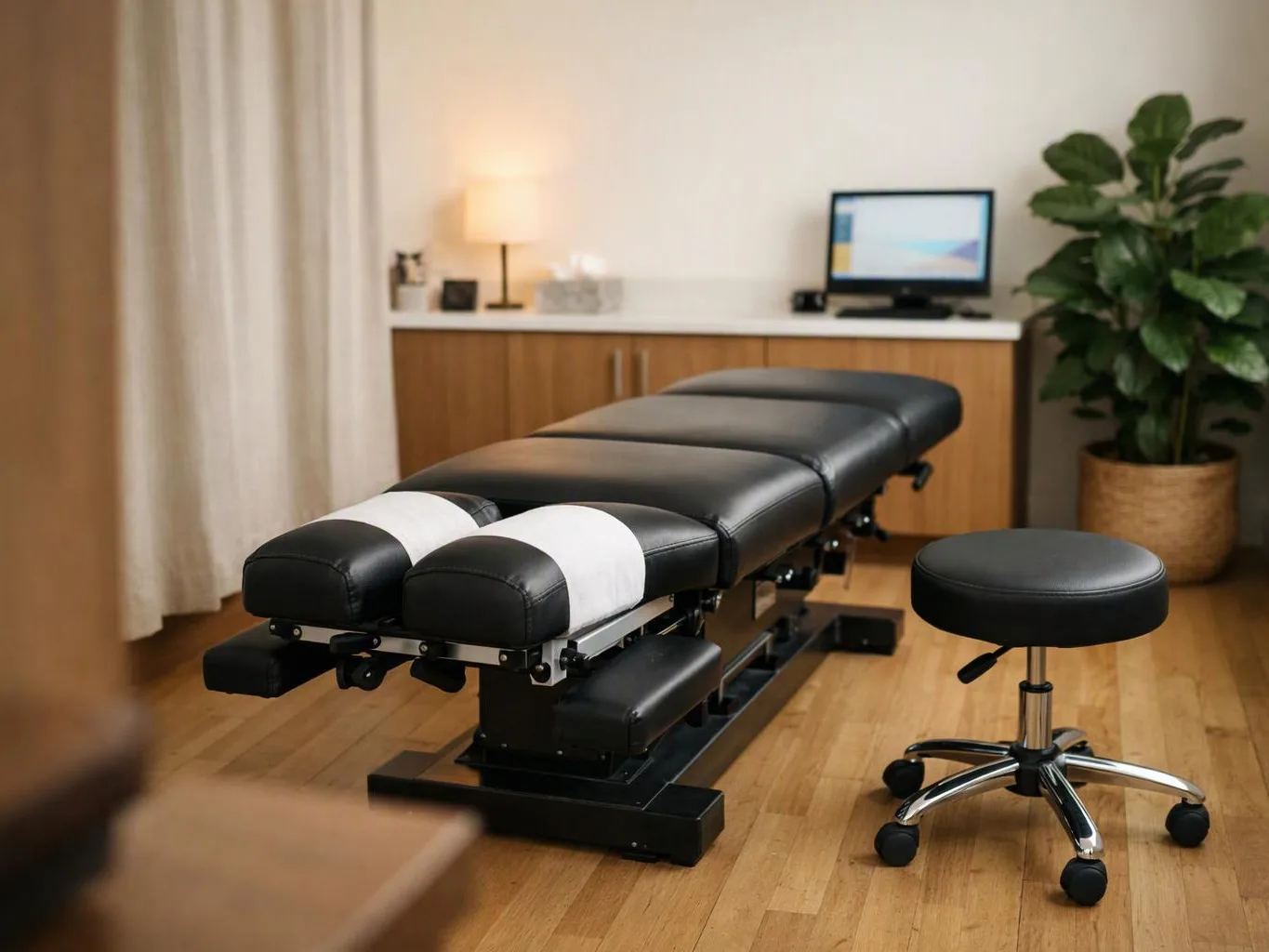
An empty massage table sits in a calm treatment room beside a stool, cabinet, lamp, monitor, and potted plant

ZIP Codes We Serve in Nolensville, Tennessee

37135

The health and wellness information on this website is for general informational purposes only and is not medical advice. It does not create a provider-patient relationship. Always consult a qualified licensed provider in Brentwood, Tennessee, United States about your specific condition before making care decisions. Individual results vary.

(615) 265-0412