
Skip to content

Postural Correction in Thompson's Station, Tennessee

Stretching routines help build a steadier posture plan in Thompson's Station. We pair them with assessment, movement guidance, and care that fits your needs.

Upfront, Transparent PricingServing 18 CommunitiesMon-Fri: 9 am–7 pm, Sat: 9 am–2 pm, Sun: ClosedFast Scheduling

Quick Summary: Postural Correction in Thompson's Station, Tennessee

Postural Correction in Thompson's Station is provided by Advanced Injury Care Clinic for posture concerns, back pain, neck pain, and movement limits. Care includes chiropractic adjustments, physical therapy, massage therapy, and therapeutic exercises across Williamson County and the greater Nashville area.

  • What we do: Advanced Injury Care Clinic provides Postural Correction in Thompson's Station, Tennessee through chiropractic assessment, manual adjustments, therapeutic exercises, and movement education.
  • What is included: We provide health history reviews, movement checks, chiropractic adjustments, spinal decompression, physical therapy, massage therapy, and therapeutic exercises.
  • What you get: Your care plan identifies movement limits and sets practical steps that support better posture and daily function.

Why does poor posture keep causing back or neck pain in Thompson's Station, Tennessee?

Posture-related pain can continue when daily movement habits place repeated stress on the spine, joints, or soft tissue. An assessment helps identify movement limits, injury history, and areas that need care. Manual adjustments, therapeutic exercises, and posture education may support better movement, but individual response differs.

Tailored Solutions for Thompson's Station

Postural correction focuses on how your spine, joints, muscles, and daily movement work together. It may fit people with back pain, neck pain, headaches, sciatica, shoulder pain, or discomfort that returns during work, sport, or routine activity.

The key decision is whether your concern needs movement-based care, injury treatment, or another medical evaluation. We begin with a new patient intake, health history, and exam. X-rays may be considered if clinically indicated, and we explain the findings before setting a personalized treatment plan.

This page is for people seeking focused posture care in Thompson's Station, not a general list of every clinic service. Your plan may include manual adjustments, soft tissue therapy, strengthening work, breathing drills, and home guidance. Postural correction isn't the right first step for every symptom, especially when severe or sudden symptoms need prompt medical attention.

  • Share when the posture concern began and what activities make it worse.
  • Bring relevant health records or injury details when available.
  • Ask how manual adjustments, exercises, and home practice fit together.
  • Confirm which findings will guide the personalized treatment plan.
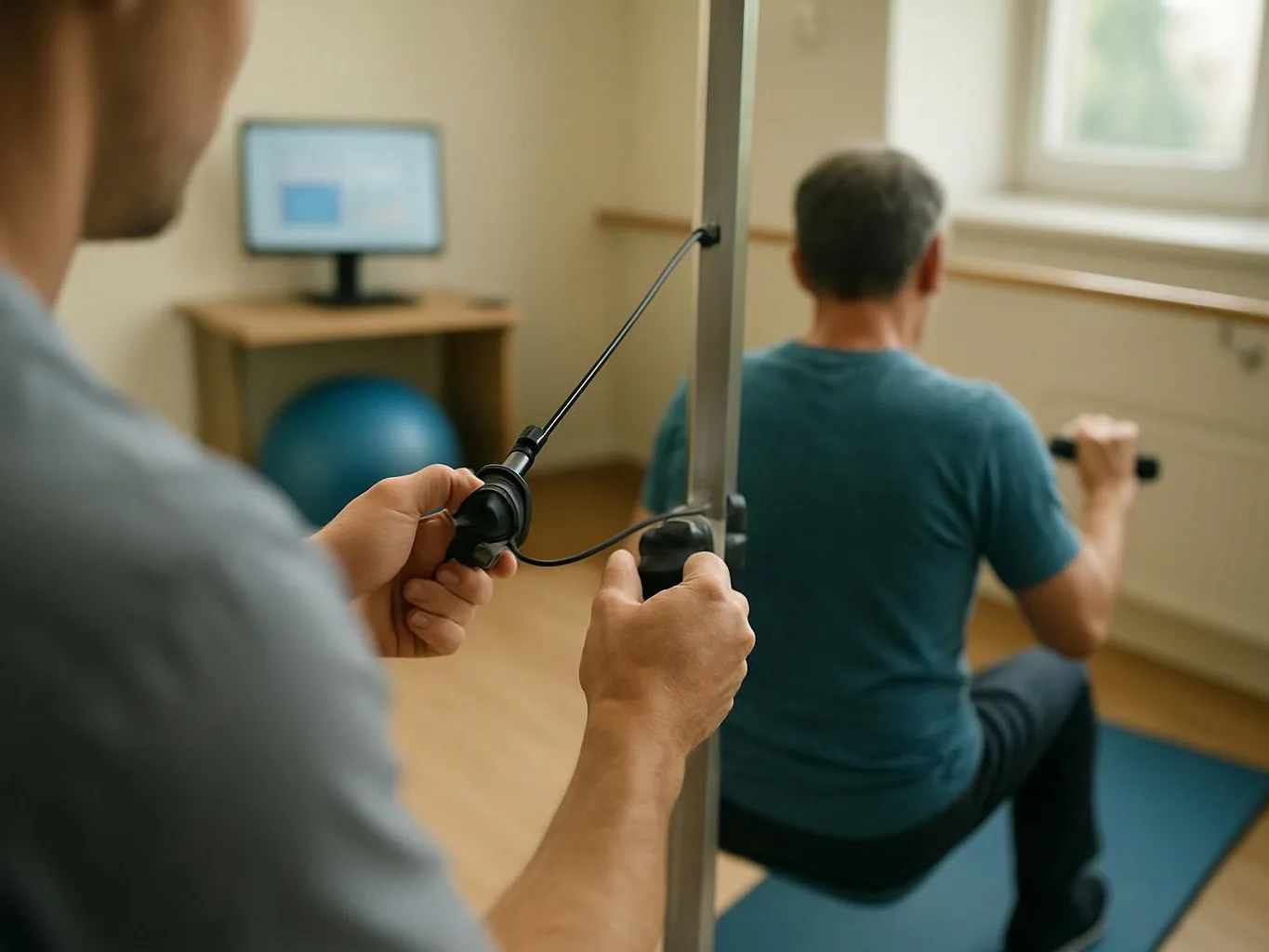
A therapist adjusts a cable machine while a man rows on a mat in a bright exercise room

Service Overview

Postural correction is a care process that addresses movement habits, alignment, strength, and body control.

  • It differs from massage therapy because it also uses movement education, therapeutic exercises, and chiropractic adjustments when appropriate.
  • We provide this care for patients in Thompson's Station and nearby Williamson County communities.
Process

How We Build a Posture Care Plan

1

Complete the new patient intake

We review your health history, symptoms, prior injuries, and current goals before treatment begins.

2

Assess movement and joint function

Our team checks posture, range of motion, muscle control, and areas linked to your concern. X-rays are considered if clinically indicated.

3

Explain the report of findings

We discuss what the exam shows and answer questions about manual adjustments, exercises, soft tissue therapy, or other suitable care.

4

Set the personalized treatment plan

Your plan may combine chiropractic care, physical therapy, massage therapy, therapeutic exercises, and home posture guidance.

5

Review progress and next steps

We use follow-up care and progress re-examination to discuss what is helping and whether the plan needs adjustment.

What You Get From Focused Posture Care

A plan based on your assessment

Organizations and individuals in Thompson's Station count on practical guidance and consistent execution.

Care that connects treatment and practice

Adjustments may address joint motion while exercises and posture education help you apply new movement habits. Your plan can also include physical therapy or massage therapy when those services fit.

A clear limit on scope

Postural correction isn't a substitute for urgent medical care or treatment of every cause of pain. We discuss other next steps when your symptoms fall outside this service.

What Better Posture Support Can Change

Movement education gives you clearer steps for daily sitting, standing, and lifting.

Strength exercises may improve control around the spine and nearby joints.

Manual adjustments may support joint motion when stiffness contributes to discomfort.

Breathing drills can help you practice steadier body control during movement.

Regular maintenance may help you stay aware of habits that place strain on your body.

What Postural Correction Includes for Your Care

Advanced Injury Care Clinic provides comprehensive Postural Correction in Thompson's Station. Here's what you get:

  • We complete a new patient intake, health history review, and physical exam.
  • We assess posture, joint motion, muscle control, and movement habits.
  • We explain whether chiropractic adjustments, soft tissue therapy, or exercises fit your needs.
  • We create a personalized treatment plan based on your condition and recovery goals.
  • We may include spinal decompression, physical therapy, massage therapy, or therapeutic exercises when appropriate.
  • We review practical posture education and home movement guidance.

How Posture Care Methods Differ

These methods address different parts of movement, and a plan may use more than one.

Care methodMain focusHow we use it
Manual adjustmentsJoint motionHands-on care when supported by the exam
Strength exercisesMuscle controlActive practice for support and movement
Posture educationDaily habitsGuidance for sitting, standing, lifting, and movement

The Advanced Injury Care Clinic Standard

  • Thorough Assessments
  • Tailored Care Plans
  • Clear Explanations
  • Appropriate Techniques

Questions About Posture-Focused Chiropractic Care

What techniques are used for postural correction?

Stretching routines are one technique used with manual adjustments, strength exercises, breathing drills, and posture education.

We choose the mix after reviewing your movement and health history.

  • Manual adjustments address joint motion when appropriate.
  • Strength exercises build control around the spine and joints.
  • Breathing drills support body awareness during movement.
  • Posture education connects care with daily habits.

Individual response differs, so the plan is adjusted to your findings.

What should be ready before postural correction starts?

Your symptom history and current health details should be ready before postural correction starts.

Bring relevant medical records, injury information, and a list of concerns you want addressed.

  • Note when symptoms began.
  • Describe movements that worsen or ease them.
  • Share prior treatment details when available.

This information helps us plan the exam and explain suitable care.

What should I ask before agreeing to posture treatment?

Ask which findings support the proposed treatment and how progress will be reviewed. The plan should explain the role of adjustments, exercises, home practice, and any added service. Ask what symptoms require another type of medical care. A clear discussion helps you understand the purpose and limits of each treatment before you decide.

Which condition changes the time needed for posture care?

The condition that changes the time needed is the complexity of your symptoms and movement limits. A recent injury, restricted joint motion, weakness, or several painful areas may require a broader assessment. We review those findings during intake and explain the next step. No fixed duration is promised because each care plan reflects the patient’s needs.

How does a chiropractor decide whether adjustments fit?

Manual adjustments fit when the exam supports a need to address joint motion. We review your health history, symptoms, range of motion, and relevant injury details first. The report of findings explains whether adjustments belong in your plan. Exercises, soft tissue therapy, or another approach may be considered when those findings point elsewhere.

When should posture pain receive another medical evaluation?

Sudden severe symptoms, major weakness, loss of balance, or other alarming changes need prompt medical evaluation. Posture care is not a substitute for emergency treatment or diagnosis of every serious condition. Tell us about new or worsening symptoms during intake. We can explain whether our service fits or whether another medical step should come first.

Why include breathing drills in a posture plan?

Breathing drills can help you practice body control while you work on posture and movement. They give you a simple way to notice rib, trunk, and shoulder motion during exercises. We include them only when they fit your assessment and goals. They support education and practice, but they do not replace needed medical care.
Contact

Discuss Postural Correction in Thompson's Station

A consultation helps identify the movement concerns behind your posture goals and the care options that fit. Contact Advanced Injury Care Clinic to discuss your next step.

A man writes on a clipboard while talking with a woman seated on a couch in a living room

The health and wellness information on this website is for general informational purposes only and is not medical advice. It does not create a provider-patient relationship. Always consult a qualified licensed provider in Brentwood, Tennessee, United States about your specific condition before making care decisions. Individual results vary.

(615) 265-0412