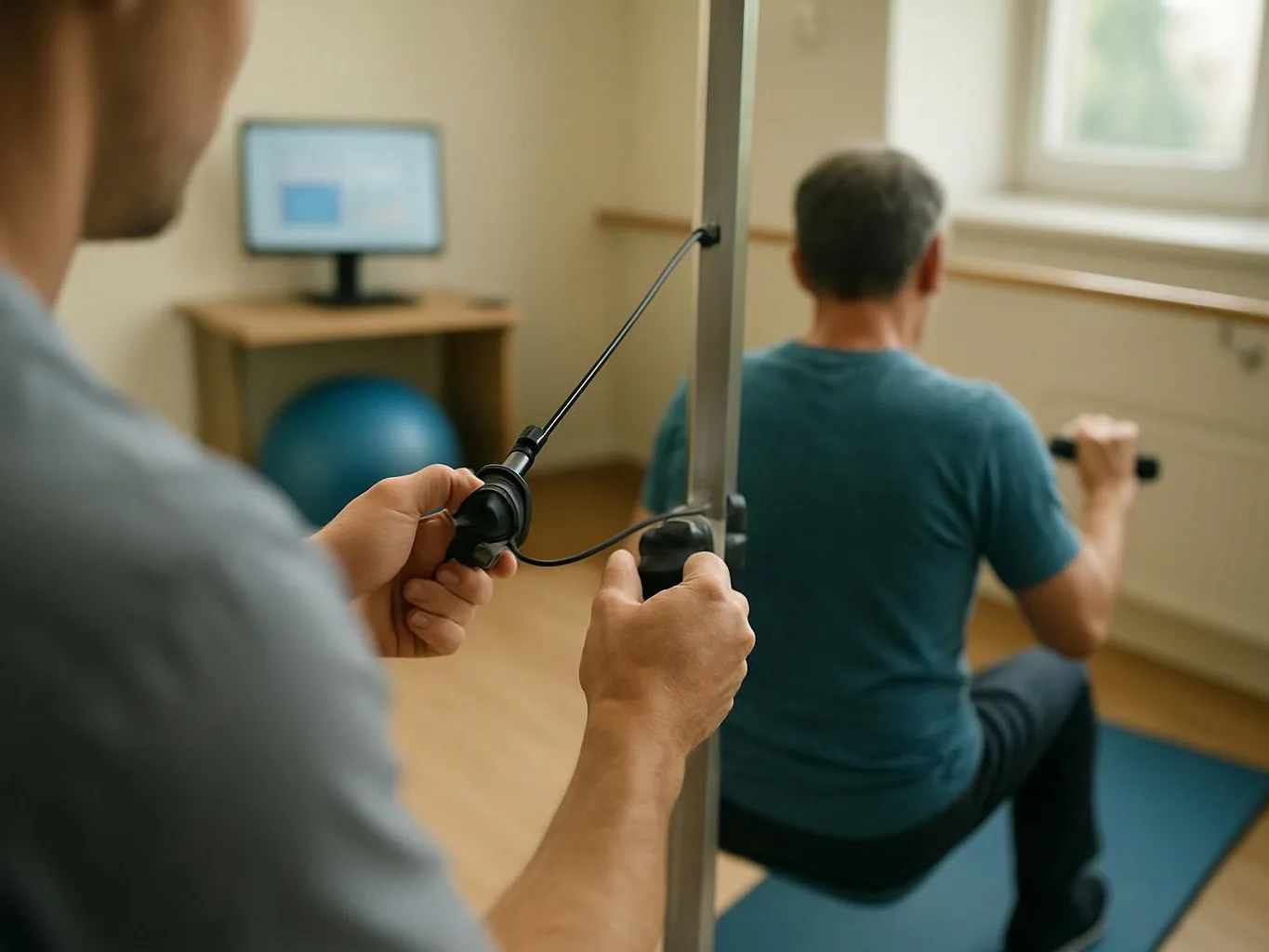
How can postural correction improve daily comfort?
Advanced Injury Care Clinic uses postural correction to address spinal alignment, movement habits, joint mobility, and muscle support. The first visit reviews your health history and movement. Care may include adjustments, therapeutic exercises, massage therapy, or spinal decompression when those options fit your needs. Individual response differs, so the plan is reviewed as care continues.
What should be ready before postural correction starts?
A health history, symptom list, and record of prior injuries help prepare for postural correction. Bring medical records or imaging if they relate to your concern. Also note which tasks, positions, or movements increase discomfort. That detail helps our team connect the assessment with your daily routine.
Which condition changes the time needed for posture care?
The condition of your joints, muscles, symptoms, and prior injuries can change the care plan. A focused assessment shows whether treatment needs adjustments, exercises, soft tissue therapy, or another approach. Your response during care also guides progress reviews. No fixed treatment duration applies to every patient.
What should I ask before agreeing to posture treatment?
Ask which findings support the proposed treatment and how each step relates to your goal. You can also ask about adjustments, exercises, spinal decompression, expected follow-up, and signs that need medical review. Clear answers help you choose care that fits your symptoms and comfort.
How does a chiropractor assess posture-related pain?
A chiropractor reviews your health history, symptoms, posture, movement, and joint function during an exam. X-rays may be considered if clinically indicated. The findings support a report of findings and a personalized treatment plan. Assessment helps separate movement-related concerns from issues that need another type of care.
When should back or neck discomfort receive medical review?
Back or neck discomfort needs medical review when symptoms change, worsen, or include concerns outside routine movement strain. Our team asks about the injury history and related symptoms before planning care. Patients should share urgent or unusual symptoms clearly so the next step is safe and appropriate.
Why might exercises be part of a chiropractic care plan?
Therapeutic exercises help support movement control and muscle balance between visits. Adjustments may address joint motion, while exercises help you practice useful movement patterns. We choose exercises according to your assessment, comfort, and daily goals. Individual response differs, so exercise choices can change during progress reviews.