Skip to content

Postural Correction in Pegram, Tennessee

A clinical assessment guides care for uneven hips in Pegram. We review posture, movement, and symptoms before building a treatment plan.

Upfront, Transparent PricingServing 18 CommunitiesMon-Fri: 9 am–7 pm, Sat: 9 am–2 pm, Sun: ClosedFast Scheduling

Quick Summary: Postural correction care in Pegram, Tennessee

Postural Correction in Pegram is provided by Advanced Injury Care Clinic for posture concerns involving uneven hips, spinal stiffness, and related strain. Care includes an evaluation and a personalized treatment plan, with coverage for Pegram and surrounding Williamson County communities.

  • What we do: Advanced Injury Care Clinic provides Postural Correction for patients in Pegram, Tennessee, with assessment-led care for posture concerns and related movement limits.
  • What is included: Key capabilities include posture assessment, chiropractic adjustments, therapeutic exercises, physical therapy, massage therapy, and personalized treatment planning.
  • What you get: The patient receives a clear care plan for improving posture, supporting movement, and addressing related discomfort.

What posture problems can postural correction address in Pegram, Tennessee?

Postural correction can address uneven hips, forward head posture, rounded shoulders, spinal stiffness, and lower back strain. An examination helps connect posture findings with symptoms and movement limits. Care then focuses on suitable adjustments, exercises, or supportive therapies.

Postural Correction in Pegram, Tennessee for uneven hips and posture strain

Postural correction focuses on how posture, joint motion, muscle tension, and daily habits work together. This page is for people who notice uneven hips, forward head posture, rounded shoulders, stiffness, or lower back strain.

The main decision is whether posture-focused care fits the problem. Our team assesses your health history, movement, and symptoms before discussing adjustments, therapeutic exercises, massage therapy, physical therapy, or other non-invasive options.

Care in Pegram follows the same individualized approach we use across the surrounding Williamson County communities. The goal is a useful plan that matches your symptoms, activity needs, and recovery stage.

  • Note when posture-related discomfort appears during sitting, standing, walking, or exercise.
  • Bring relevant health history and details about injuries, pain, or movement limits.
  • Ask which parts of care address joint motion, muscle tension, and daily movement habits.
  • Review the treatment plan before starting adjustments, exercises, or supportive therapies.
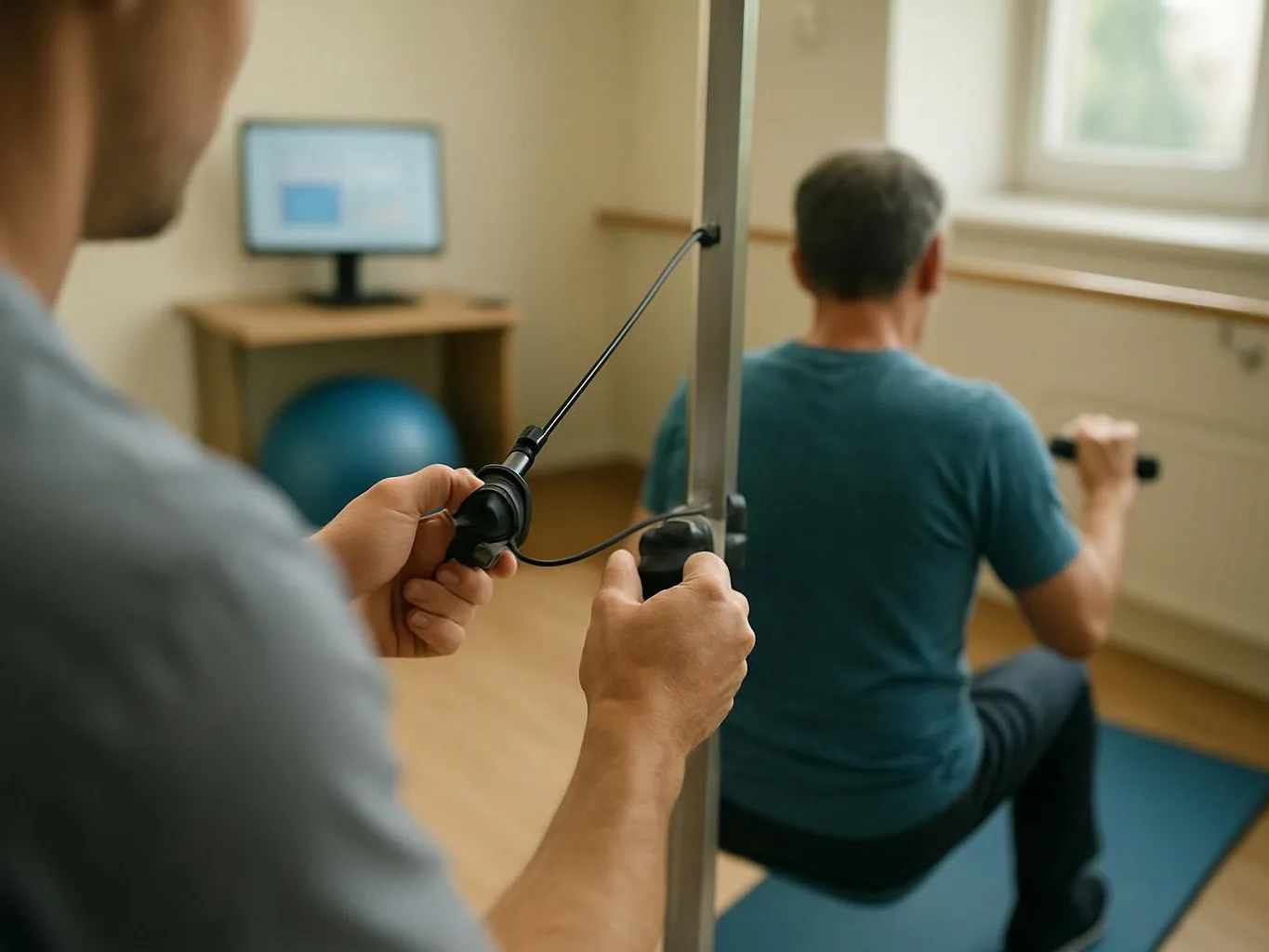
A therapist adjusts a cable machine while a man rows on a mat in a bright exercise room

Service Overview

Postural correction is a care process that assesses posture and movement, then supports better alignment and function.

  • Unlike a single adjustment, postural correction may include exercises, soft tissue therapy, physical therapy, and follow-up checks.
  • Advanced Injury Care Clinic provides this care for patients in Pegram and surrounding Williamson County communities.
Process

How our team approaches posture-focused care

1

Complete the new patient intake

We review your health history, symptoms, injury details, activity needs, and current concerns.

2

Assess posture and movement

The examination checks alignment, joint motion, muscle tension, and movement patterns linked to your symptoms.

3

Explain the report of findings

We discuss what the assessment shows and answer questions about suitable chiropractic, exercise, or supportive care.

4

Build the treatment plan

Your plan may include adjustments, spinal decompression, physical therapy, massage therapy, or therapeutic exercises.

5

Review progress and next steps

Follow-up checks help us discuss changes in movement, symptoms, and the continued fit of your care plan.

A client scenario this service addresses

A person in Pegram who notices one hip sitting higher than the other may seek posture-focused care after long periods of sitting or activity. We assess posture, joint motion, muscle tension, and related symptoms before discussing a suitable plan. The visit helps separate a posture concern from an issue that needs another form of evaluation.

What you get from a focused posture assessment

A plan based on your findings

Your assessment guides the care plan, so treatment relates to your symptoms, movement, and goals. We don't apply the same approach to every patient.

Several non-invasive care options

Adjustments, spinal decompression, massage therapy, physical therapy, and therapeutic exercises may all have a place when they fit the clinical picture.

A clear limit on the service

Postural correction is not the right first step for every concern. Severe or unexplained symptoms need appropriate medical evaluation before posture-focused care proceeds.

What posture-focused care can change for you

You get a clearer link between posture findings and the discomfort you notice.

Targeted exercises may support steadier movement during work, rest, and daily tasks.

Care can address joint motion and soft tissue tension in the same treatment plan.

A personalized plan helps keep treatment focused on your symptoms and recovery needs.

Regular maintenance may support continued attention to movement habits after active care.

What postural correction includes for your care plan

Advanced Injury Care Clinic provides comprehensive Postural Correction in Pegram. Here's what you get:

  • A new patient intake that records your health history, symptoms, and activity concerns.
  • A posture and movement exam that checks alignment, joint motion, and areas of strain.
  • A report of findings that explains what the assessment shows and which care options fit.
  • Chiropractic adjustments selected according to your condition and treatment goals.
  • Therapeutic exercises that support posture, strength, mobility, and daily function.
  • Follow-up review that checks progress and guides the next stage of care.

Posture care options and their main focus

The table shows how common care options address different parts of a posture-focused plan.

Care optionMain focusWhen it may fit
Chiropractic adjustmentsJoint motion and spinal functionWhen the assessment supports adjustment-based care
Therapeutic exercisesStrength, mobility, and movement habitsWhen active practice supports daily function
Massage therapySoft tissue tension and comfortWhen muscle tension contributes to movement limits
Physical therapyMovement control and functional recoveryWhen guided exercise supports the care plan

The Advanced Injury Care Clinic Standard

  • Thorough Assessments
  • Tailored Care Plans
  • Clear Explanations
  • Appropriate Techniques

Questions about posture-focused chiropractic care

What posture problems can postural correction address?

Uneven hips, forward head posture, rounded shoulders, spinal stiffness, and lower back strain are posture concerns we assess. Advanced Injury Care Clinic connects posture findings with movement and symptoms before recommending care. The plan may include adjustments, therapeutic exercises, massage therapy, or physical therapy when those options fit.

How does a posture visit move from the first call to the last step?

The visit moves from intake and examination to findings, treatment planning, and follow-up review. We first discuss your health history and symptoms. The exam then checks posture and movement. After the report of findings, we explain suitable care and review progress during later visits.

Which part of the body decides the scope of posture-focused care?

The assessed movement pattern and symptoms decide the scope of posture-focused care. We examine the spine, hips, shoulders, muscles, and related joints. Uneven movement or strain in one area can affect the plan, but the full assessment guides which treatments fit.

Which material changes how long posture care takes?

No material determines treatment time because posture care is not a construction service. The health history, exam findings, symptoms, selected treatments, and follow-up needs shape the care process. We discuss those factors during the consultation instead of assigning a fixed schedule before assessment.

Why might posture concerns cause lower back strain?

Posture concerns may change how the spine, hips, and muscles share load during daily movement. The assessment checks joint motion, muscle tension, and activities that bring on strain. Our team then explains whether adjustments, exercises, soft tissue therapy, or another option fits the findings.

What should I bring to a first posture appointment?

Bring your health history, current symptom details, medication information, and records related to recent injuries when available. A short note about work, exercise, sitting, and standing habits can also help. We use this information with the exam to shape a suitable treatment plan.

Can posture care include physical therapy and massage therapy?

Yes, physical therapy and massage therapy may be included when they fit the assessment and treatment goals. Adjustments, spinal decompression, and therapeutic exercises may also support the plan. We explain why each selected service belongs in your care before treatment begins.

Contact

Discuss Postural Correction in Pegram

Book a Free Consultation with Advanced Injury Care Clinic to discuss uneven hips, posture strain, or movement concerns. After you reach out, we'll review your needs, arrange the consultation, and explain the assessment and care options.

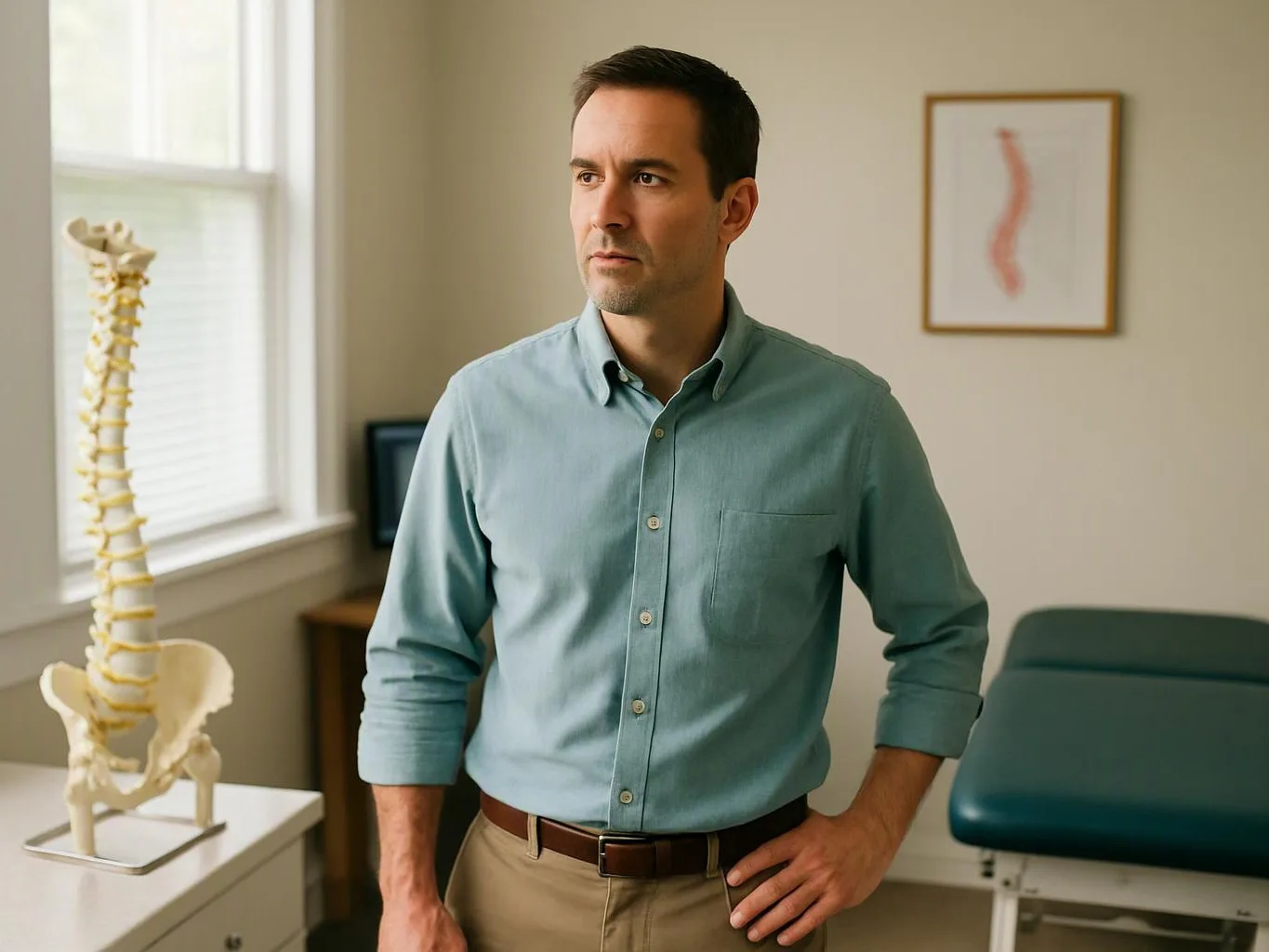
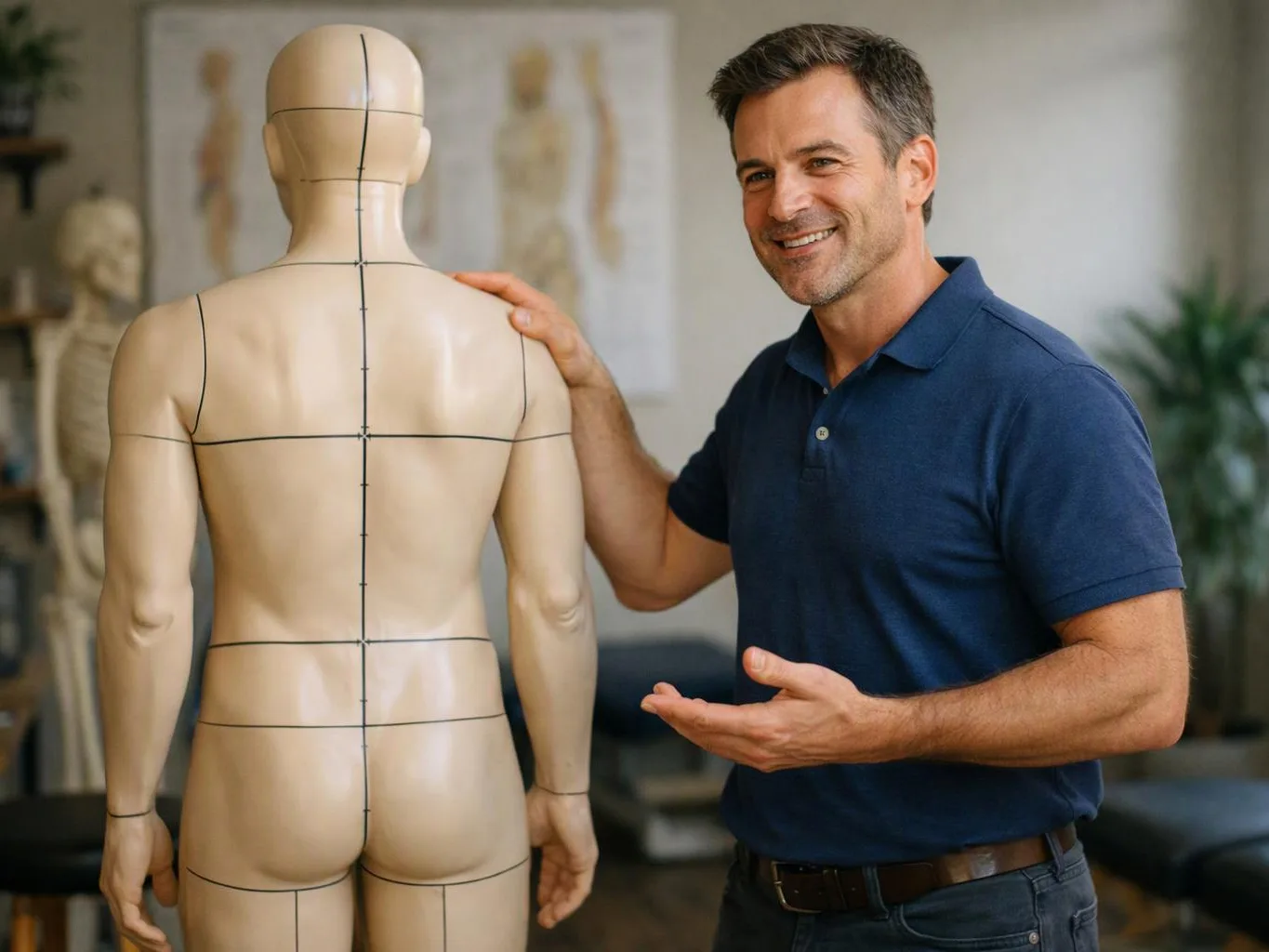
A man in a clinic stands beside a spine model, with an exam table and wall art behind him

ZIP Codes We Serve in Pegram, Tennessee

37143

The health and wellness information on this website is for general informational purposes only and is not medical advice. It does not create a provider-patient relationship. Always consult a qualified licensed provider in Brentwood, Tennessee, United States about your specific condition before making care decisions. Individual results vary.

(615) 265-0412