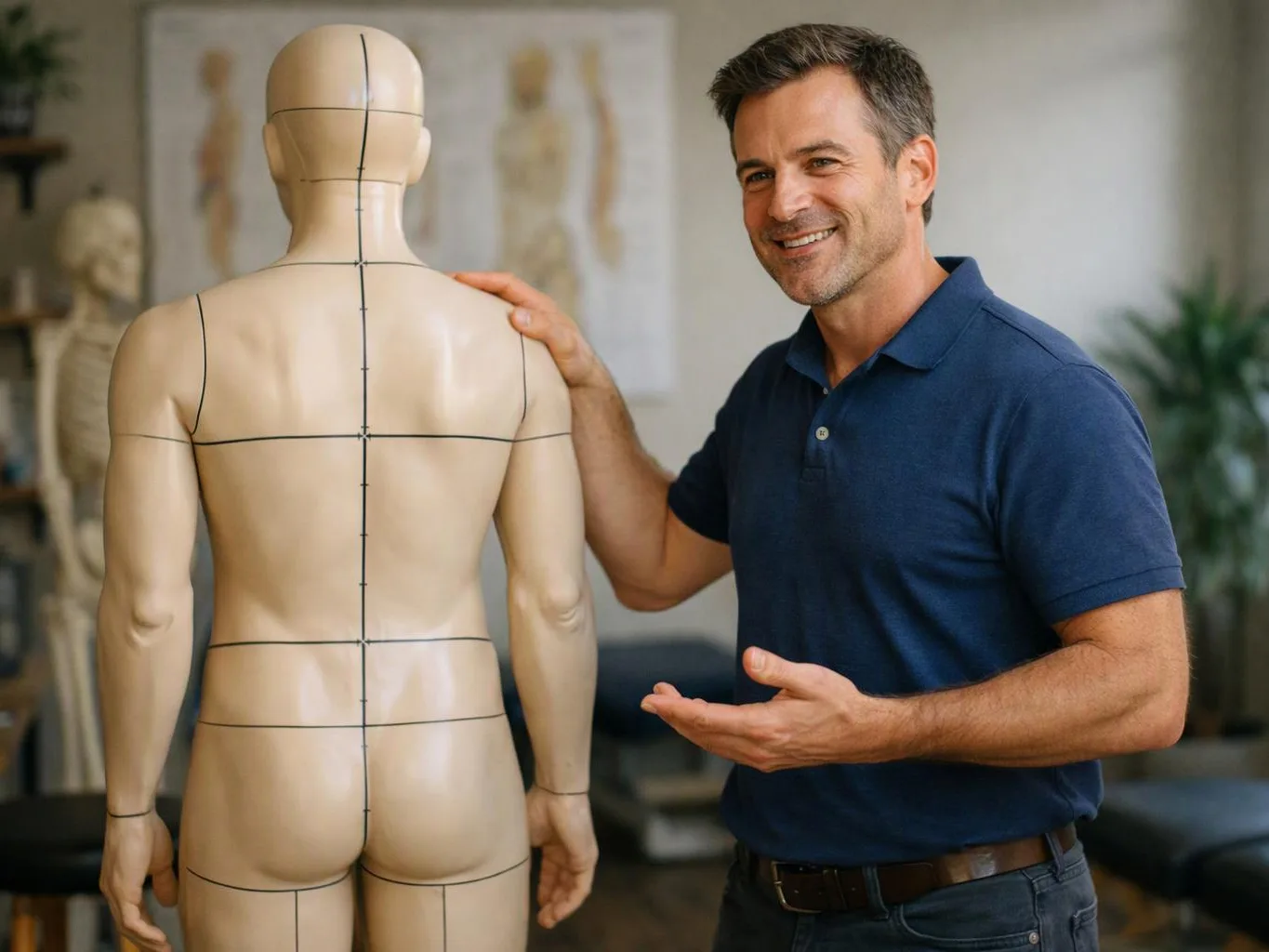
What techniques are used for postural correction?
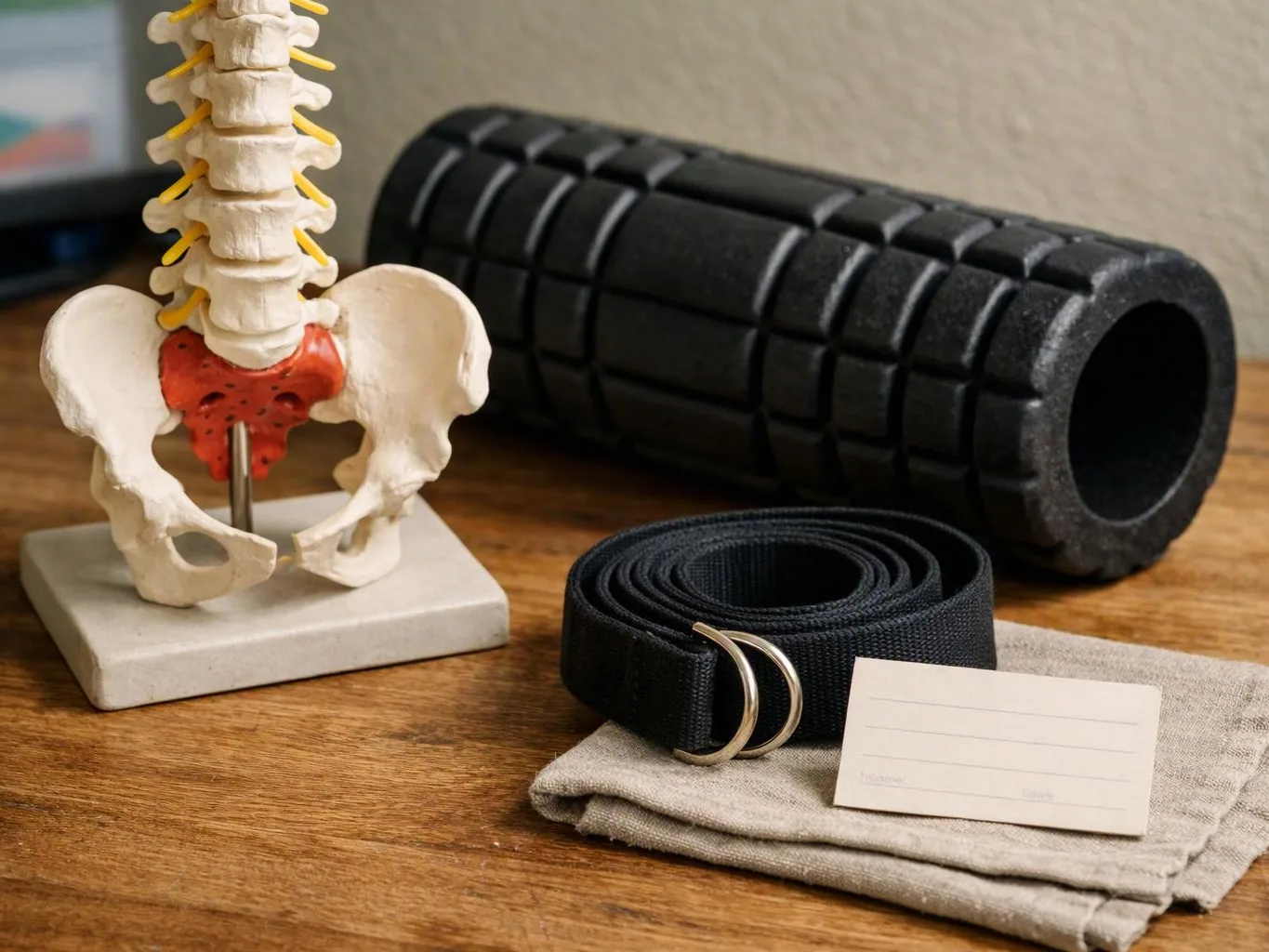
Stretching routines are checked for fit, control, and comfort before they enter a care plan. Manual adjustments, strength exercises, breathing drills, and posture education may also support the work. Advanced Injury Care Clinic selects the mix after reviewing your health history, exam findings, symptoms, and goals.
How does a postural correction visit move from the first call to the last step?
The visit moves from intake and examination to treatment planning, active practice, and progress review. We record your health history, check posture and movement, explain suitable options, and discuss the next step. The plan may change after a progress re-examination if your response calls for a different focus.
Which part of the body decides the scope of postural correction?
The exam findings decide the scope, with attention to the spine, hips, shoulders, breathing pattern, and movement control. Symptoms also guide the plan. Our team connects the findings to daily tasks, then chooses manual care, exercises, education, or another suitable non-invasive approach.
Which material changes how long postural correction takes?
No physical material sets the care time for postural correction. The main planning factors are your symptoms, exam findings, treatment needs, and response to care. We discuss those factors during the consultation and review the plan as your movement and comfort change.
When should I ask about posture work after an injury?
Posture work is worth discussing when an injury changes how you sit, stand, walk, or use an affected joint. Auto accidents, workplace injuries, and sports injuries may all affect movement patterns. We first review your health history and symptoms to decide whether this care fits.
Why might exercises be added to manual adjustments?
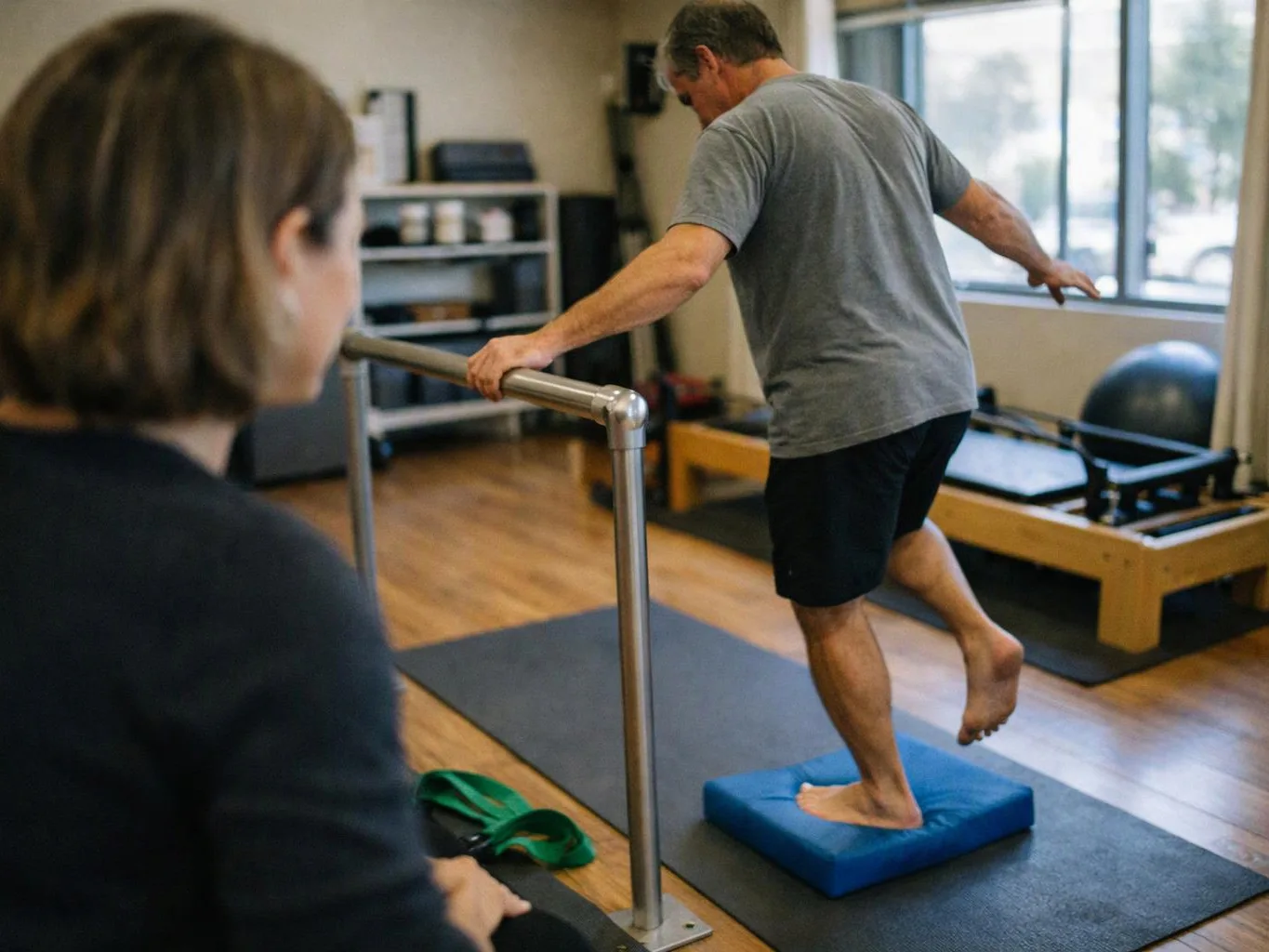
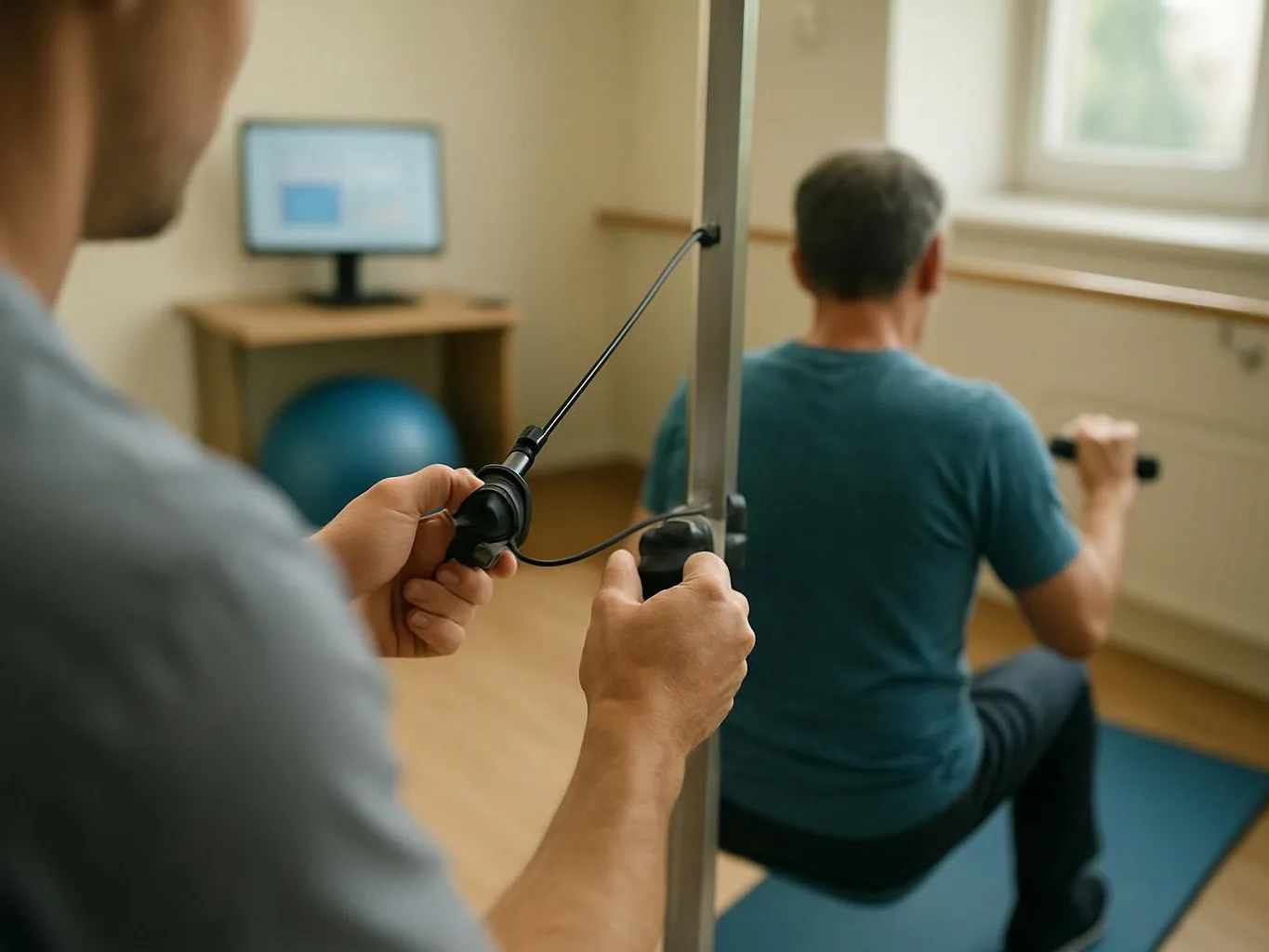
Exercises give you active practice for strength, balance, and movement control after manual care. Adjustments address selected joint motion, while exercises help you repeat useful movement patterns. Your plan may also include breathing drills or posture education when those areas affect your daily function.
What should I bring to my first chiropractic appointment?
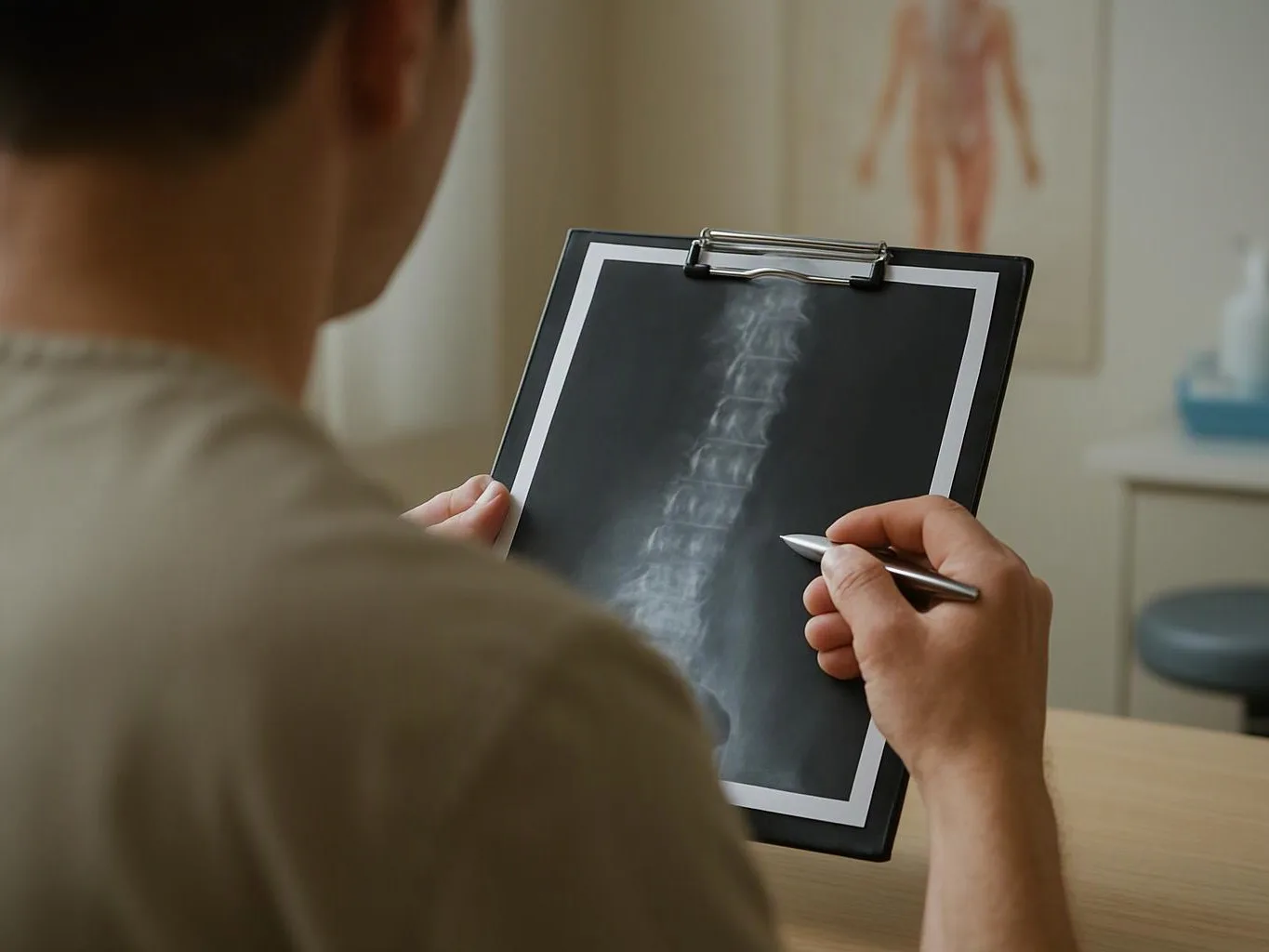
Your symptom history, injury details, current concerns, and questions help us plan the first visit. Bring relevant medical records or imaging if you have them, but X-rays are considered only when clinically indicated. A clear description of your daily limits also helps guide the exam.