Skip to content

Postural Correction in Oak Hill, Tennessee

Stretching routines can support better alignment for Oak Hill patients who want a clear plan for posture concerns. We pair them with hands-on care when appropriate.

Upfront, Transparent PricingServing 18 CommunitiesMon-Fri: 9 am–7 pm, Sat: 9 am–2 pm, Sun: ClosedFast Scheduling

Quick Summary: Posture care in Oak Hill, Tennessee

Postural Correction in Oak Hill is provided by Advanced Injury Care Clinic for posture concerns linked with back pain, neck pain, stiffness, and reduced movement. Care covers chiropractic adjustments, therapeutic exercises, massage therapy, and other non-invasive approaches for patients in Oak Hill and surrounding Williamson County communities.

  • What we do: Advanced Injury Care Clinic provides Postural Correction in Oak Hill, Tennessee through an exam, movement review, manual care, and personalized treatment planning.
  • What is included: Key capabilities include chiropractic adjustments, spinal decompression, physical therapy, massage therapy, therapeutic exercises, and posture education.
  • What you get: Postural Correction gives the customer a clear care plan for improving movement and managing posture-related discomfort.

Why does poor posture keep causing neck pain?

Neck pain can continue when daily movement habits keep placing stress on the same joints and muscles. An evaluation checks posture, range of motion, strength, and related symptoms before treatment begins. Care may include manual adjustments, therapeutic exercises, soft tissue therapy, and posture education. Individual response differs, so the plan follows the findings from your exam.

Postural Correction in Oak Hill for movement and posture concerns

Postural correction focuses on how your spine, joints, muscles, and daily habits work together. We assess movement patterns that may contribute to back pain, neck pain, headaches, sciatica, or joint discomfort.

Patients often need help deciding whether they need focused posture care, treatment for an injury, or support for ongoing pain. Our chiropractor-led clinical care starts with a health history and exam, then connects the findings to a personalized treatment plan.

The goal isn't to force one method onto every patient. We may use manual adjustments, spinal decompression, physical therapy, massage therapy, or therapeutic exercises when those services fit your needs. Some symptoms need a different medical assessment, so we explain when postural care isn't the right next step.

  • Review your posture, movement, strength, and reported symptoms.
  • Discuss work, sport, sleep, and daily habits that affect body position.
  • Match care methods to your exam findings and recovery goals.
  • Explain when another medical evaluation is more suitable.
Two men sit talking in a gym, one holding a clipboard and pen while the other listens across a table

Service Overview

Postural correction is a care approach that addresses movement habits, body alignment, strength, and related discomfort.

  • It differs from a single adjustment because the plan may also include exercises, breathing drills, soft tissue therapy, and education for daily activities.
  • We provide this care for patients in Oak Hill and surrounding Williamson County communities.

What posture care includes for your treatment plan

Advanced Injury Care Clinic provides comprehensive Postural Correction in Oak Hill. Here's what you get:

  • A new patient intake covers your health history, symptoms, and current concerns.
  • A physical exam reviews movement, posture, joint function, and areas of discomfort.
  • Manual adjustments may address restricted joint movement when clinically appropriate.
  • Therapeutic exercises support strength, control, and movement between visits.
  • Massage therapy or soft tissue therapy may help address tight or irritated areas.
  • Posture education connects your treatment plan with work, rest, and daily activities.

What changes when posture care fits your needs

A personalized plan gives you a clearer path for managing posture-related discomfort.

Therapeutic exercises may help you build better movement control over time.

Posture education helps you notice habits that place repeated stress on your neck or back.

Manual care may support joint movement when stiffness limits comfortable activity.

Regular maintenance may support ongoing function after the main concern has been addressed.

Process

How we build a posture-focused treatment plan

1

Complete the new patient intake

We review your health history, symptoms, injury details, and daily activities before examining the affected areas.

2

Check posture and movement

Our team observes posture, range of motion, joint function, strength, and signs that may need further assessment.

3

Explain the findings

We discuss what the exam shows and explain which care options may fit your needs.

4

Choose suitable treatment methods

Your plan may include manual adjustments, spinal decompression, massage therapy, physical therapy, or therapeutic exercises.

5

Practice home movement skills

Posture education, breathing drills, and exercise guidance help connect clinic care with your regular activities.

6

Review progress and next steps

We use follow-up visits and progress re-examinations to discuss changes and adjust the plan when needed.

A client scenario this service addresses

A person who spends long periods at a desk may notice neck tension, rounded shoulders, or mid-back stiffness during daily tasks. We check movement and strength, then discuss whether exercises, manual care, or another evaluation best fits the concern.

What you get from a focused posture plan

An exam before treatment choices

Clients receive an assessment before we choose techniques. We review symptoms, movement, and health history so care fits the person, not just the posture concern.

Several non-invasive care options

Your plan may combine adjustments, spinal decompression, massage therapy, physical therapy, or therapeutic exercises. We explain why each option fits the findings.

A limit that protects your care

Posture care isn't the right job for every symptom. Severe or unexplained symptoms may need another medical assessment before chiropractic treatment continues.

How posture care methods differ

Each method addresses a different part of movement, so the exam helps match care to your needs.

Care methodMain focusHow it may fit
Manual adjustmentsJoint movementMay fit stiffness or restricted motion found during an exam
Strength exercisesMuscle controlMay support posture during daily activity
Breathing drillsBody awarenessMay support controlled movement and posture practice
Posture educationDaily habitsHelps connect clinic care with work, rest, and activity

The Advanced Injury Care Clinic Standard

  • Thorough Assessments
  • Tailored Care Plans
  • Clear Explanations
  • Appropriate Techniques

Questions about posture-focused chiropractic care

What techniques are used for postural correction?

Stretching routines are one technique used for postural correction, and Advanced Injury Care Clinic may pair them with manual adjustments, strength exercises, breathing drills, or posture education.

We select methods after reviewing your health history, movement, and symptoms. A plan may also include spinal decompression, massage therapy, or physical therapy when those services fit your needs.

What happens at each stage of posture care?

The care process starts with an intake and exam, then moves to findings, treatment planning, care, and progress review.

  1. We review your history and symptoms.
  2. We check posture, movement, strength, and joint function.
  3. We explain suitable treatment options.
  4. We review progress and adjust care when needed.

What does the clinician look at first?

The first assessment looks at your health history, symptoms, posture, movement, and areas of discomfort.

We also consider whether back pain, neck pain, headaches, sciatica, or an injury changes the care approach. That review helps us decide whether posture-focused chiropractic care fits or whether another assessment should come first.

What should be checked before posture care is scheduled?

Your symptoms and health history should be checked before treatment is scheduled.

Our team reviews injury details, current conditions, medications when relevant, movement limits, and your main care goal. Patients should also share prior treatment information and any concern that could change the safest next step.

Can posture care help after an auto accident?

Posture care may support recovery after an auto accident when the exam shows that chiropractic treatment fits your condition.

We review whiplash symptoms, neck or back pain, soft-tissue concerns, and movement limits before discussing adjustments, physical therapy, massage therapy, or exercises. Individual response differs, and some symptoms need another medical evaluation.

Should I choose exercises or manual adjustments?

Exercises and manual adjustments serve different roles, so the exam findings guide the choice.

Exercises may build strength and movement control, while manual adjustments may address restricted joint motion. Many care plans use more than one method, but we explain the reason for each selected treatment.

What changes the cost of a posture care visit?

The treatment plan, services included, and findings from the exam change the cost of care.

A plan that includes physical therapy, massage therapy, spinal decompression, or follow-up care may differ from a visit focused on assessment and manual treatment. Free consultations are available so you can discuss the plan before treatment begins.

Contact

Discuss Postural Correction in Oak Hill

Contact Advanced Injury Care Clinic to discuss your posture concerns, symptoms, and treatment options. The first conversation can cover your goals, the consultation process, and what happens next.

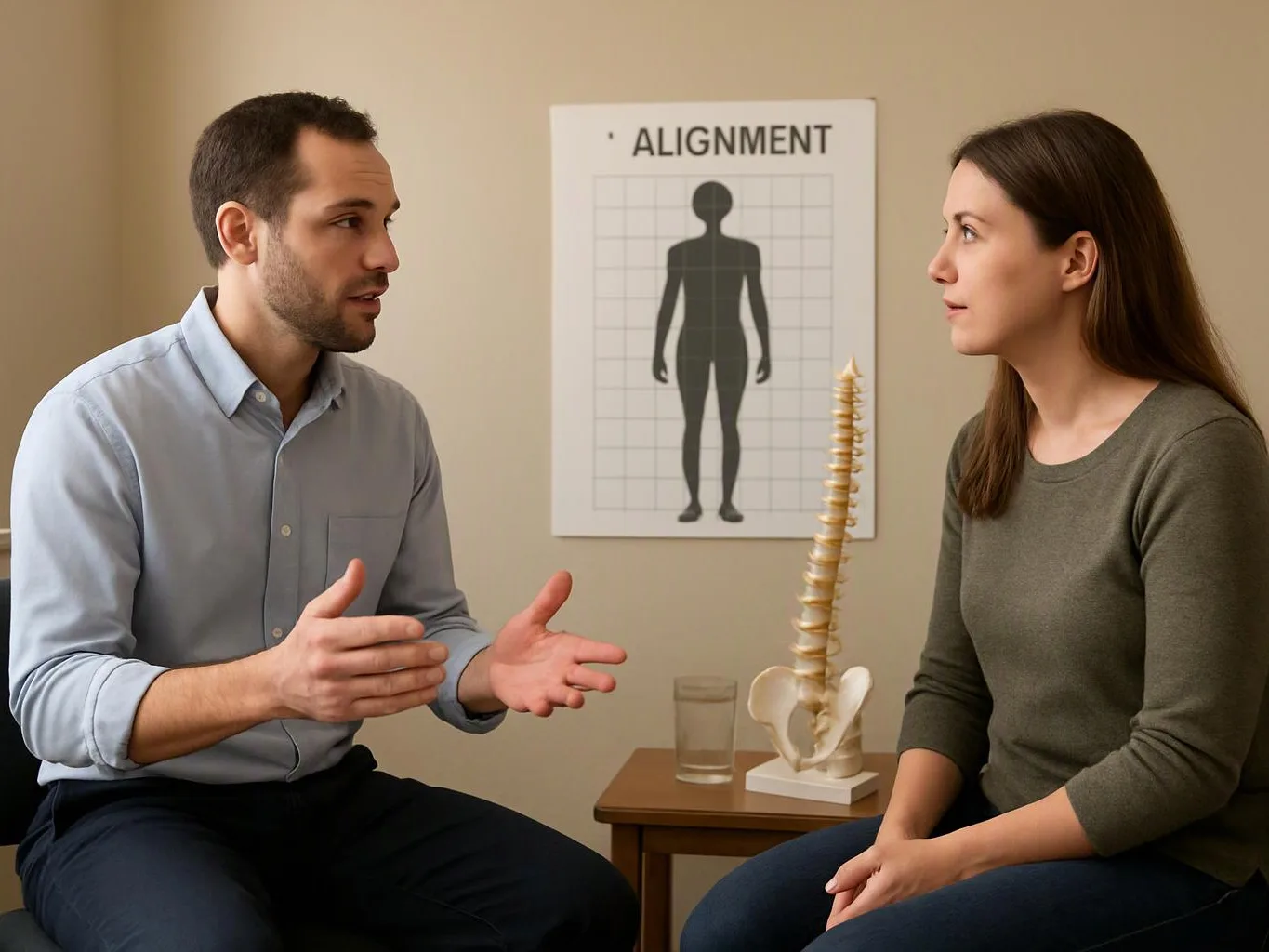
A man speaks to a seated woman in a clinic room, with a spine model and an alignment poster behind them

The health and wellness information on this website is for general informational purposes only and is not medical advice. It does not create a provider-patient relationship. Always consult a qualified licensed provider in Brentwood, Tennessee, United States about your specific condition before making care decisions. Individual results vary.

(615) 265-0412