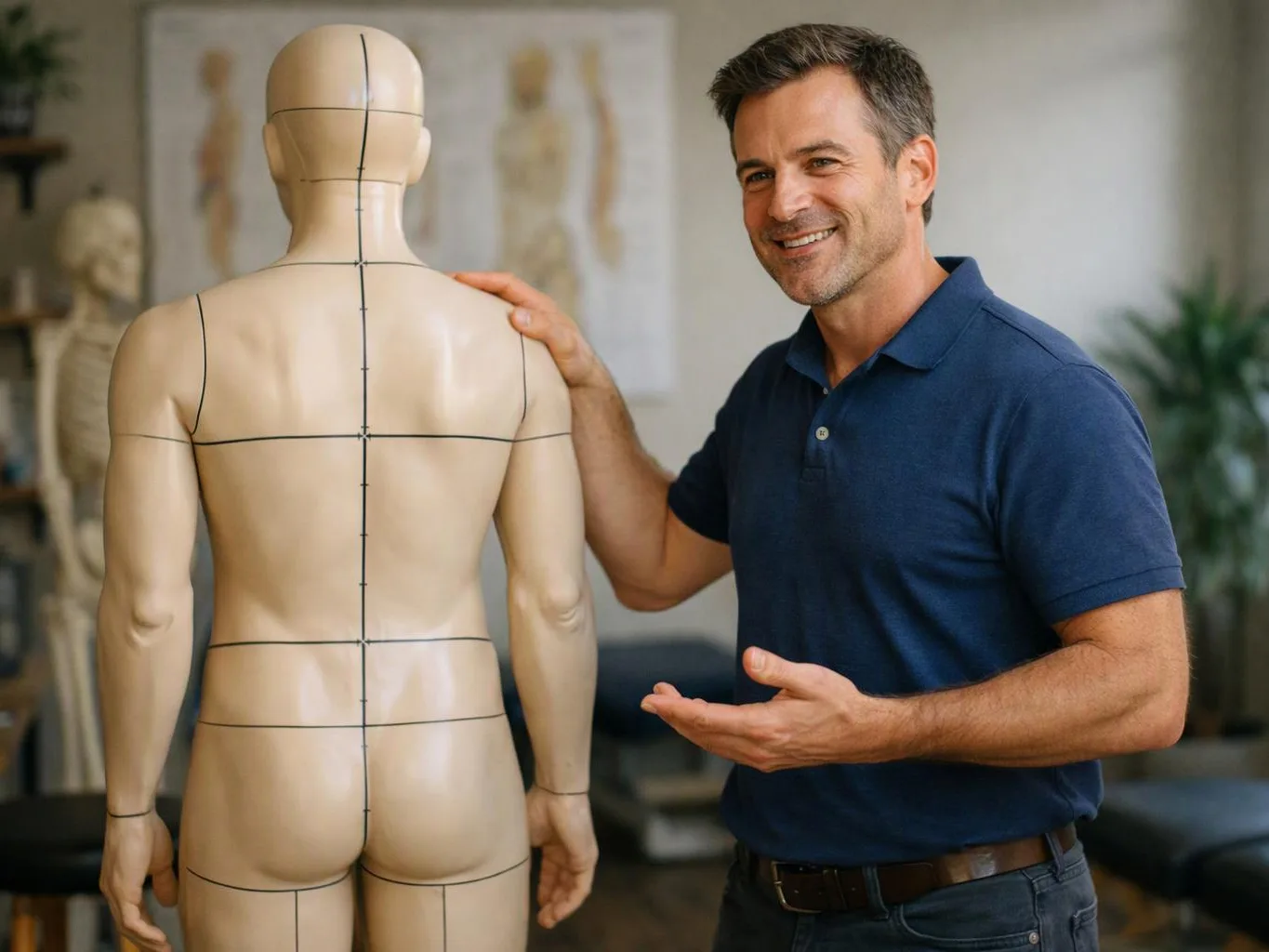
What techniques are used for postural correction?
Stretching routines are one technique used for postural correction, alongside manual adjustments, strength exercises, breathing drills, and posture education. We select methods after reviewing your health history and movement. The plan may also include soft tissue therapy, therapeutic exercises, or spinal decompression when those options fit your condition and goals.
How is postural correction matched to my needs before care starts?
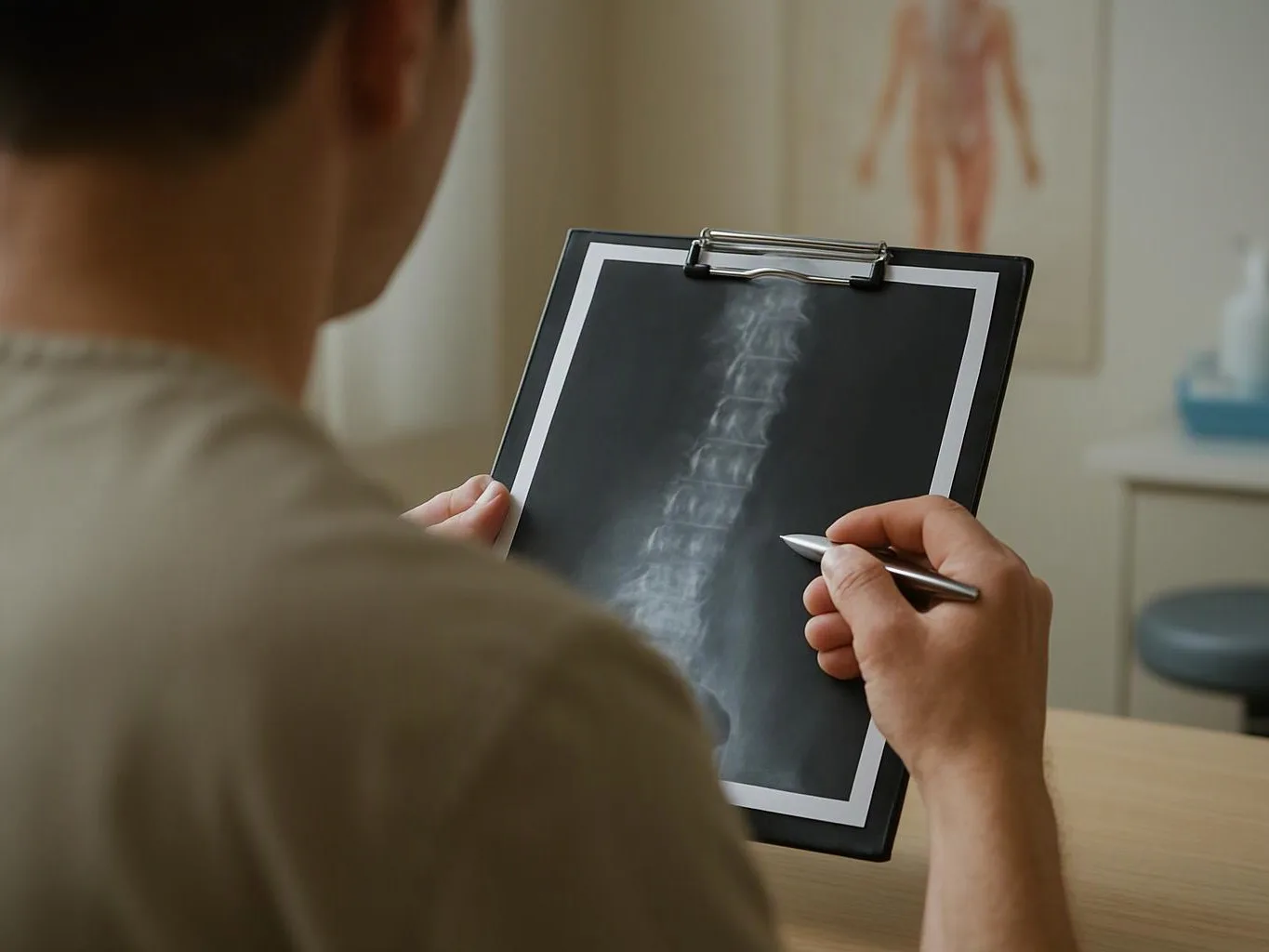
The treatment plan matches your symptoms, health history, movement findings, and daily goals. We begin with a new patient intake and health history, followed by an examination. X-rays may be considered if clinically indicated. The report of findings then explains which care options fit and which options do not.
What should be ready before postural correction starts?
Your symptom history, injury details, current treatments, and main movement goals should be ready before care starts. Bring relevant medical records or imaging if you have them. Our team uses this information during the intake and examination, then explains the next steps before treatment begins.
Which treatment helps posture after an auto accident?
Auto accident care starts with an injury-focused assessment, not a preset treatment. Whiplash, back pain, headaches, and soft-tissue injuries may call for different approaches. We may discuss manual adjustments, soft tissue therapy, therapeutic exercises, or spinal decompression after reviewing the injury and examination findings.
When should I ask about posture care for neck pain?
Neck pain that returns during work, driving, exercise, or daily tasks deserves an assessment. Our team checks joint motion, muscle support, movement habits, and related symptoms. Seek urgent medical care for severe or sudden symptoms, major trauma, or signs that need immediate evaluation.
Why might exercises be part of a chiropractic plan?
Exercises help build the strength and movement control needed to support changes made during care. We may use therapeutic exercises, posture education, or breathing drills based on your examination. The exercises should match your ability and symptoms, and we adjust them when your response changes.
What should I ask before agreeing to postural correction?
Ask what the examination found, which treatment is recommended, and how progress will be reviewed. You should also ask whether adjustments, exercises, massage therapy, or spinal decompression fit your condition. We explain the care options, expected steps, and practical responsibilities before you decide.