
Skip to content

Postural Correction in Rural Hill, Tennessee

Limited flexibility gets checked during care in Rural Hill. We use that finding to shape a plan for posture, movement, and daily comfort.

Upfront, Transparent PricingServing 18 CommunitiesMon-Fri: 9 am–7 pm, Sat: 9 am–2 pm, Sun: ClosedFast Scheduling

Quick Summary: Postural Care in Rural Hill, Tennessee

Postural Correction in Rural Hill is provided by Advanced Injury Care Clinic for posture concerns linked to limited flexibility, muscle weakness, and daily movement habits. Care includes an evaluation and an individualized plan that may combine adjustments, exercises, massage therapy, and other non-invasive treatments.

  • What we do: Advanced Injury Care Clinic provides Postural Correction in Rural Hill, Tennessee through evaluation, chiropractic care, therapeutic exercises, and related non-invasive treatments.
  • What is included: Key capabilities include posture checks, movement assessment, chiropractic adjustments, soft tissue therapy, massage therapy, and therapeutic exercises.
  • What you get: The customer receives a care plan that addresses movement limits, posture habits, and the factors affecting daily function.

Why does limited flexibility keep interfering with postural correction in Rural Hill, Tennessee?

Limited flexibility can keep changing how joints and muscles share movement, so posture habits may return. An assessment helps identify whether stiffness, weakness, poor ergonomics, or inconsistent practice is affecting progress.

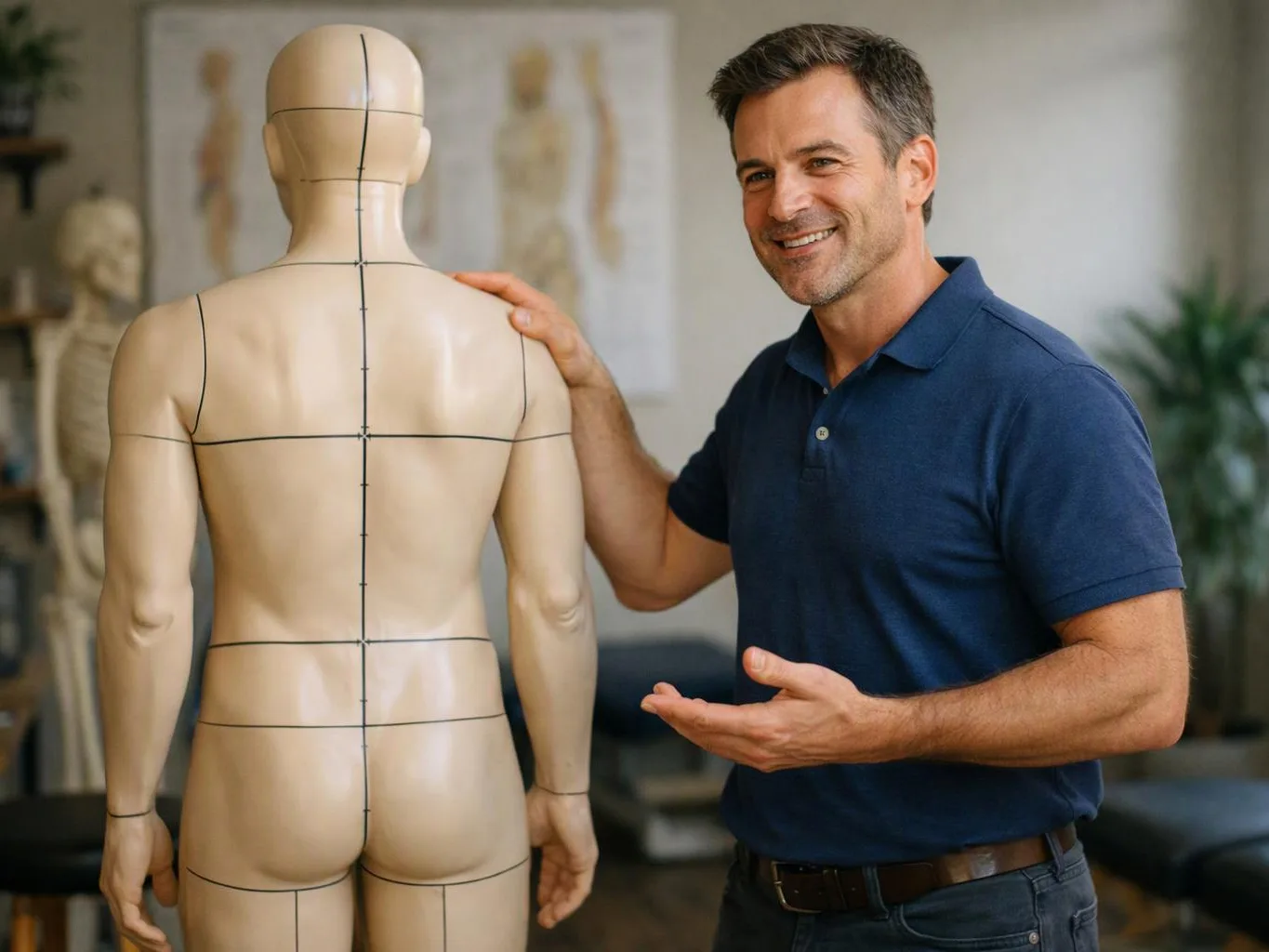
Postural Correction in Rural Hill, Tennessee for Limited Flexibility

Postural Correction focuses on how your body moves during work, rest, exercise, and daily tasks. The visit looks beyond one sore area and checks joint motion, muscle control, posture habits, and the demands placed on your spine.

Limited flexibility is the lead concern for this page. Stiff joints can make nearby muscles work harder, while weak muscles may make good posture difficult to hold. Sedentary habits and poor ergonomics can add strain during long periods of sitting.

The key decision is whether your concern needs a focused posture plan or a different form of care. Our team reviews your health history and exam findings, then explains which treatments fit your goals. Results vary, and regular practice often matters between visits.

  • Note when stiffness or poor posture appears during work, rest, or exercise.
  • Bring information about prior injuries, current symptoms, and daily movement habits.
  • Ask how therapeutic exercises fit with adjustments, massage therapy, or other care.
  • Discuss what progress checks will measure during the treatment plan.
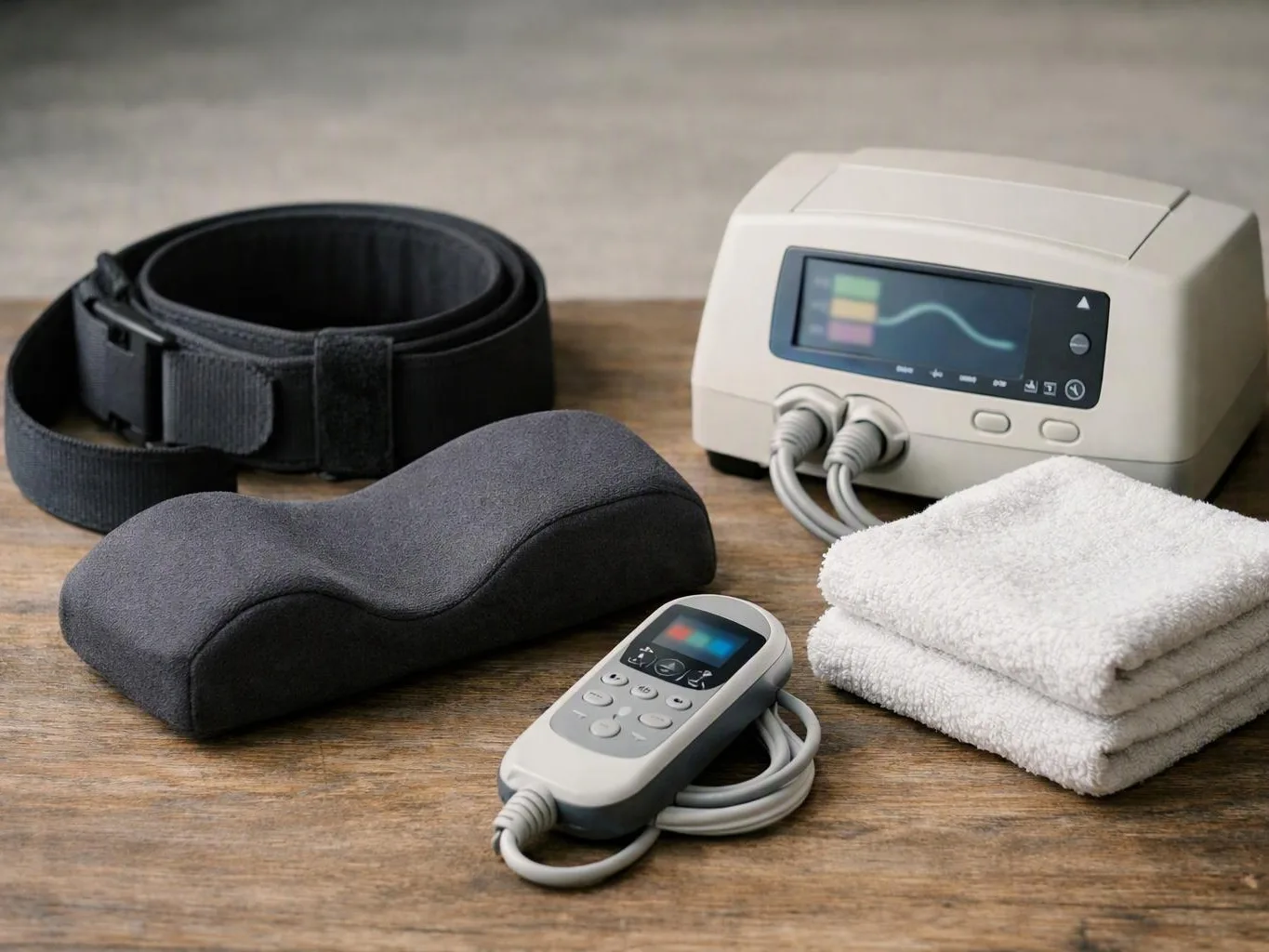
Massage therapy equipment sits on a wooden table, including a control unit, belt, pad, remote, and folded towels

Service Overview

Postural Correction is a care process that checks alignment, movement habits, flexibility, and muscle control.

  • It differs from a single adjustment because the plan also addresses exercises, daily posture, and movement patterns.
  • Advanced Injury Care Clinic provides this care for people in Rural Hill and nearby Williamson County communities.
Process

How postural care moves from assessment to practice

1

Complete the new patient intake

You share your health history, symptoms, injuries, daily activities, and recovery goals. Those details help focus the examination.

2

Check posture and movement

Our team reviews joint motion, muscle balance, flexibility, and movement habits. X-rays may be considered if clinically indicated.

3

Review the findings

We explain what the examination shows and discuss which treatment options match your needs.

4

Build the care plan

The plan may include chiropractic adjustments, soft tissue therapy, massage therapy, or therapeutic exercises.

5

Practice and review progress

You follow the recommended exercises and daily care steps. A progress re-examination helps guide later treatment choices.

What to weigh before choosing postural care

A plan starts with findings

Your treatment plan follows the health history and exam, not a preset adjustment routine. Joint motion, muscle strength, and daily habits help shape the next step.

Care can use more than adjustments

Chiropractic adjustments may be paired with massage therapy, soft tissue therapy, or therapeutic exercises when those options suit your needs.

The right fit has limits

Postural care may be the wrong starting point when symptoms need another medical evaluation or when the main concern does not involve movement or posture. We discuss that fit during the assessment.

What postural care includes for your movement goals

Advanced Injury Care Clinic provides comprehensive Postural Correction in Rural Hill. Here's what you get:

  • A new patient intake records your health history, symptoms, and daily activities.
  • A health history and exam assess posture, joint motion, muscle balance, and movement control.
  • A personalized treatment plan connects your findings with suitable chiropractic and exercise care.
  • Chiropractic adjustments may address joint motion when they fit your condition.
  • Therapeutic exercises help build movement control and support practice between visits.
  • A progress re-examination checks changes in movement and helps guide next steps.

What better movement control can change

A focused plan can help you understand why posture becomes difficult to maintain.

Improved movement control may support more comfortable work, rest, and daily activity.

Therapeutic exercises give you active steps to practice between appointments.

Addressing poor ergonomics can reduce repeated strain during seated or standing tasks.

Regular maintenance may help support the movement habits established during care.

Postural care options for different movement findings

The table shows how common treatment choices address different parts of a posture concern.

Care optionMain focusWhen it may fit
Therapeutic exercisesMuscle control and active movementWhen weakness or poor practice affects posture
Chiropractic adjustmentsJoint motionWhen the examination supports adjustment care
Soft tissue therapyMuscle tensionWhen soft tissue limits comfortable movement

The Advanced Injury Care Clinic Standard

  • Thorough Assessments
  • Tailored Care Plans
  • Clear Explanations
  • Appropriate Techniques

Questions about postural care and limited flexibility

What can interfere with postural correction progress?

Limited flexibility can interfere with postural correction progress by changing how joints and muscles share movement. Sedentary habits, poor ergonomics, muscle weakness, and inconsistent practice can also affect progress. Our team checks these factors during the health history and exam, then adjusts the care plan around your daily routine.

How does a postural correction visit move from the first call to the last step?

A postural correction visit moves from intake to examination, findings review, treatment planning, and progress checks.

  • The intake records your history and goals.
  • The exam checks posture, joint motion, and muscle control.
  • The plan may include adjustments, soft tissue therapy, or exercises.
  • Follow-up findings guide later care.

Which material changes how long postural correction takes?

Daily practice material, such as a TheraBand exercise routine, can affect how much active work your plan includes. The main time factors are your findings, treatment needs, and consistency with home exercises. Our team explains the exercises and checks progress instead of assigning a fixed schedule without an assessment.

How can a customer tell whether postural correction fits the problem?

Postural correction fits when posture, movement control, flexibility, or muscle balance contributes to the concern. A health history and exam help separate those issues from symptoms that need another type of evaluation. Bring your symptom pattern and activity limits to the consultation so we can discuss the safest care path.

What should I bring to my first postural care appointment?

Your symptom history, injury details, medication list, and questions are useful at the first appointment. Previous medical records or imaging can also help when they relate to your concern. The new patient intake and health history give our team the information needed to plan the examination.

Should I choose exercises or chiropractic adjustments for posture concerns?

The examination decides whether exercises, chiropractic adjustments, or both fit your needs. Exercises address active movement control, while adjustments may support joint motion. Massage therapy or soft tissue therapy may also fit the plan when muscle tension affects movement. Results vary, so treatment should follow the findings.
Contact

Ask about postural care in Rural Hill

Are stiffness, weak muscles, or daily posture habits affecting your movement? Contact Advanced Injury Care Clinic to discuss a free consultation and your care options.

A man sits on a workout bench, tying his shoe beside a black gym bag and dumbbells

The health and wellness information on this website is for general informational purposes only and is not medical advice. It does not create a provider-patient relationship. Always consult a qualified licensed provider in Brentwood, Tennessee, United States about your specific condition before making care decisions. Individual results vary.

(615) 265-0412