
Skip to content

Postural Correction in Forest Hills, Tennessee

Limited flexibility can prevent steady progress in Forest Hills. We assess movement limits and build care around your daily habits.

Upfront, Transparent PricingServing 18 CommunitiesMon-Fri: 9 am–7 pm, Sat: 9 am–2 pm, Sun: ClosedFast Scheduling

Quick Summary: Postural Correction in Forest Hills, Tennessee

Postural Correction in Forest Hills is provided by Advanced Injury Care Clinic for people who need help with posture, movement, and related discomfort. Care may include chiropractic adjustments, physical therapy, massage therapy, and therapeutic exercises across Brentwood, Williamson County, and the greater Nashville area.

  • What we do: Advanced Injury Care Clinic provides Postural Correction for Forest Hills, Tennessee, using chiropractic care, therapeutic exercises, and related non-invasive treatments.
  • What is included: Assessment of posture, movement limits, spinal alignment, muscle weakness, work habits, and daily activity patterns.
  • What you get: Postural Correction helps you build better movement control and support more comfortable daily activity.

Why does my posture keep getting worse even after I try to correct it?

Limited flexibility, weak muscles, poor ergonomics, and inconsistent practice can interfere with postural correction progress. An assessment helps identify which factors affect your movement.

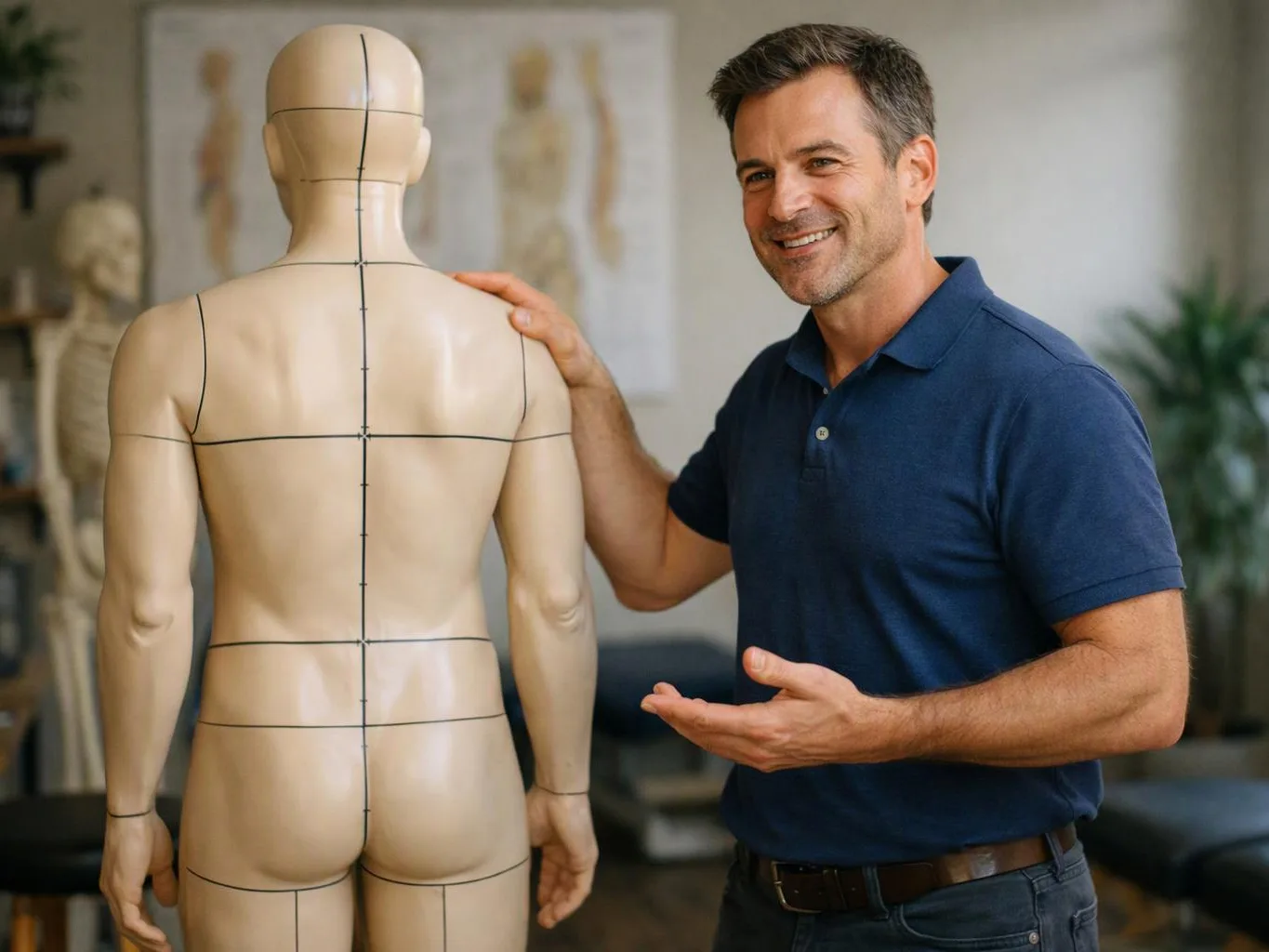
Postural Correction in Forest Hills for Limited Flexibility

Postural correction focuses on how your body moves during work, rest, exercise, and routine tasks. Advanced Injury Care Clinic serves Forest Hills with care for back pain, neck pain, headaches, sciatica, whiplash, and other movement concerns.

Limited flexibility deserves close attention because restricted joints can change how nearby muscles work. A careful exam helps separate flexibility limits from muscle weakness, joint discomfort, or habits that place strain on the neck and back.

This page helps you decide whether a broader correction plan fits your needs. A single adjustment may address one concern, while lasting movement changes often require exercises, better ergonomics, follow-up checks, and regular maintenance.

  • Review which daily movements feel restricted or uncomfortable.
  • Check sitting, standing, lifting, and work habits that affect posture.
  • Discuss whether chiropractic adjustments, exercises, or soft tissue therapy fit your needs.
  • Set practical home habits that support progress between appointments.
Three rolls of colored tape, folded wipes, and scissors sit on a wooden table beside a gray box

Service Overview

Postural correction is a care approach that improves movement habits, body alignment, and control during daily activity.

  • It differs from a single chiropractic adjustment because it also considers flexibility, muscle strength, ergonomics, and home exercises.
  • Advanced Injury Care Clinic provides this care for Forest Hills and surrounding Williamson County communities.

How Better Posture Supports Daily Movement

Improved movement control can make routine tasks feel more manageable.

Targeted exercises may support muscle balance around the spine and joints.

Ergonomic changes can reduce strain from long periods of sitting or repeated work tasks.

A broader plan helps connect treatment with the habits that affect your posture.

Regular maintenance may help you keep practicing better movement after active care.

What Postural Correction Includes for Your Care Plan

Advanced Injury Care Clinic provides comprehensive Postural Correction in Forest Hills. Here's what you get:

  • A new patient intake that records your health history and main movement concerns.
  • A health history and exam focused on posture, flexibility, muscle balance, and joint motion.
  • A personalized treatment plan based on your condition and recovery needs.
  • Chiropractic adjustments when they fit the findings from your exam.
  • Therapeutic exercises that address movement control, strength, and daily function.
  • Progress re-examination to review changes and guide future care.
Process

How We Build a Postural Correction Plan

1

Review your health history

The new patient intake covers your symptoms, injuries, health history, and main recovery goals.

2

Examine posture and movement

We check joint motion, flexibility, muscle balance, and movement habits that may affect your posture.

3

Explain the findings

Our team discusses the exam results and explains which treatment options may fit your needs.

4

Set your treatment plan

The personalized treatment plan may include adjustments, exercises, physical therapy, massage therapy, or spinal decompression.

5

Review your progress

A progress re-examination helps us review your response and adjust care when needed.

What You Get From This Type of Care

A plan based on your movement findings

The exam looks at flexibility, joint motion, muscle control, and daily habits before we set treatment goals. Postural correction isn't the right fit for every complaint, especially when symptoms need another type of medical evaluation.

Chiropractor-LED clinical care

Our team explains how chiropractic adjustments, spinal decompression, physical therapy, massage therapy, or exercises may fit your needs. We choose care based on your condition and comfort.

Guidance that continues between visits

Home exercises and work-position changes can support the care plan. Your response helps us decide whether the plan needs to change.

Choosing Care for Movement and Posture Concerns

This comparison shows how common care elements address different parts of a posture concern.

Care elementMain focusWhen it may fit
Chiropractic adjustmentsJoint motionWhen the exam supports hands-on care
Therapeutic exercisesStrength and movement controlWhen weakness or poor control affects posture
Ergonomic guidanceDaily work and activity positionsWhen routine habits add strain

The Advanced Injury Care Clinic Standard

  • Thorough Assessments
  • Tailored Care Plans
  • Clear Explanations
  • Appropriate Techniques

Questions About Postural Correction and Daily Movement

What can interfere with postural correction progress?

Limited flexibility can interfere with postural correction progress. Advanced Injury Care Clinic also checks sedentary habits, poor ergonomics, muscle weakness, and inconsistent practice. These factors can change how your body moves between visits. We use the assessment to identify the main barriers and shape a plan that fits your daily routine.

How can I tell whether postural correction fits my symptoms?

Postural correction fits symptoms linked to movement habits, joint motion, muscle balance, or alignment. The health history and exam help identify those links. Our team also considers back pain, neck pain, headaches, sciatica, and soft-tissue concerns. A different medical evaluation may be needed when symptoms fall outside this type of care.

Which part of my routine can change the treatment scope?

Your daily movement routine can change the treatment scope. Sitting, standing, lifting, exercise, and sleep positions may affect the plan. We ask which tasks increase discomfort and which movements feel limited. That information helps us connect clinical care with practical changes at home or work.

When should I ask about muscle weakness?

Muscle weakness deserves attention when your body struggles to hold a position or repeat a movement. Therapeutic exercises may help build control around the spine, hips, shoulders, or other affected joints. We check strength during the exam and match exercises to your ability. Individual response differs, so progress guides future care.

Why does poor ergonomics affect posture?

Poor ergonomics can place repeated strain on the neck, shoulders, back, or hips. A desk setup, work position, or repeated task may keep the body in one pattern for too long. We discuss the positions that affect your symptoms and suggest practical changes that support your treatment plan.

What should I bring to my first appointment?

Your symptom history, injury details, current treatment information, and main recovery goals help us prepare for the first visit. Bring a list of medicines or relevant health records if available. The new patient intake and exam then guide the next step. X-rays are considered only when clinically indicated.
Contact

Discuss Postural Correction in Forest Hills

Advanced Injury Care Clinic can review the movement limits, habits, and symptoms affecting your posture. Schedule a consultation to discuss care that fits your needs.

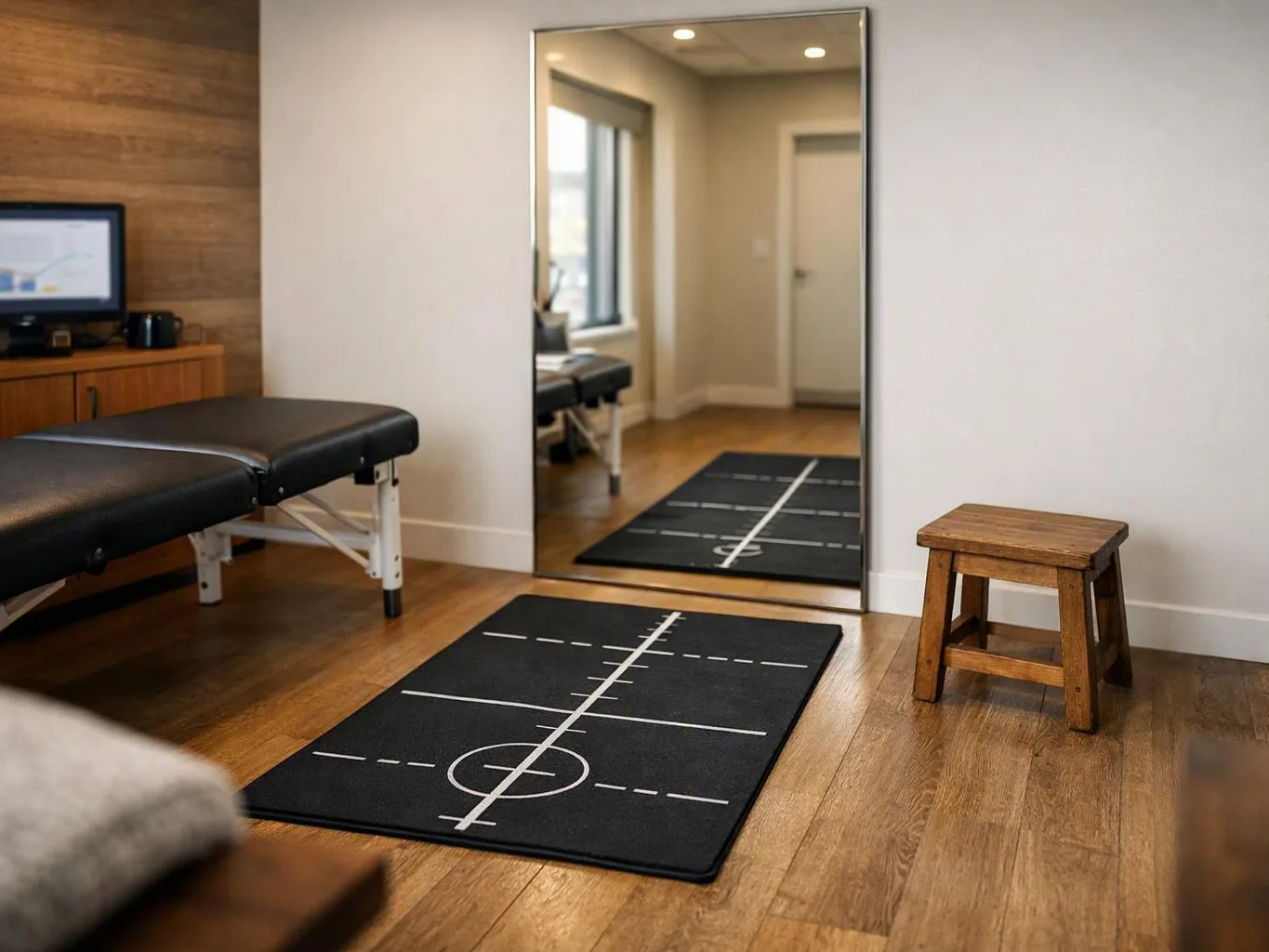
A quiet therapy room shows a treatment table, mirror, exercise mat, and a small wooden stool on hardwood floors

The health and wellness information on this website is for general informational purposes only and is not medical advice. It does not create a provider-patient relationship. Always consult a qualified licensed provider in Brentwood, Tennessee, United States about your specific condition before making care decisions. Individual results vary.

(615) 265-0412