How can strength training improve movement?
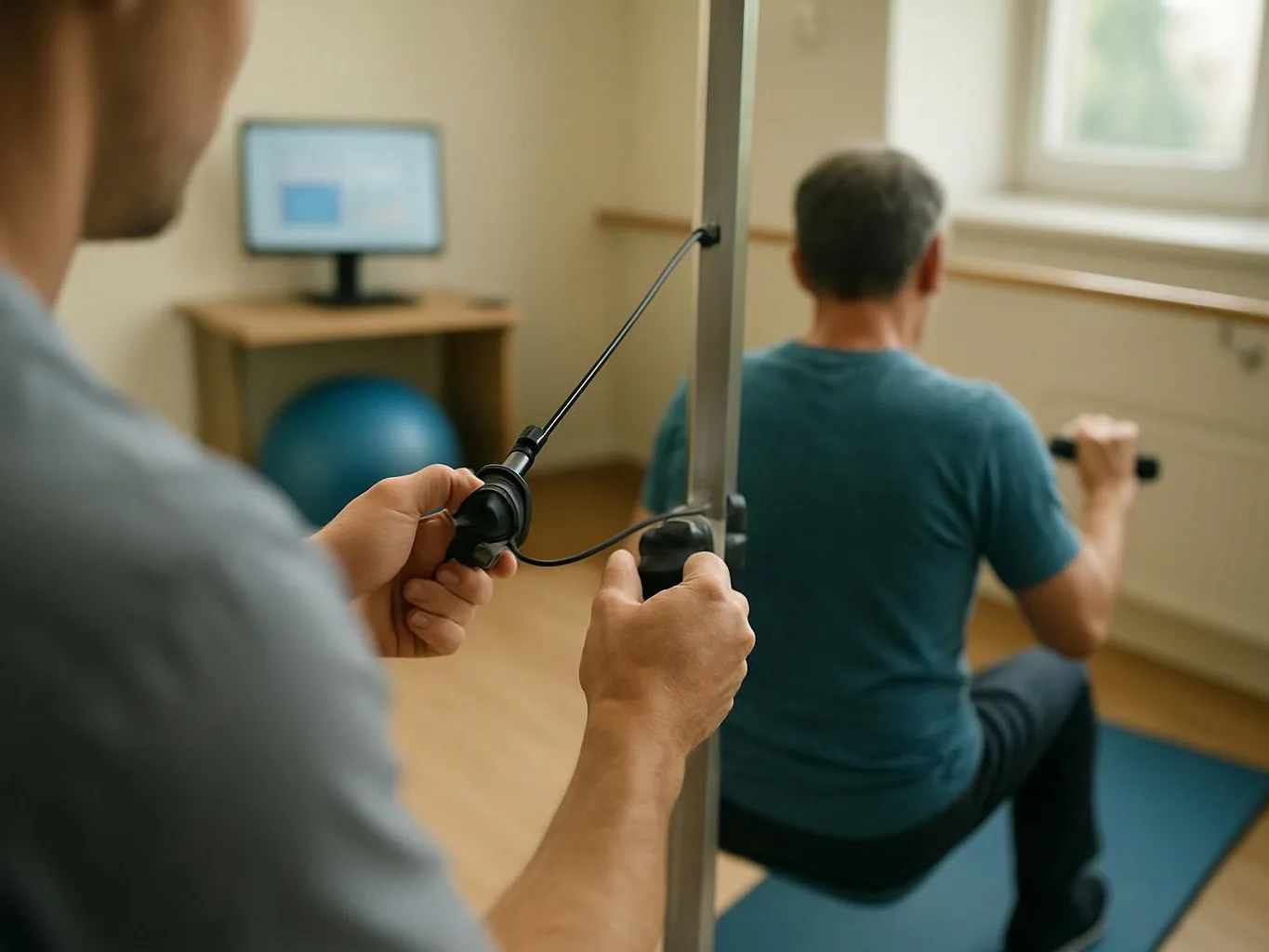
Strength training can improve movement by building control in the muscles used for daily tasks. We match exercises to your current ability and movement goal. The plan may address weakness in the legs, hips, shoulders, or trunk. Individual response differs, so we review form and progress before changing the exercise level.
What should be ready before physical therapy starts?
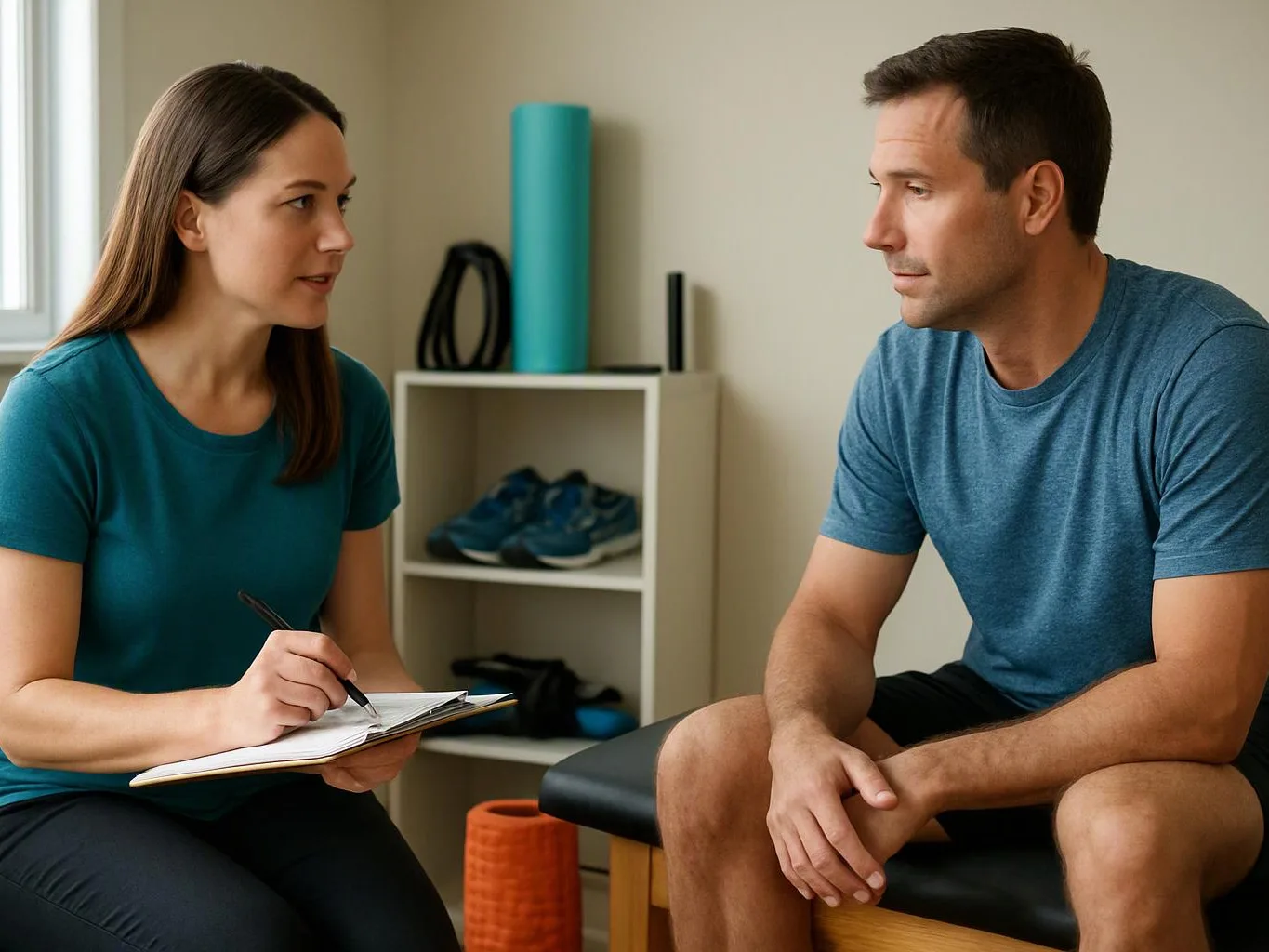
Your main movement goal, symptom history, and current activity limits should be ready before care starts. A new patient intake records these details, followed by a health history and exam. Bring relevant medical records or injury information when available. Our team then explains suitable treatment options and next steps.
Which condition changes the time needed for treatment?
The condition that changes treatment needs most is the movement limit found during the assessment. Weakness, restricted joint motion, poor balance, and an altered gait can each call for different exercises. We review those findings before setting the plan. No fixed treatment duration applies to every person.
What should I ask before agreeing to physical therapy?
Ask which movement problem the plan targets and how progress will be checked. Also ask which exercises you will practice and when the plan may change. Our team explains the assessment, treatment choices, and expected next steps during the consultation. That discussion helps you decide whether the care fits your goals.
Can physical therapy help after a workplace injury?
Yes, physical therapy can support movement recovery after a workplace injury when the assessment shows that exercise-based care fits. We review the affected task, strength, joint motion, balance, and gait. The treatment plan may include therapeutic exercises and stretching routines. Individual response differs, and the plan changes when findings change.
Why does my walking pattern stay uneven after pain improves?
An uneven gait can remain when weakness, limited joint motion, balance loss, or movement habits continue after pain improves. Gait training examines those factors and practices safer walking control. We also check whether the hip, knee, ankle, or foot affects the pattern. A consultation identifies the next suitable step.
Which care fits back pain with movement limits?
Physical therapy fits back pain when movement limits, weakness, or poor control respond to exercise-based care. Our exam checks the spine, hips, strength, balance, and the task that causes trouble. Chiropractic adjustments, massage therapy, or spinal decompression may also be discussed when appropriate. The assessment guides the choice.