
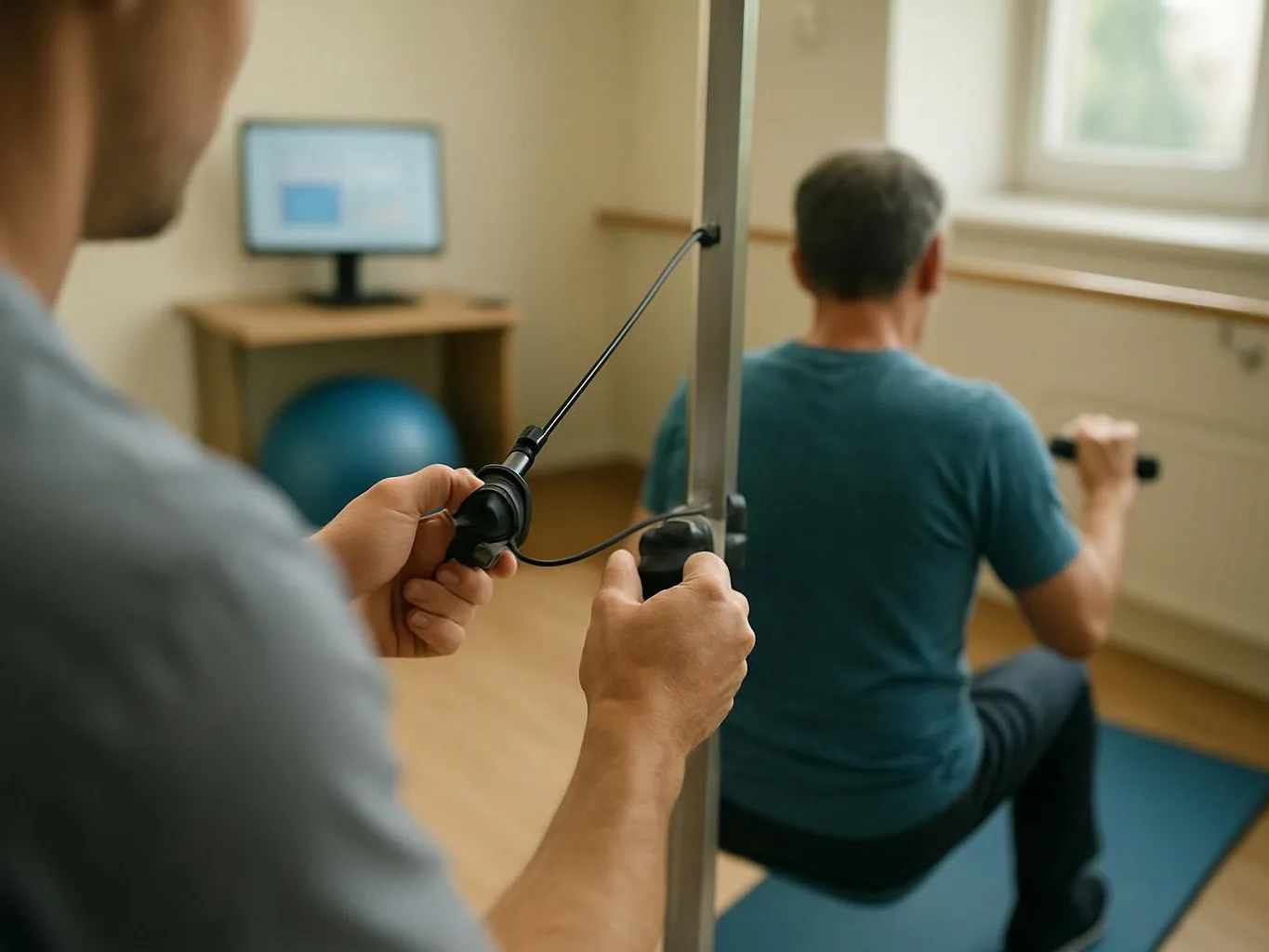
Review your injury and movement goals
We discuss your health history, symptoms, daily limits, and recovery goals before exercise selection begins.
Targeted movement work can help you rebuild control after injury or ongoing pain. We shape each plan around your condition, goals, and current ability.
Daily movements can feel more controlled when the right muscles learn to work together.
Guided exercises give you a practical way to support recovery between appointments.
A tailored plan helps match movement demands to your current strength and symptoms.
Corrective exercise therapy is a guided movement service that improves strength, control, and function around an injury or pain pattern.
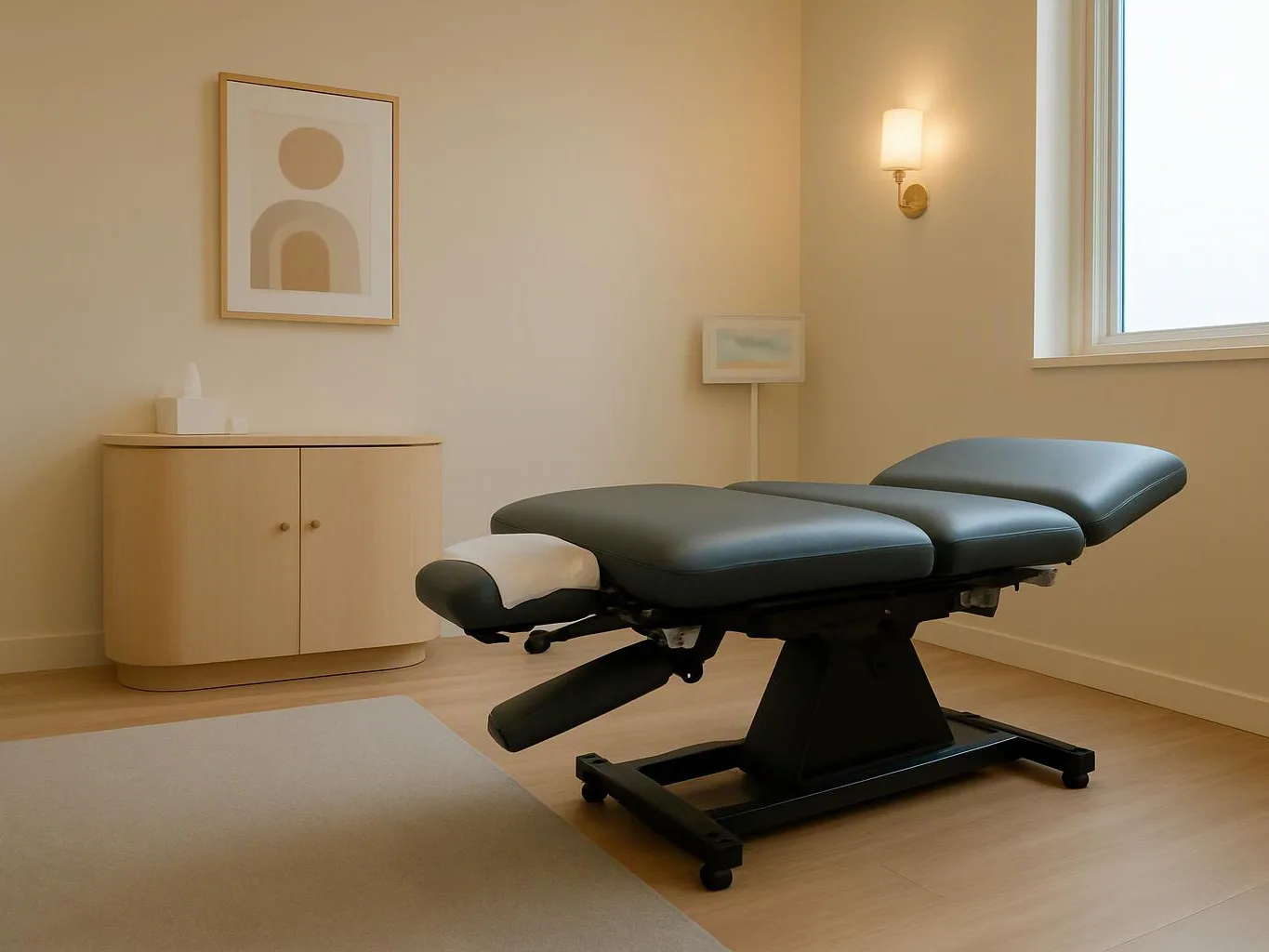
Corrective exercise therapy uses active movement to address control, strength, balance, and coordination. We may use therapeutic exercises for back pain, neck pain, sciatica, whiplash, joint discomfort, or soft-tissue injuries. The work starts with a health history and exam. We look at the movement that causes trouble, then match exercises to your current ability. Chiropractic adjustments, spinal decompression, physical therapy, or massage therapy may also fit your broader care plan. The main buyer decision is fit. An exercise should challenge the right area without worsening symptoms. We monitor your progress and adjust care when clinically appropriate, because repeating a painful movement can slow recovery.
We discuss your health history, symptoms, daily limits, and recovery goals before exercise selection begins.
Our team examines the movement pattern connected to your concern. This helps identify weak control, restricted motion, or a task that increases symptoms.
We select exercises that match your condition and current ability. The plan may address balance, strength, joint motion, or body control.
We show you how to perform each movement and explain what should feel normal during practice. You can ask about form before continuing at home.
We review how movement and symptoms change, then adjust care when clinically appropriate.
Bring details that help us connect your symptoms with the movements that matter most.
We assess movement, symptoms, and daily limits before choosing exercises for corrective exercise therapy.
We shape each exercise plan around your condition, movement goals, and response during guided practice.
We review movement changes and symptom responses, then adjust exercises when clinically appropriate.
Are pain or movement limits affecting your daily routine? Advanced Injury Care Clinic can discuss your symptoms, assess your needs, and explain whether corrective exercise therapy fits your care plan.
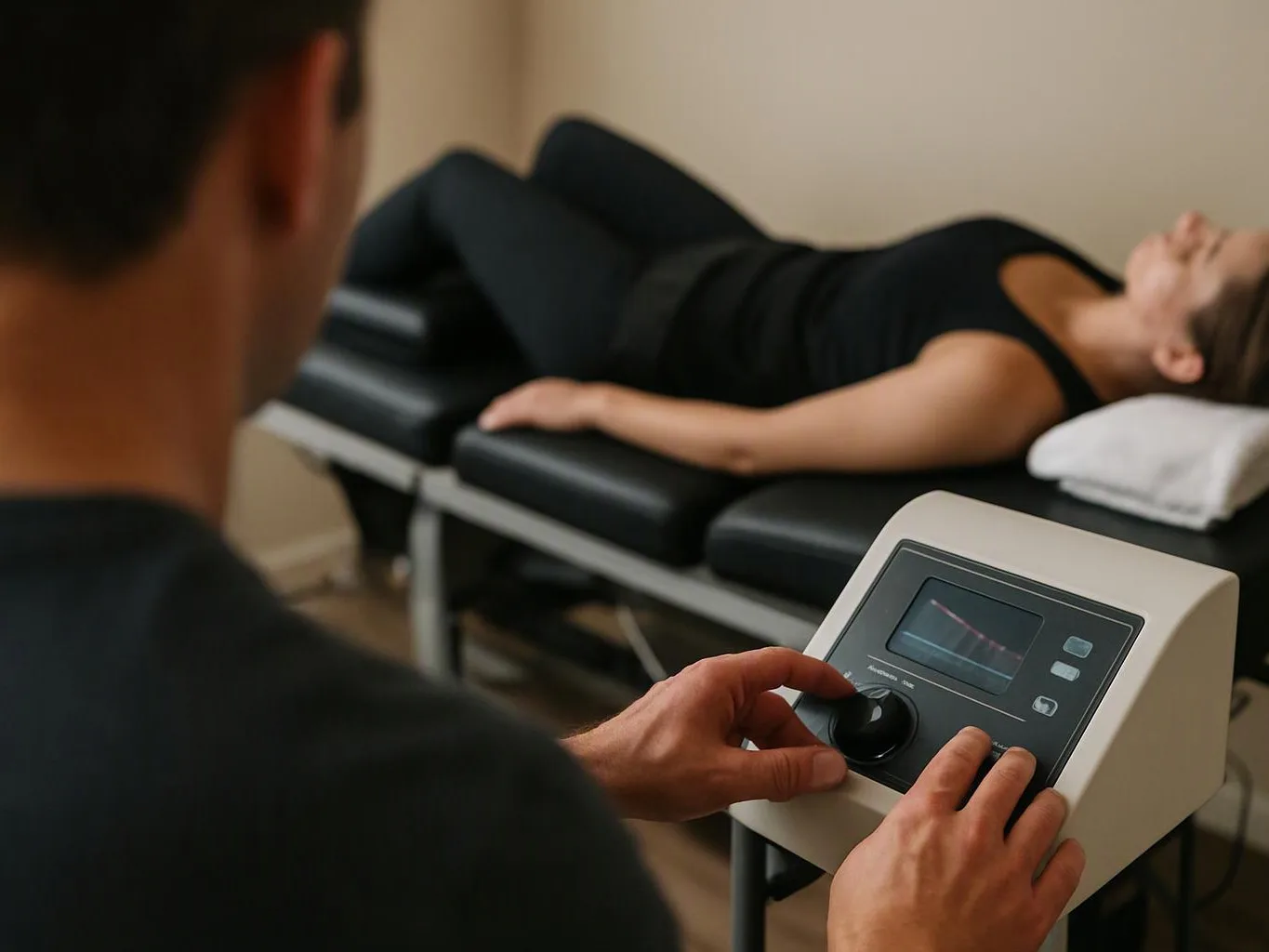
Whiplash or back pain can change how you turn, reach, or sit after a collision. Corrective exercise therapy needs to respect those symptoms while rebuilding controlled movement. Bring accident details and note which daily actions feel limited. We’ll assess your movement and explain whether therapeutic exercises fit your broader care plan.
A sports injury may leave one side weaker or make a familiar motion feel unsafe. The key issue is how your body controls that movement, not just where it hurts. Write down the activity that triggers symptoms and bring that detail to your visit. Our team can then shape exercises around your current function.
Ongoing neck, hip, knee, or back discomfort can make work and home tasks harder. Exercise selection must match your present strength and avoid movements that raise symptoms. Think about the task you want to regain first, such as lifting or walking. We’ll review that goal during assessment and set practical next steps.




The health and wellness information on this website is for general informational purposes only and is not medical advice. It does not create a provider-patient relationship. Always consult a qualified licensed provider in Brentwood, Tennessee, United States about your specific condition before making care decisions. Individual results vary.
(615) 265-0412