
Skip to content

Corrective Exercise Therapy in Forest Hills, Tennessee

Pain ignoring can delay better movement in Forest Hills. We'll assess your symptoms, movement habits, and exercise form during a free consultation.

Upfront, Transparent PricingServing 18 CommunitiesMon-Fri: 9 am–7 pm, Sat: 9 am–2 pm, Sun: ClosedFast Scheduling

Quick Summary: Corrective Exercise Therapy in Forest Hills, Tennessee

Corrective Exercise Therapy in Forest Hills is provided by Advanced Injury Care Clinic for movement limits linked to pain, poor form, weakness, or reduced function. Care covers assessment, therapeutic exercises, exercise guidance, and individualized treatment planning across Forest Hills and nearby Williamson County communities.

  • What we do: Advanced Injury Care Clinic provides Corrective Exercise Therapy for movement limits, pain-related exercise problems, and reduced function in Forest Hills, Tennessee.
  • What is included: Key capabilities include movement assessment, therapeutic exercises, form guidance, mobility work, strength training, and personalized treatment planning.
  • What you get: The customer receives a treatment plan that identifies exercise barriers and sets safer movement goals.

What mistakes can limit corrective exercise therapy results?

Pain ignoring, poor technique, excessive loading, skipped exercises, and weak progression can limit results. Corrective exercise therapy works best when the exercises match your current movement ability and goals. Our team checks form, symptoms, and tolerance before adjusting the plan. Tell us when an exercise feels sharp, unstable, or too difficult so we can review it.

Corrective Exercise Therapy for Movement Problems in Forest Hills

Corrective exercise therapy focuses on how your body moves during a task. We may work with people recovering from auto accidents, workplace injuries, sports injuries, or everyday pain.

A movement assessment can show poor control, limited mobility, weakness, or habits that increase discomfort. The goal isn't to push through pain. We choose exercises that fit your current ability, then review how your body responds.

This service suits people who need more than passive care. It may not be the right first step for severe or unexplained symptoms that need medical evaluation. Our team can discuss the concern during a consultation and explain the next step.

  • Describe which movements bring on pain or stiffness.
  • Bring any relevant health history or injury details.
  • Tell us which exercises feel too hard or unsafe.
  • Ask how progress will be reviewed and adjusted.
A rolled measuring tape sits on a wooden ruler beside a grid board on a leather surface

Service Overview

Corrective Exercise Therapy is a guided treatment that uses targeted exercises to improve movement, strength, control, and daily function.

  • It differs from massage therapy because the patient actively practices movement patterns, while massage focuses on hands-on soft tissue work.
  • Advanced Injury Care Clinic provides this care in Forest Hills and surrounding Williamson County communities.

How Guided Exercise Can Support Better Daily Movement

Guided practice can help you understand which movements increase strain or discomfort.

Better exercise form gives you a clearer way to work on strength and control.

A planned progression helps you avoid adding load before your body is ready.

Regular practice may support mobility during work, home tasks, and recreational activity.

You receive a care plan shaped around your symptoms, goals, and current function.

Process

How We Build and Adjust Your Exercise Plan

1

Review symptoms and movement goals

We start with a new patient intake, health history, symptoms, and the daily tasks you want to manage better.

2

Check movement and exercise form

We observe suitable movements for control, mobility, balance, and discomfort. X-rays may be considered if clinically indicated.

3

Choose suitable therapeutic exercises

We select exercises that match your current ability and explain body position, breathing, control, and safe practice.

4

Set a manageable progression

We discuss how to build practice without excessive loading. Skipped exercises or sharp symptoms should be reported before progression.

5

Review response and update care

A progress re-examination helps us review movement quality, exercise tolerance, and whether the plan still fits your needs.

What Our Exercise Planning Adds to Your Care

Chiropractor-LED clinical care

A chiropractor-led assessment connects your exercise plan with your symptoms, mobility limits, and broader care needs. This service isn't the right job for a symptom that needs urgent medical evaluation first.

Personalized treatment planning

Exercise choice matters because the same movement can feel different across injuries and strength levels. We set the starting point from your assessment and explain what to watch during practice.

Clear progress checks

Your plan can be reviewed as movement quality and exercise tolerance change. We look at control and comfort, not just whether you completed a repetition.

What Corrective Exercise Therapy Includes for Your Movement Goals

Advanced Injury Care Clinic provides comprehensive Corrective Exercise Therapy in Forest Hills. Here's what you get:

  • We review your health history, symptoms, movement limits, and daily activity goals.
  • We assess exercise form, balance, mobility, and control during suitable movements.
  • We select therapeutic exercises that match your current ability and treatment needs.
  • We explain how to perform each exercise with safe body position and control.
  • We adjust exercise difficulty when symptoms, strength, or movement tolerance changes.
  • We discuss regular maintenance exercises that support continued movement between visits.

Choosing Active Exercise or Hands-On Support

These options address different parts of a recovery plan and may be combined when clinically suitable.

Care optionMain focusWhat the patient does
Corrective exercise therapyMovement control, mobility, strength, and functionPractices guided exercises and reports symptoms
Massage therapySoft tissue comfort and muscle workReceives hands-on treatment and discusses response
Chiropractic adjustmentsJoint and spinal movement within the care planDiscusses symptoms and follows post-treatment guidance

The Advanced Injury Care Clinic Standard

  • Thorough Assessments
  • Tailored Care Plans
  • Clear Explanations
  • Appropriate Techniques

Questions About Guided Corrective Exercise

How is corrective exercise therapy matched to my needs?

Your treatment plan is matched to your symptoms, movement limits, strength, daily tasks, and recovery goals. We begin with a health history and exam, then choose exercises that fit your current ability. The plan can include mobility work, therapeutic exercises, or strength practice. Individual response differs, so we review the plan as care continues.

What should be ready before treatment starts?

Your main symptoms, health history, injury details, and activity goals should be ready before treatment starts. Bring information about exercises that worsen discomfort or feel unstable. A new patient intake helps us understand the concern. X-rays are considered only when clinically indicated, and a medical referral is not stated as a general requirement.

Which exercises are used for back or neck pain?

Back or neck pain may call for mobility, posture, control, or strength exercises after assessment. The right choice depends on the movement that brings on symptoms and your current tolerance. We explain each exercise and check technique. Sharp pain, numbness, weakness, or other concerning symptoms should be discussed before exercise continues.

When should exercise difficulty be increased?

Exercise difficulty should increase after you show suitable control and tolerance at the current level. Our team reviews form, symptoms, and movement quality before adding resistance or range. A TheraBand or other added load may not fit every stage. Progression should follow the treatment plan, not discomfort or pressure to advance.

Why do skipped exercises affect progress?

Skipped exercises reduce the practice needed to build movement control and strength. A plan also fails when an exercise is too hard to perform safely. Tell us which step you missed and why. We can review the technique, change the exercise, or address a symptom that makes practice difficult.

What should I ask before agreeing to care?

Ask which movement problem the plan addresses, how each exercise should feel, and when the plan will be reviewed. You can also ask about alternatives, aftercare, and what symptoms should stop an exercise. Our team explains treatment options during the consultation so you can make an informed decision about care.
Contact

Discuss Corrective Exercise Therapy in Forest Hills

Pain ignoring can make daily movement harder to manage. Advanced Injury Care Clinic offers free consultations in Forest Hills, so you can discuss symptoms, exercise concerns, and a clear path forward.

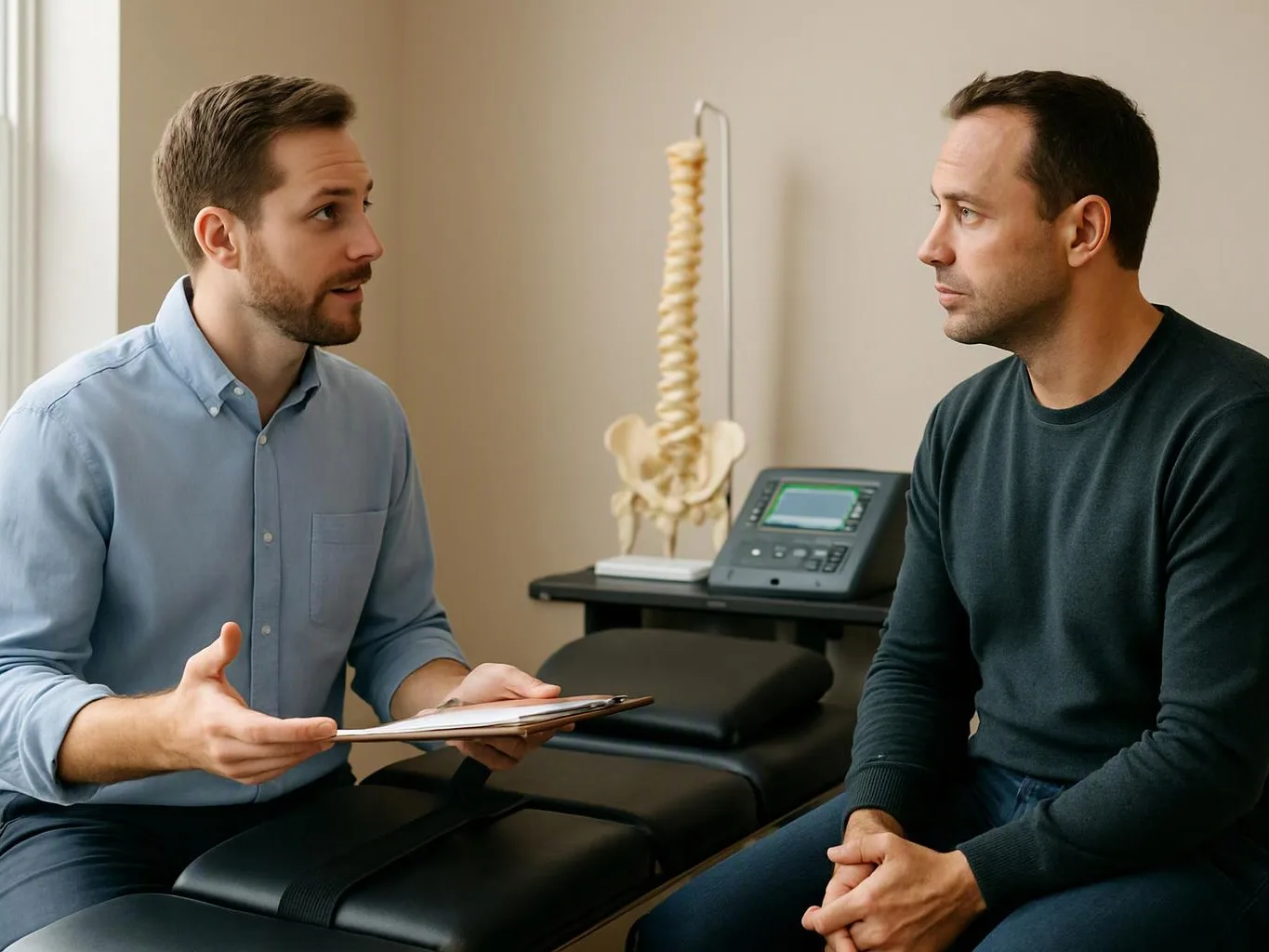
Two men talk in a clinic room beside a spine model and treatment table

Corrective Exercise Therapy in Other Areas

The health and wellness information on this website is for general informational purposes only and is not medical advice. It does not create a provider-patient relationship. Always consult a qualified licensed provider in Brentwood, Tennessee, United States about your specific condition before making care decisions. Individual results vary.

(615) 265-0412