
Skip to content

Corrective Exercise Therapy in Berry Hill, Tennessee

Assessing movement for joint stability starts with a focused visit in Berry Hill. We build exercises around your symptoms, control, and daily needs.

Upfront, Transparent PricingServing 18 CommunitiesMon-Fri: 9 am–7 pm, Sat: 9 am–2 pm, Sun: ClosedFast Scheduling

Quick Summary: Corrective Exercise Therapy in Berry Hill, Tennessee

Corrective Exercise Therapy in Berry Hill is provided by Advanced Injury Care Clinic for movement control, joint support, and recovery from injuries or everyday pain. Care covers Berry Hill, Brentwood, nearby Williamson County communities, and the greater Nashville area, with plans tailored to each patient.

  • What we do: Advanced Injury Care Clinic provides Corrective Exercise Therapy for patients in Berry Hill, Tennessee, using guided exercises to support movement control and recovery.
  • What is included: Movement assessment, therapeutic exercises, muscle control drills, load progression, and personalized treatment planning.
  • What you get: The patient receives a practical exercise plan that supports safer movement and better control during daily activities.

How does corrective exercise therapy support recovery from joint pain?

Corrective exercise therapy supports recovery by improving muscle control around a painful or weak joint. The exercises are selected after we review movement, symptoms, and daily demands.

Corrective Exercise Therapy for Joint Stability in Berry Hill, Tennessee

This service fits people who need help controlling movement after an injury or during ongoing pain. We look at joint motion, muscle control, balance, and the way symptoms affect daily tasks.

The key decision is whether active exercise fits your current condition. Corrective exercise therapy may support recovery after a collision, workplace injury, sports injury, or soft-tissue problem, but some symptoms need further clinical review before exercise begins.

Our team connects the exercise plan with the rest of your care when needed. Chiropractic adjustments, physical therapy, massage therapy, spinal decompression, and therapeutic exercises may each address different parts of recovery.

  • Review the joint or movement pattern that limits daily activity.
  • Check muscle control during safe, guided movements.
  • Match exercise difficulty to current symptoms and function.
  • Track how movement changes across follow-up visits.
  • Ask whether hands-on care or another treatment should come first.
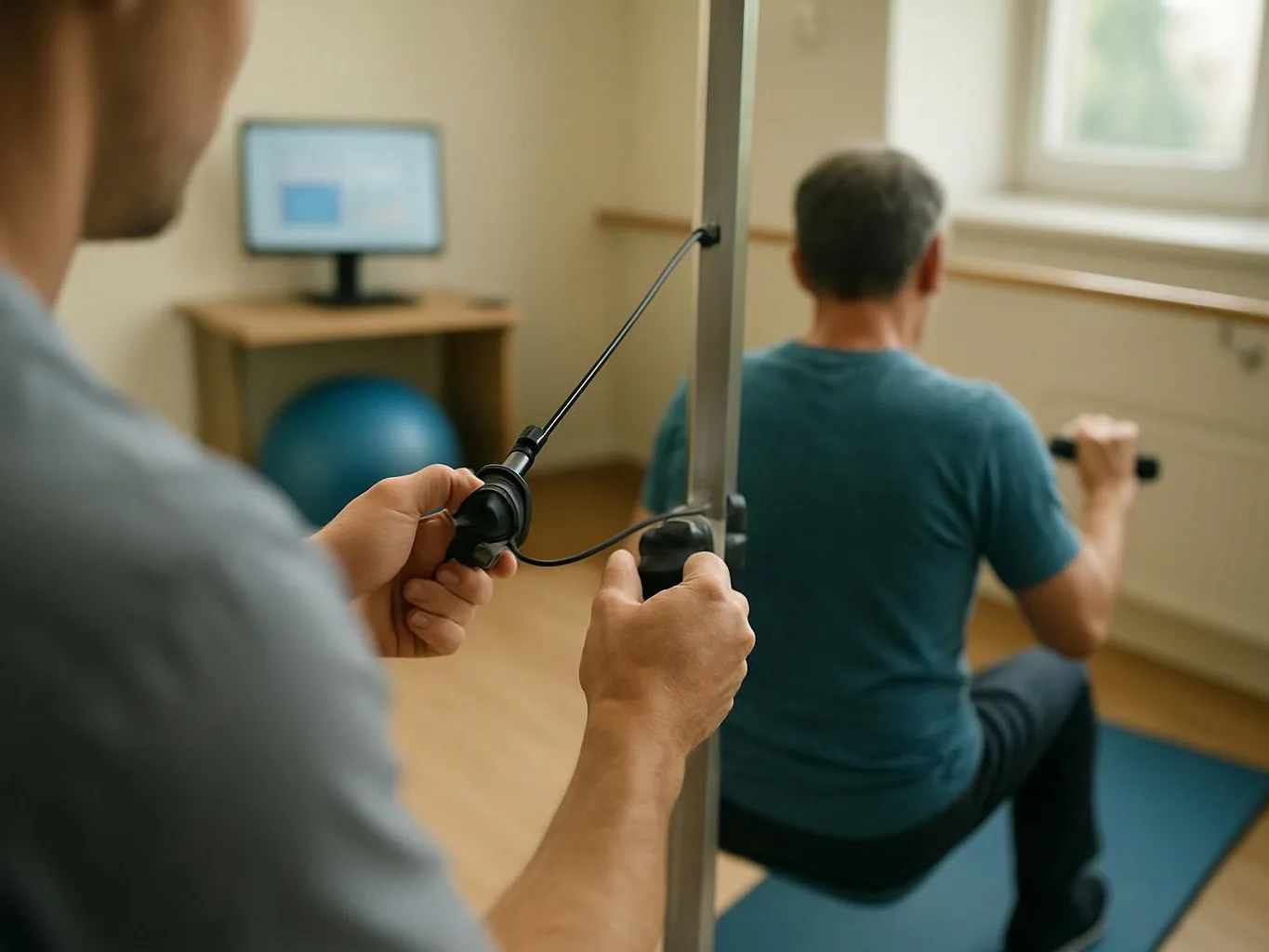
Physical therapy room with parallel bars, exercise mats, stability balls, and resistance bands on the wall

Service Overview

Corrective exercise therapy is a guided treatment that uses specific movements to improve control, strength, and function.

  • It differs from chiropractic adjustments because it trains active movement while adjustments address joint motion through hands-on care.
  • Advanced Injury Care Clinic provides this care for patients in Berry Hill and surrounding Williamson County communities.

A situation this service fits

A person working or living in Berry Hill may notice pain during repeated sitting, lifting, reaching, or sports activity. We check the movement that brings on symptoms, then decide whether guided exercise fits the current stage of recovery.

How We Approach Corrective Exercise Therapy

Movement checks guide the exercise choice

We choose exercises after reviewing how your body moves, not from a fixed routine. The first step may include a health history, exam, and movement check.

Exercises match your current tolerance

Load tolerance matters when pain or weakness limits activity. We begin with movements you can control and adjust the plan as your response changes.

Active care works with other treatment

Therapeutic exercise may fit beside chiropractic adjustments, soft tissue therapy, or physical therapy. This service may be the wrong choice when symptoms require medical evaluation before active movement.

Plans stay focused on daily function

We connect each exercise with a real task, such as walking, lifting, reaching, or returning to sport. That keeps the plan tied to your recovery needs.

Process

How We Deliver Corrective Exercise Therapy

1

Review Your Health History

We discuss symptoms, injury details, past care, and the activities you want to resume.

2

Observe Movement And Control

We assess range of motion, balance, muscle control, and the movements that bring on symptoms.

3

Choose Guided Exercises

We select therapeutic exercises that match your current tolerance and explain how each movement supports your goals.

4

Practice The Movement

You perform the exercises with guidance so we can check form, control, and symptom response.

5

Review Progress And Adjust

We use follow-up findings to decide whether to progress, modify, or pause the exercise plan.

What Corrective Exercise Therapy May Change

Better muscle control may help you move a painful joint with more confidence.

Guided practice can support balance, coordination, and movement efficiency.

A graded plan may help you build load tolerance without rushing your recovery.

Exercise gives you an active role in care between appointments.

Regular maintenance work may support function after the main injury phase.

What Your Corrective Exercise Therapy Visit Includes

Advanced Injury Care Clinic provides comprehensive Corrective Exercise Therapy in Berry Hill. Here's what you get:

  • We review your health history, symptoms, injury details, and movement goals.
  • We observe movement patterns that may affect joint control and daily function.
  • We teach therapeutic exercises that match your current ability.
  • We may use TheraBand exercises and controlled bodyweight movements.
  • We explain how to perform each exercise safely and consistently.
  • We adjust the plan as your movement and tolerance change.

Choosing The Right Movement Care

These services can address different parts of recovery, so the treatment choice depends on your symptoms and assessment.

Care optionMain focusWhen it may fit
Corrective exercise therapyActive movement control and graded loadingWhen weakness, poor control, or limited function affects daily activity
Chiropractic adjustmentsHands-on care for joint motionWhen the care plan includes restricted or painful joint movement
Massage therapySoft tissue work and muscle comfortWhen muscle tightness or soft-tissue symptoms are part of the concern

The Advanced Injury Care Clinic Standard

  • Thorough Assessments
  • Tailored Care Plans
  • Clear Explanations
  • Appropriate Techniques

Questions About Corrective Exercise Therapy

How does corrective exercise therapy support recovery?

Joint stability improves when muscles learn to control movement around a painful or weak area. Advanced Injury Care Clinic reviews movement first, then selects guided exercises for your symptoms and goals. The plan may include TheraBand resistance, balance work, or controlled loading. Individual response differs, so we adjust exercises as your movement changes.

What does the first visit check before exercises begin?

The first visit checks your health history, symptoms, movement, and ability to tolerate activity. We ask about the injury and the tasks that remain difficult. A movement exam helps us choose safe exercises and decide whether another treatment should come first. X-rays may be considered if clinically indicated.

Which part of the body decides the exercise scope?

The affected joint and its surrounding movement pattern decide the exercise scope. A shoulder issue may require reaching and control checks, while a hip or knee issue may need balance and load review. We match the plan to the involved area, symptoms, and daily demands instead of using one routine for everyone.

What changes the time needed to build exercise tolerance?

Your current movement control changes how quickly exercise demand can progress. Pain, weakness, balance, injury type, and response to loading all shape the plan. We do not promise a fixed schedule. Follow-up checks show whether to add resistance, repeat a movement, or reduce the demand.

When should I ask about exercise after an auto accident?

Ask about exercise after an auto accident when pain, stiffness, or reduced movement affects normal tasks. Advanced Injury Care Clinic reviews the injury history and current symptoms before active care begins. Severe or changing symptoms may need further evaluation first. A consultation helps set a safe starting point.

Why might exercise be paired with chiropractic adjustments?

Exercise and chiropractic adjustments address different parts of movement care. Adjustments may address joint motion, while active exercises train control and function. Our team may combine them when the treatment plan supports both approaches. The right mix depends on your exam, symptoms, and recovery goals.

How does a visit move from the first call to the last step?

The process moves from consultation to assessment, guided exercise, and progress review. You discuss your symptoms and goals first, then we check movement and choose suitable exercises. Follow-up care reviews your response and changes the plan when needed. Advanced Injury Care Clinic explains each recommended step before treatment.
Contact

Discuss Corrective Exercise Therapy In Berry Hill

Your first deliverable is a focused consultation about symptoms, movement limits, and treatment fit. Book a free consultation with Advanced Injury Care Clinic to discuss corrective exercise therapy in Berry Hill.

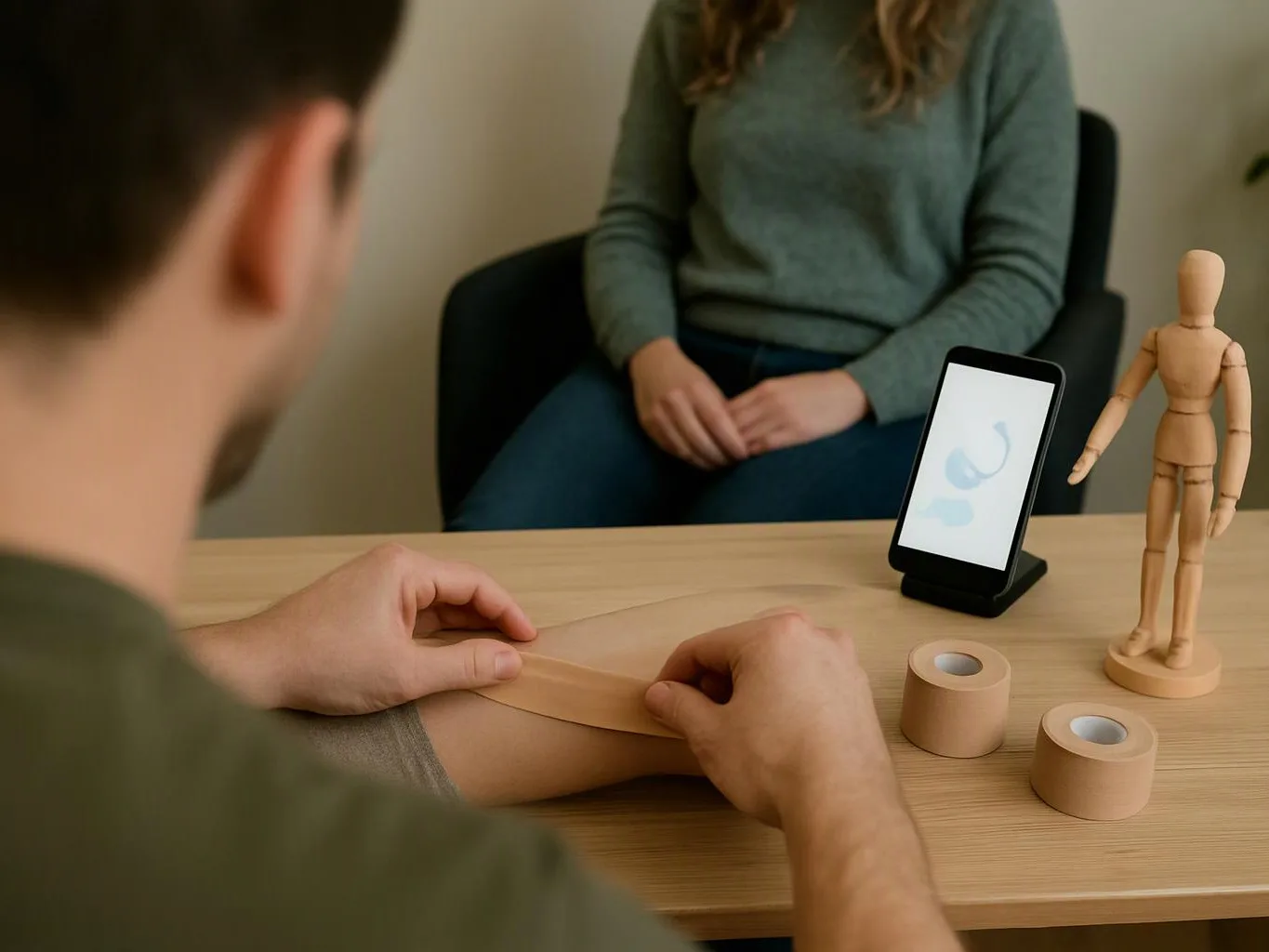
A person wraps a forearm with tape while another sits nearby, with a phone and practice mannequin on a table

Corrective Exercise Therapy in Other Areas

The health and wellness information on this website is for general informational purposes only and is not medical advice. It does not create a provider-patient relationship. Always consult a qualified licensed provider in Brentwood, Tennessee, United States about your specific condition before making care decisions. Individual results vary.

(615) 265-0412