Skip to content

Corrective Exercise Therapy in La Vergne, Tennessee

Movement screening helps decide which exercises fit your needs in La Vergne. We build care plans around mobility, strength, balance, and safe movement.

Upfront, Transparent PricingServing 18 CommunitiesMon-Fri: 9 am–7 pm, Sat: 9 am–2 pm, Sun: ClosedFast Scheduling

Quick Summary: Corrective Exercise Therapy in La Vergne, Tennessee

Corrective Exercise Therapy in La Vergne is provided by Advanced Injury Care Clinic for movement limits linked to pain, stiffness, or injury. Care includes exercise planning alongside chiropractic adjustments, physical therapy, massage therapy, and other non-invasive services.

  • What we do: Advanced Injury Care Clinic provides Corrective Exercise Therapy in La Vergne, Tennessee through movement screening, exercise planning, and guided mobility work.
  • What is included: mobility drills, strength training, balance work, core activation, and personalized treatment planning.
  • What you get: The patient receives a focused exercise plan that supports safer movement and daily function.

Why does my pain keep returning after normal activity?

Recurring pain can reflect movement limits, weak support muscles, poor balance, or reduced control. Corrective exercise therapy checks these patterns and builds suitable exercises around them.


Corrective Exercise Therapy for Movement Screening in La Vergne, Tennessee

Corrective exercise therapy focuses on how your body moves during daily tasks and exercise. It fits people recovering from auto accidents, workplace injuries, sports injuries, or ongoing pain.

The work begins with a review of symptoms, health history, and movement limits. Exercises may target joint mobility, muscle strength, balance, or core control, depending on the findings.

This service supports active recovery, but it isn't the right fit for every concern. Severe symptoms, a new injury, or signs that need medical assessment should be discussed before exercise begins. The main decision is whether guided exercise matches your current condition and goals.

  • Discuss the pain, stiffness, or movement limit that affects daily activity.
  • Review health history and current treatment before exercises are selected.
  • Choose exercises that match mobility, strength, balance, and core control needs.
  • Ask how progress will be checked during follow-up visits.
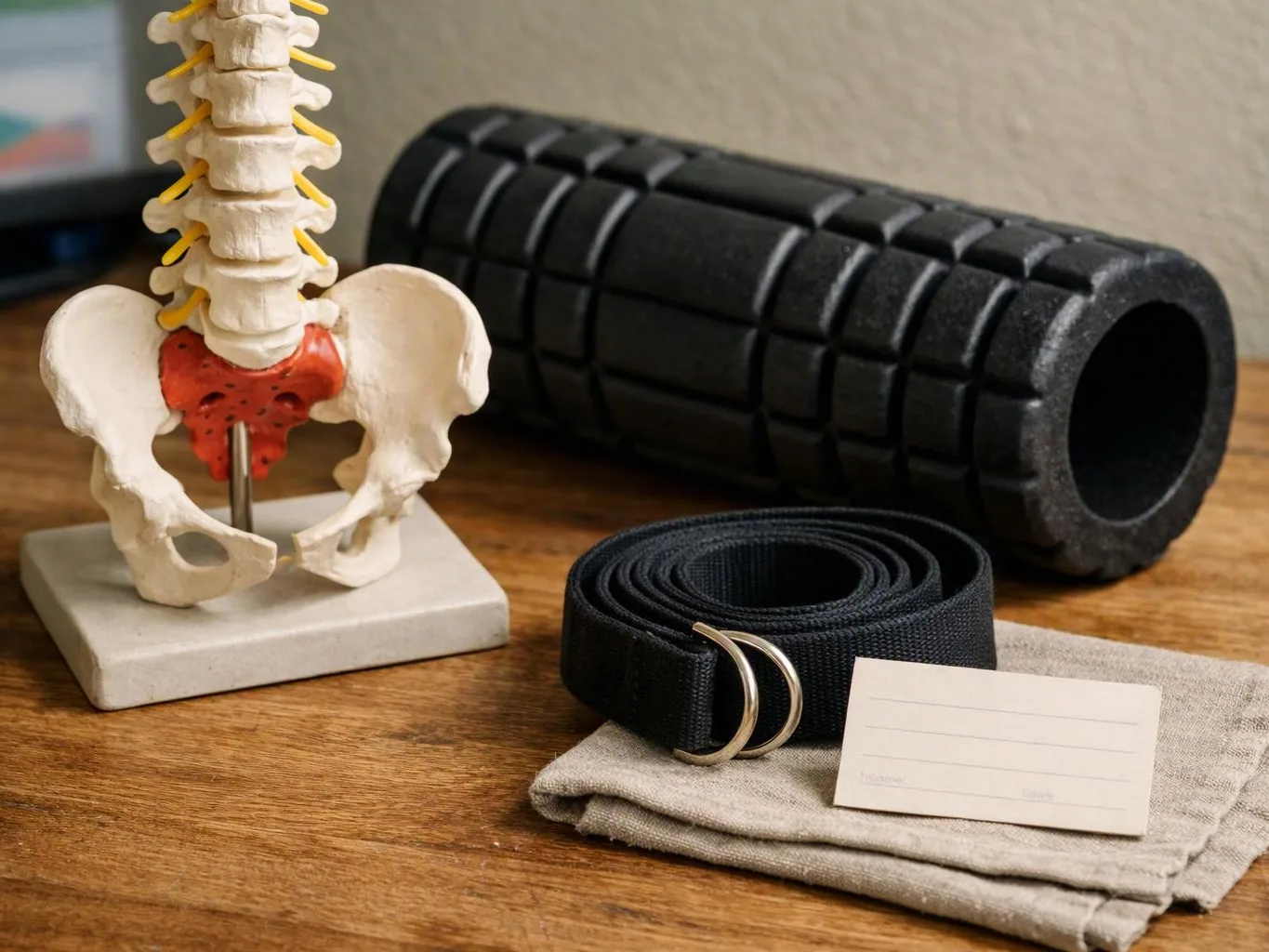
A blue exercise mat and resistance band lie beside a black foam roller on a floor

Service Overview

Corrective Exercise Therapy is a guided treatment that improves movement control, strength, balance, and mobility.

  • It differs from passive care because the patient actively practices exercises that support movement between visits.
  • Advanced Injury Care Clinic provides this care for patients in La Vergne and surrounding communities.
Process

How We Build a Guided Exercise Plan

1

Review symptoms and health history

We discuss your pain, injury history, activity limits, and recovery goals before selecting exercises.

2

Check movement and control

Movement screening checks joint mobility, strength, balance, and core control during suitable tasks.

3

Choose focused exercises

We select mobility drills, strength work, balance exercises, or core activation based on the assessment.

4

Practice safe movement

We explain each exercise and help you understand how to perform it with controlled form.

5

Review progress and fit

Follow-up care reviews how the exercises feel and whether the plan still matches your needs.

How We Approach Corrective Exercise Therapy

Movement findings guide exercise choices

The assessment links each exercise to a movement need, such as limited mobility or weak core control. The service is not the right job when symptoms need urgent medical evaluation first.

Care fits the wider treatment plan

Exercise may work alongside chiropractic adjustments, spinal decompression, massage therapy, or physical therapy when those services suit the patient.

Progress is discussed during care

Follow-up conversations help us review exercise tolerance, daily function, and changes in movement control.

What Corrective Exercise Therapy Includes for Your Care Plan

Advanced Injury Care Clinic provides comprehensive Corrective Exercise Therapy in La Vergne. Here's what you get:

  • We review your symptoms, health history, and movement goals before exercise selection.
  • We assess movement patterns to identify limits in mobility, strength, balance, or control.
  • We teach mobility drills that match the joints and movements needing attention.
  • We add strength training when muscle support affects movement quality.
  • We use balance work or core activation when control and stability need more support.
  • We adjust the plan as your movement and treatment needs change.

What Guided Exercise Can Change for Daily Movement

Mobility drills may help you move joints with better control during daily tasks.

Strength training supports muscles that help stabilize painful or restricted movement.

Balance work may improve control during standing, walking, and position changes.

Core activation gives the trunk more support during lifting, reaching, and other movements.

A guided plan helps connect in-clinic care with safe practice at home.

Movement Goals Addressed Through Guided Exercise

This table compares common exercise focuses and the movement concern each one addresses.

Exercise focusMain purposeExample movement concern
Mobility drillsSupport controlled joint movementStiffness or limited range
Strength trainingBuild muscle supportWeakness during daily tasks
Balance workImprove movement controlUnsteady standing or position changes
Core activationSupport trunk controlPoor control during reaching or lifting

The Advanced Injury Care Clinic Standard

  • Thorough Assessments
  • Tailored Care Plans
  • Clear Explanations
  • Appropriate Techniques

Questions About Guided Exercise for Pain and Recovery

What does corrective exercise therapy include?

Movement screening comes first, followed by exercises chosen for your needs.

  • Mobility drills address restricted movement.
  • Strength training supports weak muscle groups.
  • Balance work improves control during position changes.
  • Core activation supports trunk control.

Advanced Injury Care Clinic may combine these exercises with chiropractic care, physical therapy, or massage therapy when appropriate.

What should be checked before exercise therapy is scheduled?

Health history, current symptoms, movement limits, and treatment needs should be checked first. The review helps identify exercises that fit your condition and flags concerns that need another form of care. Bring details about the injury, painful activities, and current treatment. We use that information to plan a suitable assessment.

Who is a good fit for guided corrective exercise?

People with reduced mobility, weakness, balance limits, or poor movement control may fit guided exercise care. Auto accident injuries, workplace injuries, sports injuries, and everyday pain can create these concerns. The plan must match the patient’s condition. Severe or changing symptoms need medical review before exercise begins.

Which exercises help after an auto accident injury?

Mobility drills, strength work, balance exercises, or core activation may fit after an auto accident injury. The right choice follows an assessment of pain, movement, and control. We also review whether chiropractic adjustments, massage therapy, or physical therapy should be part of care. Individual response differs, so exercises are adjusted as needed.

When should I ask about corrective exercise therapy in La Vergne?

Ask about guided exercise when pain, stiffness, weakness, or poor balance limits daily activity. La Vergne patients can discuss these concerns through a free consultation with Advanced Injury Care Clinic. The consultation helps clarify whether exercise planning fits the condition and which assessment should come first.

Why does exercise form matter during recovery?

Exercise form matters because poor control can place stress on a painful or weak area. We teach each movement with attention to posture, range, balance, and breathing. A controlled exercise is easier to assess and adjust. Stop and report a new or worsening symptom instead of pushing through it.

How do mobility drills differ from strength training?

Mobility drills focus on controlled joint movement, while strength training builds muscle support for useful tasks. Both may belong in one plan when the assessment shows different needs. The exercise choice depends on symptoms, movement quality, and tolerance. We explain the purpose of each exercise before practice begins.
Contact

Discuss Corrective Exercise Therapy in La Vergne

Contact Advanced Injury Care Clinic to discuss your movement goals and request a free consultation. We’ll review your concern, explain the assessment, and outline the next step for care.

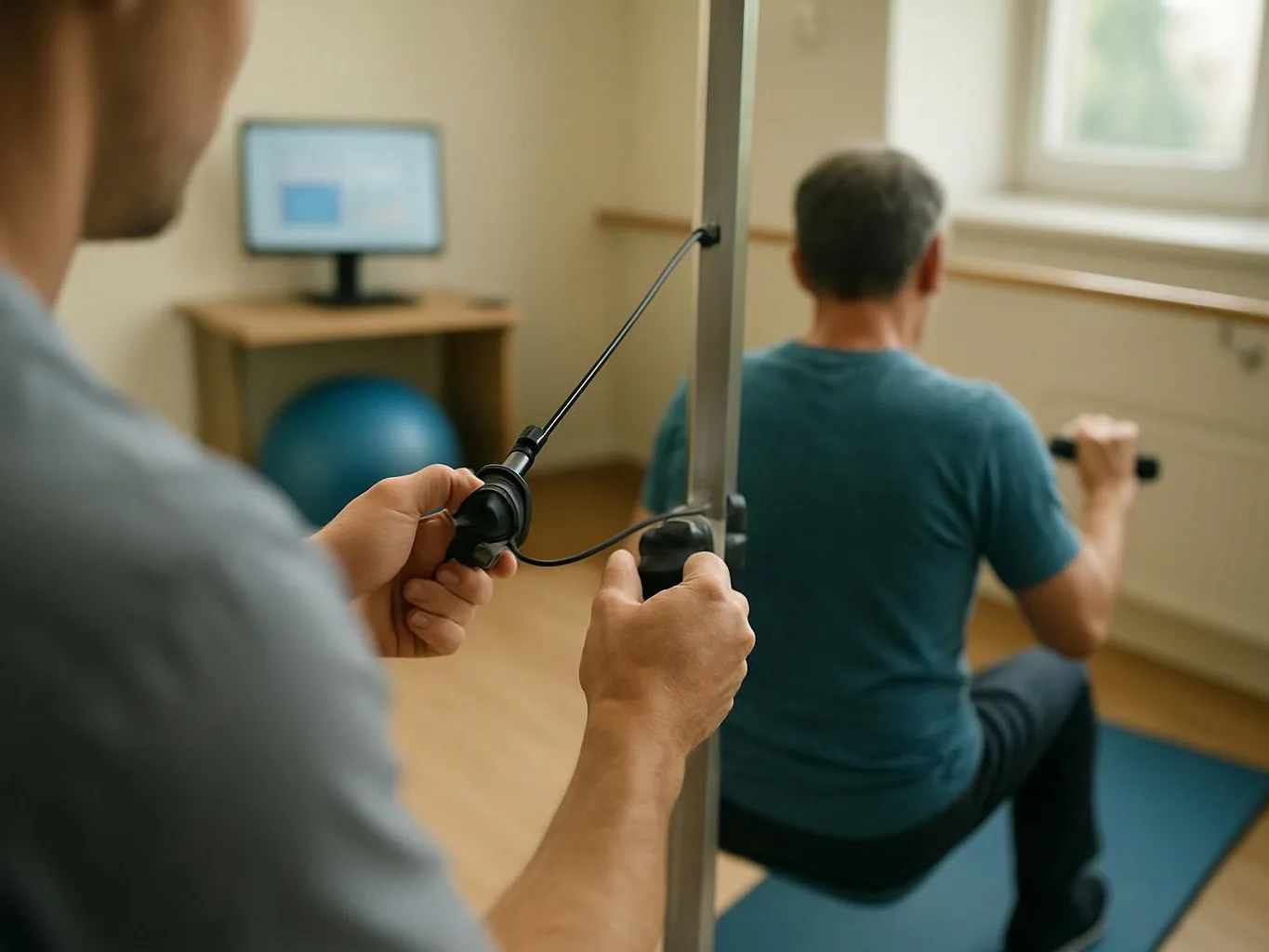
A hand grips a black strap holding red, blue, and yellow resistance bands on a metal rail

ZIP Codes We Serve in La Vergne, Tennessee

3708637089

The health and wellness information on this website is for general informational purposes only and is not medical advice. It does not create a provider-patient relationship. Always consult a qualified licensed provider in Brentwood, Tennessee, United States about your specific condition before making care decisions. Individual results vary.

(615) 265-0412