Skip to content

Corrective Exercise Therapy in Belle Meade, Tennessee

Movement screening checks how your body moves in Belle Meade. We use those findings to shape exercises for mobility, strength, balance, and control.

Upfront, Transparent PricingServing 18 CommunitiesMon-Fri: 9 am–7 pm, Sat: 9 am–2 pm, Sun: ClosedFast Scheduling

Quick Summary: Corrective exercise therapy in Belle Meade, Tennessee

Corrective Exercise Therapy in Belle Meade is provided by Advanced Injury Care Clinic for mobility drills, strength training, balance work, and core activation. We serve patients across Brentwood, Williamson County, and the greater Nashville area.

  • What we do: Advanced Injury Care Clinic provides Corrective Exercise Therapy for Belle Meade, Tennessee, with movement screening, mobility drills, strength training, balance work, and core activation.
  • What is included: Movement screening, therapeutic exercises, mobility drills, strength training, balance work, and core activation.
  • What you get: The patient receives an exercise plan that addresses movement limits and supports safer daily activity.

Why does my back pain keep returning after daily activity?

Recurring back pain can relate to limited mobility, weak support muscles, or poor movement control. Corrective exercise therapy checks these patterns and builds targeted exercises around the findings.


Corrective Exercise Therapy for movement limits in Belle Meade

Corrective exercise therapy focuses on how your body moves during daily tasks, sports, work, or recovery after an injury. It fits patients with back pain, neck pain, sciatica, joint discomfort, whiplash, or soft-tissue injuries.

The work starts with movement screening and a review of your health history. We then choose exercises that match your current control and comfort, such as mobility drills, strength training, balance work, or core activation.

This page helps you decide whether active exercise belongs in your care plan. It isn't the right first step for every concern, especially when symptoms need a broader clinical assessment before exercise begins.

  • Movement screening checks joint motion, posture, balance, and control.
  • Mobility drills address restricted movement with guided, active exercises.
  • Strength training builds support around areas affected by pain or weakness.
  • Balance work tests control during standing and changing positions.
  • Core activation teaches controlled support for the spine and trunk.
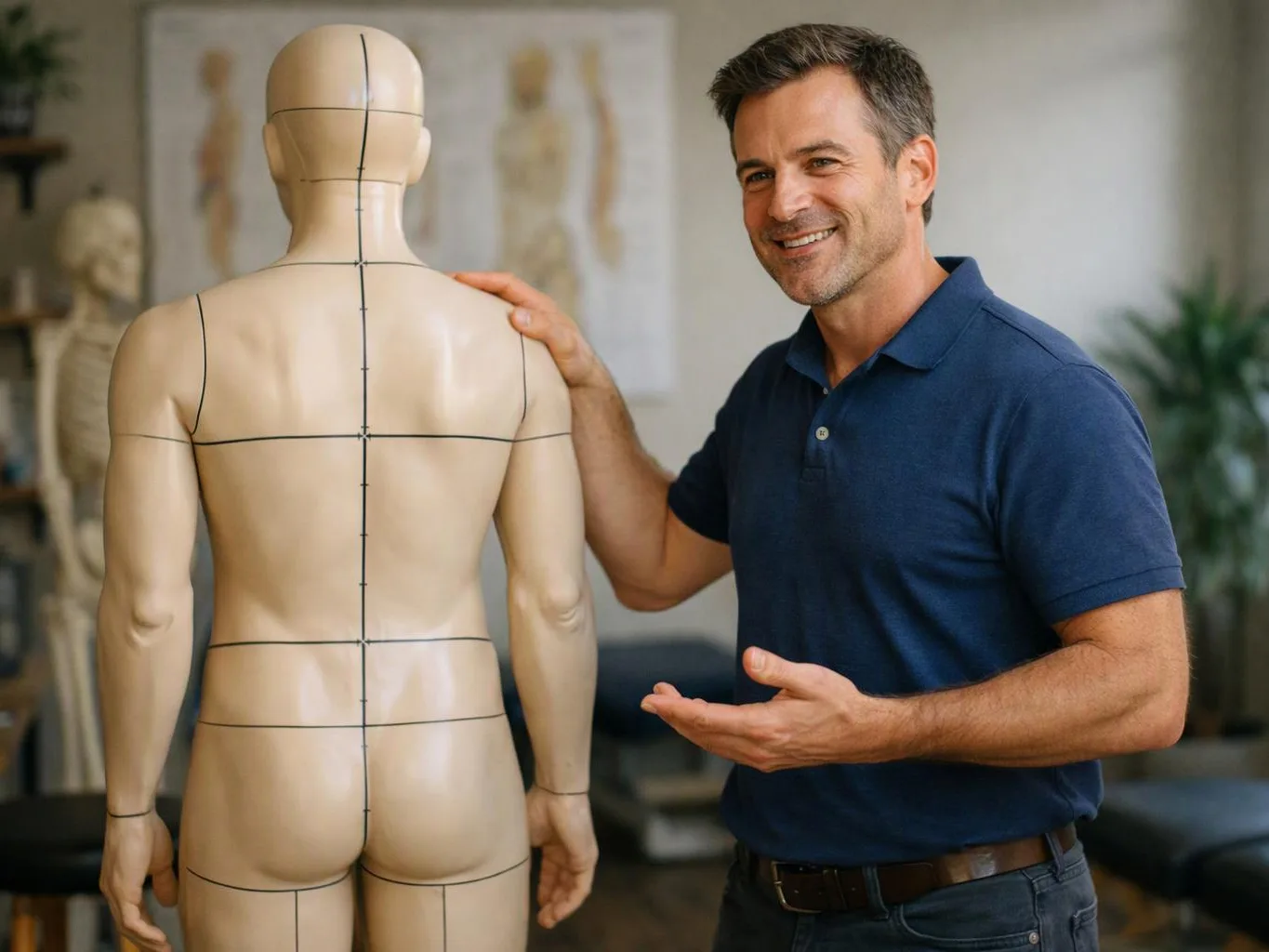
A smiling man in a black polo stands in a gym with exercise equipment and a blue mat behind him

Service Overview

Corrective Exercise Therapy is a guided exercise service that improves movement control, strength, balance, and joint mobility.

  • Corrective exercise therapy differs from massage therapy because it teaches active movement and muscle control between visits.
  • We provide this care for patients in Belle Meade and throughout Williamson County and the greater Nashville area.

What corrective exercise therapy includes for your care plan

Advanced Injury Care Clinic provides comprehensive Corrective Exercise Therapy in Belle Meade. Here's what you get:

  • We review your health history, symptoms, and movement goals before choosing exercises.
  • We check posture, joint mobility, balance, and control during movement screening.
  • We teach mobility drills that address restricted or uncomfortable movement.
  • We add strength training when muscle support affects movement quality.
  • We use balance work and core activation when control needs focused practice.
  • We explain how to perform each exercise safely during your care plan.
Process

How we build your corrective exercise plan

1

Review symptoms and movement goals

We begin with a new patient intake and health history. You can describe pain, stiffness, injury details, and the activities you want to resume.

2

Check mobility and movement control

Movement screening checks posture, joint motion, balance, and control. We use these findings to identify which exercises fit your current ability.

3

Choose active exercise methods

We select mobility drills, strength training, balance work, or core activation based on the assessment. Each exercise has a clear purpose.

4

Teach safe exercise form

Our team demonstrates each movement and watches your form. We explain how to control the motion and when to stop because of increased symptoms.

5

Review progress and adjust care

Progress re-examination helps us review movement quality and exercise response. We can adjust the care plan as your needs change.

What patients get from this exercise approach

A movement-based starting point

Movement screening gives our team a basis for choosing exercises. The right fit depends on your symptoms, control, and goals, so this service is not a substitute for urgent medical care.

Exercises matched to current ability

Mobility drills, strength training, balance work, and core activation can be adjusted as your movement changes. We explain the purpose of each exercise in plain language.

Care linked to injury recovery

Chiropractor-led clinical care may include therapeutic exercises alongside adjustments, physical therapy, massage therapy, or spinal decompression when those services fit your needs.

What changes with guided corrective exercises

Targeted drills may help you move more comfortably during work, sport, and daily tasks.

Strength work can improve support around joints that feel weak or strained.

Balance practice may improve control during standing, walking, and position changes.

Core activation helps you practice steady trunk control during movement.

A guided plan gives you specific exercises instead of relying on guesswork.

How exercise methods serve different movement goals

Each method focuses on a different part of movement control, so the assessment guides the choice.

Exercise methodMain focusWhen it may fit
Mobility drillsJoint motion and flexibilityStiffness or limited movement
Strength trainingMuscle support and controlWeakness affecting movement
Balance workPostural control and stabilityDifficulty controlling position changes
Core activationTrunk support and coordinationPoor control during spine-related movement

The Advanced Injury Care Clinic Standard

  • Thorough Assessments
  • Tailored Care Plans
  • Clear Explanations
  • Appropriate Techniques

Questions about guided corrective exercises

What is included in corrective exercise therapy?

Movement screening comes first, followed by exercises matched to your findings.

  • Mobility drills address restricted motion.
  • Strength training builds muscle support.
  • Balance work improves control during position changes.
  • Core activation trains steady trunk support.

Advanced Injury Care Clinic explains each exercise and reviews your response during care.

How is exercise matched to my body before treatment starts?

Your health history and movement screening guide exercise selection. We check posture, joint motion, balance, and control before choosing drills. Symptoms and activity goals also shape the plan. Our team changes the exercise level when a movement causes increased discomfort or poor control.

Which condition can change the exercise plan?

Pain, stiffness, weakness, balance limits, and recent injury details can change the exercise plan. We review how each condition affects movement before selecting drills. Whiplash and soft-tissue injuries may need a gentler start, while strength loss may call for focused support work.

What should be ready before corrective exercises start?

Your symptom history, injury details, activity goals, and current treatment information should be ready before exercise begins. These details help our team connect the assessment to your daily needs. Bring questions about painful movements so we can address them during the intake and exam.

When is corrective exercise therapy the wrong first step?

Corrective exercise therapy is the wrong first step when symptoms need urgent medical assessment or exercise increases them sharply. Our team reviews your condition before recommending active drills. Severe or changing symptoms should be discussed promptly with an appropriate medical provider before starting exercise.

Why might exercise follow chiropractic adjustments?

Therapeutic exercise can help you practice movement control after hands-on care. Adjustments address one part of a care plan, while active drills develop strength, balance, mobility, or core control. Our team decides whether the combination fits your symptoms and recovery goals.
Contact

Discuss corrective exercise therapy in Belle Meade

Your first step is a free consultation to discuss symptoms, movement goals, and the assessment that may fit your needs. Advanced Injury Care Clinic can explain available care for back pain, neck pain, sports injuries, and recovery after an accident.

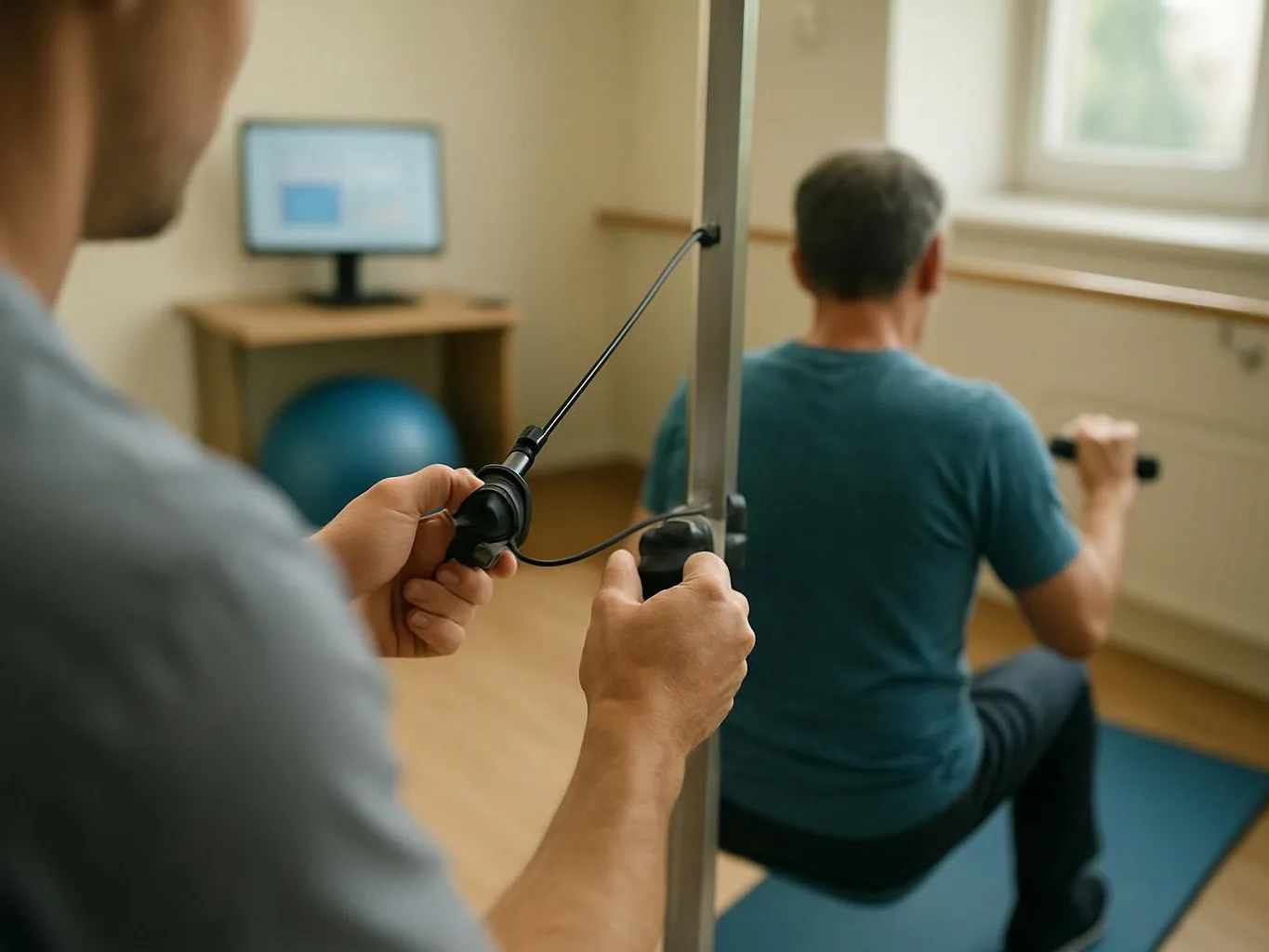
A person balances on a blue wobble disc while another grips a metal rail in a gym therapy room

Corrective Exercise Therapy in Other Areas

The health and wellness information on this website is for general informational purposes only and is not medical advice. It does not create a provider-patient relationship. Always consult a qualified licensed provider in Brentwood, Tennessee, United States about your specific condition before making care decisions. Individual results vary.

(615) 265-0412