How can massage therapy relieve muscle tension?
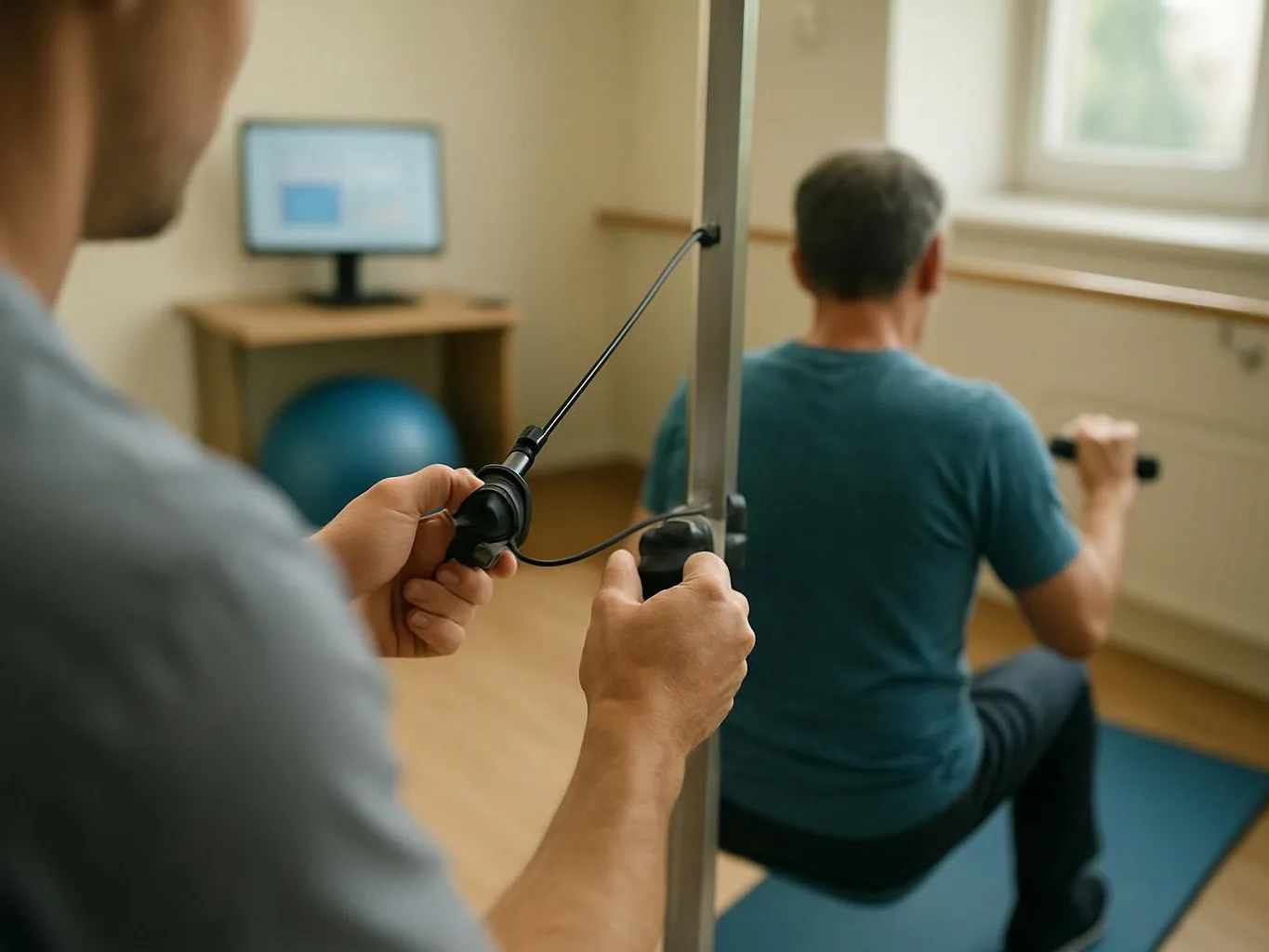
Soft tissue massage therapy may reduce muscle tightness by working on tense areas, trigger points, and muscle knots. We first check the affected area and related movement. The findings guide pressure, treatment focus, and whether chiropractic care or therapeutic exercises should support the plan. Individual response differs, so we explain realistic next steps after the assessment.
What signs suggest muscle tension needs more than massage?
Persistent weakness, spreading numbness, severe pain, or major movement loss needs an assessment beyond massage therapy. Our team reviews these symptoms and your health history before treatment. We may discuss chiropractic care, physical therapy, or medical evaluation when hands-on muscle work does not match the concern.
Which part of the body decides the scope of massage therapy?
The affected muscle area helps decide the scope of massage therapy. Neck, shoulder, back, hip, and leg symptoms can involve different movement checks and treatment goals. We also consider trigger points, muscle knots, injury history, and related joint symptoms before setting the plan.
Which material changes how long massage therapy takes?
No building material determines massage therapy time because treatment occurs in a clinical setting. The affected tissue, number of areas, symptom pattern, and related care needs shape the visit. We discuss those factors during the assessment instead of assigning a time without examining your needs.
How does a massage therapy visit move from the first call to the last step?
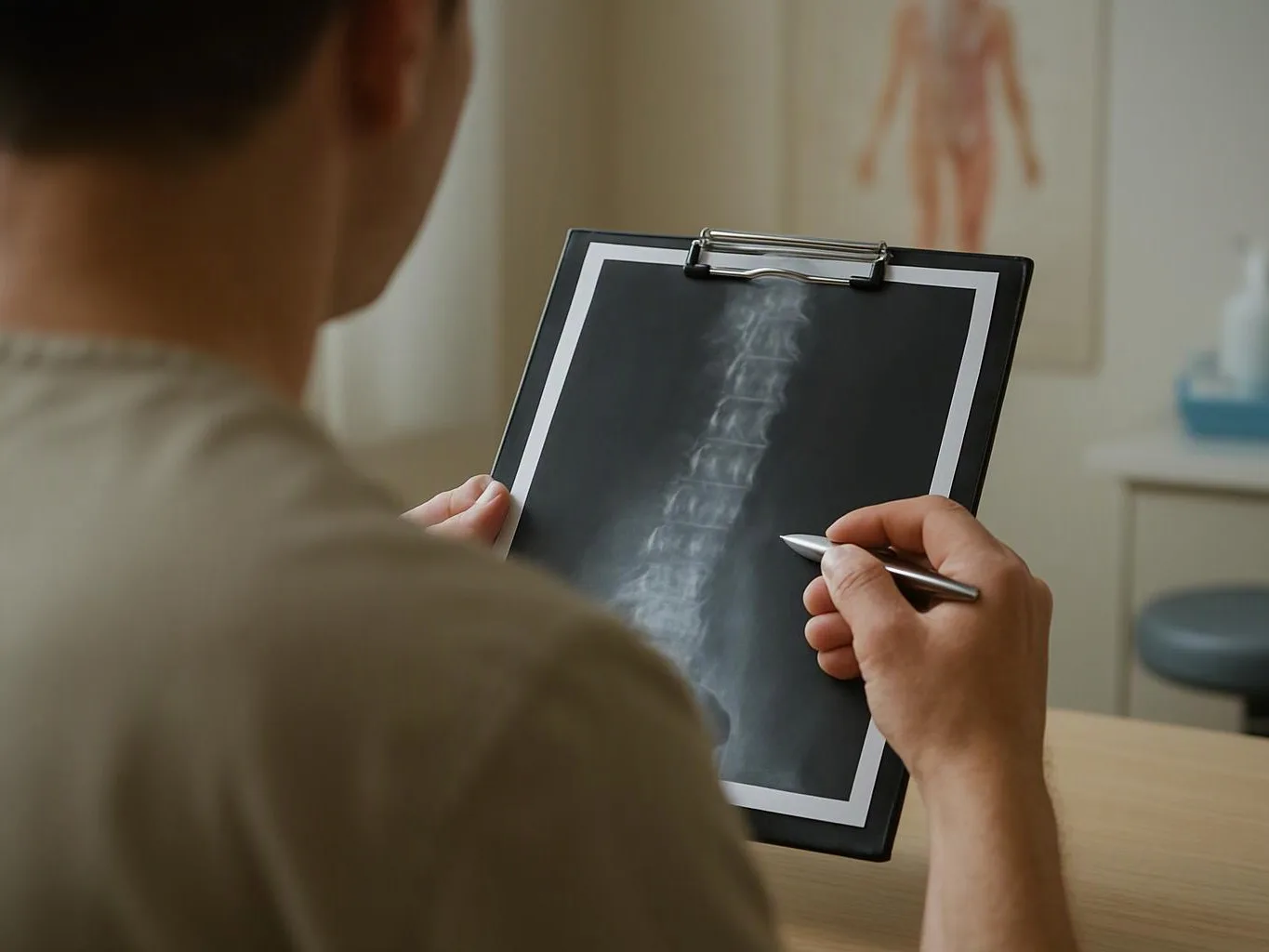
A massage therapy visit moves from consultation to assessment, focused treatment, and aftercare planning. We review your symptoms and health history first. Next, we check movement and tense areas, provide care that fits the findings, and explain follow-up or maintenance options.
When should I ask about massage therapy after an injury?
Ask about massage therapy when muscle tension or soft tissue discomfort remains part of your injury concern. Our team checks for symptoms that could change the treatment choice, including neck pain, whiplash, back pain, or radiating discomfort. The assessment helps decide whether massage therapy belongs in the next care step.
Why might massage therapy be paired with chiropractic care?
Massage therapy may be paired with chiropractic care when muscle tension and joint movement concerns occur together. Hands-on work addresses tense muscle areas, while adjustments address spinal or joint movement. Our team considers the full pattern before placing both services in one personalized treatment plan.