
Skip to content

Corrective Exercise Therapy in Lakewood, Tennessee

Safety and clinical fit guide joint stability work in Lakewood. We match each exercise to your symptoms, movement limits, and recovery needs.

Upfront, Transparent PricingServing 18 CommunitiesMon-Fri: 9 am–7 pm, Sat: 9 am–2 pm, Sun: ClosedFast Scheduling

Quick Summary: Corrective Exercise Therapy in Lakewood, Tennessee

Corrective Exercise Therapy in Lakewood helps Advanced Injury Care Clinic guide clients through targeted exercises for muscle control, movement efficiency, and load tolerance. We provide this care across Lakewood and surrounding Williamson County communities as part of individualized chiropractic treatment plans.

  • What we do: Advanced Injury Care Clinic provides Corrective Exercise Therapy for Lakewood clients with movement limits linked to injury, pain, or reduced function.
  • What is included: We assess movement, select therapeutic exercises, and adjust each plan as recovery needs change.
  • What you get: The customer leaves with a clear exercise plan that supports safer movement and stronger control during daily activities.

How does corrective exercise therapy support recovery from an injury?

Joint stability improves when corrective exercise therapy builds muscle control around affected movements. The exercises also support motor learning, load tolerance, and more efficient movement during daily tasks.

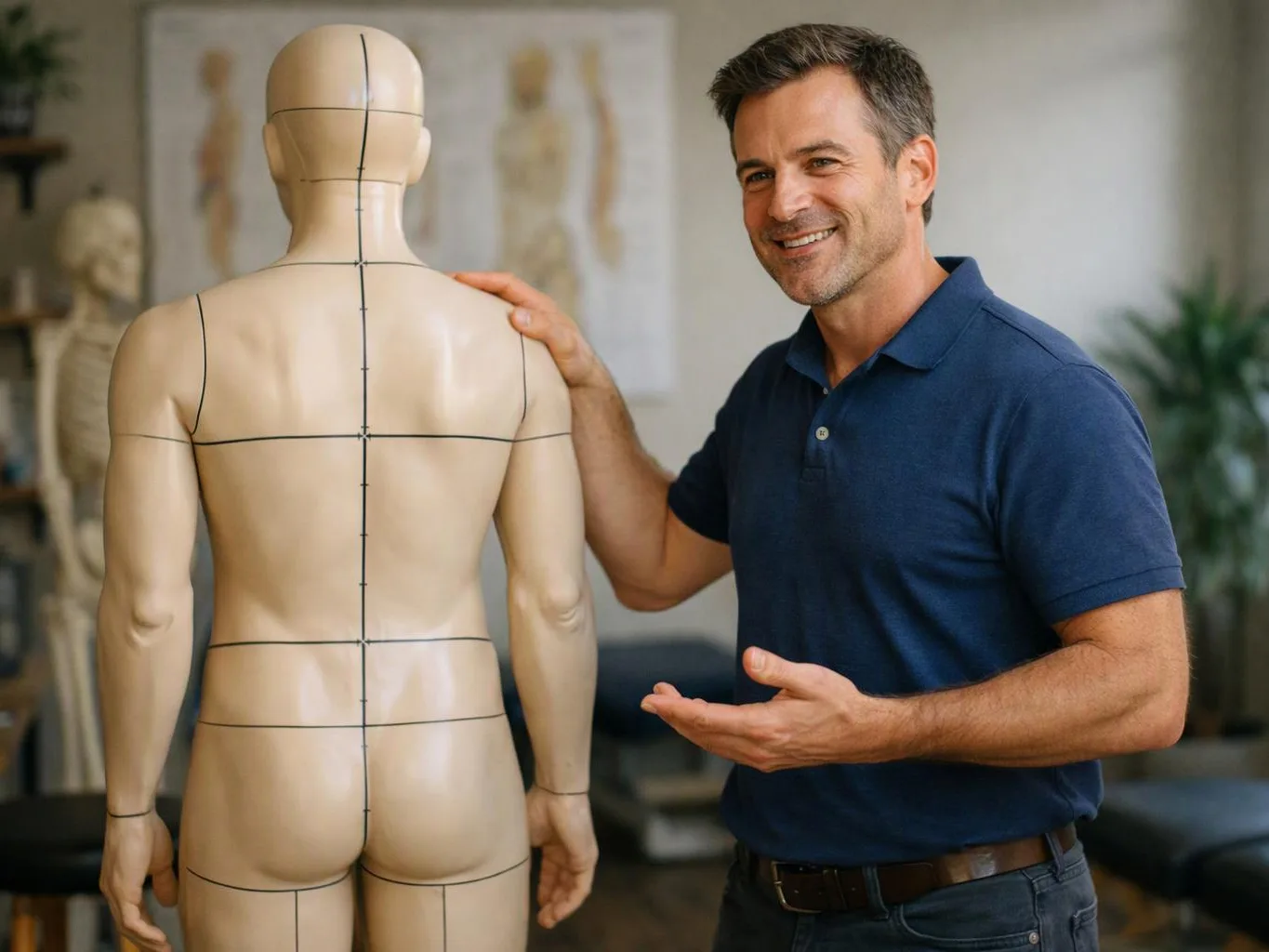
Corrective Exercise Therapy for Joint Stability in Lakewood, Tennessee

Corrective exercise therapy focuses on how your body controls movement after pain, injury, or reduced activity. It may suit clients who need more support between chiropractic adjustments, physical therapy visits, or other non-invasive treatments.

Our deeper focus is joint stability. We look at how muscle control affects a painful or weak movement, then choose exercises that match your present ability. The plan can address load tolerance, motor learning, and movement efficiency without treating exercise as a one-size-fits-all task.

This service has limits. It isn't the right first step for every symptom, especially when a condition needs another form of assessment or care. Our team evaluates your needs, explains the options, and helps you decide whether therapeutic exercise fits your recovery plan.

  • Identify the movement that feels weak, painful, or hard to control.
  • Check how muscle control affects the joint during simple movements.
  • Match exercise difficulty to current load tolerance.
  • Review how the exercises fit with chiropractic adjustments or other care.
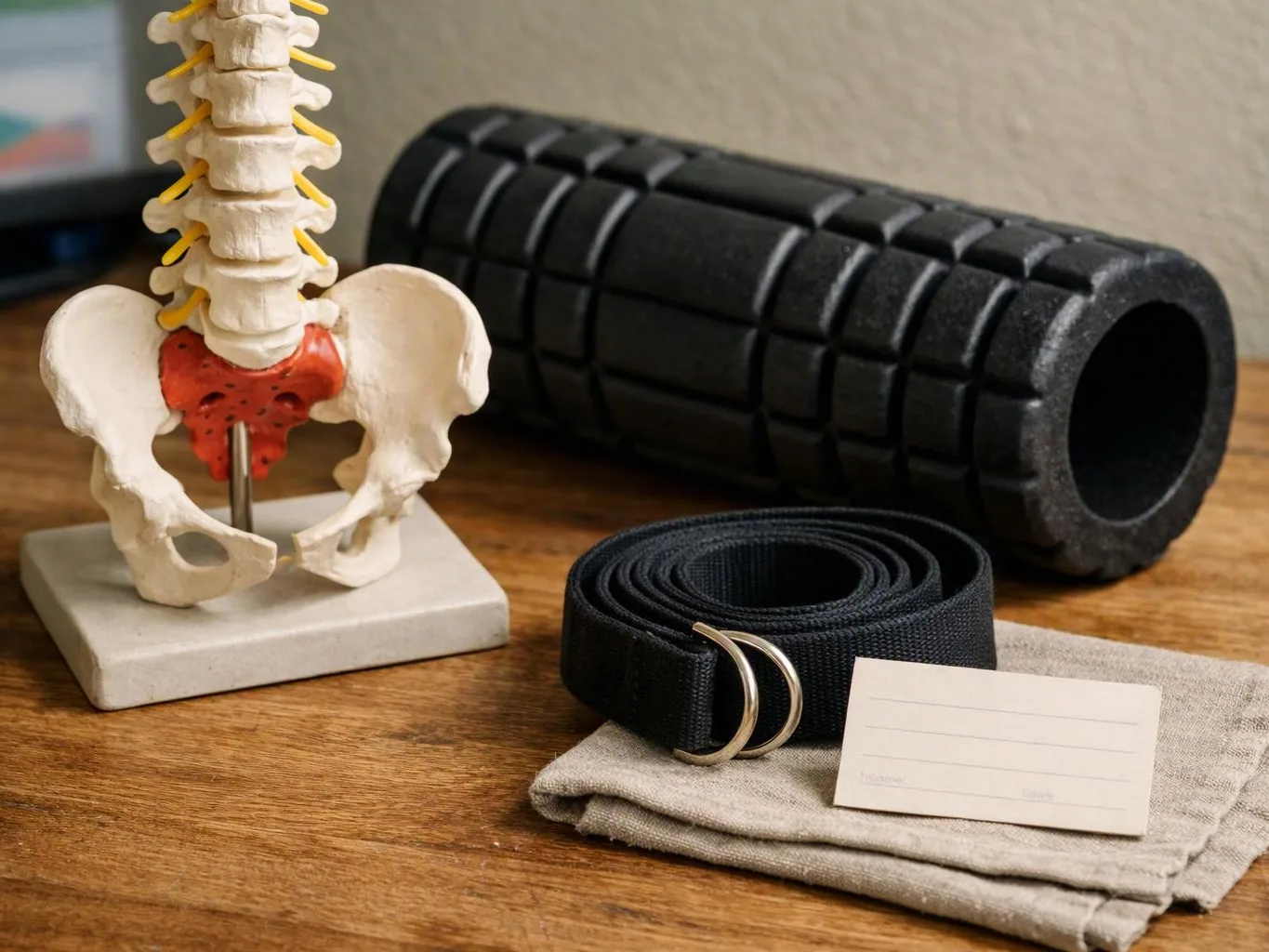
A teal foam roller, massage ball, resistance band, and folded towel sit on a wooden table

Service Overview

Corrective exercise therapy is a guided treatment method that uses targeted movements to improve control, strength, and function.

  • Unlike an adjustment, it asks you to practice active movement so your body can build better control between visits.
  • We provide this care in Lakewood and surrounding Williamson County communities through individualized chiropractic treatment plans.

What Corrective Exercise Therapy Includes for Your Recovery

Advanced Injury Care Clinic provides comprehensive Corrective Exercise Therapy in Lakewood. Here's what you get:

  • A review of your health history, symptoms, and movement goals.
  • A movement assessment that looks at control, balance, and joint support.
  • Therapeutic exercises selected for your current ability and treatment plan.
  • Guidance on exercise form, breathing, and safe movement during each activity.
  • Progress checks that help us adjust exercise choice or difficulty.
  • Practical instruction for using the exercises during daily activities.

What You Get From This Exercise-Based Care

A plan tied to your movement

Every exercise has a reason tied to your symptoms, control, or daily goals. We don't treat a movement screen as a diagnosis by itself.

Progress that guides the next step

Your response to an exercise helps us decide whether to keep it, change it, or adjust its level. This keeps the plan connected to how you move.

Care that fits other treatment

Therapeutic exercise may sit alongside chiropractic adjustments, spinal decompression, massage therapy, or physical therapy when those options fit your needs.

A clear limit on exercise care

Corrective exercise therapy isn't the right job for every condition. We may recommend another assessment or treatment approach when exercise does not fit the presenting problem.

Process

How We Build Your Exercise Plan

1

Review your health history

We discuss your symptoms, injury history, daily demands, and recovery goals during the new patient intake.

2

Assess movement control

The health history and exam help us see how pain, weakness, or limited control affects the movement you want to improve.

3

Choose suitable exercises

We select therapeutic exercises that match your current ability and explain how to perform each movement.

4

Practice the planned movements

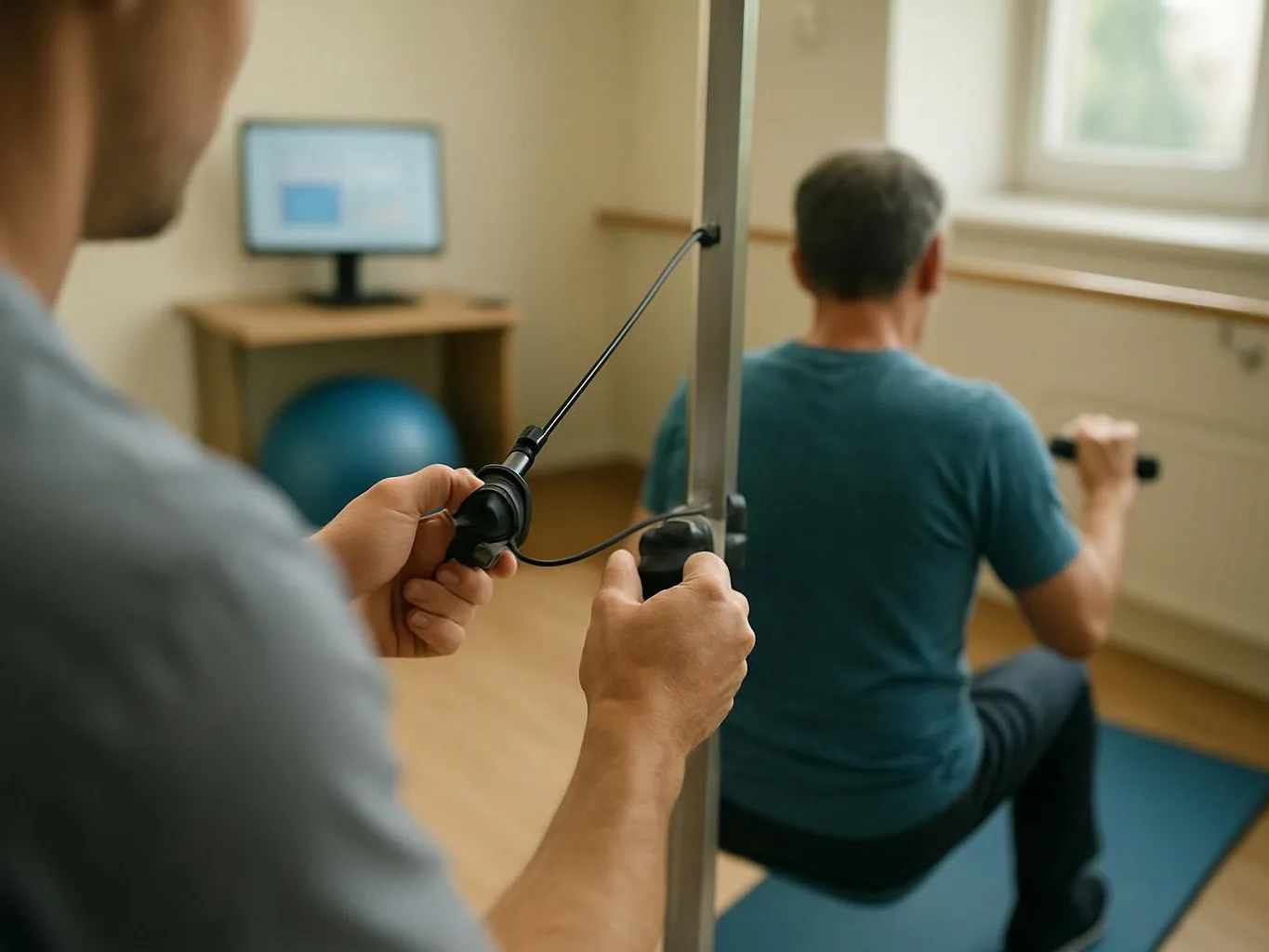
You practice the exercises with guidance so we can check form, control, and comfort during the activity.

5

Review progress and adjust

A progress re-examination helps us decide whether the plan needs a different exercise, level, or treatment combination.

What Corrective Exercise Therapy Changes for Daily Movement

Muscle control can improve how you support a painful or unstable movement.

Practice helps you build movement habits that fit your recovery goals.

A graded exercise plan may help you handle daily loads with more confidence.

Movement efficiency can reduce wasted effort during common tasks.

Regular maintenance may help you keep useful movement skills after active treatment.

How Exercise-Based Care Differs From Related Treatments

These care types use different methods, so the right choice depends on your symptoms and assessment.

Care optionMain activityBest fit to discuss
Corrective exercise therapyGuided active movement practiceMovement control, load tolerance, and daily function
Chiropractic adjustmentsManual adjustment of the spine or jointsA treatment plan that includes joint-focused care
Massage therapyHands-on soft tissue workSore or tight soft tissue that affects movement

The Advanced Injury Care Clinic Standard

  • Thorough Assessments
  • Tailored Care Plans
  • Clear Explanations
  • Appropriate Techniques

Questions About Corrective Exercise Therapy

How does corrective exercise therapy support joint stability during recovery?

Joint stability improves when corrective exercise therapy strengthens control around a movement. Advanced Injury Care Clinic checks how you move, then selects exercises for muscle control and load tolerance. Practice also supports motor learning, so the movement becomes easier to manage during daily tasks. Individual response differs, and the plan changes when your needs change.

What should I ask before agreeing to corrective exercise therapy?

A consultation should explain why each exercise fits your symptoms and goals. Ask which movement is being addressed, how form will be checked, and what signs mean the exercise needs adjustment. You should also understand how therapeutic exercise fits with adjustments, massage therapy, or physical therapy. Clear answers help you choose care with realistic expectations.

Which condition changes the time needed for corrective exercise therapy?

The condition that changes the time is your current movement control and ability to handle load. Pain, weakness, restricted motion, and the demands of your daily activities can affect the plan. We assess those factors before choosing exercises. No fixed timeframe applies to every client because individual response differs.

When should I ask about corrective exercise therapy after an auto accident?

Auto accident recovery is a good reason to ask when pain, guarded movement, or weakness affects daily activity. Our team reviews your health history and exam before choosing exercises. Whiplash, back pain, neck pain, and soft-tissue injuries may require different care choices. The assessment shows whether active exercise fits your current needs.

Why would exercise be added to chiropractic adjustments?

Exercise adds active practice after an adjustment by helping you control the movement yourself. Adjustments and therapeutic exercises address different parts of care, so one does not replace the other. We may combine them when the plan calls for both. Your symptoms, movement findings, and recovery goals guide that decision.

How is corrective exercise therapy matched to my symptoms before treatment starts?

Movement findings match corrective exercise therapy to your symptoms before treatment starts. We review your health history, observe the problem movement, and check how you respond to simple exercises. The plan then targets control, load tolerance, or movement efficiency. We explain the purpose of each exercise and adjust it when your response changes.

What changes the cost of this exercise-based care?

The assessment findings and services included in your care plan change the cost. A consultation may involve exercise planning, chiropractic care, physical therapy, massage therapy, or another non-invasive approach. Advanced Injury Care Clinic provides Free Consultations and explains the recommended scope before you decide. No general amount applies to every treatment plan.
Contact

Discuss Corrective Exercise Therapy in Lakewood

If pain or weakness affects how you move, contact Advanced Injury Care Clinic for a Free Consultation. We'll discuss your symptoms and whether guided exercise fits your care plan.

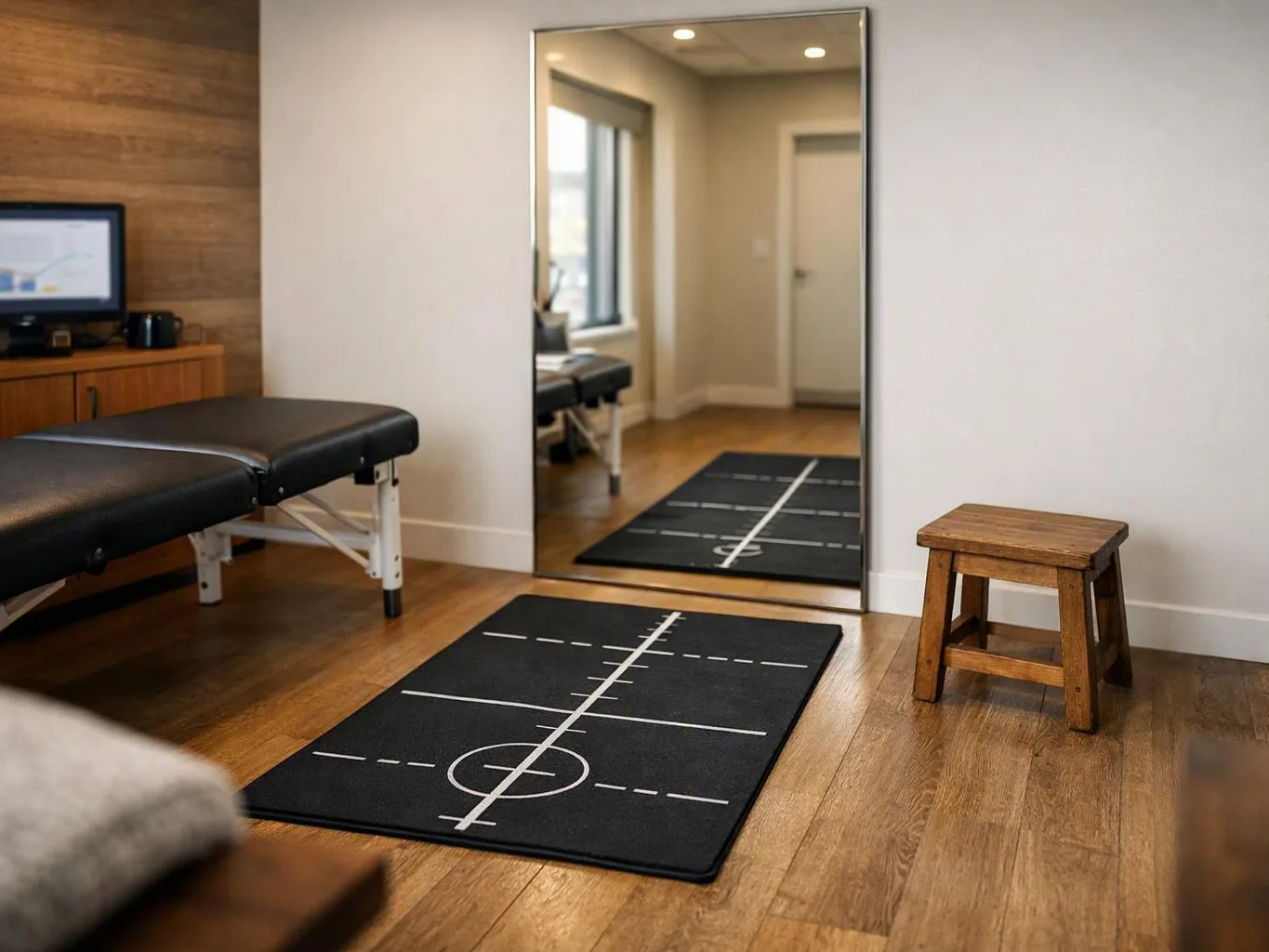
A quiet therapy room shows a treatment table, mirror, exercise mat, and a small wooden stool on hardwood floors

The health and wellness information on this website is for general informational purposes only and is not medical advice. It does not create a provider-patient relationship. Always consult a qualified licensed provider in Brentwood, Tennessee, United States about your specific condition before making care decisions. Individual results vary.

(615) 265-0412