
Skip to content

Corrective Exercise Therapy in Pegram, Tennessee

A safety check comes first when corrective exercise therapy addresses poor coordination in Pegram. We match each exercise to your movement limits and recovery goals.

Upfront, Transparent PricingServing 18 CommunitiesMon-Fri: 9 am–7 pm, Sat: 9 am–2 pm, Sun: ClosedFast Scheduling

Quick Summary: Corrective Exercise Therapy in Pegram, Tennessee

Corrective Exercise Therapy in Pegram is provided by Advanced Injury Care Clinic for movement pain, restricted motion, muscle imbalances, and joint instability. Care includes an evaluation and an individualized plan within our chiropractic, physical therapy, and massage therapy services.

  • What we do: Advanced Injury Care Clinic provides Corrective Exercise Therapy in Pegram, Tennessee, through guided therapeutic exercises and personalized treatment planning.
  • What is included: movement assessment, exercise selection, mobility work, stability training, and progress review.
  • What you get: The customer receives a guided exercise plan that targets movement limits and supports safer daily activity.

What issues can corrective exercise therapy help manage?

Poor coordination, muscle imbalances, restricted motion, joint instability, and movement pain are issues corrective exercise therapy can help manage. The right exercises depend on the health history, exam findings, and movement pattern. Advanced Injury Care Clinic checks those factors before selecting exercises, then explains how to perform them safely.

Corrective Exercise Therapy in Pegram, Tennessee for Movement Control

Corrective exercise therapy focuses on how your body moves, not only where it hurts. We look at coordination, joint control, range of motion, and the way one area affects another during a task.

The work may fit people recovering from auto accidents, workplace injuries, sports injuries, or everyday pain. Exercises can address restricted motion, muscle imbalances, joint instability, and movement pain when those concerns appear during the assessment.

The main decision is whether guided exercise fits your condition and current recovery stage. Our team reviews your health history and exam findings first. If another treatment or medical evaluation better fits the concern, we explain that before building an exercise plan.

  • Note when movement pain starts and which activities make it worse.
  • Bring information about an accident, workplace injury, sports injury, or earlier treatment.
  • Ask how each exercise supports your movement goal.
  • Follow the stated form and stop if an exercise causes a new or sharp symptom.
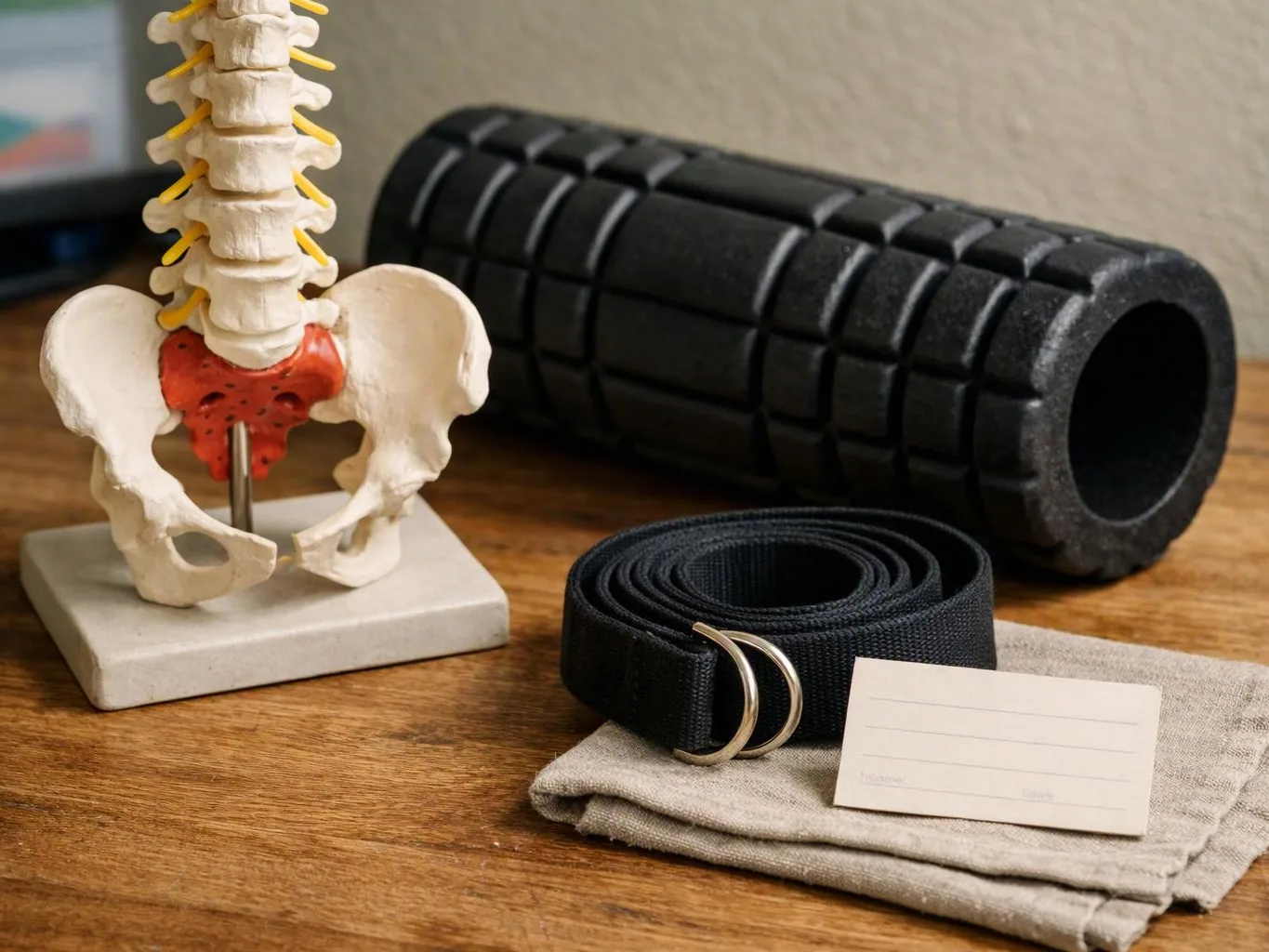
A quiet therapy room shows padded tables, exercise rails, foam rollers, and folded towels near a window

Service Overview

Corrective exercise therapy is a guided treatment that uses targeted movements to improve control, strength, mobility, and joint support.

  • Chiropractic adjustments address joint motion, while corrective exercises help you practice controlled movement between visits.
  • Advanced Injury Care Clinic provides this care for people in Pegram as part of individualized chiropractic treatment.

What Guided Exercise Can Change for Daily Movement

Targeted exercises may help you move with better control during daily tasks.

Mobility work can support easier movement when restricted motion affects normal activity.

Stability exercises may help your joints handle movement with more control.

A plan built around your exam findings keeps care focused on your actual movement needs.

Regular maintenance work may support the gains you make during active recovery.

What Corrective Exercise Therapy Includes for Your Movement Goals

Advanced Injury Care Clinic provides comprehensive Corrective Exercise Therapy in Pegram. Here's what you get:

  • A health history and movement exam help identify limits that affect exercise choice.
  • A personalized treatment plan connects exercises to your symptoms and daily activities.
  • Guided therapeutic exercises address control, mobility, strength, or joint support as needed.
  • Exercise form is explained so you know how to perform each movement safely.
  • Progress is reviewed as your movement changes and your care needs develop.
Process

How We Build and Guide Your Exercise Plan

1

Review your health history

We discuss your symptoms, injury history, daily activities, and recovery goals before movement testing begins.

2

Check movement and joint control

The exam looks at range of motion, muscle use, coordination, stability, and pain during relevant movements.

3

Choose suitable exercises

We select therapeutic exercises that match the findings and explain the form, purpose, and safe limits for each movement.

4

Review progress and adjust care

Follow-up checks show how your movement is changing, so the treatment plan can stay aligned with your needs.

What You Get From a Movement-Focused Treatment Plan

Assessment before exercise selection

Your plan starts with a health history and exam, so the exercises match your current movement limits. This service is the wrong fit when a serious or unrelated condition needs medical evaluation first.

Exercises tied to daily function

We connect each movement to a practical goal, such as bending, walking, reaching, or returning to an activity. The plan can change when your symptoms or control change.

Care that fits your needs

Chiropractor-led clinical care and personalized treatment planning guide the exercise choices. Our team explains the reason for each movement and checks your form during care.

How Movement Services Differ in Your Care Plan

These services address different parts of recovery, so the exam helps determine which option fits.

ServiceMain focusWhen it may fit
Corrective exercise therapyControlled movement, mobility, strength, and stabilityWhen movement patterns or control need guided practice
Chiropractic adjustmentsJoint motion and spinal mechanicsWhen the exam supports an adjustment within the care plan
Massage therapyMuscle tension and soft tissue concernsWhen muscle tightness affects comfort or movement

The Advanced Injury Care Clinic Standard

  • Thorough Assessments
  • Tailored Care Plans
  • Clear Explanations
  • Appropriate Techniques

Questions About Guided Exercise and Movement Care

How is exercise matched to my condition before treatment starts?

Exercise selection follows your health history, movement exam, symptoms, and stated recovery goal. We check range of motion, joint control, muscle use, and pain during relevant tasks. The plan then focuses on movements you can perform safely. Follow-up review helps us adjust the exercises as your needs change.

What should be ready before corrective exercise therapy starts?

Your symptom history, injury details, current activity limits, and treatment records should be ready before the first assessment. Bring information about an auto accident, workplace injury, or sports injury when it applies. Clear details help us connect the exam to the movement that causes trouble.

Which treatments may be combined with guided exercises?

Chiropractic adjustments, physical therapy, massage therapy, spinal decompression, and soft tissue therapy may be combined with guided exercises when they fit your needs. The treatment plan depends on the exam and health history. We explain why a related service is included before care proceeds.

When should I ask about movement pain during an appointment?

Movement pain deserves attention when it limits daily activity, changes your form, or appears with a new task. Tell our team where the pain starts and which motion brings it on. We can then check the movement and decide whether exercise, another treatment, or further evaluation fits.

Why does exercise form matter during recovery?

Exercise form matters because poor control can place stress on the wrong joint or muscle. We show the intended position, pace, and range for each movement. Stop and report sharp or new symptoms, because your response helps guide safe changes to the treatment plan.

What should I ask before agreeing to treatment?

Ask which finding the exercises address, how each movement supports your goal, and what symptoms require a pause. Also ask whether chiropractic adjustments, physical therapy, or massage therapy are part of the plan. Clear answers help you understand the care and decide whether it fits your needs.
Contact

Discuss Corrective Exercise Therapy in Pegram

Start with a consultation about your movement concern, health history, and recovery goal. Advanced Injury Care Clinic will review your needs and explain the next assessment step.

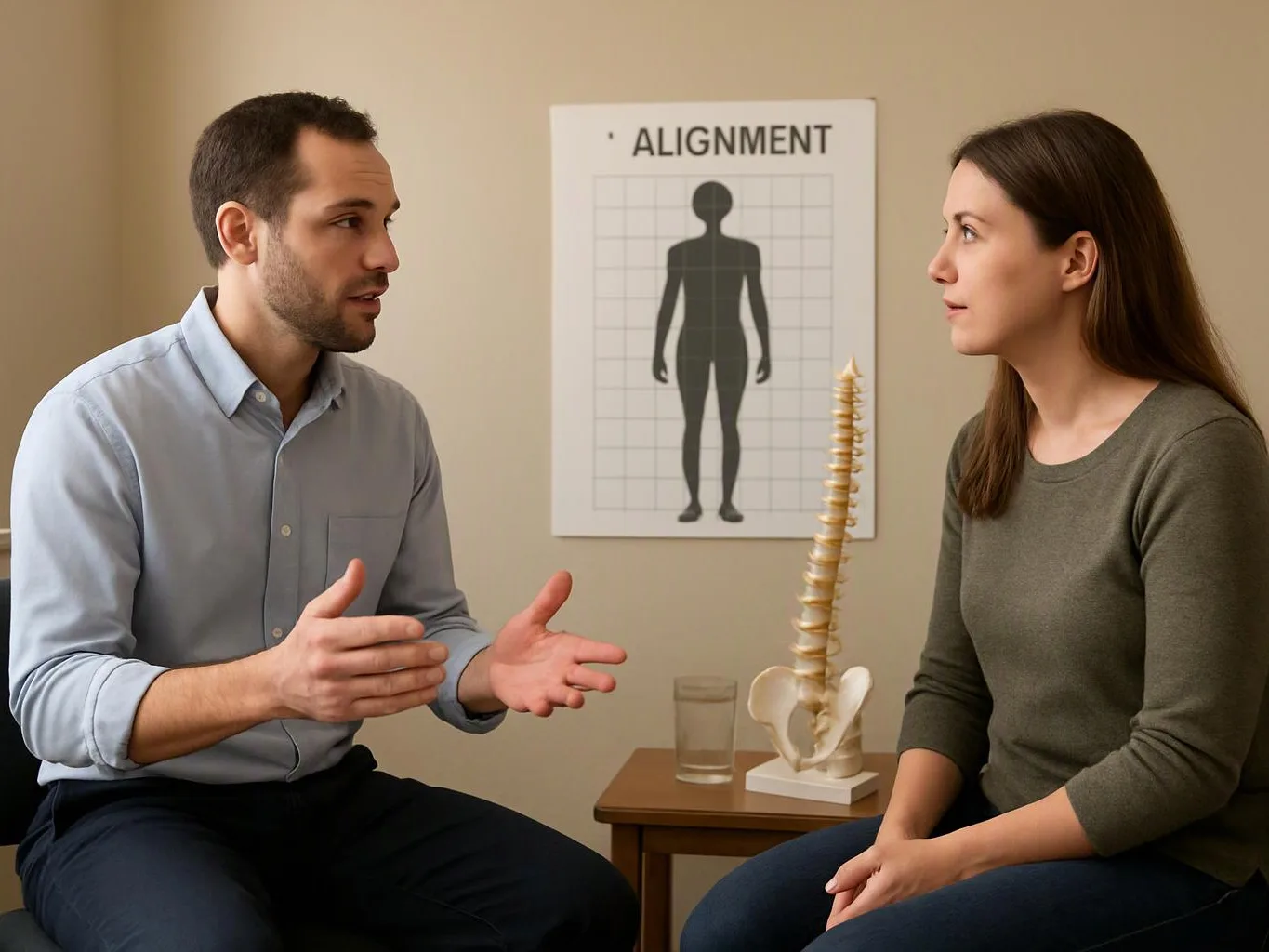
A man speaks to a seated woman in a clinic room, with a spine model and an alignment poster behind them

ZIP Codes We Serve in Pegram, Tennessee

37143

Corrective Exercise Therapy in Other Areas

The health and wellness information on this website is for general informational purposes only and is not medical advice. It does not create a provider-patient relationship. Always consult a qualified licensed provider in Brentwood, Tennessee, United States about your specific condition before making care decisions. Individual results vary.

(615) 265-0412