Skip to content

Corrective Exercise Therapy in Mount Juliet, Tennessee

Poor coordination is checked through guided movement tests in Mount Juliet. We use the findings to shape corrective exercise therapy around your needs.

Upfront, Transparent PricingServing 18 CommunitiesMon-Fri: 9 am–7 pm, Sat: 9 am–2 pm, Sun: ClosedFast Scheduling

Quick Summary: Corrective Exercise Therapy in Mount Juliet, Tennessee

Corrective Exercise Therapy in Mount Juliet is provided by Advanced Injury Care Clinic for movement control, muscle balance, restricted motion, joint stability, and pain during activity. Care includes an evaluation and an individualized plan for patients across Mount Juliet, Williamson County, and the greater Nashville area.

  • What we do: Advanced Injury Care Clinic provides Corrective Exercise Therapy in Mount Juliet with movement checks, therapeutic exercises, and individualized treatment planning.
  • What is included: Movement assessment, therapeutic exercise selection, mobility work, stability training, and coordination-focused care.
  • What you get: The patient receives a clear exercise plan that targets movement control, joint support, and safer daily activity.

What issues can corrective exercise therapy help manage when poor coordination keeps returning?

Poor coordination can contribute to movement pain, muscle imbalance, restricted motion, and joint instability. Corrective exercise therapy checks these patterns and builds controlled exercises around the findings.

Corrective Exercise Therapy for Movement Control in Mount Juliet, Tennessee

Corrective exercise therapy is built for people who feel unsteady, stiff, weak, or sore during normal movement. The work may address muscle imbalances, restricted motion, joint instability, and pain linked to poor control.

The key decision is whether active exercise fits your condition and goal. Our team reviews your health history, checks movement, and explains whether therapeutic exercises should stand alone or support adjustments, spinal decompression, physical therapy, or massage therapy.

This page focuses on the exercise side of injury care. It helps you decide what should be assessed before you begin and what questions to ask during a free consultation.

  • Describe the movement that feels painful, weak, stiff, or hard to control.
  • Bring details about an auto accident, workplace injury, sports injury, or ongoing pain.
  • Ask how exercises will fit with adjustments, physical therapy, or massage therapy.
  • Discuss how progress will be checked during follow-up care.
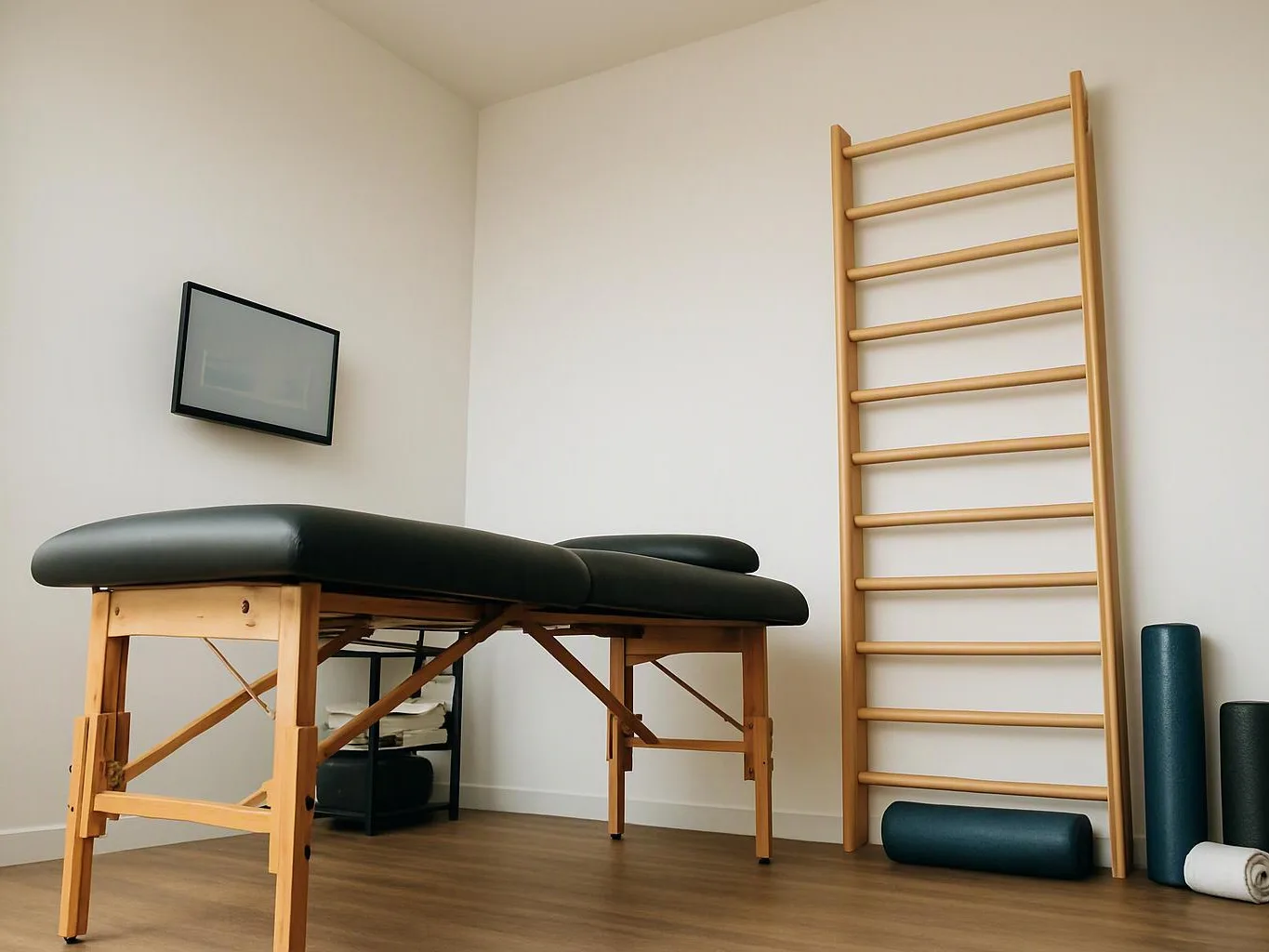
A massage table sits in a sparse treatment room beside wall bars and rolled exercise mats

Service Overview

Corrective Exercise Therapy is a guided movement service that trains muscles and joints to work together with better control.

  • Corrective exercise therapy focuses on movement patterns and active exercises, while chiropractic adjustments focus on joint motion and manual care.
  • Advanced Injury Care Clinic provides this care in Mount Juliet for patients from Williamson County and the greater Nashville area.

What Corrective Exercise Therapy Includes for Your Movement Goals

Advanced Injury Care Clinic provides comprehensive Corrective Exercise Therapy in Mount Juliet. Here's what you get:

  • We review your health history, symptoms, and movement goals before selecting exercises.
  • We observe how your joints and muscles work during basic guided movements.
  • We choose therapeutic exercises that address control, mobility, strength, or stability.
  • We explain how to perform each exercise with steady form and controlled motion.
  • We adjust the plan as your movement needs change during care.

What Patients Get From This Exercise-Based Care

A plan tied to your movement

The exercise choice follows your assessment, symptoms, and goals. Generic exercises may not fit every condition, so we explain why each movement belongs in your plan.

Care that can fit injury recovery

Patients recovering from auto accidents, workplace injuries, sports injuries, or everyday pain can discuss exercise as part of a broader care plan.

A clear limit on exercise care

Corrective exercise therapy is not the right first step for every serious or unexplained symptom. We review the concern and explain the next clinical step when active exercise is not suitable.

Process

How We Build Your Exercise Plan

1

Review your health history

We discuss your symptoms, injury history, activity limits, and recovery goals before choosing movements.

2

Check movement and joint control

Our team observes mobility, balance, muscle use, and control during guided movements.

3

Choose targeted exercises

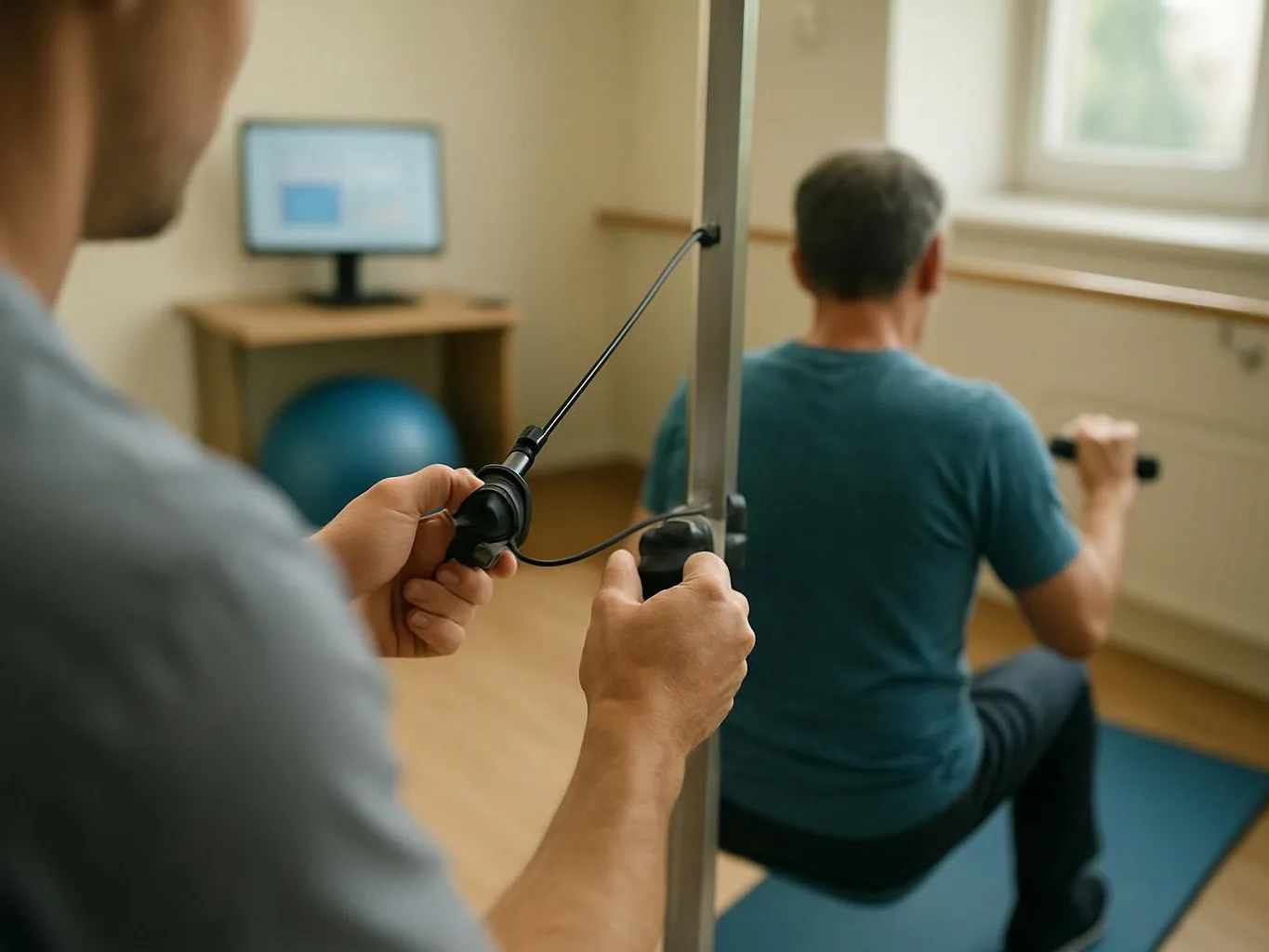
We select therapeutic exercises for the findings, which may include mobility drills, stability work, or TheraBand resistance.

4

Explain safe exercise form

We show how to perform each movement with controlled motion and explain what discomfort should be reported.

5

Review progress and next steps

Follow-up care helps us discuss your response, adjust exercises, and decide whether other services should support the plan.

What Better Movement Control Can Change

Targeted exercises may help you move with better control during daily activities.

Mobility work may reduce strain linked to restricted motion.

Stability exercises may support joints that feel weak or less secure.

A clear exercise plan gives you active steps to support your recovery.

Regular maintenance may help you keep practicing useful movement patterns after injury care.

Exercise Care Compared With Manual Chiropractic Care

The table separates active movement work from hands-on services that may also support injury care.

Care approachMain focusWhat you do
Corrective exercise therapyMovement control, mobility, strength, and stabilityPerform guided exercises and practice controlled form
Chiropractic adjustmentsJoint motion and manual careReceive hands-on treatment based on the clinical assessment
Massage therapySoft tissue comfort and muscle tensionReceive hands-on soft tissue treatment

The Advanced Injury Care Clinic Standard

  • Thorough Assessments
  • Tailored Care Plans
  • Clear Explanations
  • Appropriate Techniques

Questions About Corrective Exercise Therapy and Movement Pain

What issues can corrective exercise therapy help manage?

Poor coordination is one issue corrective exercise therapy can help manage, along with muscle imbalance, restricted motion, joint instability, and movement pain. Advanced Injury Care Clinic checks the movement pattern before choosing exercises. Individual response differs, so the plan follows your symptoms, health history, and goals.

What should be ready before corrective exercise therapy starts?

Your symptom history, injury details, activity limits, and main recovery goal should be ready before exercise begins. Bring information about pain during work, sports, or daily tasks. Our team uses those details with the health history and movement exam to choose suitable exercises.

Which condition changes the time needed for corrective exercise therapy?

The condition that changes the time is the movement problem being assessed, such as restricted motion, joint instability, or pain after an injury. Our team reviews how many areas need attention and whether other care is involved. We explain the expected visit plan after the assessment rather than giving a fixed duration.

When should someone ask about corrective exercise therapy?

Corrective exercise therapy is worth discussing when pain, stiffness, weakness, or poor control affects a repeated movement. The concern may follow an auto accident, workplace injury, sports injury, or everyday strain. A consultation helps determine whether active exercises fit the condition and recovery goal.

Why can the same movement keep causing pain?

Movement pain can continue when limited motion, weak support, poor timing, or joint instability changes how the body handles a task. Our team checks the movement instead of choosing exercises from symptoms alone. The plan may include mobility work, stability training, or other chiropractic care when appropriate.

What should a customer ask before agreeing to corrective exercise therapy?

Ask which movement was assessed, what each exercise targets, and how progress will be reviewed. You should also ask how exercise fits with adjustments, physical therapy, or massage therapy. These answers help you understand the plan and decide whether it matches your symptoms and daily goals.

How does corrective exercise therapy differ from physical therapy?

Corrective exercise therapy centers on guided movement exercises selected for control, mobility, strength, or stability. Physical therapy may use a broader rehabilitation plan based on the condition and functional goal. Our team explains which service fits your needs and whether both belong in the care plan.

Contact

Discuss Corrective Exercise Therapy in Mount Juliet

Start with a free consultation and a discussion of your movement concern. Advanced Injury Care Clinic will review your goals, symptoms, and possible assessment steps.

Three textured foam rollers and a blue balance pad sit on a floor with an orange strap draped over one roller

ZIP Codes We Serve in Mount Juliet, Tennessee

3712137122

Corrective Exercise Therapy in Other Areas

The health and wellness information on this website is for general informational purposes only and is not medical advice. It does not create a provider-patient relationship. Always consult a qualified licensed provider in Brentwood, Tennessee, United States about your specific condition before making care decisions. Individual results vary.

(615) 265-0412