

Review the condition and movement
We discuss the injury, pain pattern, and activity that feels limited. A health history and focused movement check guide the next step.
We use kinesiology taping to support movement during recovery from injury and pain. Our care plans fit your condition and daily goals.
Kinesiology tape may give a patient added body awareness during a painful or guarded movement.
Elastic tape can move with the skin while a patient completes exercises or daily tasks.
Taping gives our team another way to support a personalized treatment plan without relying on a rigid brace.
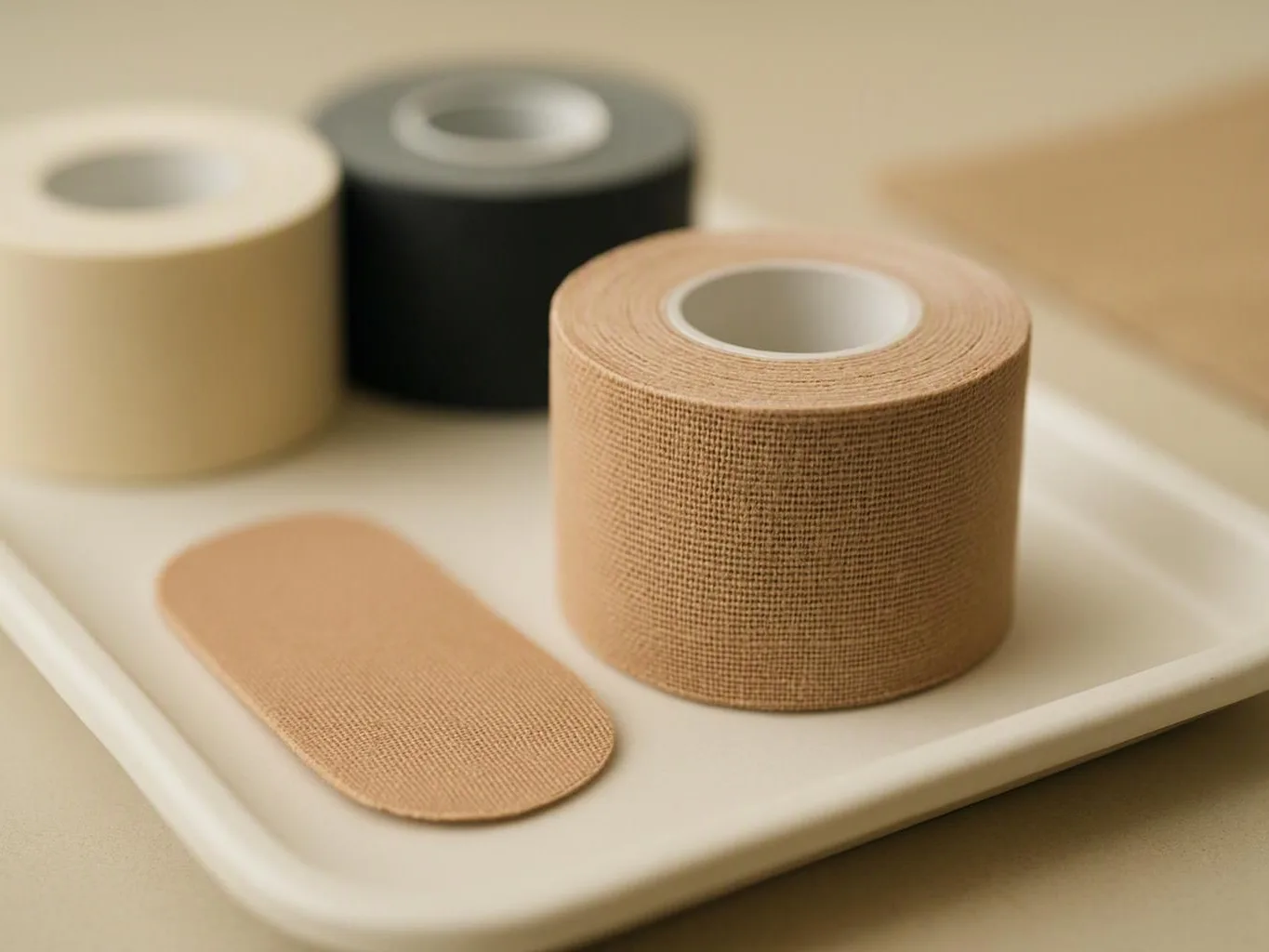
Kinesiology taping uses elastic tape on the skin to provide light support during movement. It may help a patient stay aware of a body area while the broader care plan addresses pain, mobility, or soft-tissue concerns. The service starts with an assessment. We look at the painful movement, skin condition, and treatment goals before choosing where to place the tape. The tape does not replace an exam, chiropractic care, physical therapy, or medical attention when those services are needed. Outcomes are measured through practical changes, such as easier movement, less guarding, and better tolerance for daily activity. We ask what feels different and compare movement during follow-up care. Individual response differs, so we adjust the plan when the tape does not support the intended goal.
Kinesiology Taping is a supportive treatment that places elastic tape on the skin to assist movement and soft-tissue control.
We discuss the injury, pain pattern, and activity that feels limited. A health history and focused movement check guide the next step.
We inspect the skin and decide whether elastic tape suits the current condition. We also explain what the tape is intended to support.
We clean and position the area, then apply tape to support the selected movement goal. Placement follows the findings from the assessment.
We repeat a relevant movement and ask about comfort, pull, and support. This gives us a practical baseline for follow-up.
We explain basic skin care and activity guidance. Later visits can compare movement and symptoms so the care plan stays appropriate.
A few simple details help us assess the skin, movement, and goal for taping.
We assess the injury, movement pattern, and skin before recommending kinesiology taping for your care plan.
We match tape placement and related exercises to your condition, activity needs, and stated recovery goals.
We review comfort and movement after application, then adjust the taping plan when your response calls for change.
Advanced Injury Care Clinic can discuss whether kinesiology taping fits your movement goals and wider recovery plan in Brentwood.
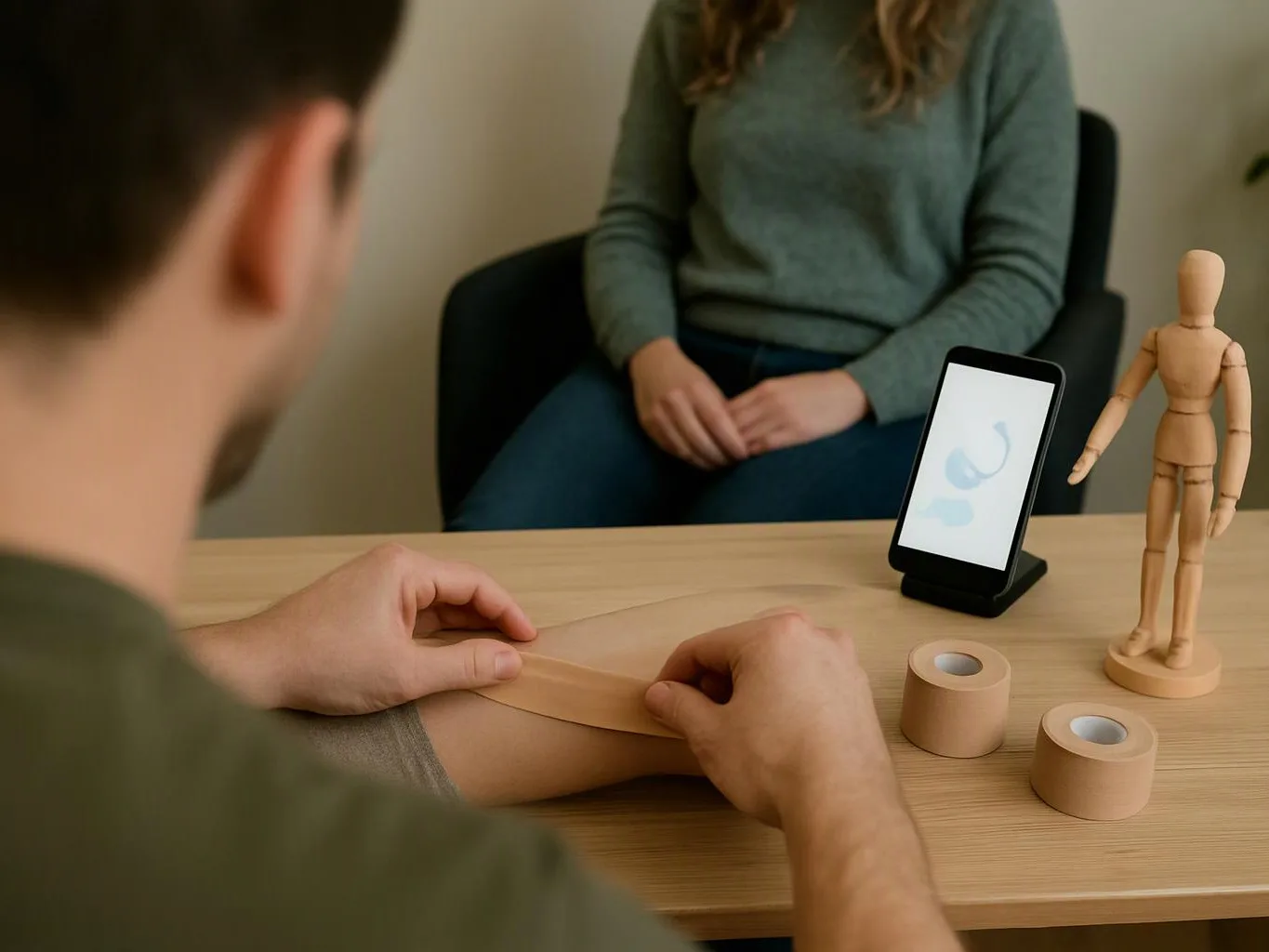
Neck or shoulder movement may feel guarded after a collision, even when the patient wants to resume normal tasks. Taping must fit the skin, the painful motion, and any broader injury care plan. Bring the injury details to the appointment so we can assess movement and decide whether elastic tape adds useful support.
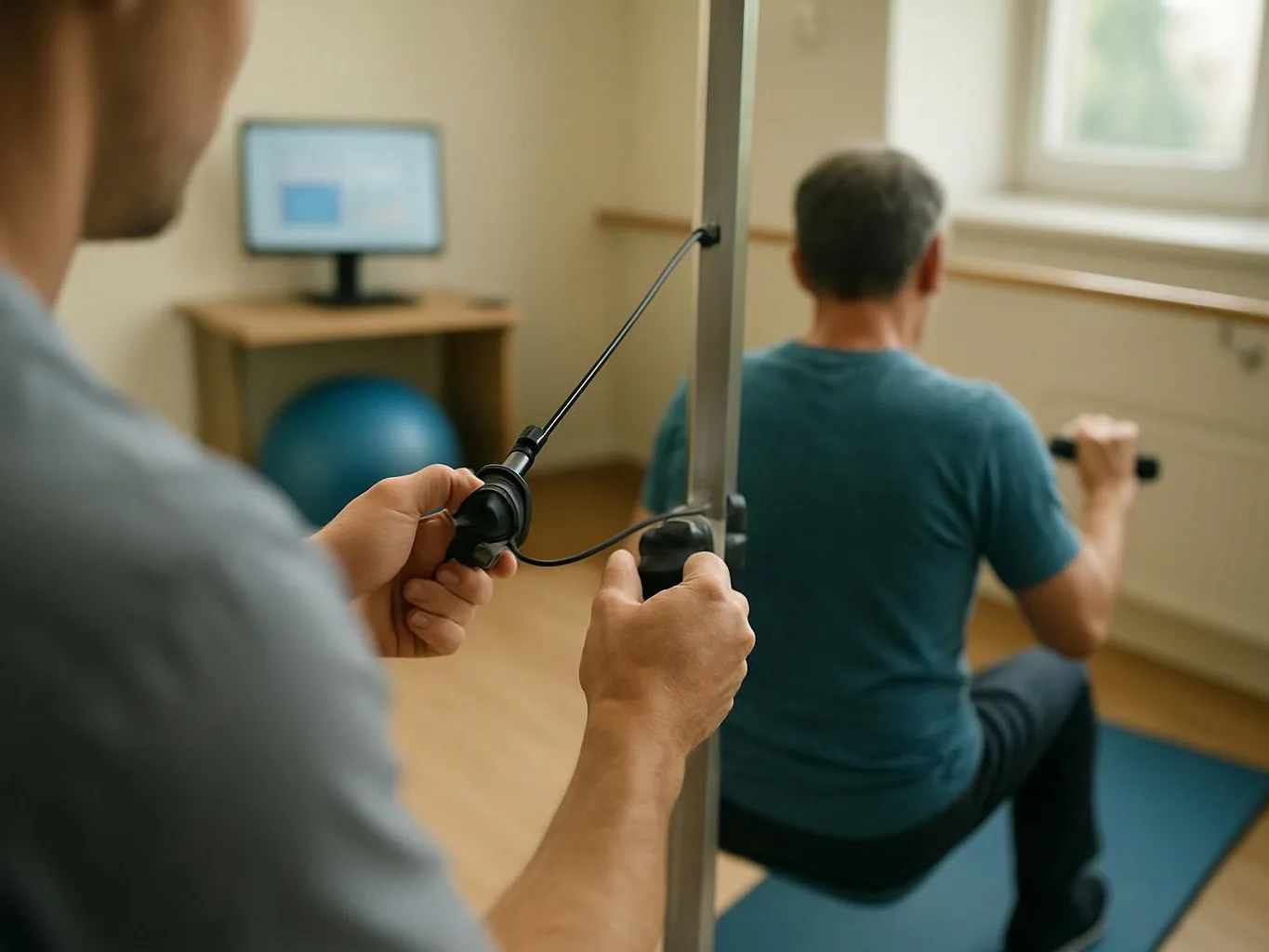
A sports injury can make one motion feel uncertain during practice or daily activity. The tape placement should match that motion and should not replace strength work or a full assessment. We check the movement, apply tape when suitable, and connect it with therapeutic exercises that support the patient’s recovery goals.
Ongoing shoulder, knee, or back discomfort may affect how a person walks, reaches, or exercises. Taping can be considered after we review the symptom pattern and skin condition, but it is not a stand-alone diagnosis. Schedule an assessment so our team can match taping with the right care plan.



The health and wellness information on this website is for general informational purposes only and is not medical advice. It does not create a provider-patient relationship. Always consult a qualified licensed provider in Brentwood, Tennessee, United States about your specific condition before making care decisions. Individual results vary.
(615) 265-0412