How does kinesiology taping work?
Elastic tape works through skin lift and sensory input that may support movement awareness. Advanced Injury Care Clinic checks the patient’s goal, skin, and joint movement before placement. The tape may fit alongside therapeutic exercises, adjustments, or physical therapy, but it does not replace an evaluation. Individual response differs, so we review whether the approach remains useful.
What does a first taping assessment check?
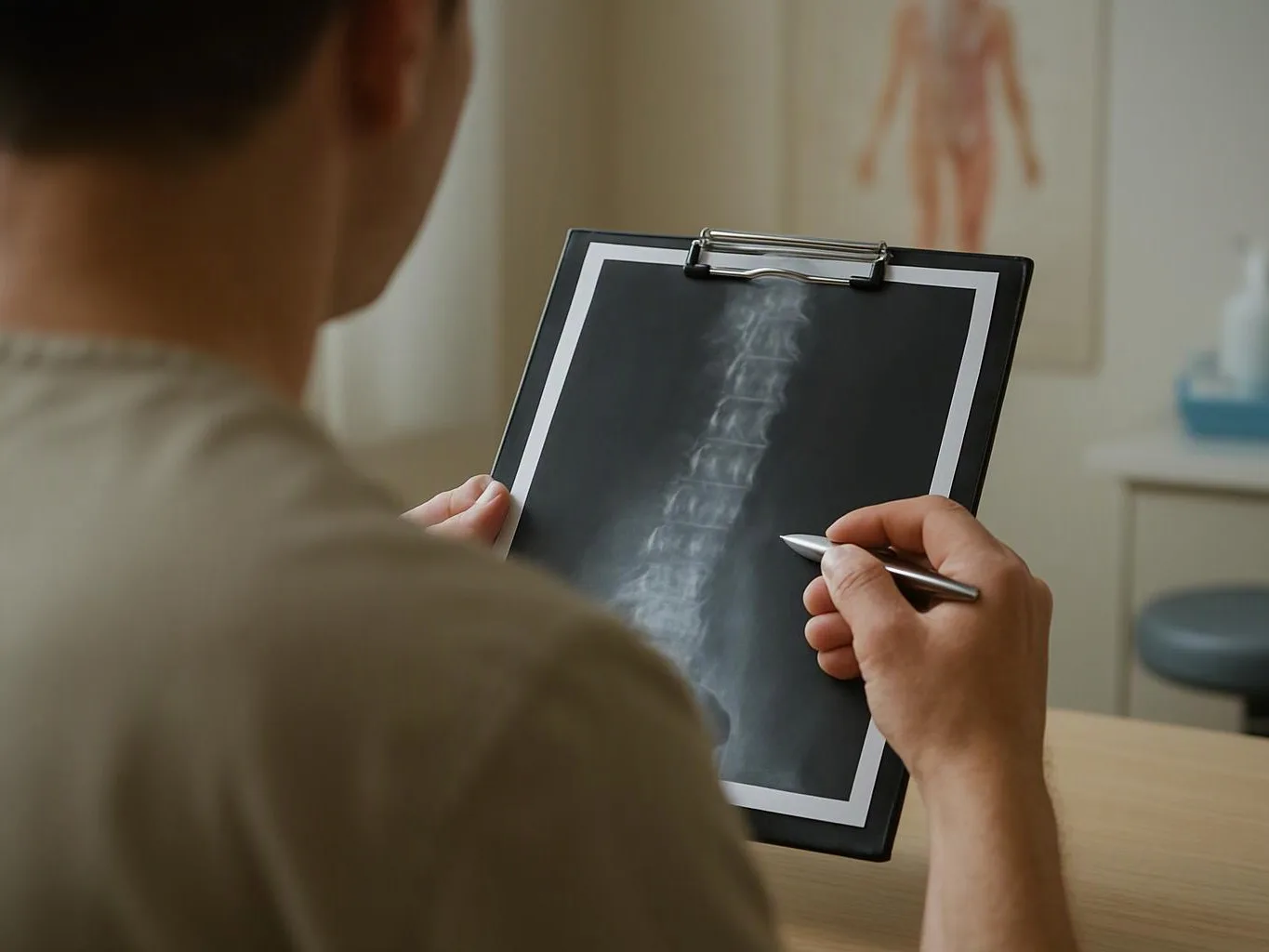
The assessment checks the movement goal, affected area, skin condition, and related symptoms. We ask about auto accidents, workplace injuries, sports injuries, or everyday pain when relevant. Our team then explains whether taping fits the care plan. The visit may also identify a need for chiropractic adjustments, massage therapy, or therapeutic exercises.
Which part of the body decides the taping scope?
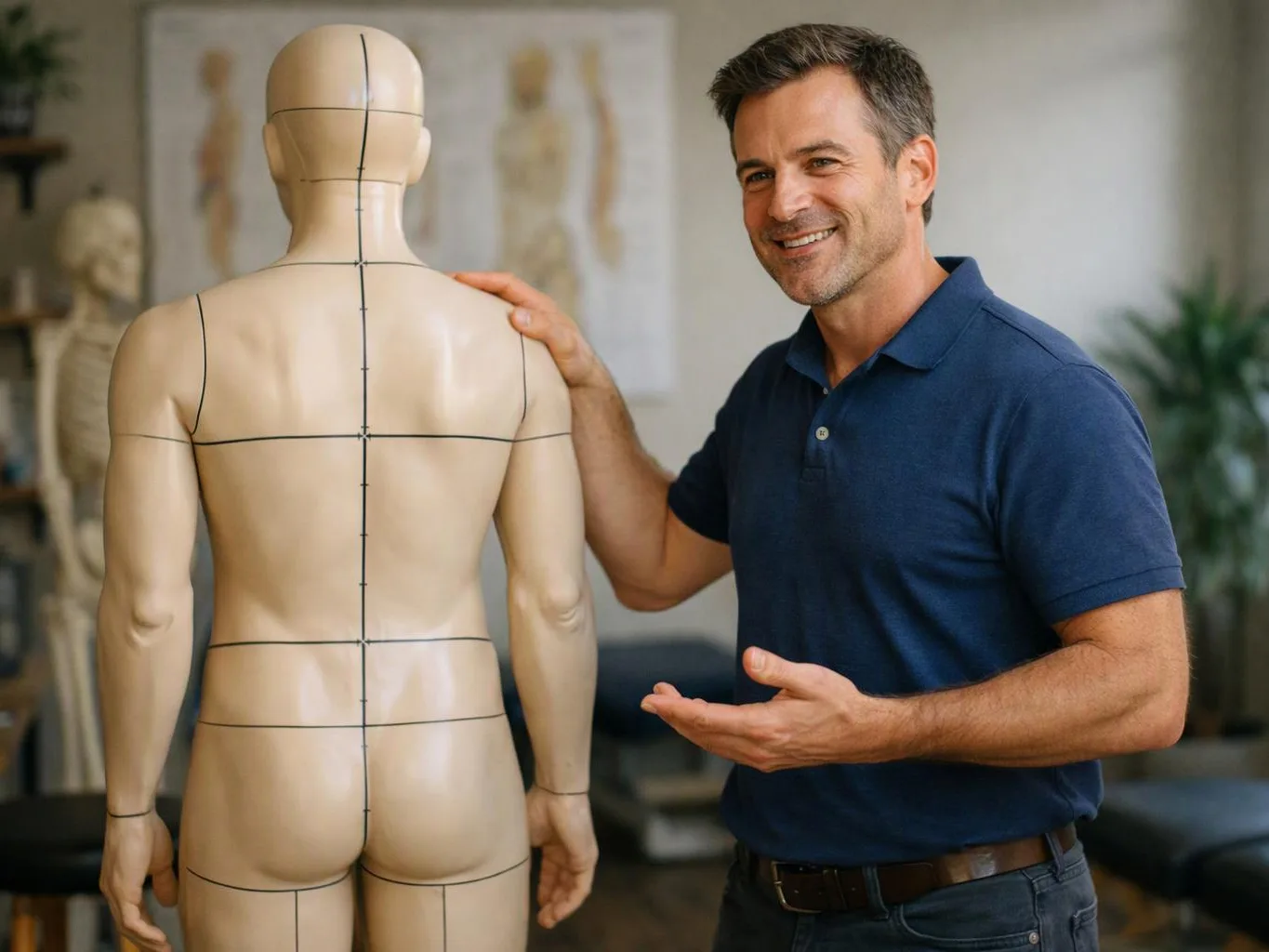
The affected area and its movement pattern decide the taping scope. Skin condition, joint motion, soft-tissue symptoms, and the patient’s activity goal also guide placement. We use those findings to discuss tape, exercises, or another non-invasive option. A wider concern may need a fuller chiropractic treatment plan.
When is taping not the right treatment choice?
Taping is not the right choice when the patient needs a fuller evaluation or another treatment focus. Severe or changing symptoms should be discussed during an appropriate clinical assessment. We review the health history and movement findings before choosing tape. The plan may include physical therapy, massage therapy, adjustments, or therapeutic exercises.
Why might movement support include exercises too?
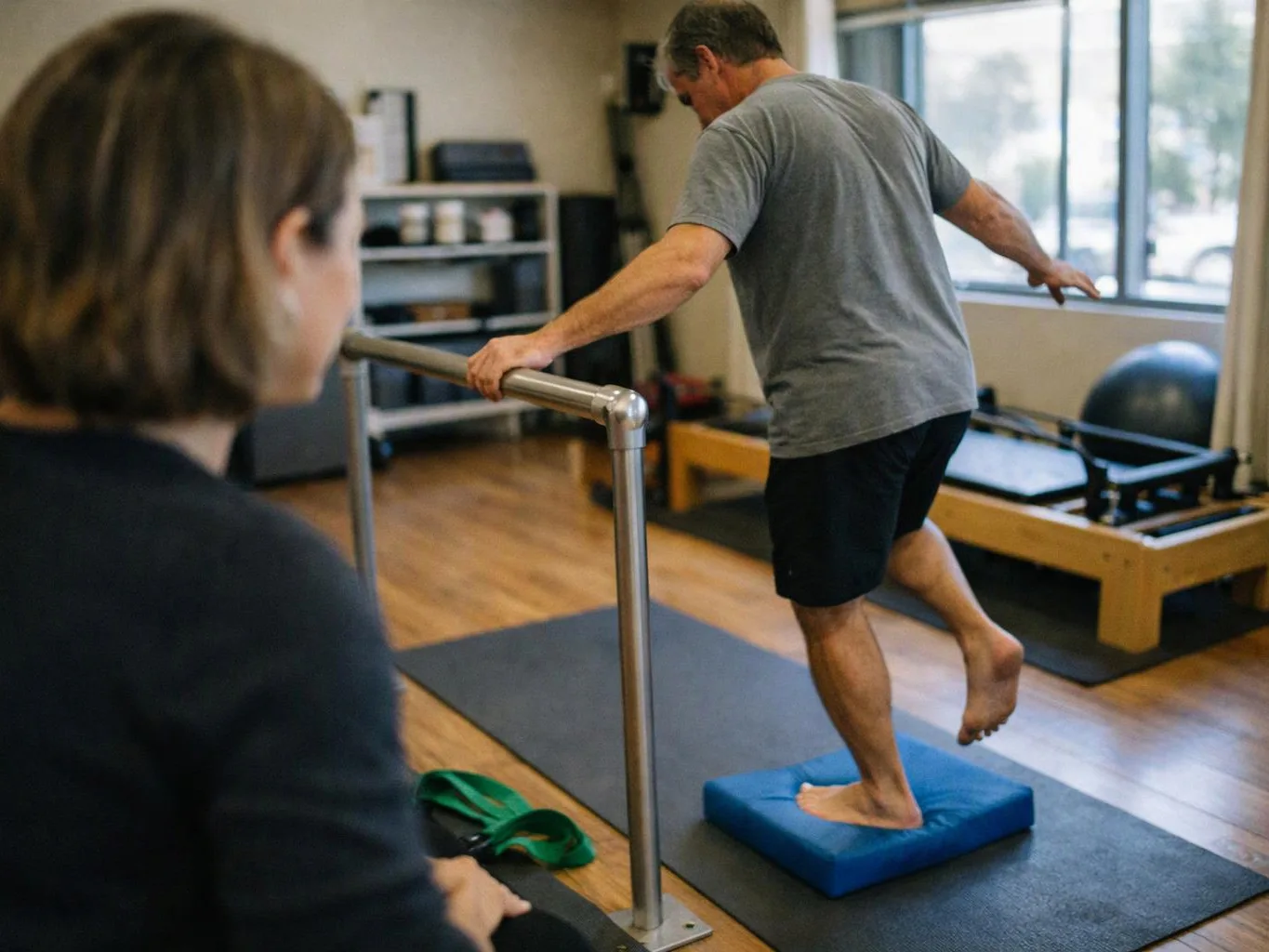
Therapeutic exercises build active movement skills that tape alone cannot provide. We may pair exercises with taping when the patient’s assessment supports both options. The plan can address strength, mobility, joint awareness, or daily activity needs. Results vary, so we adjust the focus when the patient’s response calls for it.
What part of the tape application changes the care decision?
The tape’s purpose changes the care decision, whether the goal is skin lift, sensory input, or joint awareness. Placement also depends on the affected area and the patient’s movement goal. We explain the selected approach before applying tape. If those goals do not fit taping, we discuss another treatment path.