Skip to content

Kinesiology Taping in Mount Juliet, Tennessee

Anchor points are checked before kinesiology tape is placed for patients in Mount Juliet. We match clean skin, proper tension, and strip direction to the care plan.

Upfront, Transparent PricingServing 18 CommunitiesMon-Fri: 9 am–7 pm, Sat: 9 am–2 pm, Sun: ClosedFast Scheduling

Quick Summary: kinesiology taping in Mount Juliet, Tennessee

Kinesiology Taping in Mount Juliet is provided by Advanced Injury Care Clinic for soft-tissue support, joint discomfort, and movement concerns. We serve Mount Juliet and surrounding communities through individualized chiropractic care plans.

  • What we do: Advanced Injury Care Clinic provides Kinesiology Taping for patients in Mount Juliet, Tennessee as part of individualized chiropractic care.
  • What is included: Skin checks, anchor-point assessment, directional strips, tension control, and care-plan guidance.
  • What you get: Kinesiology Taping leaves the treated area supported with an application plan suited to the patient’s condition and recovery needs.

Why does kinesiology tape keep lifting or irritating my skin?

Tape may lift or irritate skin when the surface is not clean, the tension is not suited to the area, or the placement needs review. Tell our team about redness, itching, or discomfort so we can check the application and discuss the next step.

Kinesiology Taping for Mount Juliet movement support

Kinesiology taping gives patients a focused option when a painful or sensitive area needs added support during movement. Our team considers the symptoms, skin condition, joint discomfort, and wider treatment plan before applying tape.

The buyer’s main decision is whether taping fits the current care goal. It may support a broader plan that includes chiropractic adjustments, physical therapy, massage therapy, or therapeutic exercises, but it does not replace an assessment when pain follows an auto accident, workplace injury, or sports injury.

The local service fits patients seeking care in Mount Juliet and surrounding communities. A consultation gives you a chance to discuss the affected area, skin sensitivity, movement limits, and the next step before treatment begins.

  • Discuss the area that needs support and the movement concern.
  • Check the skin before applying kinesiology tape.
  • Review tension and strip direction for the selected area.
  • Discuss aftercare and what to do if irritation develops.
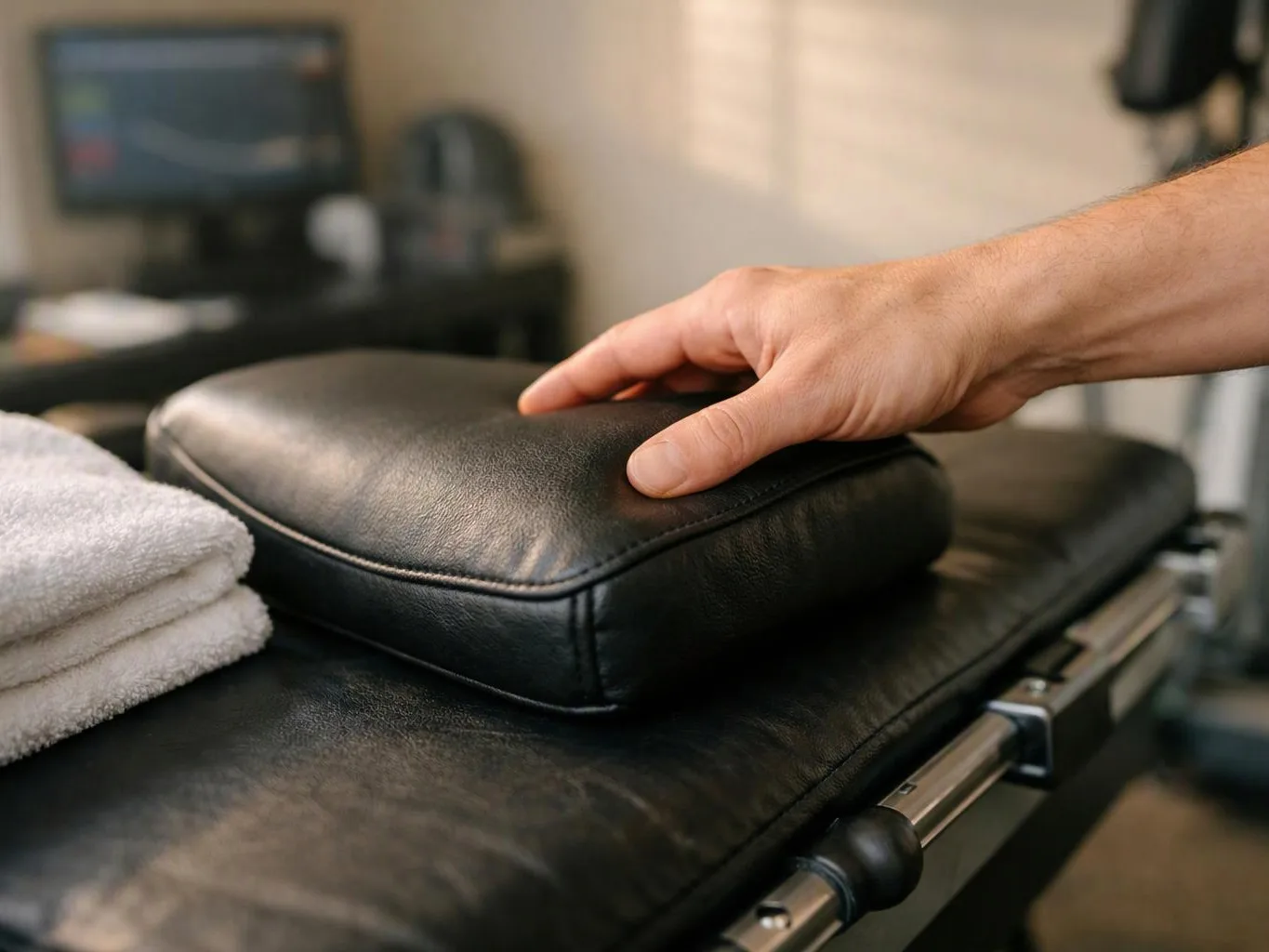
A hand presses a black leather cushion on a treatment table beside folded white towels

Service Overview

Kinesiology Taping is a supportive treatment that places elastic tape on the skin to assist movement and soft-tissue care.

  • Unlike chiropractic adjustments, taping works through skin-based support and does not move a spinal joint.
  • Advanced Injury Care Clinic provides this service in Mount Juliet as part of personalized chiropractic care.

What kinesiology taping includes for your visit

Advanced Injury Care Clinic provides comprehensive Kinesiology Taping in Mount Juliet. Here's what you get:

  • We review the symptoms and movement concern connected to the area being taped.
  • We check the skin so the application suits the treatment area.
  • We identify the anchor points before placing the tape.
  • We apply directional strips with controlled tension suited to the care plan.
  • We explain basic aftercare and signs that call for a follow-up discussion.

Why patients choose a focused taping approach

Start with the treatment area

The first decision is where support is needed and what movement causes concern. Our team checks that area before selecting placement and tension. Taping is the wrong job for unexplained severe symptoms that need prompt medical assessment.

Connect tape with care

Taping can sit alongside chiropractic adjustments, soft tissue therapy, therapeutic exercises, or physical therapy when those services fit the plan. We explain how the application relates to the broader treatment goal.

Plan for skin comfort

Clean skin and a careful application matter because tape stays on the skin during normal activity. We discuss sensitivity, irritation, and aftercare before you leave.

Process

How we apply kinesiology tape

1

Review the affected area

We discuss the symptoms, movement concern, and care goal before choosing a taping approach.

2

Prepare the skin

We check the treatment area and prepare clean, dry skin for tape placement.

3

Set the tape direction

We plan the strip direction and placement around the area that needs support.

4

Apply controlled tension

We place the tape with tension suited to the care plan and the treated area.

5

Explain aftercare

We discuss skin checks, lifting edges, irritation, and when to ask about the application.

What patients gain from a focused taping plan

Kinesiology tape may give a sensitive area added support during daily movement.

A planned application helps connect taping with chiropractic adjustments, therapeutic exercises, or physical therapy.

Clear aftercare guidance helps you respond to lifting edges, itching, or skin redness.

A skin and movement check helps determine whether taping fits your current care plan.

How taping differs from related care

These options use different methods, so the treatment goal should guide the choice.

Care optionPrimary methodWhen the method is discussed
Kinesiology tapingElastic tape placed on the skinSupport for a selected area during movement
Chiropractic adjustmentManual adjustment of a joint or spinal regionCare for selected musculoskeletal concerns
Therapeutic exercisePlanned movement and strengthening activitiesSupport for function and movement goals

The Advanced Injury Care Clinic Standard

  • Thorough Assessments
  • Tailored Care Plans
  • Clear Explanations
  • Appropriate Techniques

Questions patients ask about kinesiology taping

How should kinesiology tape be applied?

Anchor points should be checked first, then the skin, strip direction, and tension should guide application.

  1. Review the affected area and movement goal.
  2. Prepare clean, dry skin.
  3. Place directional strips with controlled tension.
  4. Explain skin checks and aftercare.

Advanced Injury Care Clinic applies the tape as part of an individualized care plan.

What should be checked before tape touches the skin?

Skin condition and the treatment area should be checked before tape placement. Our team asks about sensitivity, irritation, and prior reactions, then prepares clean, dry skin. Open skin, active irritation, or unexplained symptoms need discussion before taping. The application should match the care goal, not simply cover the painful area.

Which part of the application decides the treatment scope?

The affected area and its movement concern decide the treatment scope. A shoulder, knee, back, or other area may need a different strip direction and tension plan. We review symptoms and movement before applying tape, then explain how the service fits with adjustments, exercises, or other care.

When should I ask about tape irritation?

Ask about tape irritation when you notice itching, redness, burning, or worsening discomfort. Skin symptoms can mean the application needs review or removal. Our team discusses the affected area, the timing of the reaction, and aftercare steps. Do not ignore a strong skin reaction or unexplained symptom.

Why does kinesiology tape lift at the edges?

Tape edges may lift when the skin is not clean and dry, the area moves often, or placement needs review. Proper preparation helps the tape adhere to the skin. We can discuss the lifting area, daily activity, and care instructions so the next step is clear.

How does taping differ from spinal decompression?

Taping supports an area through skin-based application, while spinal decompression uses a table-based approach for selected spine-related care. These services address different treatment goals. Our team reviews your symptoms and care plan before discussing whether either approach fits your needs.

Which material changes how long kinesiology taping takes?

Kinesiology tape itself does not determine the full visit time. The treated area, skin preparation, strip layout, and care discussion shape the application work. We review those details during consultation, so the plan reflects the area and the patient’s needs.
Contact

Discuss kinesiology taping in Mount Juliet

Mount Juliet patients can ask about kinesiology taping during a Free Consultation. Advanced Injury Care Clinic will review the treatment area, skin concerns, and care goal with you.

A woman stands by a massage table, pressing folded white towels in a calm treatment room

ZIP Codes We Serve in Mount Juliet, Tennessee

3712137122

The health and wellness information on this website is for general informational purposes only and is not medical advice. It does not create a provider-patient relationship. Always consult a qualified licensed provider in Brentwood, Tennessee, United States about your specific condition before making care decisions. Individual results vary.

(615) 265-0412