Skip to content

Kinesiology Taping in Rural Hill, Tennessee

Tape wrinkles get checked during kinesiology taping visits in Rural Hill. We assess skin comfort, tape placement, and tension before treatment continues.

Upfront, Transparent PricingServing 18 CommunitiesMon-Fri: 9 am–7 pm, Sat: 9 am–2 pm, Sun: ClosedFast Scheduling

Quick Summary: Kinesiology Taping in Rural Hill, Tennessee

Kinesiology Taping in Rural Hill is provided by Advanced Injury Care Clinic for supportive taping care across Rural Hill and Williamson County. Our chiropractor-led clinical care includes a check for skin comfort, tape placement, and tension.

  • What we do: Advanced Injury Care Clinic provides Kinesiology Taping for patients in Rural Hill, Tennessee, with checks for tape placement, skin comfort, and tension.
  • What is included: We check tape adhesion, wrinkles, skin response, and tension before discussing the next care step.
  • What you get: The patient receives taping that fits the assessed area and supports comfortable movement.

What problems can occur with kinesiology taping?

Tape wrinkles, skin irritation, poor adhesion, excess tension, and allergic reactions can occur with kinesiology taping. A careful skin and placement check helps identify concerns before the treatment continues.

Kinesiology Taping for Rural Hill Patients

Kinesiology taping helps support a focused area after our team reviews the patient’s symptoms, skin, and movement needs. This page centers on tape problems, including wrinkles, poor adhesion, excess tension, and skin reactions.

The key decision is whether taping fits the patient’s condition and skin tolerance. We may discuss taping alongside chiropractic adjustments, soft tissue therapy, therapeutic exercises, or other non-invasive care when those options match the assessment.

Taping is not the right job for every concern. Open skin, a suspected allergic reaction, or symptoms that need medical evaluation require a different next step.

  • Check the skin before placing kinesiology tape.
  • Look for wrinkles and lifted tape edges.
  • Match tape tension to the treatment area.
  • Discuss irritation, itching, or discomfort promptly.
  • Review whether taping fits the wider care plan.
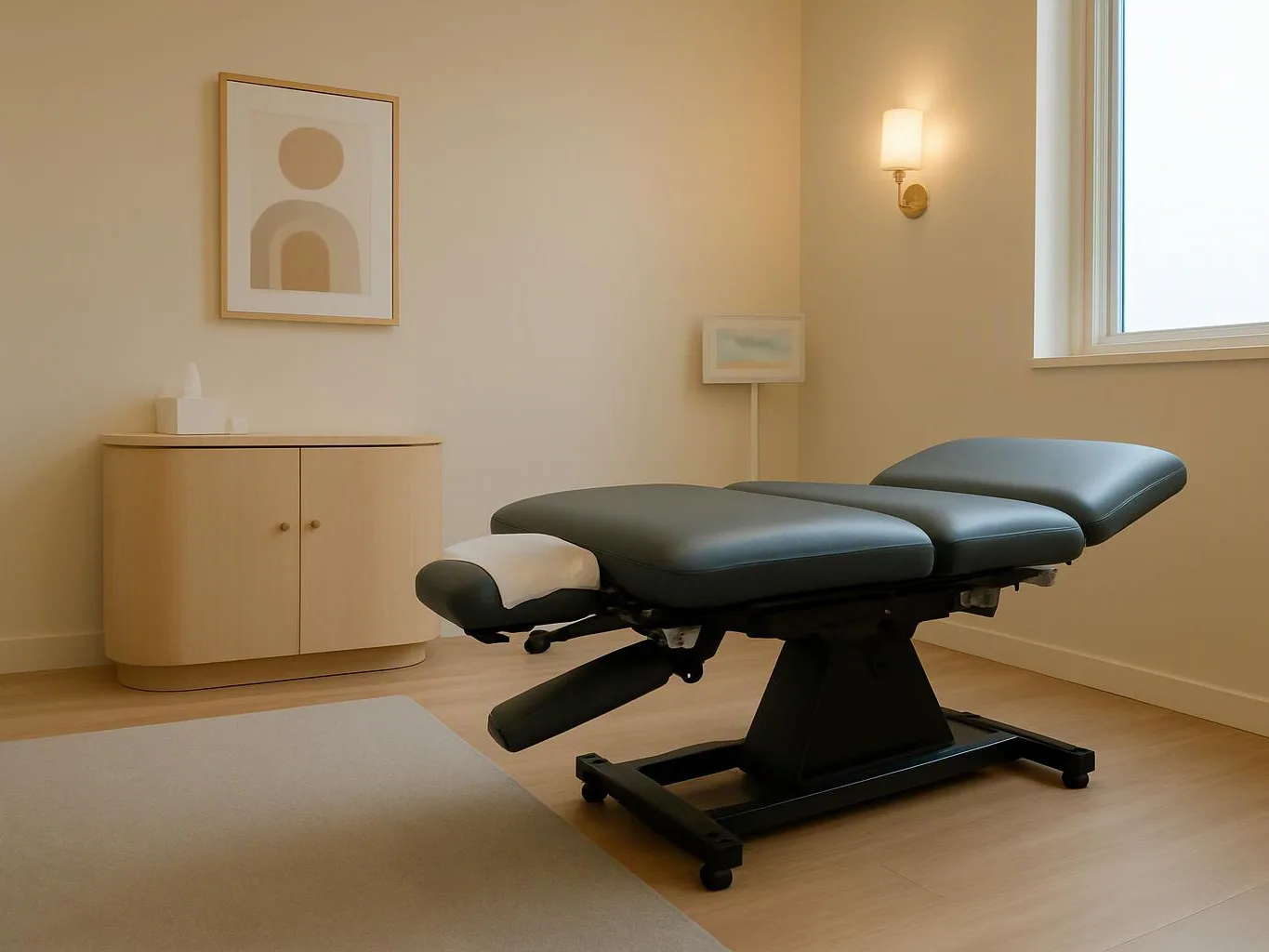
A minimalist treatment room with a black padded examination table, light wood cabinet, wall art, and a bright window

Service Overview

Kinesiology taping is a supportive treatment that uses elastic tape on selected areas of the body.

  • It differs from chiropractic adjustments because the tape supports an area while adjustments address joint and spinal movement.
  • Advanced Injury Care Clinic provides this care for patients in Rural Hill and surrounding Williamson County communities.

What Patients Gain From Kinesiology Taping

Smooth tape placement helps reduce folds that may rub the skin.

A skin check gives patients a safer way to discuss itching, redness, or discomfort.

A suitable tension level supports comfort during normal movement.

A placement review helps identify poor adhesion before the tape loses contact.

Taping can complement therapeutic exercises when the treatment plan calls for added support.

A client scenario this service addresses

A patient in Rural Hill may ask about taping after noticing itching or a lifted edge during daily activity. We check the skin, tape contact, and tension, then explain whether removal, replacement, or another treatment step fits the assessment.

How We Approach Kinesiology Taping

Skin comfort guides the first decision

Skin comfort guides the first decision, so we check for irritation before placement. Taping is the wrong service when the skin is open, highly reactive, or showing signs that need medical review.

Placement gets checked before leaving

The tape should lie smoothly on the selected area. Our team checks the edges, folds, and contact points so you know what to watch after the visit.

Care fits the wider treatment plan

Kinesiology taping may sit beside spinal care, soft tissue therapy, or therapeutic exercise. We choose that role after reviewing the patient’s symptoms and movement needs.

Process

How We Apply And Check The Tape

1

Review the affected area

We discuss the symptom, movement concern, and reason for considering kinesiology tape.

2

Check the skin surface

We inspect the skin for irritation, sensitivity, or other concerns before placing any tape.

3

Place the elastic tape

We apply kinesiology tape across the selected area and keep the contact smooth.

4

Check folds and edge contact

We look for tape wrinkles, lifted edges, and poor adhesion before discussing care after placement.

5

Review comfort and next steps

We ask about pulling, itching, or discomfort and explain whether taping remains suitable for the care plan.

What Kinesiology Taping Includes

Advanced Injury Care Clinic provides comprehensive Kinesiology Taping in Rural Hill. Here's what you get:

  • We review the affected area and the reason for using kinesiology tape.
  • We check the skin for irritation, sensitivity, or other concerns before placement.
  • We apply kinesiology tape with attention to smooth contact and suitable tension.
  • We inspect the tape for wrinkles, lifted edges, and poor adhesion.
  • We explain what discomfort or skin changes should be reported to our team.
  • We discuss whether taping belongs in a personalized treatment plan.

How Taping Differs From Related Care

This table compares the role of taping with other non-invasive treatments offered within an individualized care plan.

Care optionMain roleWhat we check
Kinesiology tapingSupports a selected area through elastic tape contactSkin comfort, tape placement, wrinkles, and tension
Chiropractic adjustmentsAddress joint and spinal movement through manual careHealth history, exam findings, and movement needs
Therapeutic exercisesBuild movement practice within the care planExercise fit, symptoms, and tolerance

The Advanced Injury Care Clinic Standard

  • Thorough Assessments
  • Tailored Care Plans
  • Clear Explanations
  • Appropriate Techniques

Questions About Kinesiology Taping

How can I tell whether kinesiology taping fits my symptoms?

Your symptoms, skin condition, and movement needs decide whether kinesiology taping fits. We review the affected area and ask about irritation, pain, and activity. Taping may complement therapeutic exercises or soft tissue therapy, but it does not replace an assessment for symptoms that need medical care.

Which part of the treatment area decides the taping scope?

The affected area and its movement demands decide the taping scope. Our team checks the skin surface, nearby joints, and the motion that causes concern. These findings guide tape placement and tension. The plan may change when the area has irritation, poor contact, or symptoms outside taping’s role.

When should I stop using tape after skin discomfort?

Stop using tape when itching, burning, swelling, or worsening redness develops. Skin discomfort can signal irritation or an allergic reaction, so continued use may worsen the problem. Contact our team for guidance, and seek medical care for severe or spreading symptoms.

Why does kinesiology tape lose adhesion?

Kinesiology tape loses adhesion when the skin surface, movement, or tape contact prevents a smooth bond. We check lifted edges, folds, and the area under the tape. Sweat, skin products, and frequent rubbing can also affect contact, so the next application should follow the assessment.

Which material changes how long taping takes?

Kinesiology tape material can change the application time when its stretch, width, or contact differs. The treatment area also matters because curved or highly mobile areas need closer placement checks. We discuss the material and application needs during the consultation without promising a set duration.
Contact

Ask About Kinesiology Taping In Rural Hill

Are you unsure whether tape irritation, poor adhesion, or excess tension needs attention? Contact Advanced Injury Care Clinic to discuss kinesiology taping and request a consultation.

A quiet exercise room holds yoga mats, a blue block, resistance bands, a bench, lamps, and a stability ball

The health and wellness information on this website is for general informational purposes only and is not medical advice. It does not create a provider-patient relationship. Always consult a qualified licensed provider in Brentwood, Tennessee, United States about your specific condition before making care decisions. Individual results vary.

(615) 265-0412