
Skip to content

Kinesiology Taping in Fairview, Tennessee

Anchor points need adjustment when the skin or support needs change, and replacement may be needed for a new treatment goal in Fairview. We match tape placement to your exam findings and comfort.

Upfront, Transparent PricingServing 18 CommunitiesMon-Fri: 9 am–7 pm, Sat: 9 am–2 pm, Sun: ClosedFast Scheduling

Quick Summary: kinesiology taping in Fairview, Tennessee

Kinesiology Taping Fairview care is provided by Advanced Injury Care Clinic for supportive taping, skin checks, and placement guidance. We serve Fairview, Brentwood, Williamson County, and the greater Nashville area, with care plans tailored to each patient.

  • What we do: Advanced Injury Care Clinic provides Kinesiology Taping in Fairview, Tennessee, with skin checks, tape placement, and care planning.
  • What is included: Skin preparation, anchor point placement, directional strips, tension checks, and aftercare guidance.
  • What you get: The patient receives a tape application plan that supports movement and fits the broader treatment plan.

How should kinesiology tape be applied for sore or strained areas?

Kinesiology tape should be applied to clean, dry skin with planned anchor points, controlled tension, and strips that follow the treatment goal. Placement should fit the affected area and the patient’s skin response. A clinician should check the application when pain, swelling, numbness, or skin irritation is present.

Kinesiology Taping in Fairview for focused movement support

Kinesiology taping gives patients a supportive layer between visits or alongside chiropractic care. We use it for concerns such as soft-tissue strain, shoulder discomfort, knee pain, and movement limits after an injury.

The key decision is whether taping fits the tissue, skin, and treatment goal. Our team checks the affected area, asks about symptoms, and reviews the full care plan before applying tape. The tape supports care, but it doesn't diagnose an injury or replace needed treatment.

Patients seeking care in Fairview can ask about taping during an assessment. The right choice may include chiropractic adjustments, therapeutic exercises, massage therapy, or another non-invasive approach.

  • The treatment goal and affected body area are identified.
  • The skin is checked before tape is placed.
  • Tape direction and tension are matched to the planned support.
  • Aftercare guidance covers skin comfort and removal.
A woman takes notes while talking to a seated man in a bright therapy room

Service Overview

Kinesiology taping is a supportive treatment that places elastic tape on the skin to guide movement and support sore areas.

  • Unlike an adjustment, taping works through skin contact and movement support, so it doesn't replace an exam or other care.
  • We provide this service for patients in Fairview and nearby Williamson County communities.

What kinesiology taping includes for your treatment visit

Advanced Injury Care Clinic provides comprehensive Kinesiology Taping in Fairview. Here's what you get:

  • We assess the area that needs support and review your symptoms.
  • We check the skin for irritation, sensitivity, or other concerns before application.
  • We clean and prepare the skin so the tape can adhere properly.
  • We place anchor points and directional strips based on the treatment goal.
  • We check comfort and movement after the tape is applied.
  • We explain basic care and when to remove the tape.

How we approach a careful taping decision

Placement follows the treatment goal

Tape direction matters because each strip supports a planned movement or area. We review the exam findings before choosing the pattern.

Skin comfort stays part of the check

Clean, dry skin helps the tape adhere. We also ask about sensitivity and watch for irritation after placement.

Taping has a clear limit

Taping is the wrong service when the main need is an urgent medical evaluation, an untreated serious injury, or care that requires another treatment approach.

Process

How we apply tape during a treatment visit

1

Assess the affected area

We review symptoms, movement, and the treatment goal before choosing a taping pattern.

2

Prepare clean, dry skin

We check the skin and remove moisture or surface residue that could affect comfort or adhesion.

3

Place the anchor points

We position the first tape sections with controlled contact and avoid pulling the skin at the starting point.

4

Add directional strips

We guide the remaining strips along the planned support path and use measured tension suited to the treatment goal.

5

Check movement and comfort

We ask you to move the area and report pulling, itching, or discomfort before leaving.

6

Explain aftercare

We review skin checks, removal concerns, and when to contact us about irritation.

What this taping approach can change for daily movement

Kinesiology tape may support movement while you follow your broader care plan.

A planned tape pattern can give a sore area added support during routine activity.

Skin and tension checks help reduce discomfort from a poor fit.

The approach can complement therapeutic exercises and soft tissue therapy.

Results vary, so we adjust the plan when your symptoms or skin response changes.

The Advanced Injury Care Clinic Standard

  • Thorough Assessments
  • Tailored Care Plans
  • Clear Explanations
  • Appropriate Techniques

Questions patients ask about supportive taping

How should kinesiology tape be applied?

Advanced Injury Care Clinic applies kinesiology tape to clean, dry skin with planned anchor points, directional strips, and controlled tension. The first step is an assessment of the affected area and treatment goal. We then check movement and comfort after placement. This approach helps us adjust the application when the skin or symptoms respond differently.

What does the skin need before tape is placed?

Clean, dry skin gives kinesiology tape a better surface for placement. We check for irritation, sensitivity, moisture, and surface products before applying tape. Lotions and oils can affect adhesion. Patients should mention past adhesive reactions so our team can discuss whether taping fits the visit.

Which part of the body decides the taping plan?

The affected body area decides the tape direction, strip layout, and support goal. Shoulder pain, knee pain, whiplash, and soft-tissue strain can require different placement choices. Our team also checks movement and symptoms, because the same body area may need a different plan after an injury changes.

When should tape be removed because of skin symptoms?

Skin irritation is a reason to stop using the tape and contact our team for guidance. Redness, itching, burning, or worsening discomfort deserves attention. Don't pull tape off quickly, because rough removal can further bother the skin. We can review the application and discuss another care option.

Why might tape not stay in place during daily activity?

Tape may loosen when skin is damp, oily, or exposed to repeated rubbing. Poor placement can also affect adhesion, so our team checks skin preparation and movement after application. Ask about the issue at your next visit, especially if the tape shifts, wrinkles, or causes discomfort.

What changes the amount of taping work needed?

The affected area, treatment goal, tape pattern, and need for related care change the amount of work. We review those details during an assessment and explain the planned service before proceeding. A free consultation gives you a chance to discuss fit and cost without guessing.
Contact

Ask about kinesiology taping in Fairview

Anchor point placement, skin comfort, and tape direction all matter during a visit. Book a free consultation with Advanced Injury Care Clinic to discuss whether kinesiology taping fits your needs in Fairview.

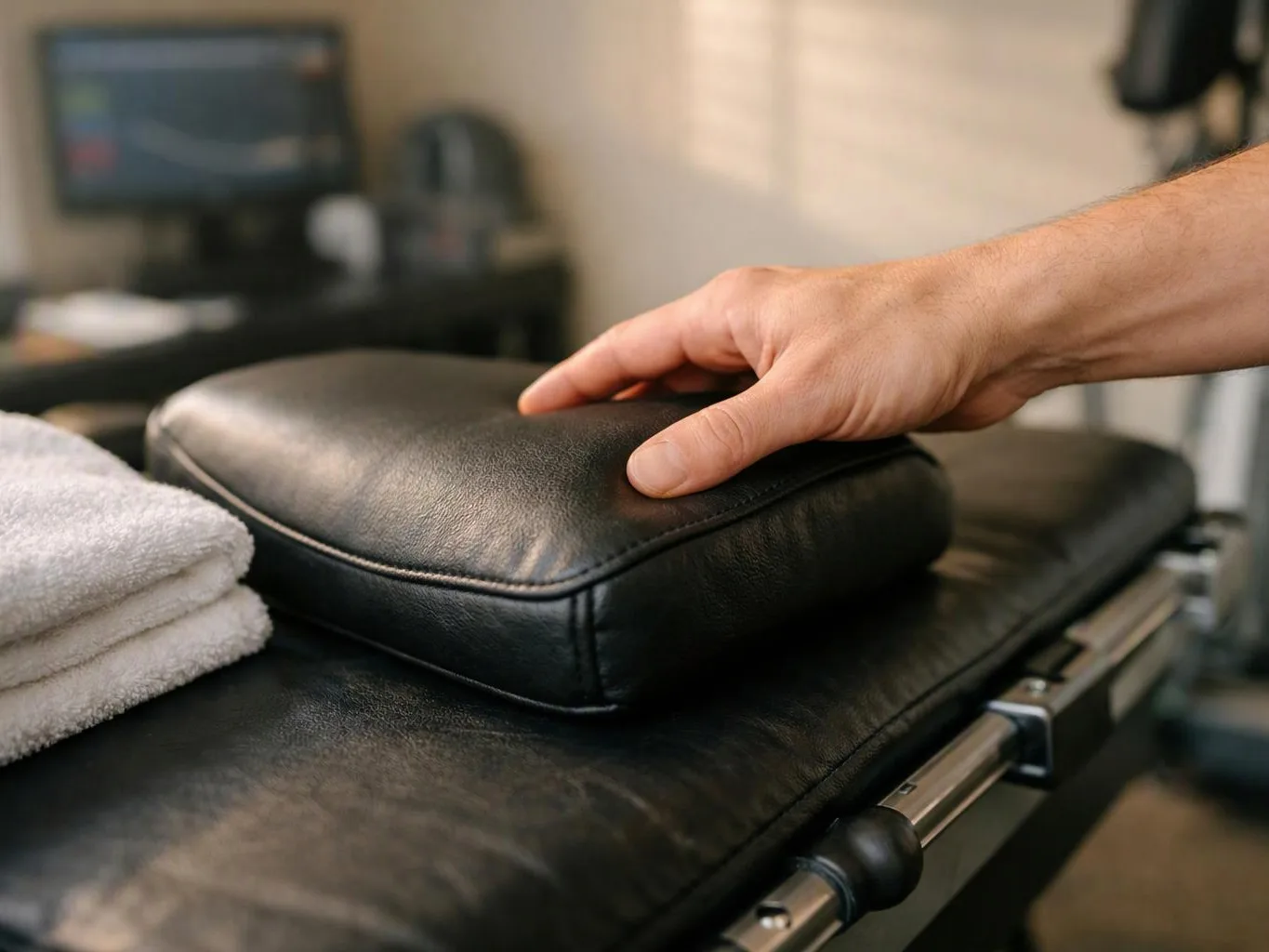
A hand presses a black leather cushion on a treatment table beside folded white towels

ZIP Codes We Serve in Fairview, Tennessee

37062

The health and wellness information on this website is for general informational purposes only and is not medical advice. It does not create a provider-patient relationship. Always consult a qualified licensed provider in Brentwood, Tennessee, United States about your specific condition before making care decisions. Individual results vary.

(615) 265-0412