How does kinesiology taping work?
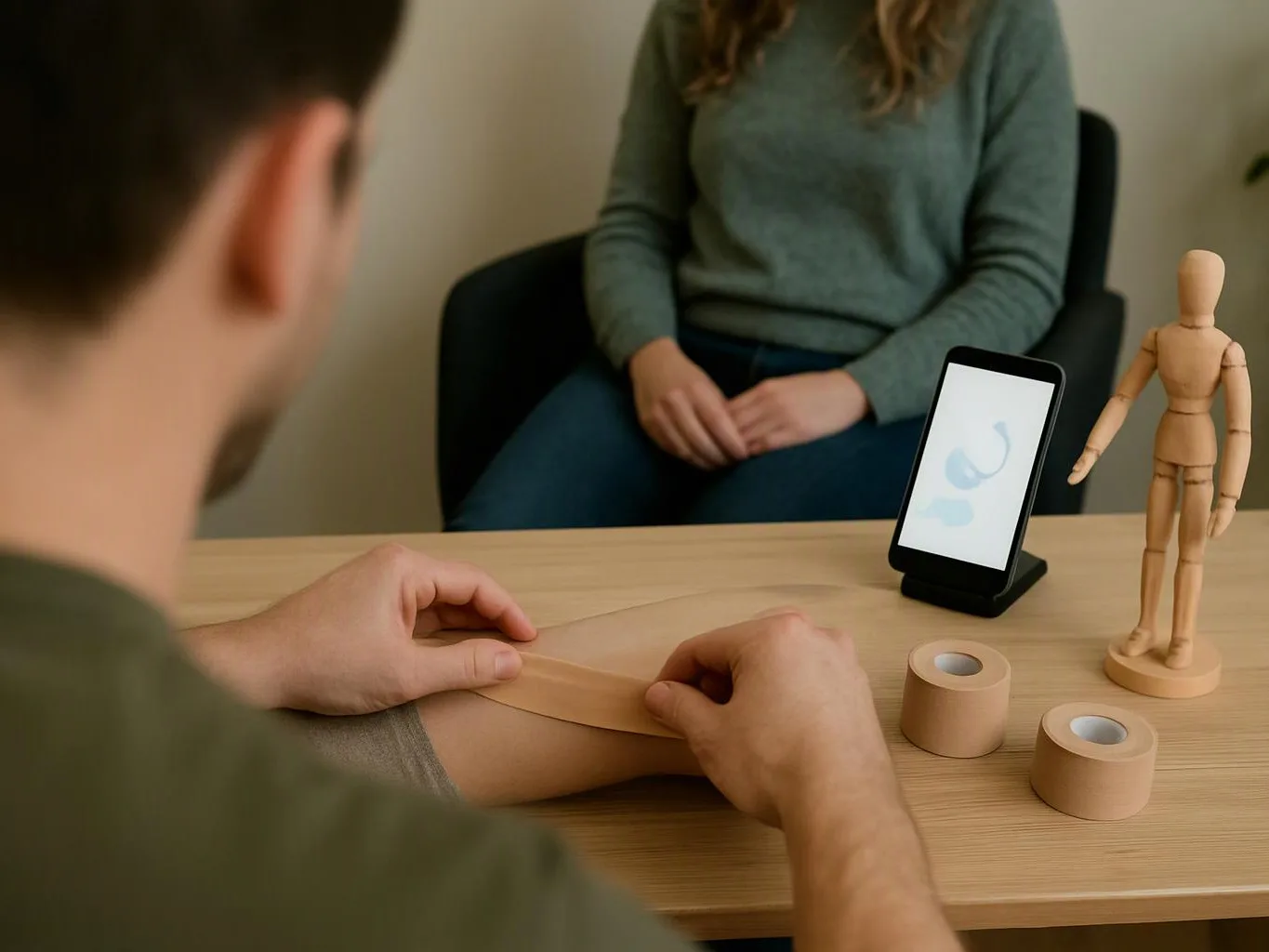
Elastic tape works through skin lift and sensory input around a selected body area. The added contact may support movement and joint awareness during daily activity. Our team checks symptoms, skin condition, and range of motion before applying it. Taping supports care, but it doesn't diagnose an injury or replace a full treatment plan.
Which material changes how long kinesiology taping takes?
Elastic tape choice and the size of the area affect the application time. Skin preparation, body hair, moisture, and the number of tape strips also matter. We check the skin first and explain the plan before application. No fixed duration applies to every patient or body area.
What happens from the first call to the last taping step?
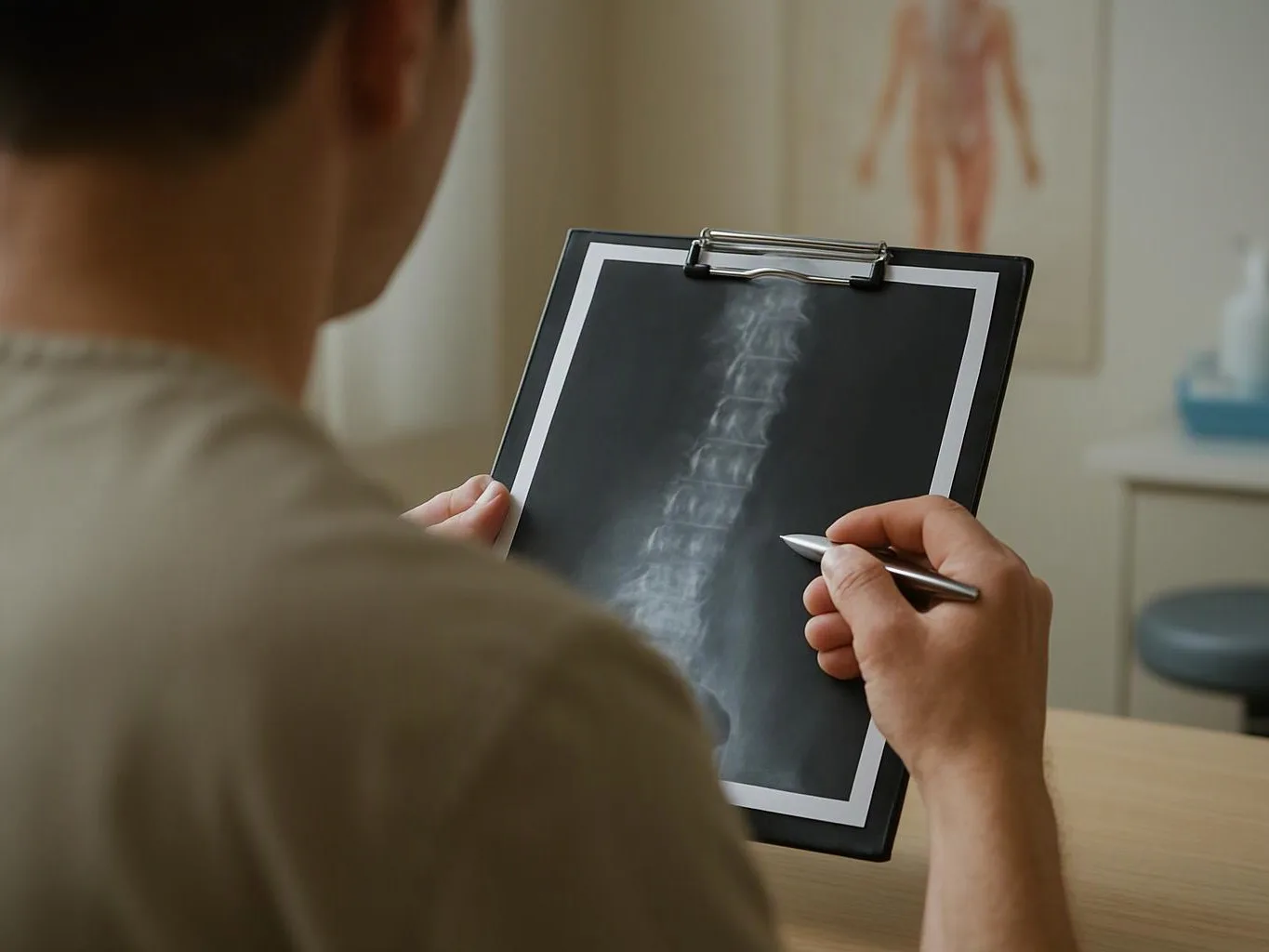
The visit begins with a health history and movement review. We then check the skin, choose the taping approach, apply the tape, and assess comfort. Aftercare guidance covers removal and skin changes. Follow-up may connect the taping response with exercises, adjustments, or other treatment.
When should someone avoid kinesiology taping?
Patients should avoid taping over broken, irritated, infected, or highly sensitive skin. A symptom that needs urgent medical assessment also calls for another care path first. We review allergies, skin history, and warning signs before application. Patients should report burning, marked redness, or worsening discomfort.
Why might kinesiology taping feel different during exercise?
Kinesiology taping changes the skin’s contact and may increase awareness of movement during exercise. That sensation can feel supportive, tight, or unfamiliar at first. We assess comfort and movement rather than promising a set result. Patients should stop and ask for guidance if irritation or pain worsens.
How can I tell whether kinesiology taping fits my injury?
Kinesiology taping fits when a skin-based movement aid supports the findings from an assessment. We consider the injury history, movement limits, skin condition, and treatment goals. It may suit soft-tissue discomfort, shoulder pain, neck strain, or selected joint concerns. The assessment determines whether another treatment should lead.
Who provides kinesiology taping in Belle Meade?
Advanced Injury Care Clinic provides kinesiology taping as part of chiropractic care in Belle Meade. Our team connects the application with an assessment and personalized treatment planning. Care may also include adjustments, physical therapy, massage therapy, spinal decompression, or therapeutic exercises when those services fit the patient’s needs.