Skip to content

Kinesiology Taping in Pegram, Tennessee

Anchor points must follow the body’s movement and skin condition in Pegram. We place kinesiology tape after reviewing the area and your care needs.

Upfront, Transparent PricingServing 18 CommunitiesMon-Fri: 9 am–7 pm, Sat: 9 am–2 pm, Sun: ClosedFast Scheduling

Quick Summary: kinesiology taping in Pegram, Tennessee

Kinesiology Taping in Pegram is provided by Advanced Injury Care Clinic for people seeking supportive care after auto accidents, workplace injuries, sports injuries, or everyday pain. The service includes skin checks, tape placement, and guidance across Pegram and surrounding Williamson County and greater Nashville area communities.

  • What we do: Advanced Injury Care Clinic provides Kinesiology Taping in Pegram for injury-focused support and individualized care planning.
  • What is included: We check skin, choose tape direction, set tension, and explain wear care.
  • What you get: Kinesiology Taping leaves the client with correctly placed tape and clear care instructions.

Why does kinesiology tape keep lifting after application?

Tape may lift when skin is damp, oily, irritated, or exposed to friction. We check the skin and placement area before applying tape, then explain care that supports better adhesion.

Kinesiology Taping in Pegram for focused injury support

Kinesiology taping is a focused add-on for people managing back pain, neck pain, whiplash, shoulder pain, knee pain, sciatica, or soft-tissue injuries. The job centers on skin preparation, tape direction, controlled tension, and safe wear guidance.

The key decision is fit. Tape may support movement during a broader care plan, but it does not replace an exam when pain follows a collision or workplace injury. We review your health history and current symptoms before deciding whether taping belongs with adjustments, physical therapy, massage therapy, or therapeutic exercises.

Pegram patients can request this service through our injury-focused clinic coverage. The consultation helps clarify the target area, the reason for taping, and the next care step.

  • Identify the body area and movement goal before tape placement.
  • Check the skin for irritation, open areas, or sensitivity.
  • Review whether taping fits with chiropractic care or physical therapy.
  • Explain tape care, removal, and signs that call for follow-up.
A man talks with a pregnant woman in a clinic room, with a spine model on a table behind them

Service Overview

Kinesiology Taping is a supportive treatment that places elastic tape on skin over a selected body area.

  • Kinesiology Taping supports movement and soft tissue care, while chiropractic adjustments address joint and spinal motion directly.
  • We provide Pegram coverage through injury-focused chiropractic care and personalized treatment planning.

What kinesiology taping includes for your visit

Advanced Injury Care Clinic provides comprehensive Kinesiology Taping in Pegram. Here's what you get:

  • We assess the target area and the movement concern that brings you.
  • We clean and prepare the skin before placing kinesiology tape.
  • We select directional strips that match the intended support area.
  • We control tape tension during application and check the finished placement.
  • We explain wear care, removal, and when to stop using the tape.

What to weigh before choosing kinesiology taping

Start with the movement goal

The tape pattern should match the body area and movement concern. We assess that goal before choosing a direction or tension.

Skin condition guides application

Clean, intact skin supports placement. We do not place tape over open skin or an area that needs another form of care.

Taping has a clear limit

Kinesiology taping is the wrong job when a symptom needs a full injury exam, imaging review, or a different treatment approach.

Process

How we apply kinesiology tape

1

Review the movement concern

We discuss the symptom, injury history, and body movement that needs attention.

2

Check clean, intact skin

We inspect the application area for irritation, open skin, moisture, or other concerns before using tape.

3

Set the tape direction

We place directional strips along the selected area and control tension based on the treatment goal.

4

Check the finished placement

We review comfort, movement, and tape edges before explaining wear and removal care.

5

Discuss the care plan

We explain how taping may fit with adjustments, physical therapy, massage therapy, or therapeutic exercises. Free Consultations are available for this discussion.

What kinesiology taping may change for daily movement

Kinesiology tape may provide added support during selected movements.

A clear application plan helps you understand how the tape fits your care.

Skin checks reduce the chance of placing tape over an unsuitable area.

Care instructions give you a safer way to monitor comfort after application.

Taping may complement therapeutic exercises when your treatment plan calls for both.

How taping differs from related care

These options address different parts of injury recovery and may be combined when clinically appropriate.

Care optionMain focusWhen it may fit
Kinesiology tapingSupportive tape placement on the skinSelected movement or soft-tissue concerns
Chiropractic adjustmentsJoint and spinal motionConditions assessed through chiropractic examination
Therapeutic exercisesStrength, control, and movement practiceA care plan that includes active rehabilitation

The Advanced Injury Care Clinic Standard

  • Thorough Assessments
  • Tailored Care Plans
  • Clear Explanations
  • Appropriate Techniques

Questions about kinesiology taping and application

How should kinesiology tape be applied?

Anchor points should be placed on clean skin, with directional strips and controlled tension matched to the target area. Advanced Injury Care Clinic checks the skin and movement concern before applying tape. We also review comfort, tape edges, wear care, and removal. The pattern should support the care goal without replacing an injury exam.

What does the clinician look at first before taping?

The target body area and skin condition come first during a taping assessment. We ask about the injury, pain pattern, movement limits, and prior skin reactions. Those details help us decide whether taping fits the plan. We may pair it with chiropractic adjustments, physical therapy, or therapeutic exercises when appropriate.

Which skin concerns should stop a tape application?

Open skin, active irritation, or marked sensitivity should stop tape application on that area. We inspect the skin before placement and discuss another care option when needed. Tape should also be removed if burning, swelling, or worsening irritation develops. A follow-up assessment can clarify the next step.

When should tape be removed after placement?

Tape should be removed when it causes burning, marked itching, swelling, or skin irritation. Wear duration also depends on the tape condition, skin response, and daily activity. We explain removal during the visit and ask you to monitor the area. Do not pull sharply across irritated skin.

Why does tape need proper tension?

Proper tension helps match the tape application to the selected body area and movement goal. Too much pull may increase skin stress, while too little may not provide the intended support. We control tension during placement and check comfort before you leave. Individual response differs, so skin feedback matters.

Who is a good fit for kinesiology taping?

People with selected movement concerns, soft-tissue symptoms, or injury recovery needs may fit kinesiology taping. We first check the area, skin, symptoms, and broader care plan. A different service may be needed when the concern requires a full exam, imaging review, or care beyond supportive tape.

What changes the cost of a taping visit?

The assessment needs, body area, tape pattern, and related treatments influence the cost of a taping visit. We discuss those factors during a Free Consultation before setting the care plan. The consultation also helps determine whether taping is suitable for your symptoms and recovery goals.

Contact

Discuss kinesiology taping in Pegram

Advanced Injury Care Clinic offers Free Consultations for clients who want to discuss tape placement, skin concerns, and fit within a personalized care plan. Schedule a visit to review your symptoms and next steps.

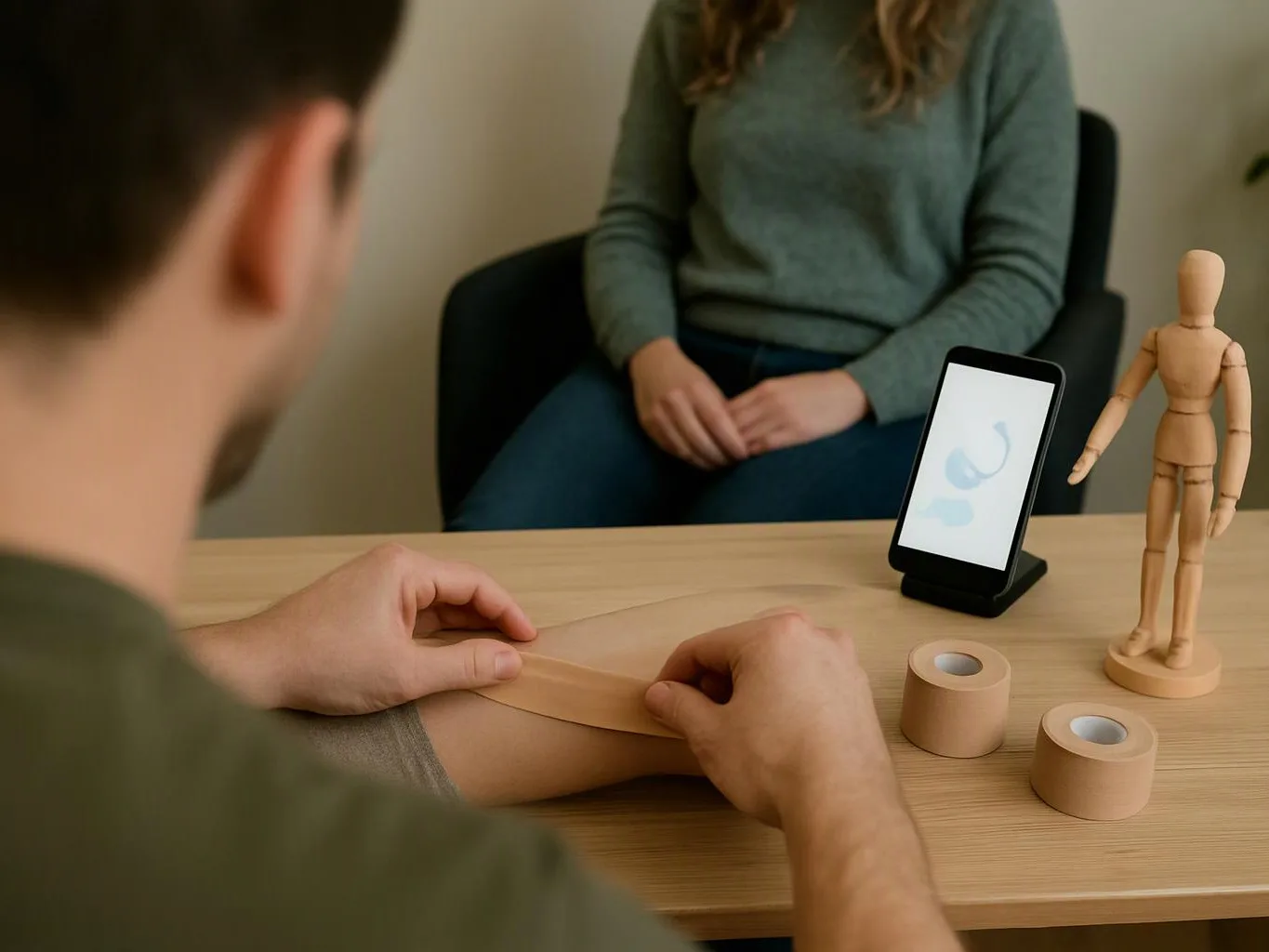
A person wraps a forearm with tape while another sits nearby, with a phone and practice mannequin on a table

ZIP Codes We Serve in Pegram, Tennessee

37143

The health and wellness information on this website is for general informational purposes only and is not medical advice. It does not create a provider-patient relationship. Always consult a qualified licensed provider in Brentwood, Tennessee, United States about your specific condition before making care decisions. Individual results vary.

(615) 265-0412