Skip to content

Kinesiology Taping in Franklin, Tennessee

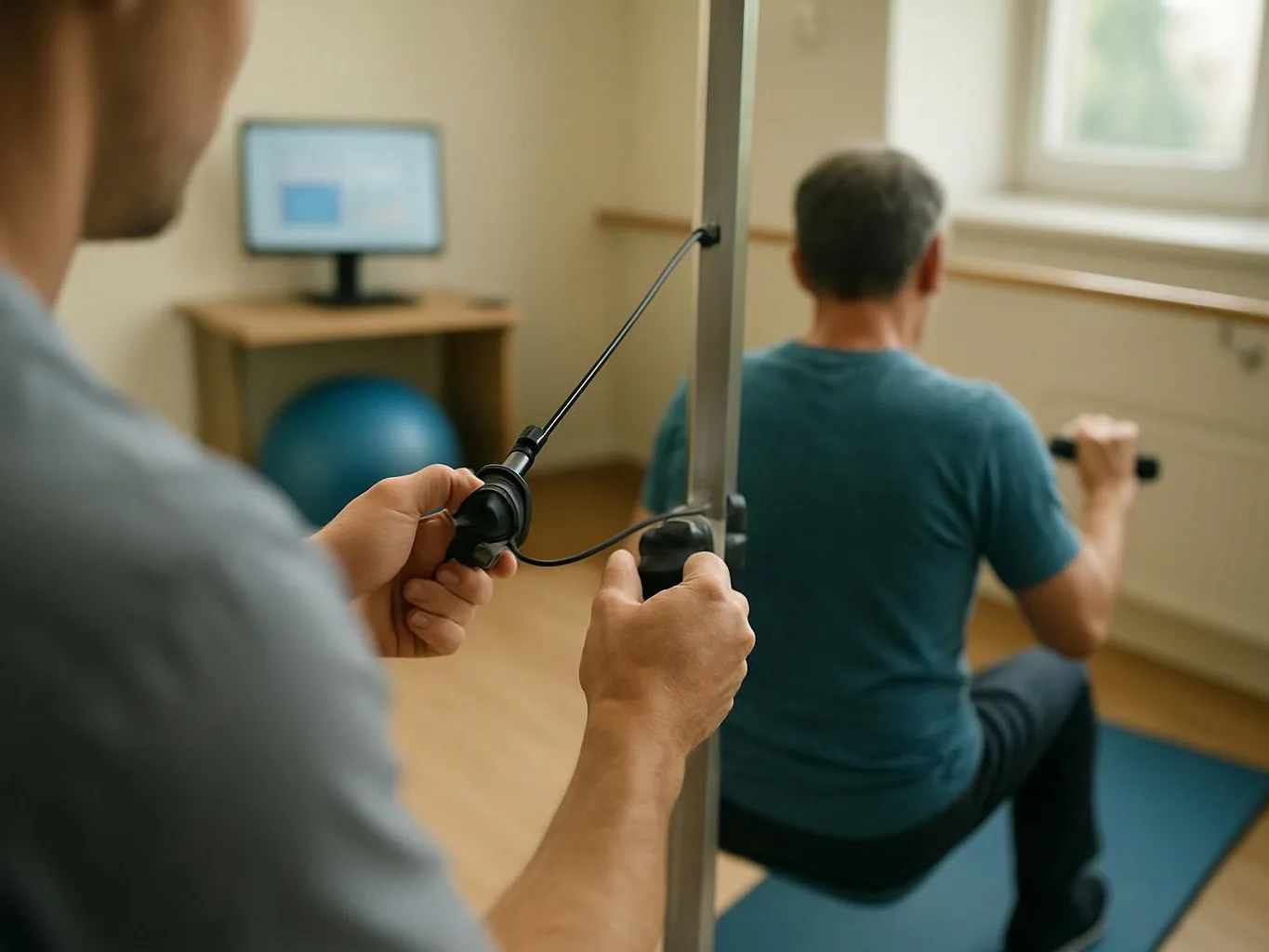
Elastic tape is applied after a skin and movement check in Franklin. We use it to support movement and add sensory input during recovery.

Upfront, Transparent PricingServing 18 CommunitiesMon-Fri: 9 am–7 pm, Sat: 9 am–2 pm, Sun: ClosedFast Scheduling

Quick Summary: Kinesiology Taping in Franklin, Tennessee

Kinesiology Taping in Franklin is provided by Advanced Injury Care Clinic for elastic tape support, skin checks, movement support, and joint awareness. We serve Brentwood, Williamson County, and the greater Nashville area through individualized chiropractic care.

  • What we do: Advanced Injury Care Clinic provides Kinesiology Taping in Franklin with elastic tape, skin checks, and movement support.
  • What is included: Skin screening, tape placement, movement support, sensory input, joint awareness, and care-plan review.
  • What you get: The patient receives a taping approach that fits the checked area, movement goal, and wider treatment plan.

Why does kinesiology taping keep feeling loose or uncomfortable?

Loose or uncomfortable tape can reflect poor skin contact, movement, or an unsuitable taping approach. Remove it if irritation develops and ask us to review the area before another application.


Kinesiology Taping for Movement Support in Franklin

Kinesiology taping gives some patients light support during movement after an injury or while they manage ongoing discomfort. We look at the painful area, skin condition, range of motion, and the goal for treatment before choosing a tape approach.

This page focuses on the buyer decision behind taping. The key question is whether tape adds useful support to a wider plan that may include chiropractic adjustments, spinal decompression, physical therapy, massage therapy, or therapeutic exercises.

Taping isn't the right job for every concern. Severe symptoms, open skin, an unexplained injury, or signs that need medical assessment call for a different next step.

  • Ask whether the skin is healthy enough for tape.
  • Share the movement that feels limited or uncomfortable.
  • Explain any known skin sensitivity or past tape reaction.
  • Discuss how taping fits with exercises or other care.
A quiet waiting area shows beige chairs, a reception counter, framed art, and a closed hallway door

Service Overview

Kinesiology taping is a soft-tissue support method that uses elastic tape to guide movement and add sensory input.

  • Unlike an adjustment, taping does not move a joint or replace an exam, exercise plan, or physical therapy.
  • Advanced Injury Care Clinic provides this service for patients in Franklin, Brentwood, Williamson County, and the greater Nashville area.

What This Taping Visit Includes

Advanced Injury Care Clinic provides comprehensive Kinesiology Taping in Franklin. Here's what you get:

  • We review the area that feels painful, weak, or less steady.
  • We check the skin before placing elastic tape.
  • We assess movement and joint awareness during the visit.
  • We place tape to support the stated movement goal.
  • We explain what to watch for after application.
  • We decide whether taping belongs in the wider care plan.

What Movement Support Can Change

Tape may give the skin and soft tissue a light external cue during movement.

Sensory input can help you notice how a joint or body area is moving.

Movement support may make therapeutic exercises feel easier to follow.

A taping plan can add one practical tool to care for soft-tissue discomfort.

The approach keeps the treatment non-invasive and tied to an individual assessment.

How We Approach This Taping Decision

Start with the skin and movement

Skin condition and movement quality guide the first decision. Tape is the wrong job for open skin, a strong skin reaction, or symptoms that need urgent medical review.

Connect tape to the care plan

Taping works best as one part of care, not as a stand-alone answer for every source of pain. We relate the application to exercises, soft tissue therapy, or chiropractic treatment when those options fit.

Review comfort after placement

Comfort matters after the tape is placed. We discuss warning signs and the next care step so you know when to stop using it or request a review.

Process

Steps We Use for a Taping Visit

1

Review the painful area

We discuss symptoms, recent injuries, daily movements, and the goal for using tape.

2

Check skin and movement

We inspect the skin and observe the movement linked to the concern. Skin sensitivity or open areas can change the plan.

3

Choose the support goal

We decide whether the goal is movement support, sensory input, or joint awareness within the wider care plan.

4

Place the elastic tape

We apply the tape to the selected area and check comfort during a suitable movement.

5

Explain the next care step

We discuss what to watch for and whether follow-up care, exercise, or another treatment should guide the next visit.

Taping Compared With Other Care

Each option addresses a different part of the movement and recovery process.

Care optionMain actionBest decision point
Kinesiology tapingAdds an external cue during movementUseful when skin and movement checks support the approach
Chiropractic adjustmentUses a clinical adjustment approach for joint and spinal careDiscussed when the exam supports chiropractic treatment
Physical therapyUses exercise and movement trainingConsidered when strength, function, or movement practice needs focused care

The Advanced Injury Care Clinic Standard

  • Thorough Assessments
  • Tailored Care Plans
  • Clear Explanations
  • Appropriate Techniques

Questions About Taping and Movement Support

How does kinesiology taping work?

Elastic tape works by giving the skin and moving body area a light external cue. Advanced Injury Care Clinic checks skin condition, movement, and joint awareness before placement. The goal is support during a selected activity, not a promise of pain relief. Taping may sit alongside exercises, adjustments, or physical therapy when those services fit the care plan.

Who is a good fit for this support, and who needs another service?

Patients with suitable skin and a clear movement goal may fit this approach. Open skin, strong irritation, unexplained symptoms, or signs of a serious injury call for another assessment. Our team checks the concern first, then explains whether taping, exercise, soft tissue therapy, or chiropractic care better matches the need.

What happens at each stage of a taping visit?

A taping visit starts with a symptom and movement review. We then check the skin, select a support goal, place the tape, and review comfort. The final discussion covers warning signs and the next care step. This process helps connect taping with a personalized treatment plan instead of treating it as a stand-alone fix.

What does the care team look at first?

The skin and the main movement concern come first. Our team also asks about recent injury, sensitivity, and the task that feels difficult. These details guide the suitability check. A different treatment may be more appropriate if the area needs further examination or the skin cannot tolerate tape.

Which symptoms may make tape uncomfortable?

Skin sensitivity, itching, redness, and discomfort can make tape unsuitable. Remove the tape if irritation develops and contact us for guidance. Our team can review the skin and the original movement concern. Ongoing pain, swelling, or symptoms after an accident may call for a broader clinical assessment.

Why might taping be added to exercises?

Taping may add a sensory cue while you practice a movement or exercise. The cue can help you notice joint position and movement during the task. It does not replace strength work or physical therapy. We add it only when the support goal matches the patient’s assessment and care plan.
Contact

Discuss Taping for Your Movement Goal

If you’re in Franklin and want to know whether taping fits your symptoms, book a free consultation with Advanced Injury Care Clinic. We’ll review the area, skin, and movement goal before discussing care.

A teal foam roller, massage ball, resistance band, and folded towel sit on a wooden table

ZIP Codes We Serve in Franklin, Tennessee

3706437065370673706837069

The health and wellness information on this website is for general informational purposes only and is not medical advice. It does not create a provider-patient relationship. Always consult a qualified licensed provider in Brentwood, Tennessee, United States about your specific condition before making care decisions. Individual results vary.

(615) 265-0412