
Skip to content

Kinesiology Taping in La Vergne, Tennessee

Elastic tape may fit La Vergne patients who need movement support during injury recovery. We assess the skin, symptoms, and daily activity before treatment.

Upfront, Transparent PricingServing 18 CommunitiesMon-Fri: 9 am–7 pm, Sat: 9 am–2 pm, Sun: ClosedFast Scheduling

Quick Summary: kinesiology taping in La Vergne, Tennessee

Kinesiology Taping in La Vergne is provided by Advanced Injury Care Clinic for movement support, sensory input, and joint awareness. Care fits patients recovering from auto accidents, workplace injuries, sports injuries, or everyday pain.

  • What we do: Advanced Injury Care Clinic provides Kinesiology Taping for patients in La Vergne, Tennessee.
  • What is included: Skin assessment, elastic tape placement, movement support, and personalized treatment planning.
  • What you get: The visit gives you a clear treatment choice for supporting movement during recovery.

Why does kinesiology taping keep lifting or peeling from my skin?

Kinesiology tape may lift because of skin moisture, body movement, or poor contact with the skin. A clinician checks the skin and placement before deciding whether taping fits your symptoms.


Kinesiology Taping for movement support in La Vergne

Kinesiology taping is designed for a specific treatment question, not every source of pain. Our team looks at the painful area, skin condition, movement pattern, and goal for care before choosing this approach.

The main decision is whether flexible tape adds useful support alongside the rest of your plan. A patient with shoulder pain may need taping for movement awareness, while another patient may need chiropractic adjustments, physical therapy, massage therapy, or therapeutic exercises instead.

This service can support recovery after an auto accident, workplace injury, sports injury, or everyday strain. It doesn't diagnose a serious injury, replace medical care, or guarantee pain relief. Individual response differs, so we review comfort and function during follow-up care.

  • Identify the painful or strained area before treatment.
  • Check skin health and sensitivity before tape placement.
  • Match tape support to movement and recovery goals.
  • Review whether taping belongs with adjustments, therapy, or exercises.
A man in a blue polo stands in a physical therapy room with exercise equipment and a treatment table

Service Overview

Kinesiology Taping is a soft-tissue support method that uses flexible tape to guide movement and body awareness.

  • It differs from chiropractic adjustments because it supports movement on the skin without directly adjusting a joint.
  • Advanced Injury Care Clinic provides this care for patients in La Vergne.

What kinesiology taping includes for your treatment

Advanced Injury Care Clinic provides comprehensive Kinesiology Taping in La Vergne. Here's what you get:

  • We review your symptoms, injury history, and movement goal before taping.
  • We check the skin for irritation, open areas, or other reasons to avoid tape.
  • We apply flexible tape to support movement and body awareness.
  • We explain what to watch for after placement, including discomfort or skin changes.
  • We decide whether taping fits with chiropractic adjustments, physical therapy, massage therapy, or exercises.
Process

How we plan and apply kinesiology taping

1

Review the injury and movement goal

We begin with a new patient intake, health history, and exam. Your symptoms and daily activity help define the treatment question.

2

Check the skin and affected area

We inspect the skin, soft tissue, and movement pattern before placement. Irritation, damaged skin, or an unclear symptom can change the care choice.

3

Choose the support approach

Our team decides whether taping fits the goal and whether it should sit alongside adjustments, physical therapy, massage therapy, or therapeutic exercises.

4

Apply tape for guided movement

We place the tape on the selected area and explain how it should feel during normal movement. Comfort and skin response remain part of the check.

5

Review the next care step

Follow-up care may include a progress re-examination or changes to the personalized treatment plan. Results vary, so we use your response to guide the next decision.

How we approach taping decisions

Match tape to the movement goal

Movement support starts with the activity that causes trouble. We use the exam and your stated goal to decide whether taping fits. The first sentence of this visit is not a treatment plan by itself.

Check the skin before placement

Skin condition matters because tape sits against the body during daily movement. We look for irritation or damaged skin and explain when another treatment choice is safer.

Know when taping is the wrong fit

Taping is not the right job for every injury, severe symptom, or unexplained change. We may recommend a fuller assessment when the issue needs adjustments, therapy, imaging, or medical care.

What kinesiology taping may change during recovery

Flexible support may help you move more comfortably during selected activities.

Skin-based sensory input may improve awareness of how an area moves.

Taping can add support without restricting every part of normal movement.

A focused taping plan helps connect a treatment choice with your recovery goal.

Regular maintenance care may help you stay aware of movement patterns between visits.

Taping, adjustments, and movement therapy

These options address different treatment needs, so the assessment guides the choice.

Treatment optionMain purposeWhen it may fit
Kinesiology tapingSkin-based movement supportWhen flexible support or joint awareness is part of the goal
Chiropractic adjustmentsCare directed at joint and spinal movementWhen the exam supports adjustment-based care
Physical therapyExercise and function-focused movement careWhen strength, mobility, or activity training needs more attention

The Advanced Injury Care Clinic Standard

  • Thorough Assessments
  • Tailored Care Plans
  • Clear Explanations
  • Appropriate Techniques

Questions about kinesiology taping and recovery

How does kinesiology taping work?

Elastic tape works through skin contact, movement support, and sensory input. Advanced Injury Care Clinic checks the affected area before placement and connects taping with your recovery goal. The tape may improve awareness around a joint or soft-tissue area, but it does not repair every source of pain. Individual response differs, so follow-up review matters.

What happens during the first taping visit?

The first visit includes a health history, movement exam, skin check, and treatment discussion. We ask what activity causes trouble and review whether taping fits your symptoms. Your plan may include adjustments, spinal decompression, physical therapy, massage therapy, or exercises when those services better match the assessment.
Which part of the body decides the taping approach?

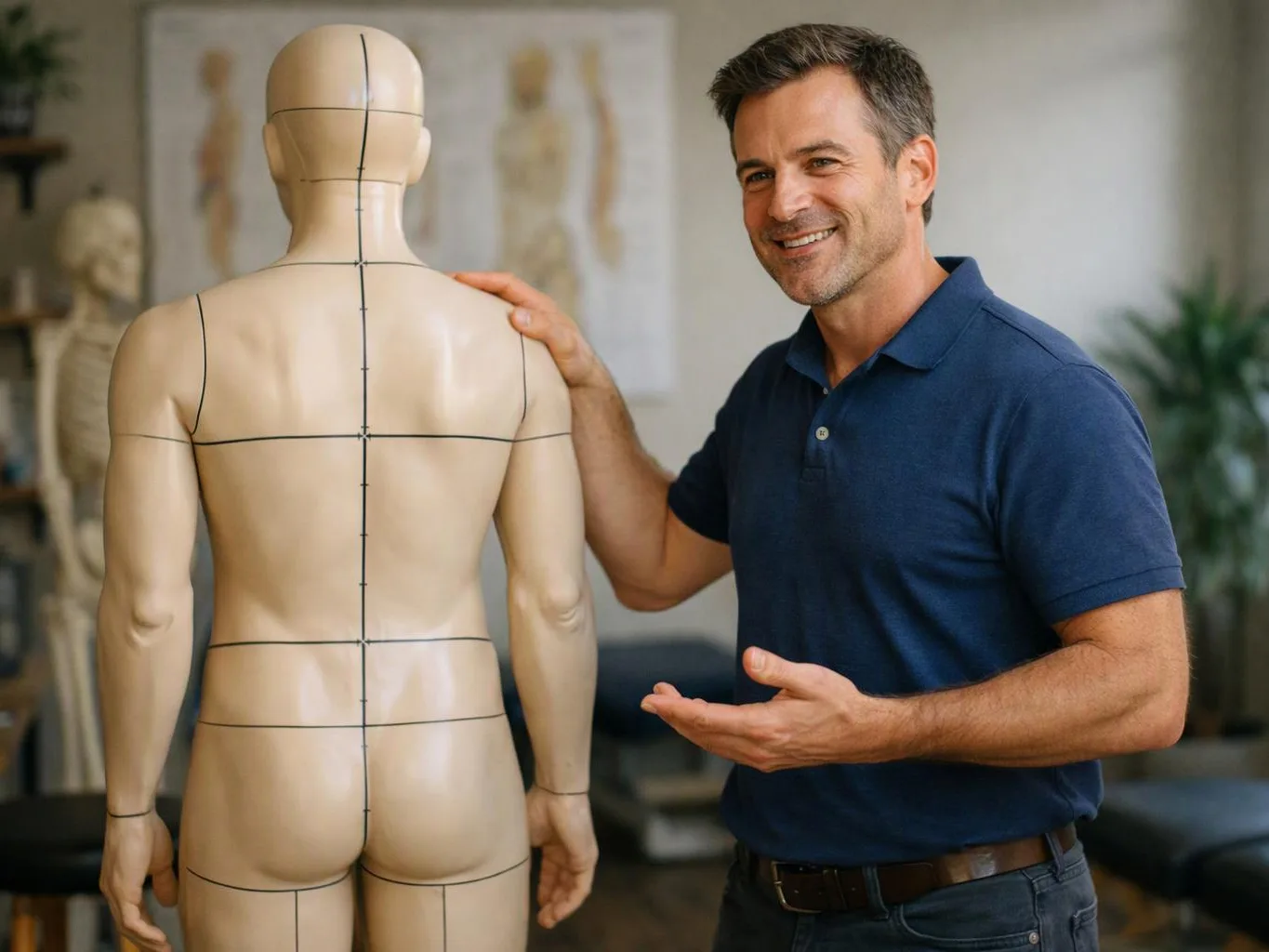
The affected body area decides the taping approach because skin, movement, and joint needs differ. Shoulder pain may call for a different placement discussion than knee pain or soft-tissue strain. Our team checks the area and the motion that causes discomfort before selecting a care method.

When should I avoid kinesiology taping?

Avoid taping when the skin is open, irritated, or reacting to adhesive. A changing symptom, severe pain, or unexplained loss of function also calls for a fuller assessment. We review these concerns during the consultation and may recommend another treatment or medical evaluation when taping is not a safe fit.

Why does the tape feel tight during movement?

Tightness can mean the placement does not feel comfortable for your movement pattern. Tell our team if the tape causes pulling, itching, numbness, or increased discomfort. We can check the skin and treatment area, then decide whether to adjust the plan or stop taping.

How does the visit move from the first call to follow-up?

The visit moves from consultation to assessment, tape placement, care instructions, and follow-up review. We first discuss your symptoms and goal, then check the skin and movement pattern. After placement, we explain what to watch for and decide whether taping belongs in the next stage of your personalized treatment plan.

Can taping replace chiropractic adjustments or physical therapy?

Kinesiology taping does not replace adjustments or physical therapy when those services address the main problem. Taping may support movement awareness as one part of care. Our team compares the exam findings with your goal before recommending a single service or a combined plan.
Contact

Discuss kinesiology taping in La Vergne

Start with a consultation and assessment of the affected area. Advanced Injury Care Clinic can explain whether taping fits your symptoms and outline the next treatment step.

Two men talk across a table, with a clipboard, water bottle, and tennis racket in a bright room

ZIP Codes We Serve in La Vergne, Tennessee

3708637089

The health and wellness information on this website is for general informational purposes only and is not medical advice. It does not create a provider-patient relationship. Always consult a qualified licensed provider in Brentwood, Tennessee, United States about your specific condition before making care decisions. Individual results vary.

(615) 265-0412