Glossary

What is Ligament Sprain?

Ligament Sprain is an injury to a ligament—the tough, fibrous tissue connecting bones at a joint—caused by sudden stretching, twisting. Or impact. Ligament Sprains typically result in pain, swelling, bruising. And reduced joint stability, often graded on a scale from mild (Grade 1) to severe (Grade 3) based on the extent of tissue damage.

Reviewed by ChiropractorBrentwood.comSources reviewed: American Academy of Orthopaedic Surgeons, National Institute of Arthritis and Musculoskeletal and Skin Diseases

Quick Facts About Ligament Sprain

Category

Soft tissue injury

Used for

Diagnosing joint instability and pain

Common confusion

Often mistaken for muscle strains or fractures

Also called

Sprain, Ligament Injury

Often discussed with

Neck Pain Treatment, Back Pain Treatment

Key Takeaways About Ligament Sprain

Understanding Ligament Sprain
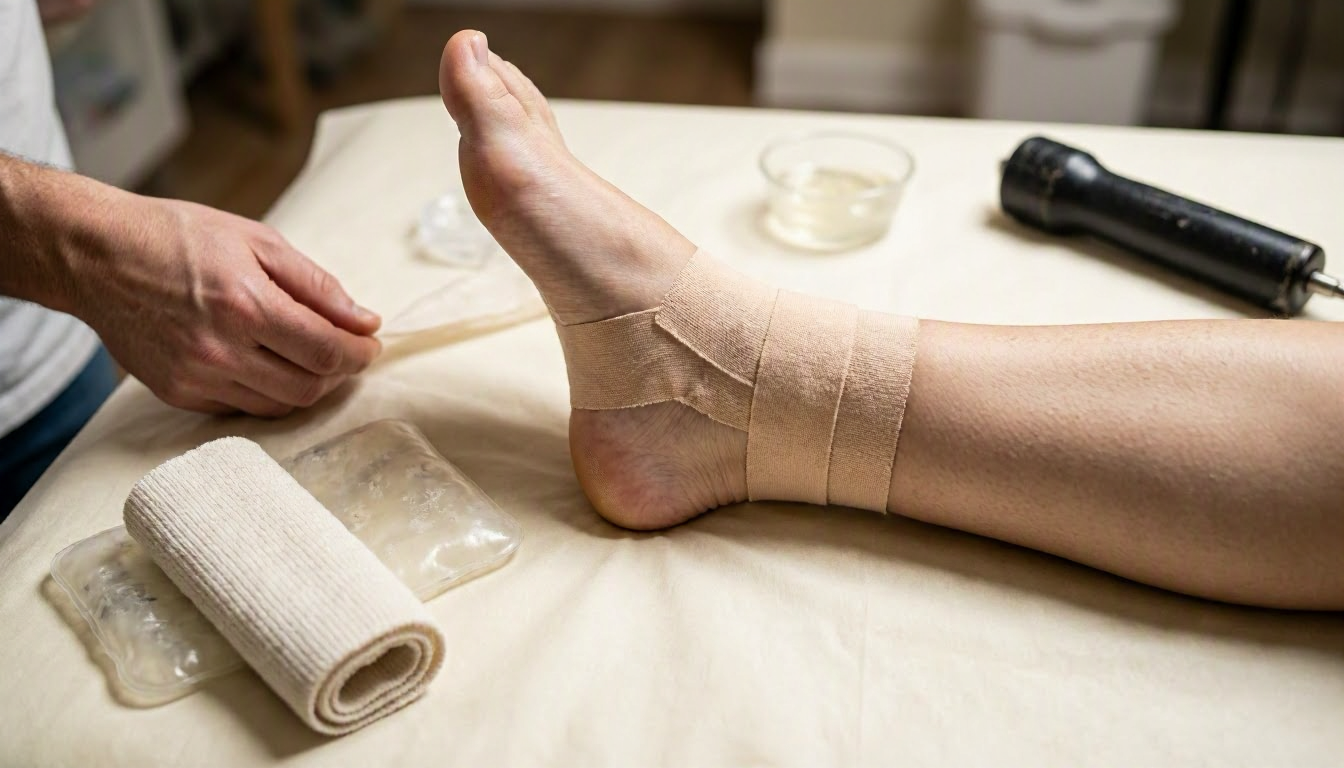
Ligament Sprain in Chiropractor: Ligament Sprain is an injury to a ligament—the tough, fibrous tissue connecting—visua...

A ligament is a strong band. It connects bones at a joint. It can stretch or tear.

Related glossary terms: Joint Dysfunction, Muscle Strain, Herniated Disc.

This is called a sprain. Ligaments act like elastic bands. They hold bones together.

They keep joints stable. Too much force can hurt them. This happens during a twist or fall.

It can also happen from an impact. This causes pain and swelling. The joint may be hard to move.

Sprains happen to many people. They don't just happen to athletes. Simple things can cause them.

Stepping off a curb wrong can sprain you. Lifting something heavy can too. Many sports raise the risk.

Basketball, soccer. And football are examples. Ankles and knees sprain the most. But wrists and elbows can too.

Shoulders and fingers can sprain as well.

How Ligament Sprain Is Graded and Diagnosed?

Doctors sort sprains by how bad they are. There are three grades. Grade 1 is mild.

Grade 1 means the ligament stretched a little. It has small damage. The joint stays stable.

There may be slight pain. Swelling can happen too. But the ligament still supports the joint.

Grade 2 is worse. It means the ligament tears partly. This causes more swelling.

Bruising and pain happen too. The joint may feel unstable. It won't be as strong.

Grade 3 is the worst. The ligament tears all the way. The joint feels loose.

It may not hold weight. Pain and swelling happen fast. Bruising is common too.

Doctors may need to check this. They might suggest surgery. Or they may use a brace.

Doctors check sprains with exams. They look for swelling and pain. They test how stable the joint is.

X-rays can rule out breaks. MRI scans (pictures of inside the body) show soft tissue damage.

Why Ligament Sprain Matters?

How Ligament Sprain applies to Chiropractor services in Brentwood, United States—practical illustration

Even a small sprain hurts. It can limit what you do. Daily life gets harder.

Athletes may miss games. Others may miss work. Simple things like walking can be hard.

Not treating a sprain can cause problems. The joint may stay weak. You could get hurt again.

It may lead to arthritis (joint pain) later. Proper care helps you heal. It stops more issues.

Early treatment eases pain. It cuts down swelling. Exercises help too.

They make the joint strong again. They help it move right. Then you can do things normally.

When Ligament Sprain Matters Most?

Sprains matter most in knees or ankles. These joints hold your weight. They help you walk and stand.

A bad sprain makes these hard. It may hurt a lot. Swelling can happen fast.

You may not move the joint. These signs mean a worse injury. It could be a break or full tear.

Get help right away for some signs. Did you hear a pop? Is the joint bent wrong?

Do you feel numb or tingly? A doctor should check this. Sprains that don't get better need help too.

Rest and home care should help in days. If not, see a doctor. You may have a bigger problem.

In Brentwood, TN, chiropractors (back doctors) can help. So can sports medicine doctors.

They help sprains without surgery. They use adjustments (fixing joints).

They may use braces. Exercises help too. These make joints strong again.

How to Evaluate Ligament Sprain?

Related Concepts Compared

Ligament Sprain vs. Muscle Strain

A muscle strain involves damage to muscle fibers or tendons. While a ligament sprain affects the connective tissue between bones.

Ligament Sprain vs. Joint Dislocation

A dislocation occurs when bones in a joint are forced out of position. While a sprain involves injury to the ligaments without bone displacement.

Expert Note

Not all joint pain after an injury is a sprain—some symptoms may overlap with fractures or cartilage damage. A thorough examination helps distinguish between these conditions for proper treatment.

Common Mistakes or Myths About Ligament Sprain

  • Assuming all joint pain is a sprain—fractures or dislocations can cause similar symptoms.
  • Returning to activity too soon, which can worsen the injury or delay healing.
  • Ignoring persistent swelling or instability, which may indicate a severe sprain needing medical care.
  • Using heat immediately after injury—ice is better for reducing swelling in the first 48 hours.

Ligament Sprain in Practice: A Real-World Example

After slipping on a wet floor, a runner feels sudden pain in their ankle. Swelling appears within minutes. And walking becomes difficult. A healthcare provider confirms a Grade 2 ankle sprain, recommending rest, ice. And a brace to support recovery.

Related Services

Related Terms

Joint Dysfunction

Joint Dysfunction is a condition where a joint in the body fails to move or function normally, often causing pain, stiffness. Or reduced range of motion. It can result from injury, overuse, poor posture. Or underlying conditions like arthritis. Joint Dysfunction may affect any joint, including the spine, shoulders, hips. Or knees. And can disrupt daily activities if left untreated.

Muscle Strain

Muscle Strain is an injury to a muscle or tendon caused by overstretching, overuse. Or excessive force. Muscle Strains occur when fibers in the muscle or tendon tear partially or completely, leading to pain, swelling. And reduced strength. Common in sports, work.

Herniated Disc

Herniated Disc is a spinal condition where the soft, gel-like center of a spinal disc pushes through a tear in the disc’s tougher outer layer. This bulging or ruptured material can press on nearby nerves, causing pain, numbness. Or weakness in the back, neck, arms. Or legs. Herniated discs often occur due to aging, injury.

Mobilization

Mobilization is a gentle, manual therapy technique used by chiropractors and physical therapists to improve joint movement and reduce stiffness. Mobilization involves slow, controlled movements applied to a joint to restore its natural range of motion without forceful thrusts. This method helps relieve pain, enhance flexibility. And support recovery from injuries or chronic conditions.

Soft Tissue Therapy

Soft Tissue Therapy is a hands-on treatment method that targets muscles, tendons, ligaments. And fascia to reduce pain, improve mobility. And speed healing. Soft Tissue Therapy uses techniques like massage, stretching. And pressure to break up scar tissue, release tension.

ChiropractorBrentwood.com

Have Questions About Ligament Sprain?

Contact ChiropractorBrentwood.com for practical guidance on Ligament Sprain and related chiropractor work in Brentwood.

+1 615-777-0624