Glossary

What is Joint Dysfunction?

Joint Dysfunction is a condition where a joint in the body fails to move or function normally, often causing pain, stiffness. Or reduced range of motion. It can result from injury, overuse, poor posture. Or underlying conditions like arthritis. Joint Dysfunction may affect any joint, including the spine, shoulders, hips. Or knees. And can disrupt daily activities if left untreated.

Reviewed by ChiropractorBrentwood.comSources reviewed: American Chiropractic Association, National Institute of Arthritis and Musculoskeletal and Skin Diseases

Quick Facts About Joint Dysfunction

Category

Musculoskeletal condition

Used for

Diagnosing joint pain or movement problems

Common confusion

Often mistaken for arthritis or muscle strain

Also called

Joint Restriction, Joint Misalignment

Often discussed with

Back Pain Treatment, Neck Pain Treatment

Key Takeaways About Joint Dysfunction

Understanding Joint Dysfunction
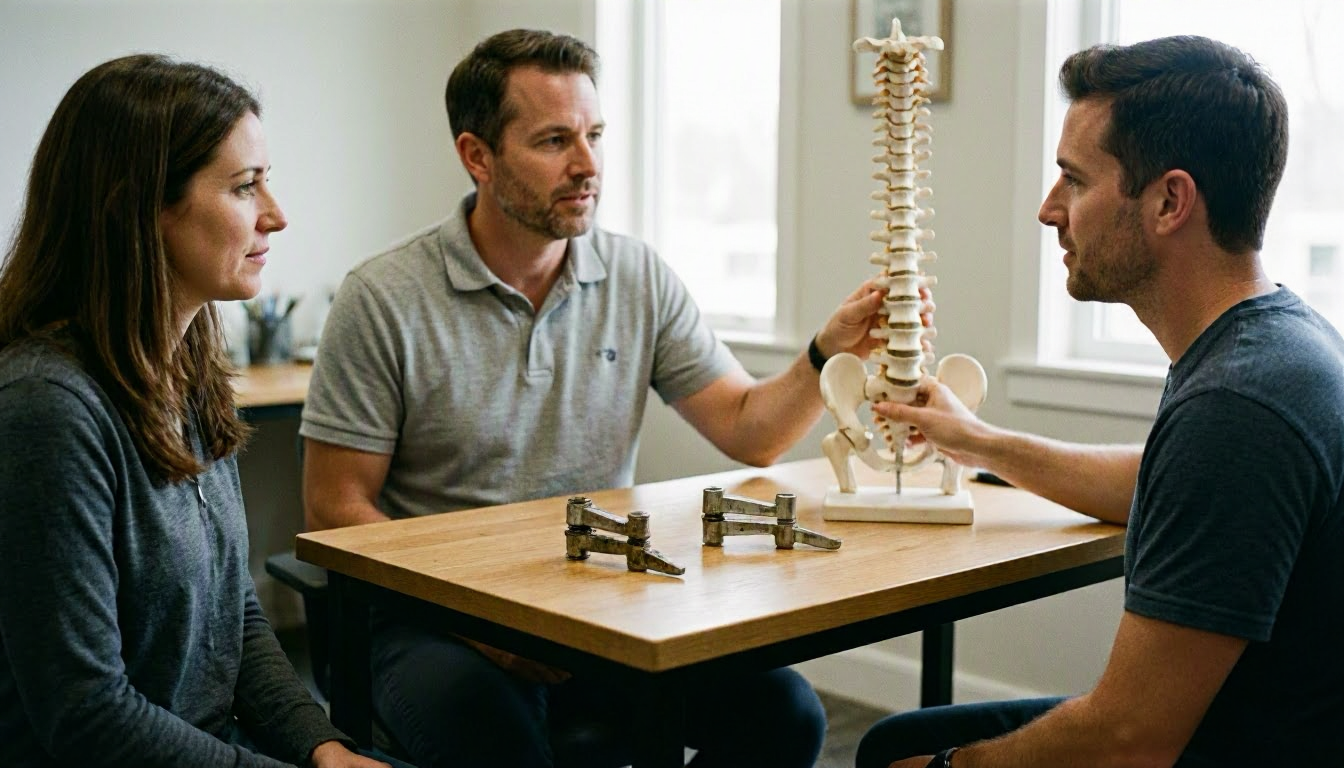
Joint Dysfunction in Chiropractor: Joint Dysfunction is a condition where a joint in the body fails—visual guide

Joint Dysfunction occurs when a joint in the body doesn't move or work as it should. Joints are the points where two bones meet. And they rely on muscles, ligaments. And cartilage to function smoothly. When something disrupts this balance—such as an injury, repetitive stress. Or poor alignment—the joint may become painful, stiff. Or difficult to move. Unlike arthritis, which involves inflammation and damage to joint tissues, Joint Dysfunction often stems from mechanical issues, like misalignment or restricted movement.

Related glossary terms: Chiropractic Adjustment, Mobilization, Orthopedic Tests.

This condition can affect people of all ages, from athletes with sports injuries to office workers with poor posture. For example, sitting for long hours at a desk may lead to Joint Dysfunction in the neck or lower back. While repetitive motions, like typing or lifting, can strain the shoulders or wrists. Over time, untreated Joint Dysfunction may contribute to muscle imbalances, nerve irritation. Or even chronic pain, making early attention important.

How Joint Dysfunction Is Identified and Treated?

Healthcare providers, including chiropractors and physical therapists, diagnose Joint Dysfunction through a combination of patient history, physical exams. And sometimes imaging tests like X-rays. During an exam, the provider may check for tenderness, swelling. Or abnormal movement in the joint. They may also ask about activities that worsen the pain or stiffness, as well as any previous injuries. Orthopedic tests, which involve specific movements or pressure, can help pinpoint the exact joint involved and rule out other conditions.

Treatment for Joint Dysfunction often focuses on restoring normal movement and reducing pain. Chiropractic adjustments, for instance, aim to realign joints and improve mobility. While physical therapy exercises strengthen the muscles supporting the joint. Other approaches may include soft tissue therapy to relieve tension in surrounding muscles. Or lifestyle changes to prevent further strain. In some cases, doctors may recommend anti-inflammatory medications or braces to support the joint during healing. The goal is to address the root cause of the dysfunction, not just the symptoms, to prevent recurrence.

Why Joint Dysfunction Matters?

How Joint Dysfunction applies to Chiropractor services in Brentwood, United States—practical illustration

Joint Dysfunction matters because it can significantly impact quality of life. Even minor joint issues, like stiffness in the neck or a sore knee, can make everyday tasks—such as driving, lifting groceries. Or climbing stairs, more difficult. Over time, compensating for a dysfunctional joint can lead to additional problems, such as muscle strain or nerve irritation. For example, limping due to a stiff hip may cause lower back pain, creating a cycle of discomfort that affects multiple areas of the body.

Beyond physical discomfort, Joint Dysfunction can also limit participation in activities people enjoy, like sports, gardening. Or playing with children. Chronic joint issues may even contribute to long-term conditions like osteoarthritis if the joint remains misaligned or overstressed. Addressing Joint Dysfunction early can help maintain mobility, reduce pain. And prevent more serious problems from developing, allowing individuals to stay active and independent as they age.

When Joint Dysfunction Matters Most?

Joint Dysfunction becomes especially important in certain situations. For example, athletes or active individuals may notice joint issues during training or competition, where even minor restrictions can affect performance or increase the risk of injury. Similarly, people with physically demanding jobs, such as construction workers or nurses, may experience Joint Dysfunction due to repetitive motions or heavy lifting, making early intervention critical to staying on the job.

Joint Dysfunction also matters after accidents, such as car crashes or falls, where sudden force can misalign joints or strain surrounding tissues. In these cases, symptoms may not appear immediately but can worsen over days or weeks if left untreated. And older adults may be more vulnerable to Joint Dysfunction due to age-related wear and tear, making regular check-ups and preventive care important for maintaining mobility. Recognizing the signs of Joint Dysfunction - such as persistent pain, stiffness. Or clicking sounds - can help individuals seek help before the problem becomes more serious.


How to Evaluate Joint Dysfunction?

Related Concepts Compared

Joint Dysfunction vs. Subluxation

Subluxation refers to a partial dislocation of a joint, often used in chiropractic care to describe misalignment. Joint Dysfunction is a broader term that includes any abnormal joint function, not just dislocation.

Joint Dysfunction vs. Arthritis

Arthritis involves inflammation and damage to joint tissues, often due to wear and tear or autoimmune conditions. Joint Dysfunction focuses on mechanical issues like misalignment or restricted movement, even without inflammation.

Joint Dysfunction vs. Ligament Sprain

A ligament sprain is an injury to the tissues connecting bones, causing pain and instability. Joint Dysfunction may result from a sprain but can also occur without ligament damage.

Expert Note

Joint Dysfunction often responds well to conservative care, such as chiropractic adjustments or physical therapy. But early intervention is key. Ignoring symptoms can lead to compensatory movements that strain other joints or muscles, creating a cascade of secondary issues.

Common Mistakes or Myths About Joint Dysfunction

  • Assuming Joint Dysfunction is the same as arthritis—arthritis involves inflammation. While Joint Dysfunction is about movement issues.
  • Ignoring joint stiffness or minor pain, which can worsen over time if untreated.
  • Overusing pain medication instead of addressing the root cause of the dysfunction.
  • Assuming rest alone will fix Joint Dysfunction without exercises or adjustments to restore movement.

Joint Dysfunction in Practice: A Real-World Example

A runner notices persistent knee pain after long runs. A chiropractor evaluates the knee and finds that the joint is not tracking properly due to muscle imbalances in the hip. Through adjustments and targeted exercises, the runner’s knee alignment improves, reducing pain and allowing them to return to running without discomfort.

Sources & Further Reading on Joint Dysfunction

Related Services

Related Terms

Chiropractic Adjustment

Chiropractic Adjustment is a hands-on procedure where a licensed chiropractor applies controlled force to a specific joint, usually in the spine, to improve alignment, reduce pain. And restore movement. The goal is to correct joint dysfunction without surgery or medication, relying on the body’s natural ability to heal.

Mobilization

Mobilization is a gentle, manual therapy technique used by chiropractors and physical therapists to improve joint movement and reduce stiffness. Mobilization involves slow, controlled movements applied to a joint to restore its natural range of motion without forceful thrusts. This method helps relieve pain, enhance flexibility. And support recovery from injuries or chronic conditions.

Orthopedic Tests

Orthopedic Tests are hands-on examinations performed by healthcare providers to assess musculoskeletal conditions, such as joint injuries, nerve compression. Or muscle strains. These tests involve specific movements, pressure. Or positioning to reproduce symptoms and identify the source of pain or dysfunction. They help guide diagnosis and treatment without relying solely on imaging or lab results.

Herniated Disc

Herniated Disc is a spinal condition where the soft, gel-like center of a spinal disc pushes through a tear in the disc’s tougher outer layer. This bulging or ruptured material can press on nearby nerves, causing pain, numbness. Or weakness in the back, neck, arms. Or legs. Herniated discs often occur due to aging, injury.

ChiropractorBrentwood.com

Have Questions About Joint Dysfunction?

Contact ChiropractorBrentwood.com for practical guidance on Joint Dysfunction and related chiropractor work in Brentwood.

+1 615-777-0624