Glossary

What is Mobilization?

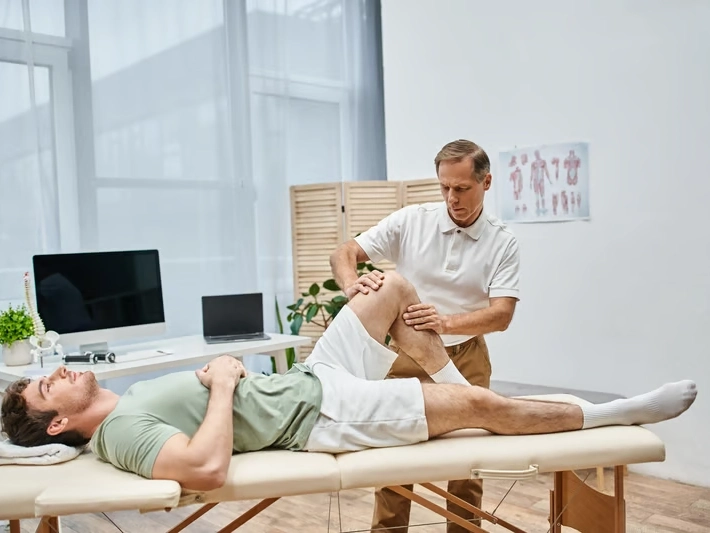
Mobilization is a gentle, manual therapy technique used by chiropractors and physical therapists to improve joint movement and reduce stiffness. Mobilization involves slow, controlled movements applied to a joint to restore its natural range of motion without forceful thrusts. This method helps relieve pain, enhance flexibility. And support recovery from injuries or chronic conditions.

Reviewed by ChiropractorBrentwood.comSources reviewed: American Chiropractic Association, National Institutes of Health - Joint Mobilization

Quick Facts About Mobilization

Category

Manual therapy technique

Used for

Joint stiffness, pain relief. And improving range of motion

Common confusion

Often confused with manipulation, which uses sudden force

Also called

Joint mobilization, Manual mobilization

Often discussed with

Neck Pain Treatment, Back Pain Treatment

Key Takeaways About Mobilization

Understanding Mobilization
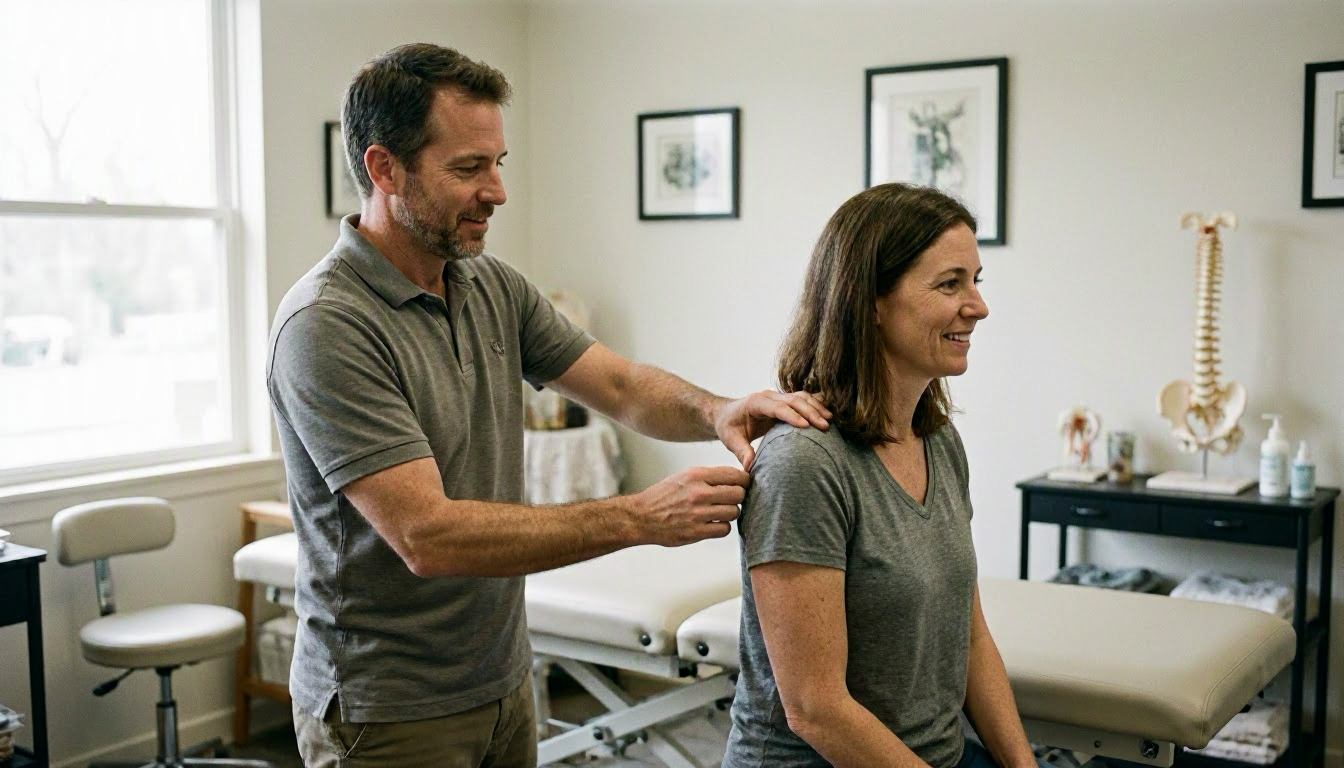
Mobilization in Chiropractor: Mobilization is a gentle, manual therapy technique used by chiropractors and physical—visual...

Mobilization is a hands-on therapy used by chiropractors and other healthcare providers to help joints move more freely. Unlike techniques that use quick, forceful thrusts, mobilization relies on slow, rhythmic movements applied directly to the joint. These movements are designed to stretch the surrounding tissues, reduce stiffness. And improve the joint’s natural range of motion. Mobilization is often used when a joint feels tight or restricted, making everyday movements like bending, reaching. Or turning difficult.

Related glossary terms: Chiropractic Adjustment, Joint Dysfunction, Soft Tissue Therapy.

This technique is particularly useful for people recovering from injuries, surgeries. Or conditions like arthritis, where joints may become stiff or painful over time. Because mobilization is gentle, it's often preferred for patients who may not tolerate more aggressive treatments. Chiropractors may combine mobilization with other therapies, such as stretching or strengthening exercises, to support long-term recovery and prevent future stiffness.

How Mobilization Works?

Mobilization works by applying controlled pressure to a joint in specific directions. The chiropractor or therapist uses their hands to guide the joint through its natural movement patterns, gradually increasing the range of motion. For example, if a patient has a stiff shoulder, the provider might gently move the arm in small circles or back-and-forth motions to loosen the joint. These movements help stretch the joint capsule and surrounding muscles, reducing resistance and allowing the joint to move more smoothly.

The amount of pressure used in mobilization varies depending on the patient’s comfort and the joint’s condition. The provider may start with light pressure and gradually increase it as the joint becomes more relaxed. Mobilization can be performed on nearly any joint in the body, including the spine, shoulders, hips, knees. And ankles. It is often used alongside other treatments, such as heat therapy or soft tissue massage, to boost its effects.

Why Mobilization Matters?
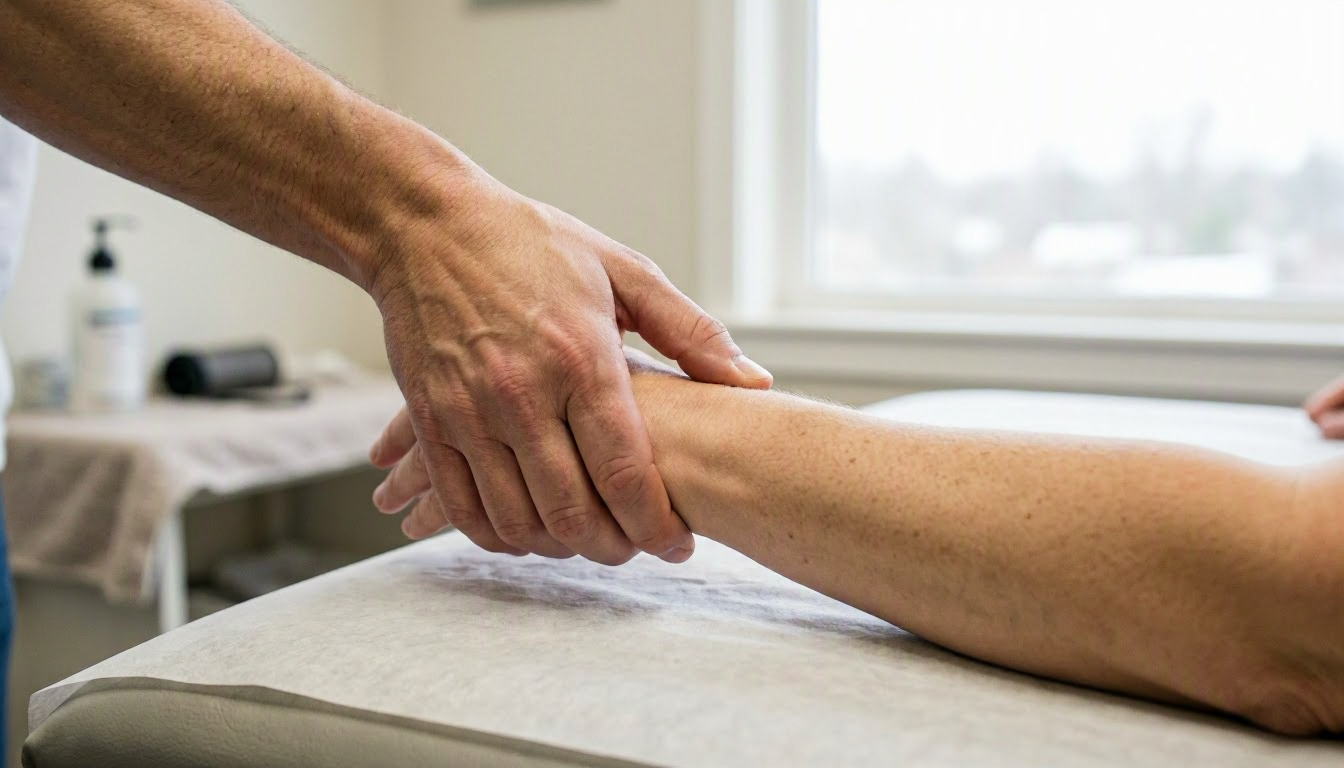
How Mobilization applies to Chiropractor services in Brentwood, United States—practical illustration

Mobilization matters because it helps restore normal joint function without the need for invasive procedures or medications. When joints are stiff or restricted, simple activities like walking, lifting. Or even sitting can become painful or difficult. Mobilization addresses these issues by improving flexibility, reducing pain. And enhancing overall mobility. This can lead to better quality of life, especially for people with chronic conditions like osteoarthritis or those recovering from injuries.

Another key benefit of mobilization is its ability to prevent further joint damage. When a joint is not moving properly, the surrounding muscles and ligaments can become weak or tight, increasing the risk of strains or sprains. By restoring normal movement, mobilization helps maintain joint health and reduces the likelihood of future injuries. It is also a safe option for patients who may not be candidates for more aggressive treatments, such as spinal manipulation.

When Mobilization Matters Most?

Mobilization is most helpful in situations where joint stiffness or pain is limiting daily activities. For example, someone with a stiff neck after a car accident may struggle to turn their head while driving. Mobilization can help restore movement and reduce discomfort, making it easier to perform everyday tasks. Similarly, athletes recovering from a sprained ankle may use mobilization to regain full range of motion before returning to their sport.

Mobilization is also valuable for people with chronic conditions like arthritis, where joints may gradually lose mobility over time. Regular mobilization sessions can help slow this process and keep joints functioning as well as possible. And older adults who experience stiffness due to aging may benefit from mobilization to maintain independence and reduce the risk of falls. In Brentwood, TN, chiropractors often use mobilization as part of a full treatment plan for patients dealing with joint pain or stiffness.
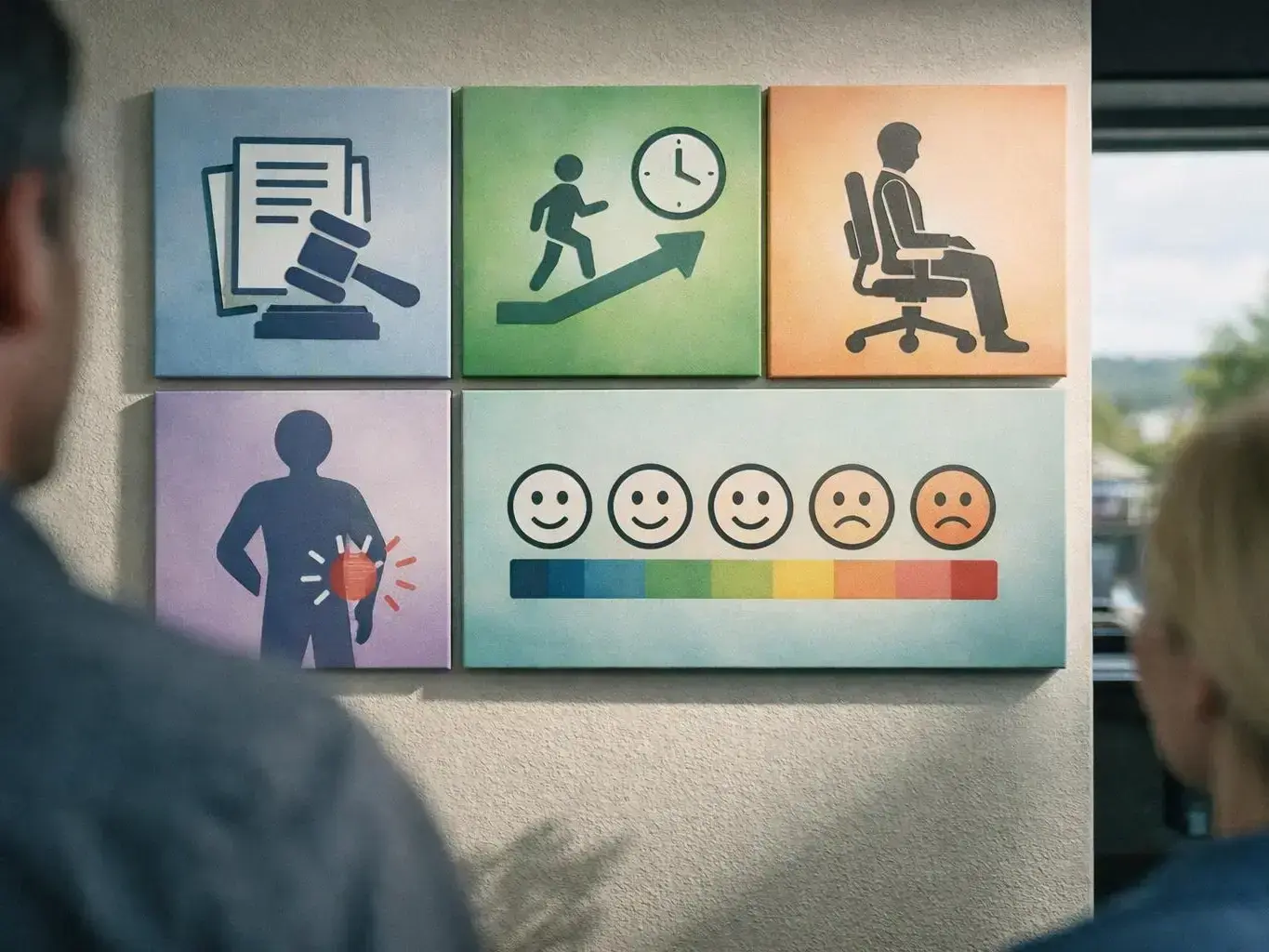
How to Evaluate Mobilization?

Related Concepts Compared

Mobilization vs. Chiropractic manipulation

Manipulation uses quick, forceful thrusts to adjust joints. While mobilization applies slow, gentle movements to improve motion.

Mobilization vs. Stretching exercises

Stretching focuses on muscles. While mobilization targets joints to restore their natural movement patterns.

Mobilization vs. Myofascial release

Myofascial release works on soft tissues like muscles and fascia. While mobilization specifically addresses joint mobility.

Expert Note

Mobilization is especially useful for patients who need gradual improvement in joint function, such as those recovering from surgery or dealing with chronic stiffness. It can be customized to each patient’s comfort level, making it a versatile tool in chiropractic care.

Common Mistakes or Myths About Mobilization

  • Assuming mobilization is the same as manipulation—mobilization is gentler and slower.
  • Expecting immediate results; mobilization often requires multiple sessions for noticeable improvement.
  • Thinking mobilization is only for the spine; it can be used on any joint in the body.
  • Skipping follow-up exercises; mobilization works best when combined with stretching or strengthening.

Mobilization in Practice: A Real-World Example

A patient with a stiff knee after surgery struggles to bend it fully. Their chiropractor uses mobilization to gently move the knee in small increments, helping it regain flexibility. Over several sessions, the patient notices improved movement and less pain when walking.

Sources & Further Reading on Mobilization

Related Services

Related Terms

Chiropractic Adjustment

Chiropractic Adjustment is a hands-on procedure where a licensed chiropractor applies controlled force to a specific joint, usually in the spine, to improve alignment, reduce pain. And restore movement. The goal is to correct joint dysfunction without surgery or medication, relying on the body’s natural ability to heal.

Joint Dysfunction

Joint Dysfunction is a condition where a joint in the body fails to move or function normally, often causing pain, stiffness. Or reduced range of motion. It can result from injury, overuse, poor posture. Or underlying conditions like arthritis. Joint Dysfunction may affect any joint, including the spine, shoulders, hips. Or knees. And can disrupt daily activities if left untreated.

Soft Tissue Therapy

Soft Tissue Therapy is a hands-on treatment method that targets muscles, tendons, ligaments. And fascia to reduce pain, improve mobility. And speed healing. Soft Tissue Therapy uses techniques like massage, stretching. And pressure to break up scar tissue, release tension.

Myofascial Release

Myofascial Release is a hands-on therapy technique that gently stretches and applies pressure to the myofascial tissues—thin, tough layers surrounding muscles—to relieve tension, improve mobility. And reduce pain. This method targets tight or restricted areas in the fascia, often caused by injury, inflammation.

Flexion-Distraction Technique

Flexion-Distraction Technique is a gentle, non-surgical chiropractic method used to treat spinal disc injuries and relieve back, neck. And leg pain. It involves a specialized table that stretches and decompresses the spine while the chiropractor applies manual pressure to specific areas, helping restore motion and reduce nerve irritation. This technique is often used for herniated discs, sciatica.

ChiropractorBrentwood.com

Have Questions About Mobilization?

Contact ChiropractorBrentwood.com for practical guidance on Mobilization and related chiropractor work in Brentwood.

+1 615-777-0624