Glossary

What is Soft Tissue Therapy?

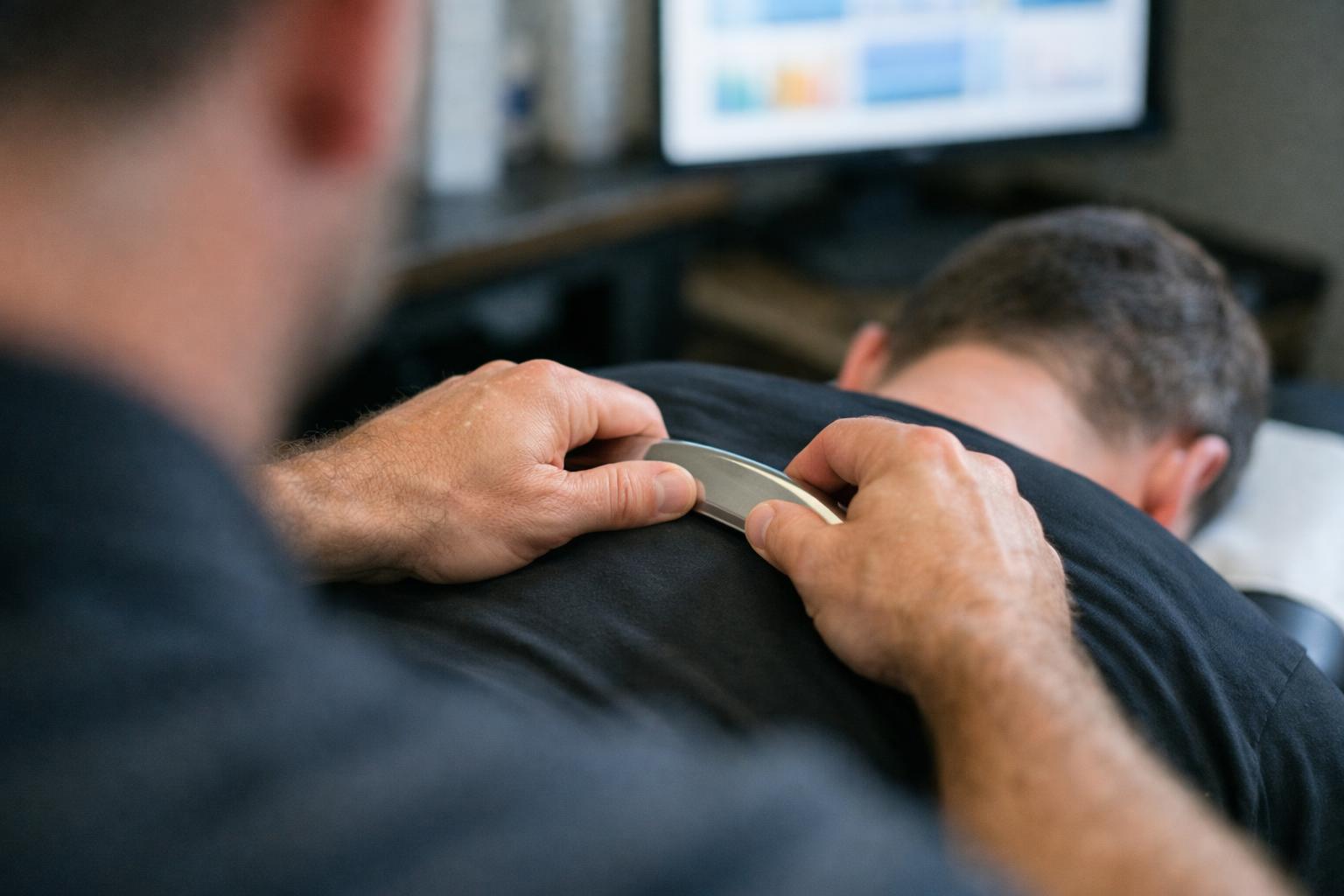
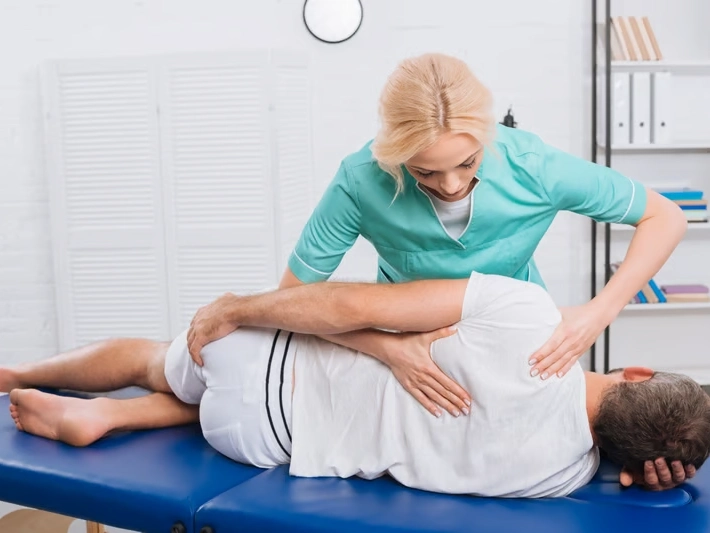
Soft Tissue Therapy is a hands-on treatment that targets muscles, tendons, ligaments. And fascia to reduce pain, improve mobility. And promote healing. Soft Tissue Therapy uses techniques like massage, stretching. And pressure to break up scar tissue, increase blood flow. And relax tight muscles. It's often used alongside chiropractic care to support recovery from injuries or chronic conditions.

Reviewed by Advanced Injury Care ClinicSources reviewed: American Chiropractic Association, National Institutes of Health - Soft Tissue Injuries

Quick Facts About Soft Tissue Therapy

Category

Manual therapy technique

Used for

Muscle pain, stiffness, injuries. And recovery

Common confusion

Often mistaken for deep tissue massage only

Also called

Soft Tissue Mobilization, Myofascial Therapy

Often discussed with

Car Accident Injury Treatment, Work Injury Treatment

Key Takeaways About Soft Tissue Therapy

Understanding Soft Tissue Therapy

Soft Tissue Therapy in Chiropractor: Soft Tissue Therapy is a hands-on treatment that targets muscles, tendons, ligaments—...

Soft Tissue Therapy helps your body's soft parts. These are muscles, tendons, ligaments. And fascia. They can get tight or hurt from too much use.

Related glossary terms: Chiropractic Adjustment, Cold Laser Therapy, Electrical Muscle Stimulation.

They can also hurt from bad posture or injuries. This therapy uses pressure and stretching. It eases tension and pain. It helps you move better too.

Other treatments focus on bones or joints. Soft Tissue Therapy works on muscles and tissues. These hold your bones in place.

This therapy isn't just for athletes. It helps anyone with stiff or sore muscles. People with trouble moving can benefit too.

Office workers get neck or back pain. Sitting too long causes this. Soft Tissue Therapy can help them feel better.

Therapists use different methods. Some use gentle touch. Others use deeper pressure. It depends on what you need.

The goal is to help you work better. It also cuts pain. It helps your body heal naturally.

How Soft Tissue Therapy Works?

Therapists work on sore spots. They use hands, fingers. Or tools. They press, stretch. Or break up scar tissue.

This brings more blood to the area. Blood carries oxygen and food. These help you heal.

It also relaxes tight muscles. This cuts pain. It helps you move more easily.

Some common methods are listed. Myofascial release is one. It works on fascia (a thin tissue around muscles).

Trigger point therapy is another. It works on tight knots in muscles. These knots can cause pain elsewhere.

Deep tissue massage is also used. It uses slow, firm strokes. It reaches deeper muscles.

Therapists pick methods based on your needs. They also think about your comfort.

Sessions last 30 to 60 minutes. The therapist checks your problem areas. Then they use the right methods.

You might feel some discomfort. But it shouldn't hurt sharply. After, you'll likely feel relaxed.

You'll also feel less stiff. You'll move more easily too.

Why Soft Tissue Therapy Matters?

How Soft Tissue Therapy applies to Chiropractor services in Brentwood, United States—practical illustration

Soft Tissue Therapy fixes the real cause of pain. It doesn't just hide the pain. Many people take pills or rest to feel better.

But these only help for a short time. This therapy helps blood flow better. It cuts swelling too.

It also helps tissues work normally. This gives long-term relief. It helps you move better too.

It also stops future injuries. Tight or weak muscles get hurt easier. Keeping them healthy cuts this risk.

It's also drug-free. This makes it safe for many people. Some can't take certain pills.

Others just like natural healing. This therapy is a good choice for them.

When Soft Tissue Therapy Matters Most?

Soft Tissue Therapy helps in many cases. It speeds up healing after sports injuries. It also helps after car accidents.

It helps with work-related strains too. People with ongoing pain get help. This includes headaches or foot pain.

People with sciatica (nerve pain) also benefit. Those healing from surgery get help too. It cuts scar tissue.

It also helps them move better. People who sit a lot need this therapy. Sitting makes muscles tight and weak.

This causes pain and bad posture. The therapy keeps muscles flexible. It also keeps them strong.

Athletes use it to stay in shape. It helps them recover faster. Many people in Brentwood, TN, need this therapy.

Some have active lives. Others have office jobs. This therapy keeps them moving without pain.

The therapy isn't the same for everyone. Methods and strength vary. Someone with a new injury needs gentle work.

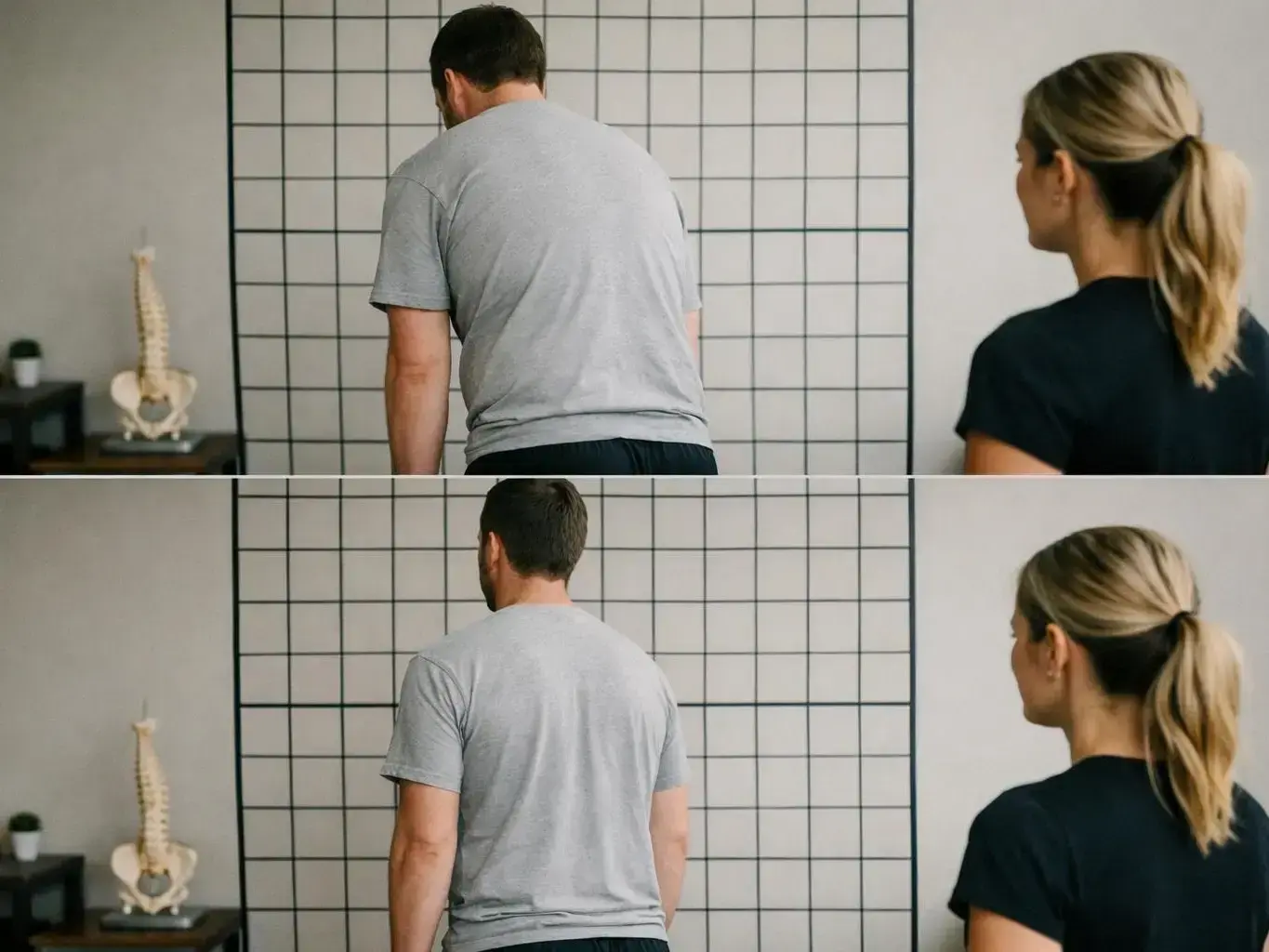
Someone with long-term tightness needs deeper work. A good therapist checks your needs. Then they adjust the treatment.

How to Evaluate Soft Tissue Therapy?

Related Concepts Compared

Soft Tissue Therapy vs. Deep Tissue Massage

Deep Tissue Massage focuses on relieving tension in deeper muscle layers. While Soft Tissue Therapy includes a broader range of techniques like stretching and myofascial release.

Soft Tissue Therapy vs. Chiropractic Adjustment

Chiropractic Adjustment targets bones and joints. While Soft Tissue Therapy focuses on muscles, tendons. And fascia to support overall movement.

Soft Tissue Therapy vs. Physical Therapy

Physical Therapy includes exercises, stretches. And education to improve function. While Soft Tissue Therapy primarily uses hands-on techniques to address soft tissue issues.

Expert Note

Soft Tissue Therapy is most effective when combined with other treatments like chiropractic care or exercise. It’s not just about relieving pain—it’s about restoring normal tissue function to prevent future issues. Always communicate with your therapist about your comfort level during sessions.

Common Mistakes or Myths About Soft Tissue Therapy

  • Assuming Soft Tissue Therapy is only for athletes or serious injuries—it helps with everyday muscle stiffness too.
  • Expecting immediate results after one session—healing takes time and consistency.
  • Not communicating discomfort during treatment—pressure should never cause sharp pain.
  • Skipping follow-up sessions or exercises recommended by the therapist—this can slow progress.

Soft Tissue Therapy in Practice: A Real-World Example

After a car accident, a patient in Brentwood, TN, experienced neck stiffness and headaches. Their chiropractor recommended Soft Tissue Therapy to address tight muscles in the neck and shoulders. After a few sessions, the patient noticed reduced pain and improved range of motion, allowing them to return to daily activities more comfortably.

Sources & Further Reading on Soft Tissue Therapy

Related Services

Related Terms

Chiropractic Adjustment

Chiropractic Adjustment is a precise manual procedure where a licensed chiropractor applies controlled force to a specific joint in the spine or other body area. The goal is to restore proper movement, reduce nerve irritation. And improve overall function without surgery or medication. Adjustments are tailored to each patient’s condition and comfort level.

Cold Laser Therapy

Cold Laser Therapy is a non-invasive treatment that uses low-level lasers or light-emitting diodes to stimulate healing and reduce pain and inflammation. Cold Laser Therapy does not produce heat, making it safe for use on muscles, joints, nerves. And other soft tissues without damaging surrounding areas. It is commonly used in chiropractic care, physical therapy. And sports medicine to accelerate recovery from injuries and chronic conditions.

Electrical Muscle Stimulation

Electrical Muscle Stimulation is a therapeutic technique that uses controlled electrical impulses to cause muscle contractions. These impulses mimic signals from the nervous system, helping to reduce pain, improve circulation. And strengthen muscles after injury or surgery. The treatment is non-invasive and typically administered using small electrodes placed on the skin.

Graston Technique

Graston Technique is an evidence-based form of instrument-assisted soft tissue mobilization used by healthcare providers to detect and treat scar tissue, fascial restrictions. And muscle tightness. Graston Technique involves specialized stainless-steel tools to break down adhesions, improve blood flow. And accelerate healing in muscles, tendons. And ligaments after injury or overuse.

Decompression Therapy

Decompression Therapy is a non-surgical treatment designed to relieve pressure on the spine and nerves. It uses controlled traction to gently stretch the spine, promoting healing in damaged discs, reducing pain. And improving mobility. This therapy is often used for conditions like herniated discs, sciatica. And chronic back or neck pain.

Advanced Injury Care Clinic

Have Questions About Soft Tissue Therapy?

Contact Advanced Injury Care Clinic for practical guidance on Soft Tissue Therapy and related chiropractor work in Brentwood.

+1 615-777-0624