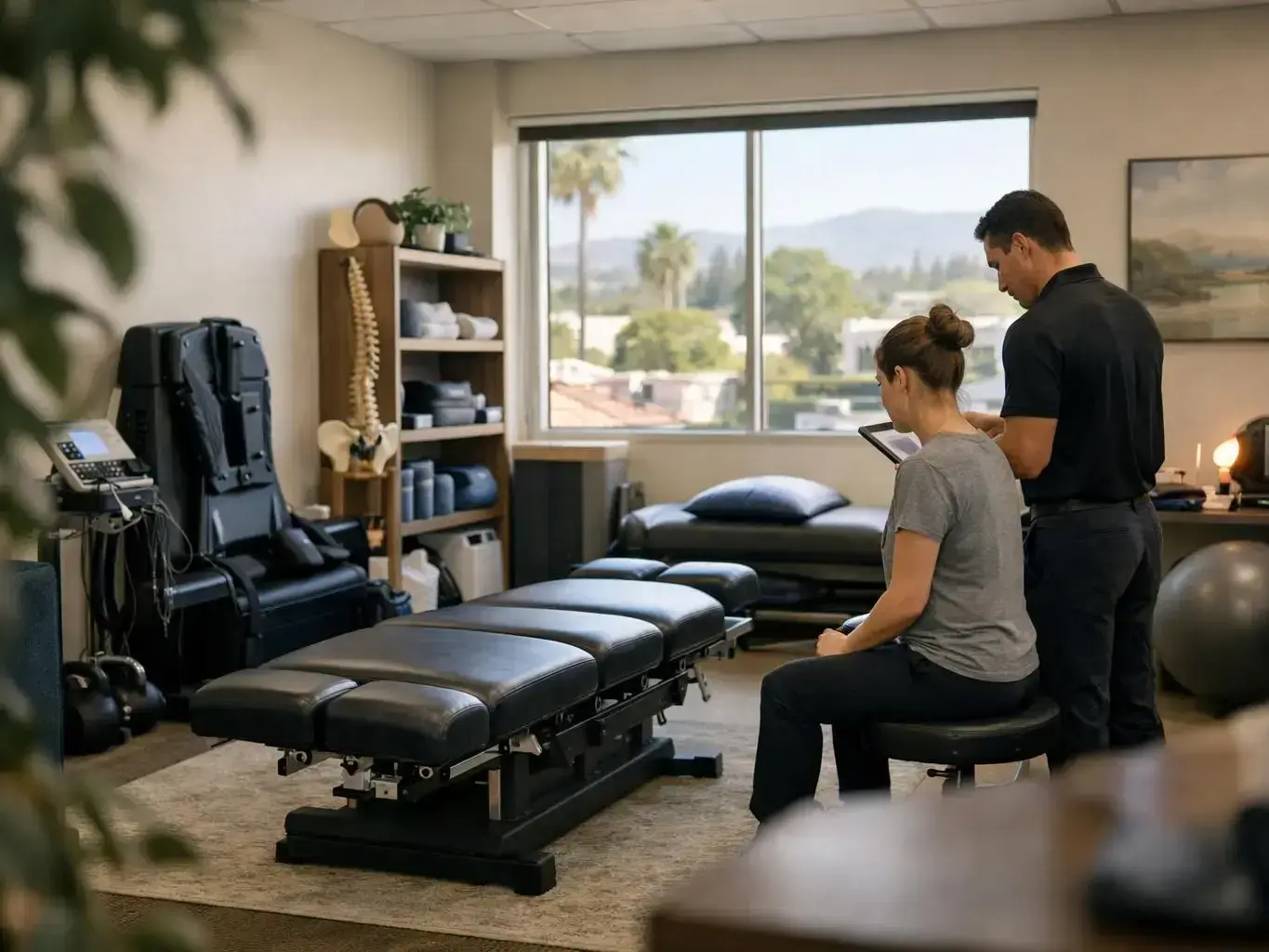
Understanding Orthopedic Tests
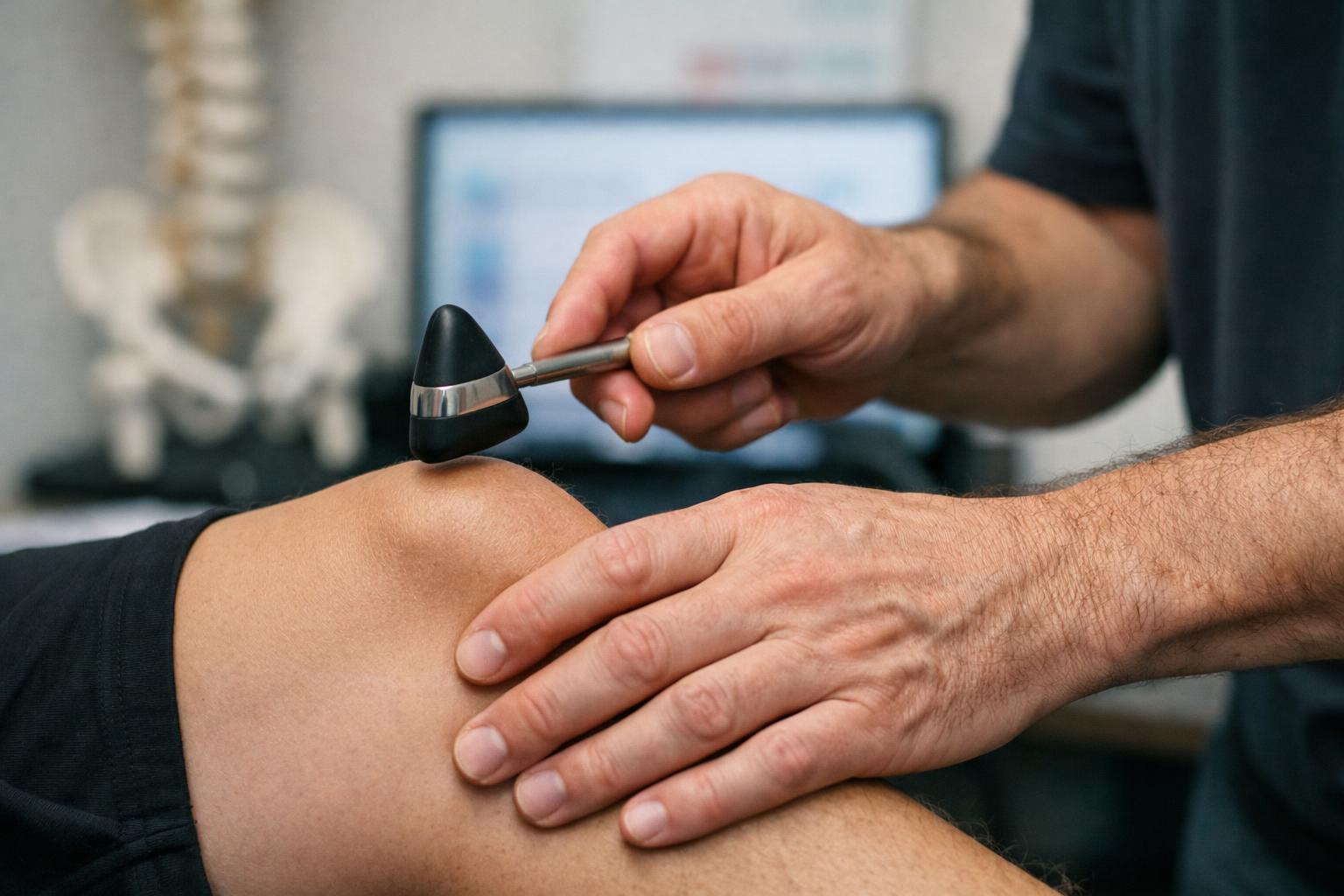
Orthopedic tests help check your bones and muscles. They show how well your body moves. These tests look at joints, muscles. And nerves.
Related glossary terms: Chiropractic Adjustment, Joint Dysfunction, Ligament Sprain.
Providers watch how your body reacts. They use movements or pressure. This is different from X-rays or scans.
Those pictures show inside your body. Orthopedic tests show how things work. They check if a joint moves well.
They also see if a nerve is sore. Or if a muscle is hurt. Providers use them with other checks.
This helps them understand your injury. It gives a full picture. They learn about your pain or problem.
A chiropractor might test for sciatica. Sciatica is when a nerve is squeezed. They use the Straight Leg Raise test.
They lift your leg with your knee straight. If pain shoots down your leg, the nerve may be sore. Another test checks shoulders.
The Hawkins-Kennedy test looks for shoulder problems. It moves your arm in a special way. These tests are simple but helpful.
They find where pain comes from. That helps providers know what to do next.
How Orthopedic Tests Work?
Orthopedic tests follow clear steps. First, the provider asks about your pain. They want to know where it hurts.
They ask when it started. They also ask what makes it worse or better. Then they pick tests to try.
Each test checks one area. They might bend a joint or stretch a muscle. They could press on a nerve.
They watch how your body reacts. The results aren't always simple. Pain means something may be wrong.
A positive test shows a possible problem. But providers look for patterns. If many tests show the same issue, it's likely the cause.
If tests are negative, they may try something else. They might order an X-ray or MRI. Orthopedic tests are just one tool.
They help solve the puzzle. But they don't work alone.
Some tests rule out problems. The Adson’s test checks for thoracic outlet syndrome. That's when nerves or blood vessels are squeezed.
If the test is negative, they look elsewhere. This helps avoid wrong treatments.
Why Orthopedic Tests Matter?

Orthopedic tests give quick answers. They show if pain comes from a joint or muscle. Or if it's a nerve or something else.
This helps providers know what to do. They might suggest chiropractic care or rest. Or they may send you to a specialist.
These tests help you understand your problem. They don't need surgery or expensive scans.
You can repeat these tests over time. This tracks your progress. A shoulder test can check if you're getting better.
It shows if pain is less. Or if you can move more. Providers change treatment based on this.
Tests also find problems early. Early treatment helps you heal faster. It keeps problems from getting worse.
When Orthopedic Tests Matter Most?
Scans don't always explain pain. Orthopedic tests can help. They find issues scans miss.
Someone with back pain might have a normal MRI. But a test can show a joint or muscle problem.
These tests work for people who can't get scans. Like those with metal implants. Or who fear small spaces.
Providers use these tests often. They use them at first visits. They use them after injuries too.
In Brentwood, TN, many people are active. Work injuries happen too. Tests help chiropractors check for whiplash or sprains.
They also help with overuse injuries. Tests find problems that don't need surgery. They show what needs stretching or exercise.
Tests help with legal or insurance cases. Like workers' comp claims. Or injury lawsuits.
A positive test shows proof of injury. This helps patients get treatment paid for. Tests are key for providers and patients.