Understanding Muscle Strain

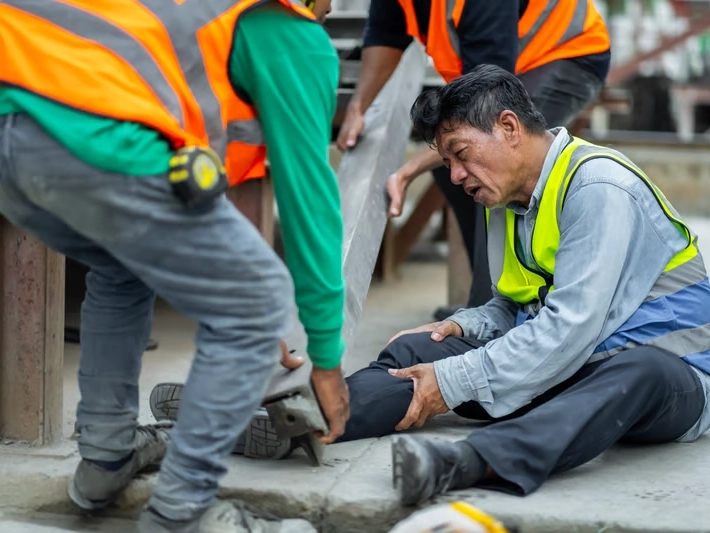
Muscle Strain refers to damage in a muscle or its connecting tendon. Tendons are tough, fibrous tissues that attach muscles to bones. When a muscle is stretched beyond its limit or forced to contract too strongly, the fibers can tear. This tearing can be minor, affecting only a few fibers. Or severe, involving a complete rupture of the muscle or tendon. Muscle Strains are common in activities that require sudden movements, heavy lifting. Or repetitive motions, such as sports, gardening. Or manual labor.
Muscle Strains are graded on a scale from 1 to 3 based on severity. Grade 1 strains involve mild tearing and minor pain. While Grade 2 strains include partial tearing with noticeable swelling and weakness. Grade 3 strains are the most severe, involving a complete tear or rupture of the muscle or tendon, often causing significant pain, swelling. And loss of function. Recognizing the grade of a Muscle Strain helps determine the appropriate treatment and recovery timeline.
How Muscle Strain Works?
Muscle Strain occurs when the demand placed on a muscle exceeds its capacity to handle force. Muscles generate movement by contracting and relaxing. But sudden or excessive force can overwhelm the fibers, leading to tears. For example, lifting a heavy object without proper form or warming up can strain the back muscles. Similarly, sprinting without preparation may strain the hamstrings. The body responds to Muscle Strain with inflammation, which causes pain, swelling. And stiffness as the area heals.
A common issue is The healing process for Muscle Strain involves three phases: inflammation, repair. And remodeling. During the inflammation phase, the body sends blood and nutrients to the injured area to remove damaged tissue. The repair phase involves the growth of new muscle fibers to replace the torn ones. The result is finally, the remodeling phase strengthens the new fibers to restore full function. This process can take days to months, depending on the severity of the strain. Proper rest, ice, compression. And elevation (RICE) can support healing and reduce recovery time.
Why Muscle Strain Matters?
Muscle Strain matters because it can limit mobility, cause pain. And interfere with daily activities or work. Even mild strains can reduce strength and flexibility, making it harder to perform tasks like lifting, bending. Or walking. Severe strains may require weeks or months of recovery, during which time the muscle remains vulnerable to re-injury. Ignoring a Muscle Strain or returning to activity too soon can worsen the injury, leading to chronic pain or long-term weakness.
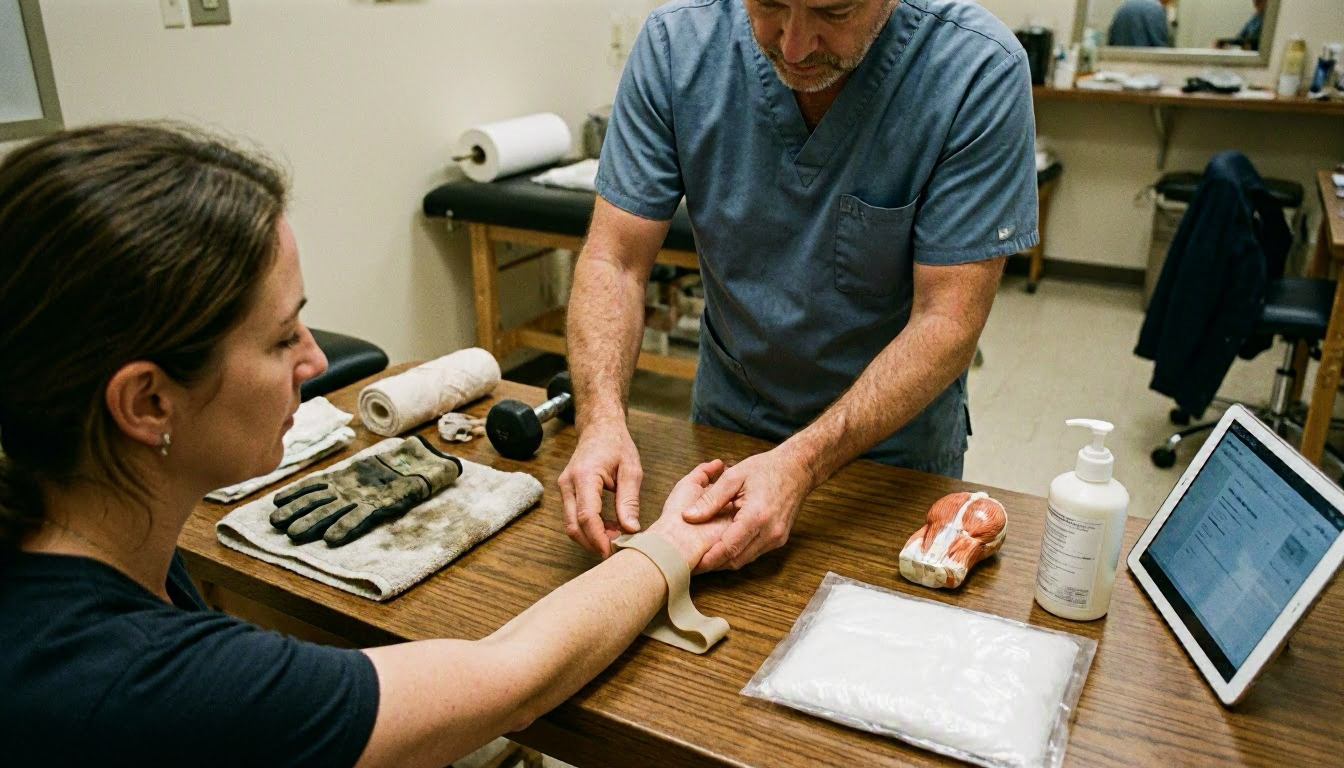
Muscle Strains also impact athletic performance and quality of life. Athletes may miss training or competitions due to strains. While workers in physically demanding jobs may face lost wages or job limitations. Proper treatment and prevention of Muscle Strains can help individuals maintain their active lifestyles, avoid complications. And reduce the risk of future injuries. Early intervention, such as chiropractic care or physical therapy, can speed up recovery and improve outcomes.
When Muscle Strain Matters Most?
Muscle Strain matters most in situations where physical activity is sudden, repetitive. Or strenuous. For example, athletes are at high risk during sports that involve sprinting, jumping. Or quick changes in direction, such as soccer, basketball. Or tennis. Workers in jobs requiring heavy lifting, such as construction or warehouse work, are also prone to strains. Even everyday activities, like moving furniture or gardening, can lead to Muscle Strain if the muscles are not properly prepared or rested.
Muscle Strain also becomes important when symptoms persist or worsen. If pain, swelling. Or weakness doesn't improve within a few days. Or if the injury causes severe pain or inability to move the affected area, medical attention is needed. Chiropractors and other healthcare providers can assess the severity of the strain, recommend treatments like soft tissue therapy or posture correction. And help prevent future injuries. In Brentwood, TN, where active lifestyles and outdoor work are common, understanding Muscle Strain can help residents stay safe and recover faster.