Skip to content

Auto Accident Injury Treatment in Thompson's Station, Tennessee

Injury screening helps set the right care path after a collision in Thompson's Station. We review your symptoms, history, and recovery goals before planning treatment.

Upfront, Transparent PricingServing 18 CommunitiesMon-Fri: 9 am–7 pm, Sat: 9 am–2 pm, Sun: ClosedFast Scheduling

Quick Summary: Auto Accident Injury Care in Thompson's Station, Tennessee

Auto Accident Injury Treatment in Thompson's Station is provided by Advanced Injury Care Clinic for collision-related neck pain, back pain, whiplash, and soft-tissue injuries. Care may include chiropractic adjustments, spinal decompression, physical therapy, massage therapy, and therapeutic exercises across Brentwood, Williamson County, and the greater Nashville area.

  • What we do: Advanced Injury Care Clinic provides Auto Accident Injury Treatment for Thompson's Station, Tennessee patients with collision-related pain and mobility concerns.
  • What is included: Chiropractic adjustments, spinal decompression, physical therapy, massage therapy, therapeutic exercises, and soft tissue therapy support collision recovery needs.
  • What you get: You receive a care plan that connects your symptoms, recovery goals, and suitable non-invasive treatment options.

How is auto accident injury treatment planned after a collision?

Injury screening starts the plan by reviewing symptoms, medical history, movement, and recovery goals. Imaging referrals may follow when the exam shows that more information is needed. The care plan can include adjustments, spinal decompression, physical therapy, massage therapy, or therapeutic exercises based on your needs.

Dedicated Service Coverage in Thompson's Station

Auto Accident Injury Treatment addresses the symptoms and movement limits that can follow a collision. The work is for people with concerns such as whiplash, neck pain, back pain, headaches, sciatica, joint discomfort, or soft-tissue injuries.

The main decision is which findings need care in the clinic and which need further review. We use the health history and exam to guide that choice. Imaging referrals may be appropriate when symptoms or exam findings call for more information.

A treatment plan can include chiropractic adjustments, spinal decompression, physical therapy, massage therapy, or therapeutic exercises. Individual response differs, so progress re-examination helps us decide whether the plan still fits your recovery goals.

  • Bring any collision details, medical records, and current symptom information you have.
  • Note which movements increase your neck pain, back pain, headaches, or other symptoms.
  • Discuss your recovery goals so the plan reflects your daily activities.
  • Ask which findings would lead to an imaging referral or a change in care.
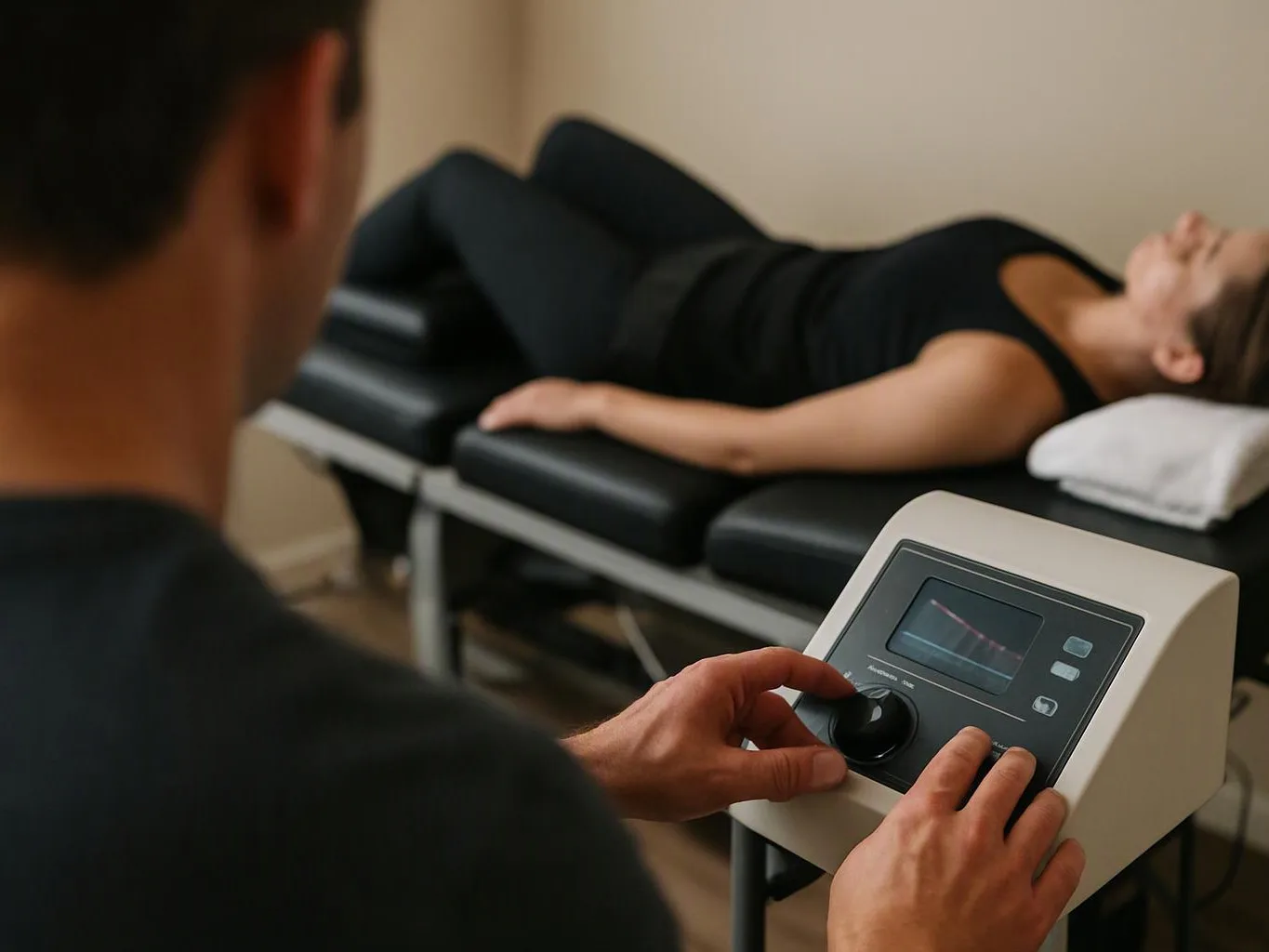
A therapist adjusts a treatment machine while a woman lies on a padded table in a clinic room

Service Overview

Auto Accident Injury Treatment is a care process that assesses collision-related injuries and supports safer movement during recovery.

  • Chiropractic care focuses on joint movement, soft tissue, and function, while physical therapy places more focus on exercise-based movement training.
  • Advanced Injury Care Clinic provides this care for patients in Thompson's Station and surrounding Williamson County communities.

What You Get From Collision-Focused Care

A plan based on examination findings

The first decision comes from your health history, exam, symptoms, and movement limits. We use those findings to discuss suitable care options.

Treatment choices explained plainly

A report of findings gives you a clear view of the next step. Adjustments, spinal decompression, physical therapy, massage therapy, and exercises may be considered when they fit your needs.

Progress checked during care

A progress re-examination helps us review function and symptoms. Auto accident injury treatment is the wrong fit when a concern needs urgent medical care outside chiropractic services.

A client scenario this service addresses

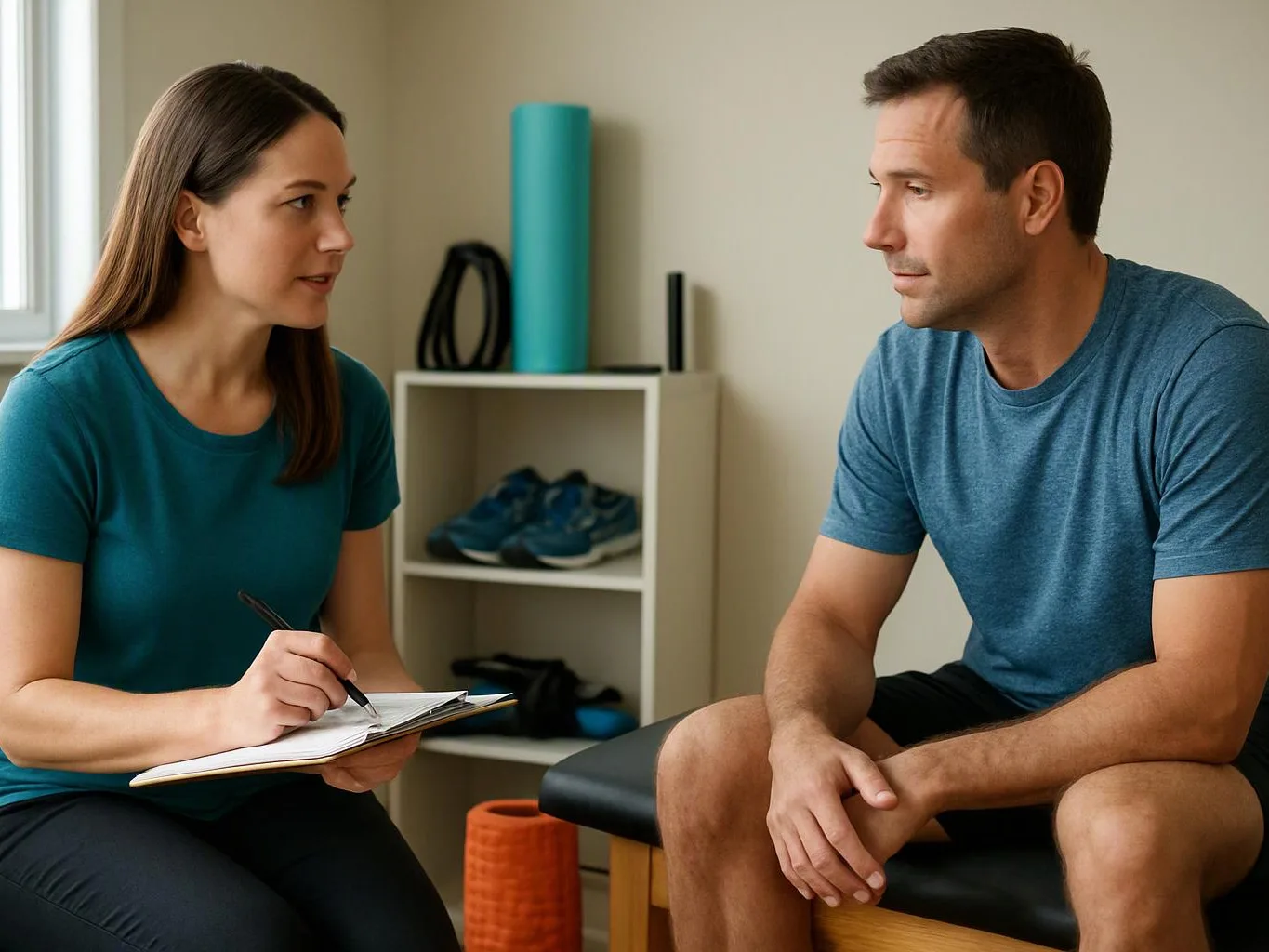
A person in Thompson's Station develops neck stiffness and low back pain after a collision. We review the symptom pattern, health history, movement, and recovery goals, then discuss whether chiropractic care fits or whether an imaging referral is needed.

Process

How We Plan Auto Accident Injury Treatment

1

Complete the new patient intake

We record the collision details, current symptoms, health history, and concerns that affect daily movement.

2

Perform the health history and exam

The exam reviews movement, pain patterns, joint function, and soft-tissue concerns. We consider imaging referrals when further information is needed.

3

Explain the report of findings

We explain what the examination shows and discuss care options that match the findings and your recovery goals.

4

Start the personalized treatment plan

Care may include chiropractic adjustments, spinal decompression, physical therapy, massage therapy, or therapeutic exercises.

5

Review progress and adjust care

A progress re-examination helps us review symptoms and function, then decide whether the current plan still fits.

What Auto Accident Injury Treatment Includes

Advanced Injury Care Clinic provides comprehensive Auto Accident Injury Treatment in Thompson's Station. Here's what you get:

  • A new patient intake records the collision history, symptoms, and health background.
  • A health history and exam assess movement, pain patterns, and soft-tissue concerns.
  • A report of findings explains what the examination shows and what options fit.
  • Imaging referrals may be recommended when further clinical information is needed.
  • A personalized treatment plan may include adjustments, spinal decompression, physical therapy, massage therapy, or therapeutic exercises.
  • Progress re-examination checks how your symptoms and function respond to care.

How Collision Injury Care Supports Daily Movement

A focused plan connects treatment choices to your symptoms and recovery goals.

Chiropractic adjustments may support joint movement when pain limits normal activity.

Physical therapy and therapeutic exercises build practical movement skills for daily tasks.

Massage therapy and soft tissue therapy may address muscle tension around an injured area.

Regular maintenance can support ongoing function when your care plan calls for it.

Choosing The Next Step After A Collision

These options address different parts of recovery, so the examination helps determine which discussion comes first.

Care optionMain focusWhen it may be discussed
Chiropractic adjustmentsJoint movement and functionWhen examination findings support adjustment care
Physical therapyExercise and movement skillsWhen strengthening or activity practice fits recovery goals
Massage therapySoft tissue and muscle tensionWhen soft-tissue care fits the examination and plan

The Advanced Injury Care Clinic Standard

  • Thorough Assessments
  • Tailored Care Plans
  • Clear Explanations
  • Appropriate Techniques

Questions About Collision Injury Care

How is auto accident injury treatment planned?

Injury screening sets the initial direction for care after a collision. Medical history, symptoms, movement, and recovery goals shape the plan. Imaging referrals may be discussed when examination findings call for more information. Advanced Injury Care Clinic then explains suitable options, which may include adjustments, spinal decompression, physical therapy, massage therapy, or therapeutic exercises.

What should I bring to my first injury appointment?

Medical records, collision details, a symptom list, and current treatment information help us understand your situation. Bring imaging reports if you have them. A new patient intake also covers your health history and recovery goals, so noting difficult movements or daily tasks can make that discussion more useful.

Which part of my condition decides the treatment scope?

The examination findings decide the treatment scope, along with your symptoms, health history, and recovery goals. Neck pain, back pain, whiplash, headaches, and soft-tissue concerns may call for different care choices. We explain why a service fits before adding it to your personalized treatment plan.

How can I tell whether chiropractic care fits my injury?

Chiropractic care may fit when the examination links your symptoms with movement or joint function concerns. Our team reviews your history, symptoms, and physical findings before discussing adjustments or related care. Concerns that need urgent medical evaluation are outside this service and should receive appropriate medical attention.

What decides whether imaging is part of my care?

The exam and health history decide whether an imaging referral should be discussed. Changes in symptoms, movement limits, prior conditions, or findings that need more detail can affect that decision. We explain the reason for a referral and how the information may guide the next care choice.

Which treatment options can support recovery after a collision?

Treatment options can include chiropractic adjustments, spinal decompression, physical therapy, massage therapy, and therapeutic exercises. The report of findings helps connect each option to your symptoms and goals. We review the plan with you, and individual response guides later progress discussions.

Why might a progress re-examination change my plan?

A progress re-examination reviews how symptoms, movement, and daily function respond to care. The findings may support continuing the current plan or discussing a different mix of services. Regular review matters because recovery needs can change as activity and comfort change.
Contact

Discuss Auto Accident Injury Treatment In Thompson's Station

Advanced Injury Care Clinic offers a free consultation to review your symptoms, medical history, and recovery goals. Schedule a visit to discuss the first assessment and possible care options.

A wooden figure stands beside a green block, with a measuring tape and soap bottle on a bathroom counter

Auto Accident Injury Treatment in Other Areas

The health and wellness information on this website is for general informational purposes only and is not medical advice. It does not create a provider-patient relationship. Always consult a qualified licensed provider in Brentwood, Tennessee, United States about your specific condition before making care decisions. Individual results vary.

(615) 265-0412