
Skip to content

Auto Accident Injury Treatment in Green Hill, Tennessee

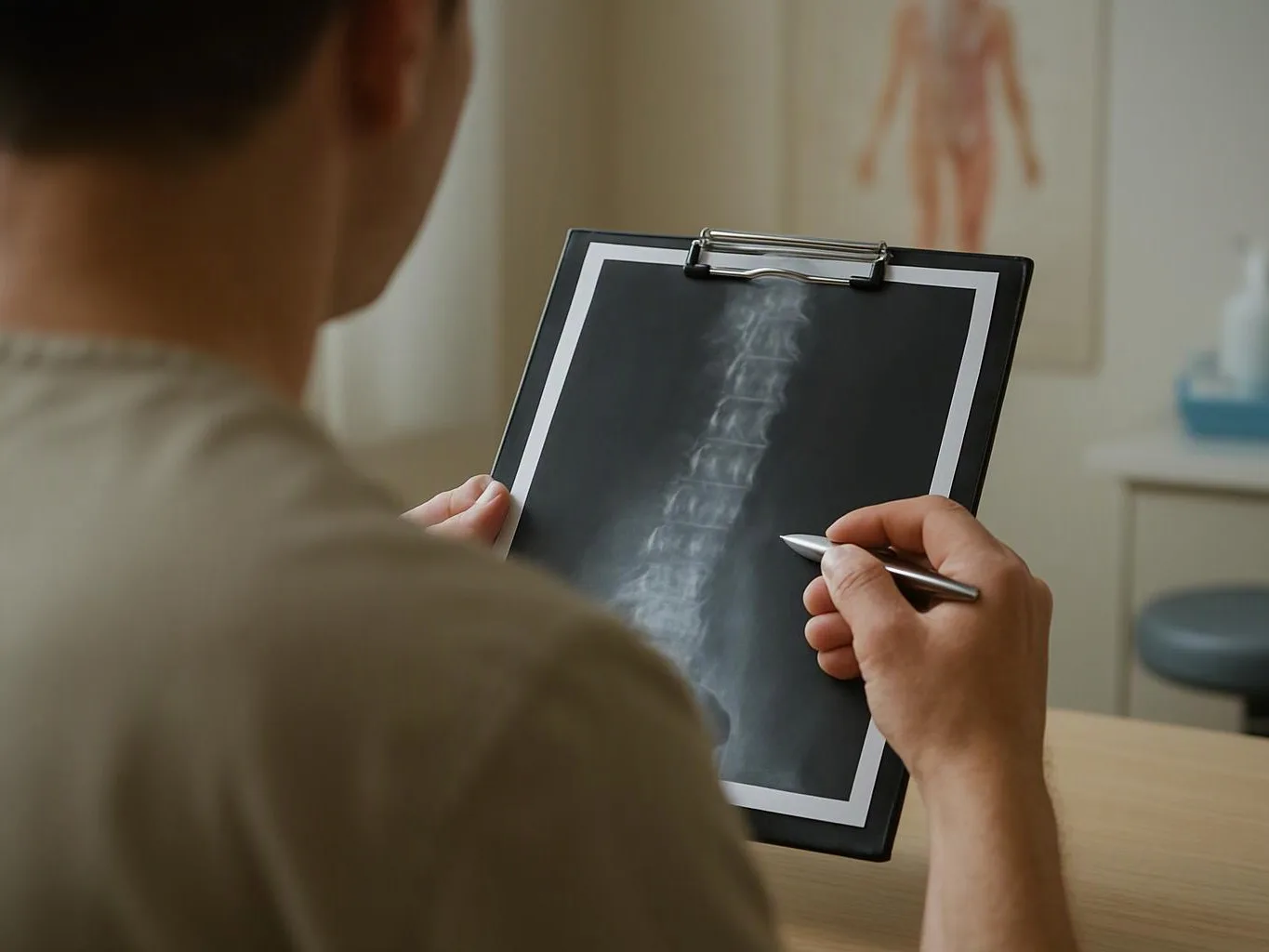
Imaging referrals are checked with your symptoms and medical history in Green Hill. We use that review to plan chiropractic care around your recovery goals.

Upfront, Transparent PricingServing 18 CommunitiesMon-Fri: 9 am–7 pm, Sat: 9 am–2 pm, Sun: ClosedFast Scheduling

Quick Summary: Auto accident injury care in Green Hill, Tennessee

Auto Accident Injury Treatment in Green Hill is provided by Advanced Injury Care Clinic for collision-related neck pain, back pain, whiplash, and soft-tissue injuries. Care includes chiropractic adjustments, physical therapy, massage therapy, and therapeutic exercises across Brentwood, Williamson County, and the greater Nashville area.

  • What we do: Advanced Injury Care Clinic provides Auto Accident Injury Treatment in Green Hill, Tennessee, with injury screening, chiropractic adjustments, and individualized care planning.
  • What is included: We assess collision-related back pain, neck pain, whiplash, headaches, sciatica, joint discomfort, and soft-tissue injuries.
  • What you get: The patient receives a care plan that connects injury findings with recovery goals and suitable non-invasive treatments.

Why does neck pain continue after an auto accident?

Ongoing neck pain can follow whiplash or soft-tissue strain after a collision. An injury screening checks symptoms, movement, and health history so treatment can match the findings.

How We Serve Clients in Green Hill

Auto accident injury treatment addresses symptoms that appear after a crash, including neck pain, back pain, whiplash, headaches, sciatica, and joint discomfort. The work starts with an injury screening, health history, and review of any imaging referral.

The key decision is whether your symptoms need chiropractic adjustments, spinal decompression, physical therapy, massage therapy, therapeutic exercises, or another non-invasive approach. Our team explains the findings before care begins, and we adjust the plan as your condition changes.

This page is for people who need collision-focused care, not general wellness guidance alone. Regular maintenance may support ongoing function after the main injury concerns settle, but treatment still needs to fit your symptoms and goals.

  • Bring any imaging referral, medical records, and details about your symptoms.
  • Tell us which movements increase your neck, back, joint, or soft-tissue discomfort.
  • Discuss your recovery goals before choosing a treatment approach.
  • Ask how progress will be checked during care.
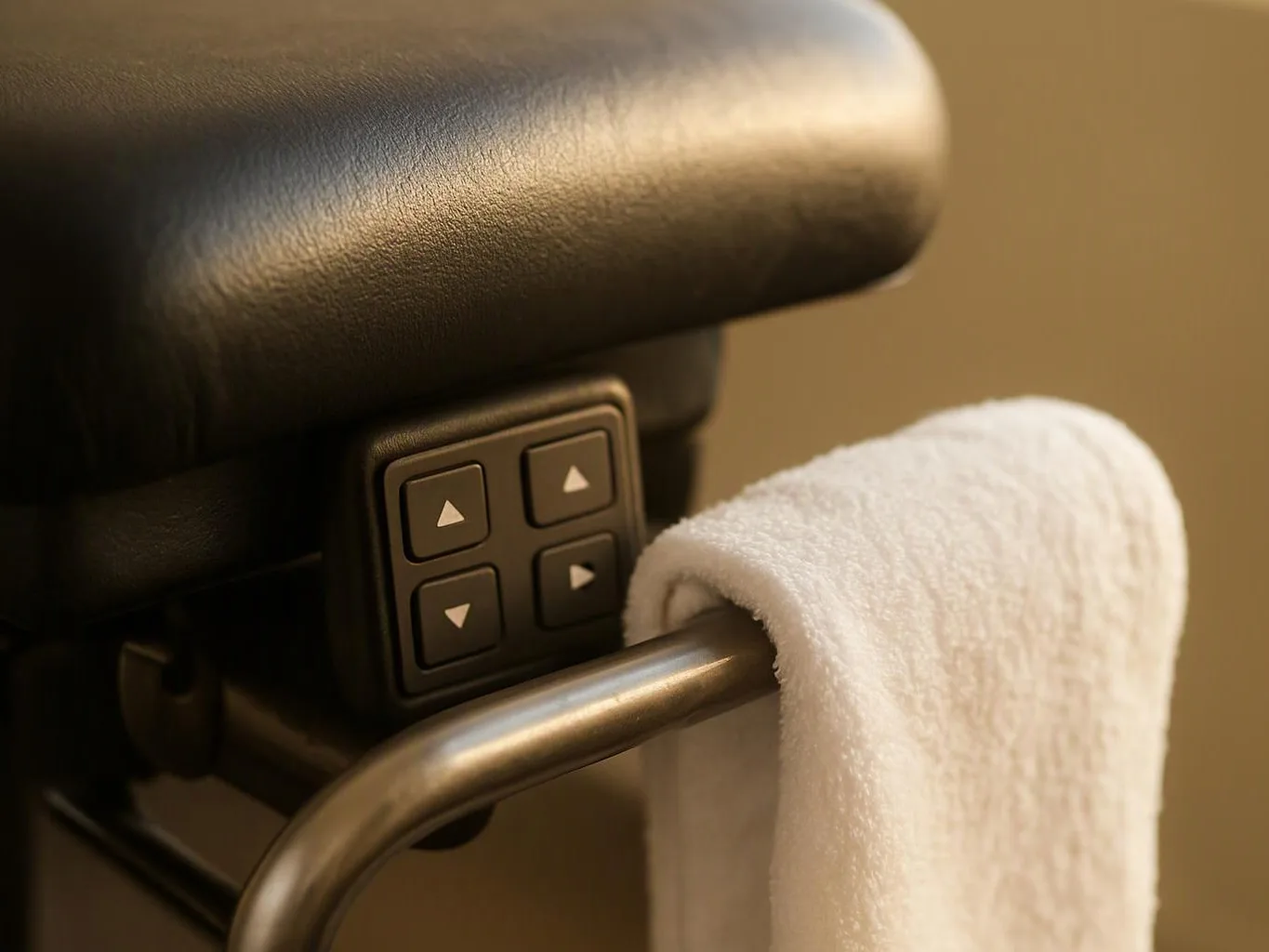
A close-up shows a padded black chair with a four-button control panel and a white towel draped over a metal bar

Service Overview

Auto accident injury treatment is a care service that assesses collision-related injuries and supports safer movement during recovery.

  • Chiropractic care focuses on joint movement, soft tissue, and function, while physical therapy often emphasizes guided exercises and movement control.
  • Advanced Injury Care Clinic provides this care in Green Hill and serves Brentwood, Williamson County, and the greater Nashville area.

What collision injury care includes

Advanced Injury Care Clinic provides comprehensive Auto Accident Injury Treatment in Green Hill. Here's what you get:

  • We complete a new patient intake and review your health history.
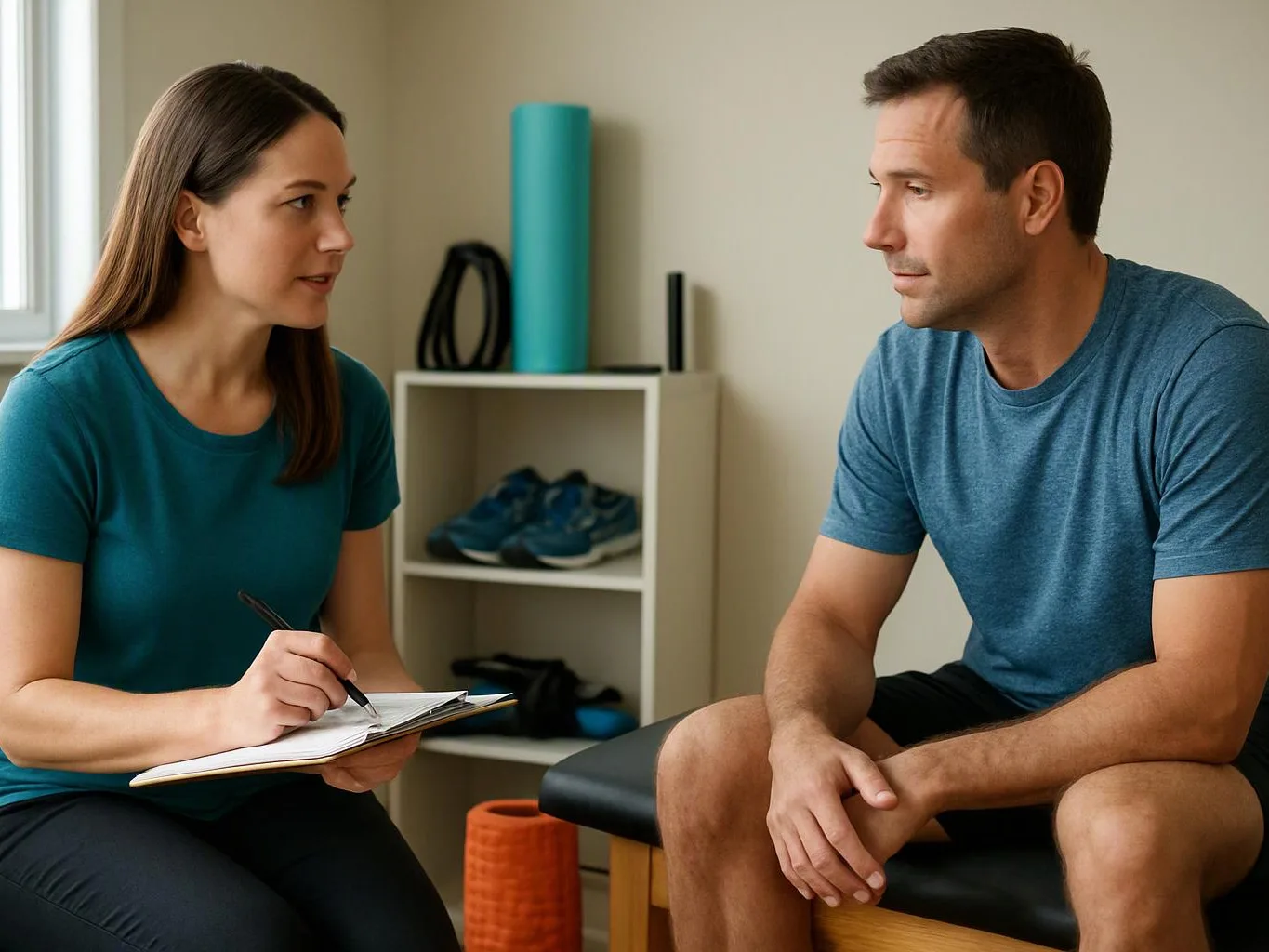
  • We screen movement, symptoms, and areas affected by the collision.
  • We review imaging referrals and consider X-rays if clinically indicated.
  • We explain the report of findings and available treatment options.
  • We create a personalized treatment plan around your recovery goals.
  • We may include chiropractic adjustments, spinal decompression, physical therapy, massage therapy, or therapeutic exercises.
Process

How we plan care after a collision

1

Review the injury history

We discuss the collision, current symptoms, prior conditions, and daily activities affected by the injury.

2

Complete the injury screening

Our team checks movement and symptom patterns, then reviews imaging referrals and considers X-rays if clinically indicated.

3

Set recovery goals

You explain what you want to do more comfortably, such as work tasks, sleep, walking, or normal exercise.

4

Explain the care plan

We review the report of findings and discuss adjustments, spinal decompression, physical therapy, massage therapy, or exercises when suitable.

5

Check progress

A progress re-examination helps us review your response and decide whether the plan still fits your needs.

How we approach collision-related symptoms

Review findings before treatment

We connect your medical history, injury screening, and imaging information before choosing care. A free consultation lets you discuss the next step without committing to a treatment plan.

Match methods to the condition

Chiropractic adjustments may address joint movement, while soft tissue therapy and therapeutic exercises address other parts of recovery. The plan follows the findings.

Know when another service fits

This care isn't the right first step for symptoms that need urgent medical evaluation or treatment outside our non-invasive scope. We focus on assessment, explanation, and suitable chiropractic care.

What this care can help you work toward

A structured assessment connects your symptoms with a practical care plan.

Treatment may support easier movement when neck, back, or joint discomfort limits daily tasks.

A progress re-examination helps show whether the current plan still fits your needs.

Clear explanations help you understand why a treatment method is being considered.

Regular maintenance may support function after active injury care ends.

Treatment methods used for different findings

This table shows how common care options relate to different parts of an injury assessment.

Care optionMain focusWhen it may be discussed
Chiropractic adjustmentsJoint movementWhen screening findings support this approach
Spinal decompressionSelected back or neck concernsWhen the assessment supports non-invasive decompression
Physical therapyGuided movement and functionWhen exercise-based care fits the recovery goal
Massage therapySoft tissue and muscle tensionWhen soft-tissue symptoms call for focused care

The Advanced Injury Care Clinic Standard

  • Thorough Assessments
  • Tailored Care Plans
  • Clear Explanations
  • Appropriate Techniques

Questions about collision injury care

How are imaging referrals used when planning auto accident injury care?

Imaging referrals are reviewed with your symptoms, medical history, and injury screening before care is planned. We use the available information to discuss whether chiropractic adjustments, exercises, or other non-invasive methods fit your needs. X-rays may be considered if clinically indicated. The report of findings explains what the assessment shows and what options are available.

What should I bring to my first injury appointment?

Medical records, an imaging referral, and a list of current symptoms help us assess your condition. Bring details about the collision and any care you have already received. Your health history also matters because prior injuries or conditions can affect treatment choices. We review these details during the new patient intake.

Which symptoms should I mention during the injury screening?

Neck pain, back pain, headaches, sciatica, joint discomfort, and soft-tissue pain should all be reported. Tell us when symptoms began and which movements affect them. Sleep problems, work limits, and changes in daily activity also help us understand your recovery goals. Clear details support a better treatment discussion.

What decides whether spinal decompression fits my back pain?

Back pain findings, symptom patterns, medical history, and the screening results decide whether spinal decompression fits. The method is not selected from symptoms alone. We review the available information, explain why it may or may not suit your condition, and discuss other care options when needed.

Why might physical therapy or massage therapy be added?

Physical therapy or massage therapy may be added when movement control, muscle tension, or soft-tissue symptoms need focused care. The treatment plan connects each method to a finding from the assessment. We explain how the selected service supports your recovery goals and review your progress as care continues.

When is a chiropractic adjustment the wrong first step?

A chiropractic adjustment is the wrong first step when symptoms need urgent medical evaluation or fall outside non-invasive chiropractic care. We review your history and screening findings before recommending treatment. If the assessment does not support an adjustment, we explain that limit and discuss the appropriate next step.

How does a recovery goal change the treatment plan?

A recovery goal changes the plan by showing which activities and movements matter most to you. Returning to work, sleeping better, walking comfortably, or resuming exercise can require different progress checks. We use those goals with the injury screening and medical history to guide treatment choices.
Contact

Discuss auto accident injury treatment in Green Hill

Start with a free consultation and injury screening. Advanced Injury Care Clinic will review your symptoms, medical history, recovery goals, and imaging referral before discussing care options.

Blue exercise mats and balance cushions sit in a warm therapy room with wooden equipment and a treatment table

The health and wellness information on this website is for general informational purposes only and is not medical advice. It does not create a provider-patient relationship. Always consult a qualified licensed provider in Brentwood, Tennessee, United States about your specific condition before making care decisions. Individual results vary.

(615) 265-0412