How is auto accident injury treatment planned?
Recovery goals guide auto accident injury treatment after Advanced Injury Care Clinic reviews your medical history and injury screening. The plan may include adjustments, spinal decompression, physical therapy, massage therapy, or exercises. Imaging referrals are discussed when examination findings call for further review. Patients can ask questions before care begins.
What happens at each stage of care after a collision?
The care process starts with intake and a health history, then moves to an injury exam and treatment discussion. It may include imaging referral, a personalized plan, treatment visits, and progress re-examination. Each stage connects the findings with the patient’s symptoms and movement goals.
Who is a good fit for this care, and who needs a different service?
People with collision-related back pain, neck pain, whiplash, headaches, joint discomfort, or soft-tissue symptoms may fit this care. Severe symptoms or conditions needing urgent medical treatment require a different service. Our team can discuss whether chiropractic care matches the examination findings.
What does the team look at first during treatment?
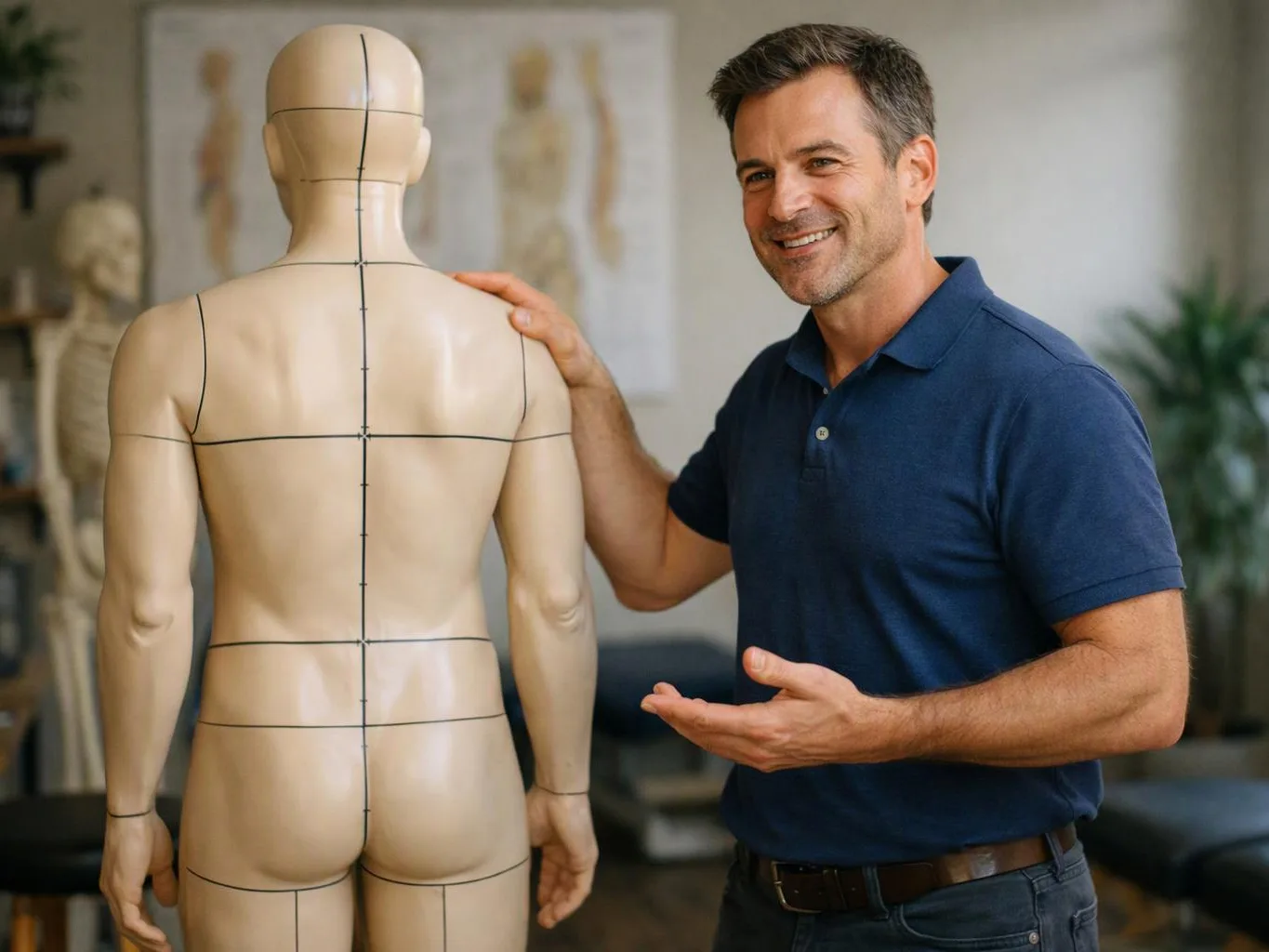
The first visit looks at medical history, current symptoms, movement, tenderness, joint function, and soft-tissue concerns. The intake also records relevant collision details. These findings help determine whether adjustments, therapy, exercise, or imaging referral belongs in the plan.
Which treatments may be included after an auto accident?
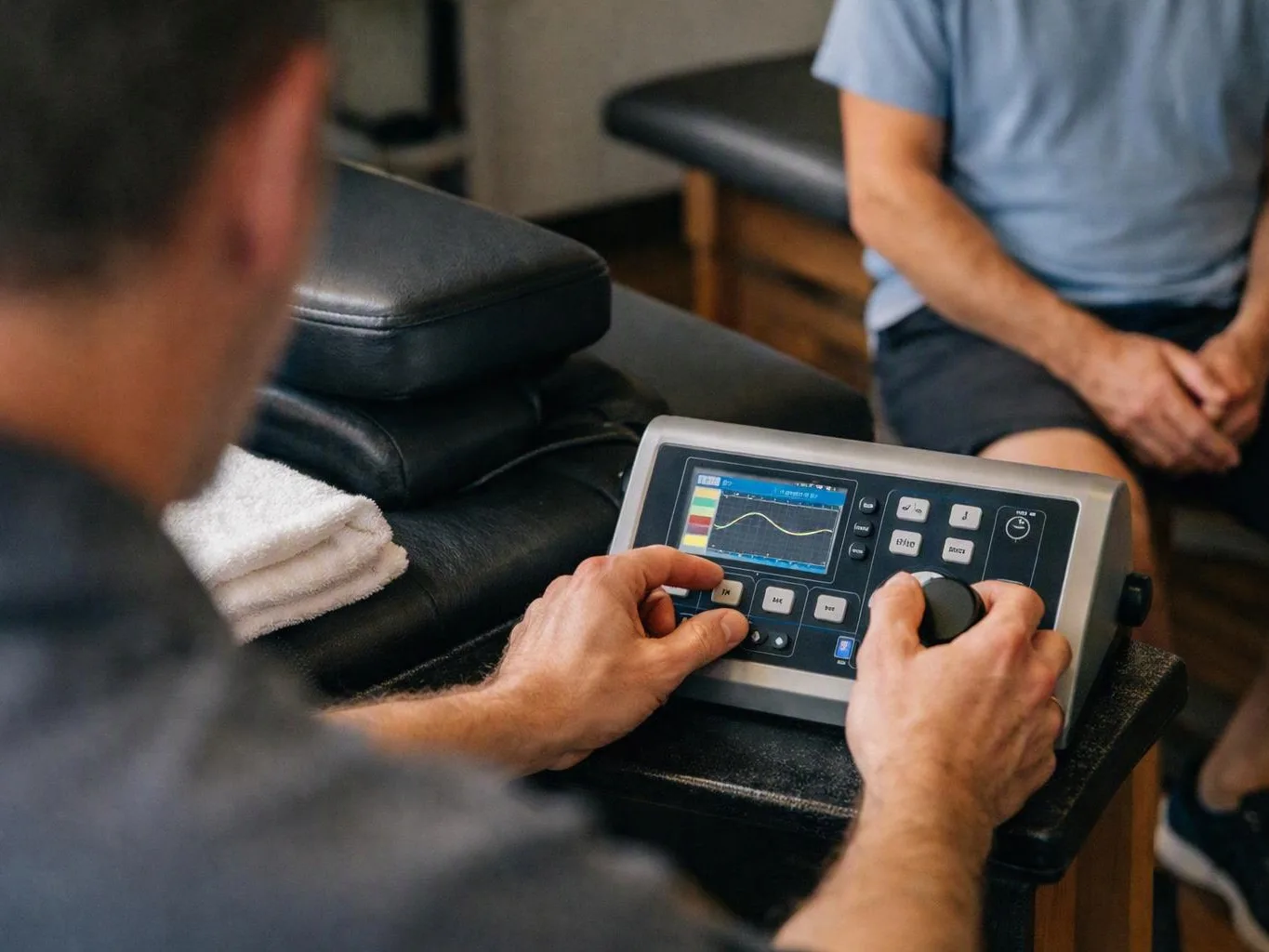
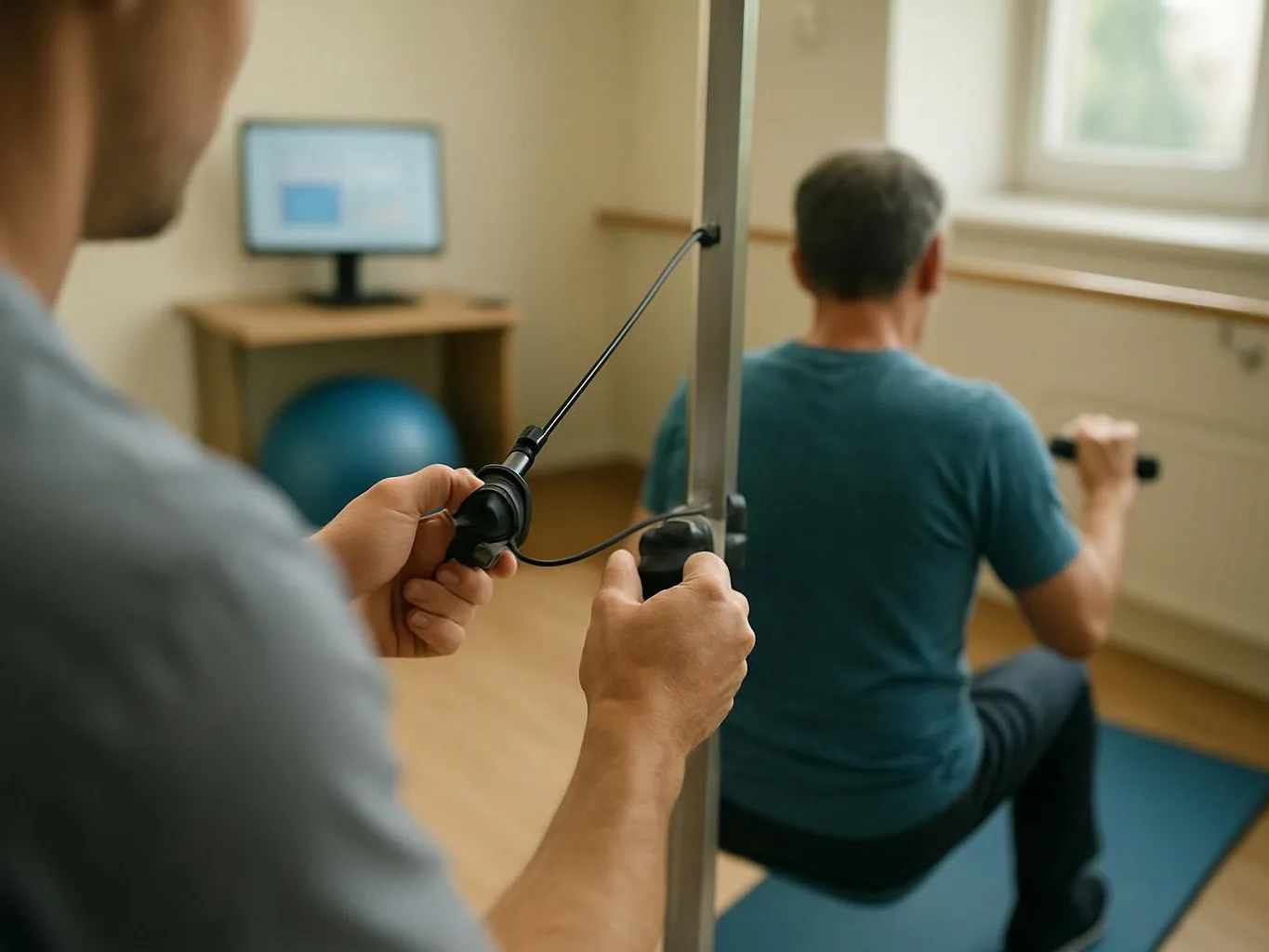
Treatment may include chiropractic adjustments, spinal decompression, physical therapy, massage therapy, and therapeutic exercises. The examination determines which options fit the patient. Care may change after a progress re-examination when symptoms or movement patterns change.
When should imaging referral be discussed?
Imaging referral should be discussed when the examination raises questions that require further review. Symptoms, movement limits, tenderness, and health history guide that discussion. Our team explains the reason for referral and how it relates to the next care decision.
Why might symptoms continue after the first visit?
Symptoms may continue because injured muscles, joints, and soft tissue need ongoing assessment and care. Individual response differs, so the plan is reviewed as progress is checked. Patients should report changes in pain, movement, headaches, or other symptoms during follow-up.